Travel has a way of humbling even the most self-assured people. Someone who negotiates boardroom deals without breaking a sweat can turn into a nervous wreck the moment a gate agent announces a delay. It is not about lacking confidence in general; it is about facing unfamiliar territory where the usual coping tools do not quite apply.
The situations below are common triggers that catch travelers off guard, regardless of how composed they normally are. Recognizing them ahead of time can make the difference between a minor hiccup and a full-blown spiral.
1. Missing a connecting flight
There is a particular kind of panic that sets in when a traveler sprints through an unfamiliar terminal only to watch the gate door close. Tight layovers are increasingly common as airlines schedule shorter connection windows to maximize aircraft usage, and even a short delay on the first leg can trigger a chain reaction. The uncertainty of not knowing whether rebooking will happen quickly, or at all, is what tends to unravel people’s composure.
What makes this scenario especially stressful is the loss of control. Travelers cannot speed up security lines or make a shuttle bus move faster, so the anxiety often centers on things entirely outside their hands. Airlines have improved rebooking through mobile apps in recent years, but the moments before that confirmation lands still feel tense for most people.
2. Navigating a foreign transit system alone
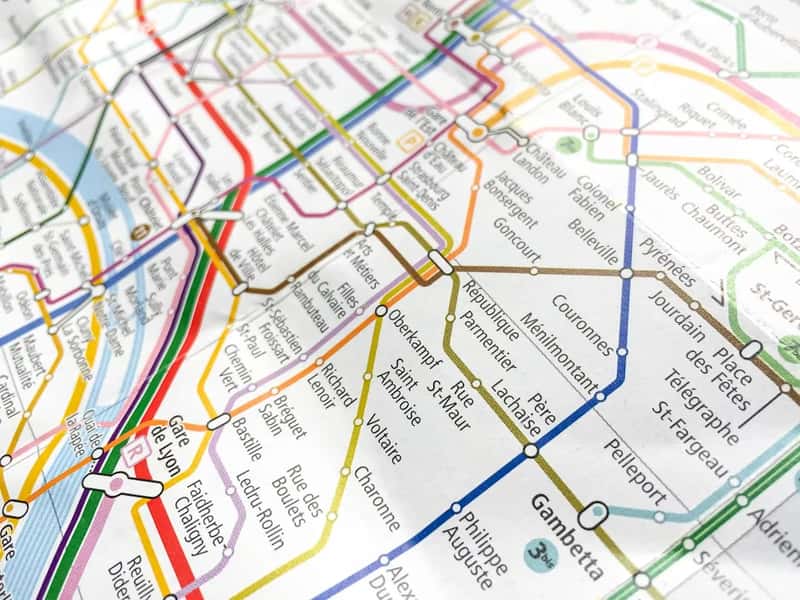
Stepping off a plane into a city with unfamiliar signage, a different alphabet, or a transit map that looks nothing like home can rattle even seasoned travelers. The fear is rarely about getting lost forever; it is about the small embarrassment of standing confused in a crowded station while locals move past with ease. This is especially pronounced in cities where digital payment systems for transit differ from what travelers are used to.
Language barriers compound the stress, since asking for help requires a level of vulnerability many people are not used to displaying. Apps like Google Maps and Citymapper have eased some of this friction by offering real time transit directions in multiple languages. Still, the first few minutes in an unfamiliar system often feel disorienting no matter how much preparation went into the trip.
3. Customs and border checkpoints
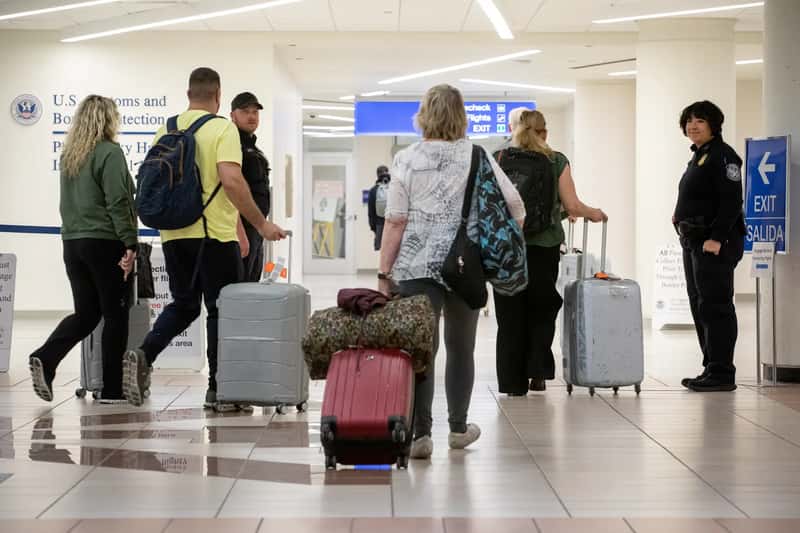
Even travelers with nothing to declare and all their documents in order often feel a flutter of nerves approaching a customs officer. Part of this comes from the formal, unsmiling nature of the interaction, which can feel interrogative even when it is routine. Long queues, unpredictable wait times, and inconsistent rules between countries add to the sense of unease.
Biometric processing and e-gates have sped up entry at many major airports, reducing some of the friction travelers used to face. However, the psychological weight of the checkpoint remains, since a single officer holds outsized authority over whether a trip continues smoothly. This imbalance of power is often what triggers anxiety, not any actual wrongdoing on the traveler’s part.
4. Ordering food in a language you don’t speak

A confident diner at home can suddenly feel exposed when handed a menu with no translation and no pictures. The fear of ordering something unexpected, offending a server through a cultural misstep, or simply being misunderstood creates a surprising amount of pressure for such a routine task. This anxiety is often heightened in smaller towns where staff may not speak English and translation apps have spotty connectivity.
Many travelers cope by pointing at dishes other diners are eating or relying on translation apps like Google Translate’s camera feature. These tools have made ordering considerably easier over the past few years, but the split second before pressing “order” or speaking a phrase out loud still carries a small jolt of nerves for many.
5. Handling a medical issue abroad

A minor headache or stomach bug rarely causes concern at home, but the same symptom overseas can quickly spiral into worry. Not knowing local pharmacy names for common medications, or worrying whether travel insurance will actually cover a clinic visit, adds layers of complexity to what would otherwise be a simple errand. This is particularly true in countries where over the counter medication rules differ significantly from a traveler’s home country.
The stress is often less about the illness itself and more about navigating an unfamiliar healthcare system while feeling unwell. Travelers without comprehensive travel insurance face additional financial anxiety, since costs and reimbursement processes vary widely by country. Even those with coverage often feel unsure about how claims work until they are forced to use them.
6. Being the only one who doesn’t speak the local language in a group setting
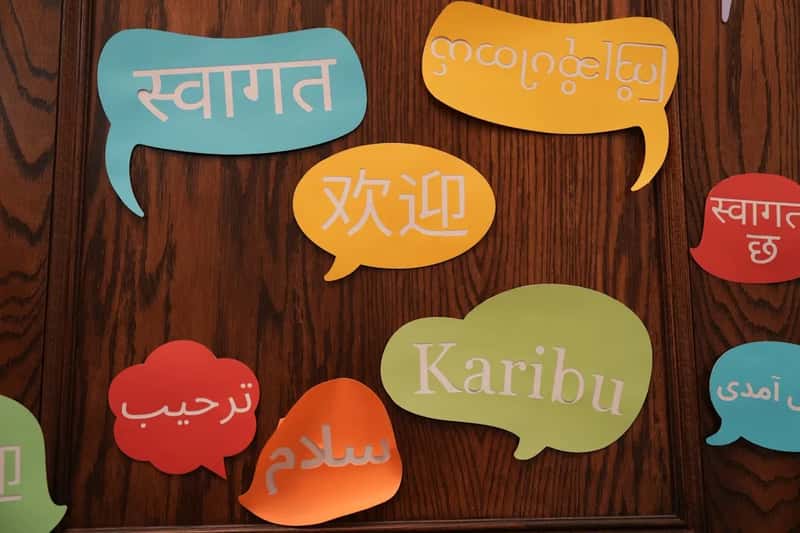
Traveling with a group where everyone else speaks the local language, or where locals assume everyone in the group understands, can leave one person feeling isolated even while surrounded by people. This is common in multicultural friend groups, family trips with only one non-native speaker, or business trips involving international colleagues. The anxiety here is more social than logistical, rooted in the fear of holding others back or missing important context.
People in this position often mention feeling like a spectator in their own trip, nodding along without fully understanding conversations. This can chip away at confidence over the course of a multi-day trip, even for people who are otherwise comfortable navigating group dynamics. Small moments, like being unable to laugh at a joke everyone else understood, tend to add up.
7. Currency and payment confusion
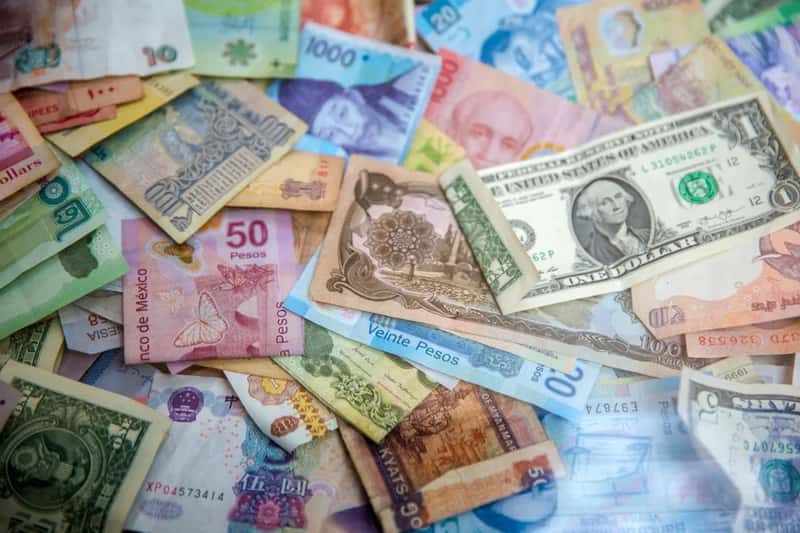
Mental math becomes unexpectedly difficult when converting unfamiliar currencies in real time, especially in countries with different decimal systems or exchange rates that shift daily. Travelers sometimes hesitate at checkout, unsure whether a price is reasonable or wildly inflated compared to home. This hesitation, even when brief, can feel embarrassing in front of a line of waiting customers.
The shift toward cashless payments has changed this dynamic somewhat, since many destinations now accept contactless cards or mobile wallets widely. Still, countries with cash-preferred economies or unreliable card readers can catch travelers off guard, particularly when local currency runs low and the nearest ATM charges high international withdrawal fees. These small financial uncertainties often trigger disproportionate stress relative to the actual amounts involved.
8. Losing a passport or important documents
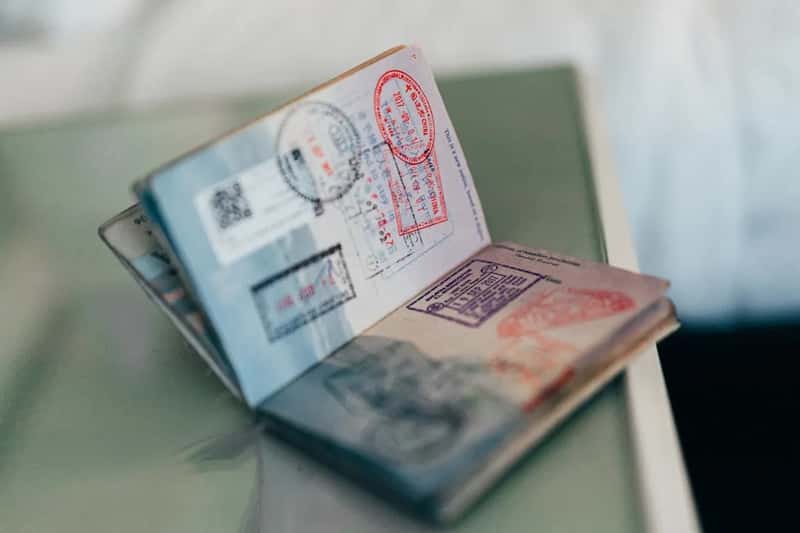
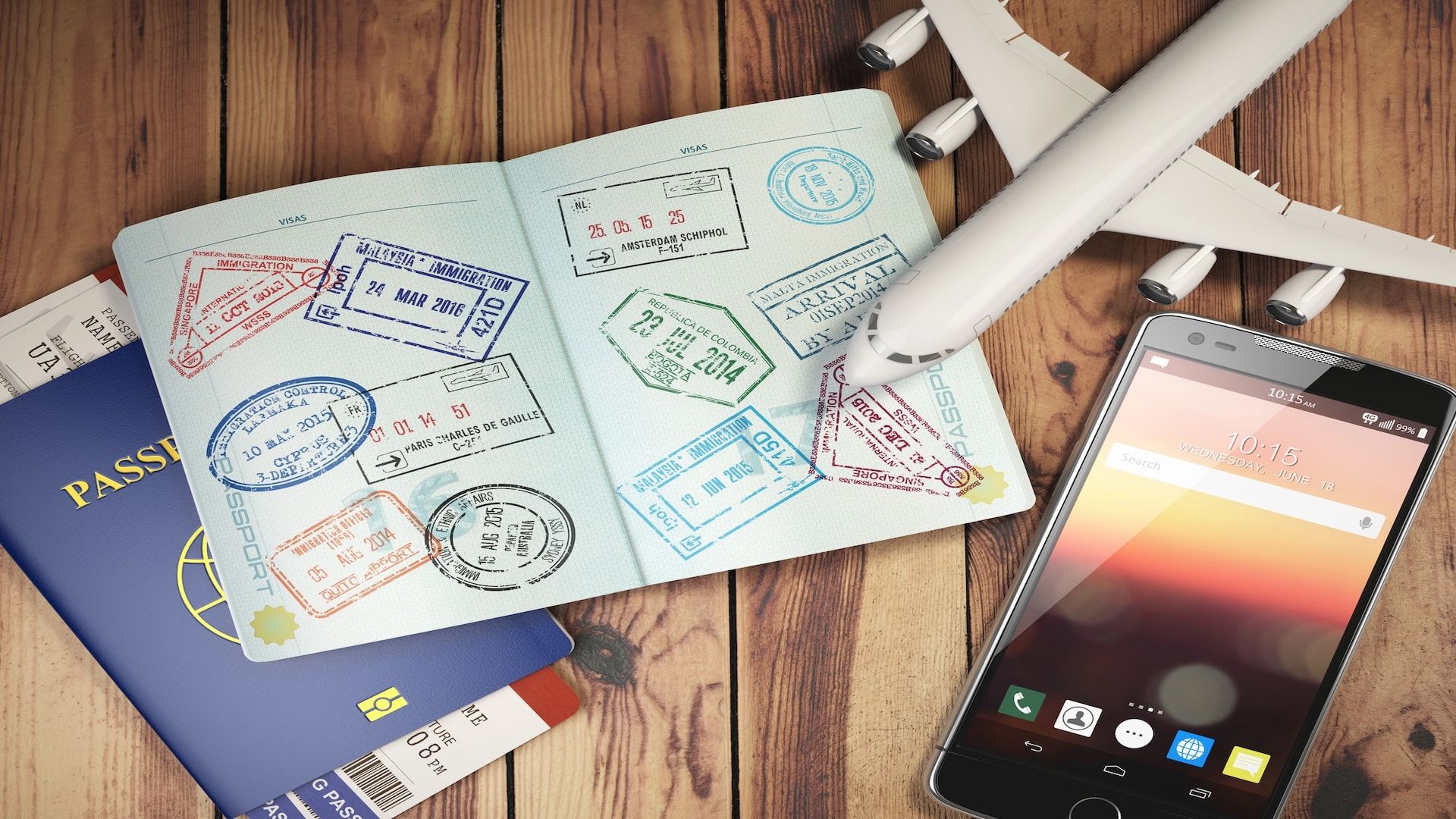
The thought of losing a passport is often enough to cause anxiety long before anything actually goes wrong. Travelers frequently check and recheck bags, pockets, and hotel safes throughout a trip, driven by a low hum of worry that never fully disappears. This concern is amplified in countries where embassy or consulate access is limited to specific cities.
Replacing a lost passport abroad typically involves visiting an embassy, providing proof of identity, and waiting anywhere from a few days to over a week depending on the country. This uncertainty, combined with potential impacts on flight bookings or visa timelines, makes the mere possibility of loss stressful even when nothing has actually happened. Digital backups and physical photocopies have become common precautions, though they only partially ease the underlying worry.
9. Public speaking or introductions in unfamiliar social settings

Business travelers or those attending international conferences often find themselves needing to introduce themselves or speak up in settings where cultural norms around communication differ from what they are used to. Something as simple as a greeting can carry unexpected weight when unfamiliar customs, like bowing versus handshaking or formal titles versus first names, are involved. Getting it wrong in front of new colleagues or clients adds a layer of social pressure not usually present in familiar settings.
This anxiety often surprises people who consider themselves confident public speakers at home, since the discomfort stems from cultural uncertainty rather than the act of speaking itself. Even experienced professionals report feeling thrown off by small unfamiliar rituals, like exchanging business cards with two hands in parts of Asia or waiting to be invited to sit during formal meetings. The unfamiliarity of the social script, more than the speaking itself, tends to be the real source of nerves.
These moments do not reflect a lack of capability. They reflect the simple reality that travel constantly places people outside familiar systems, languages, and social rules, which is exactly the kind of unpredictability that even the most composed individuals find unsettling.