National park reservations have had a strange couple of years. Just when visitors got used to booking timed entry slots months in advance, several of the busiest parks turned around and dropped the requirement altogether for 2026. Yet the underlying problem that started all this, too many cars chasing too few parking spots, hasn’t gone anywhere.
That tension is worth watching closely. Visitation keeps climbing at a handful of parks, and history shows that reservation systems tend to come back once crowding gets bad enough. Here are nine parks where the numbers, the infrastructure, or the recent policy history suggest a year-round or expanded reservation system is a real possibility down the line.
1. Rocky Mountain National Park
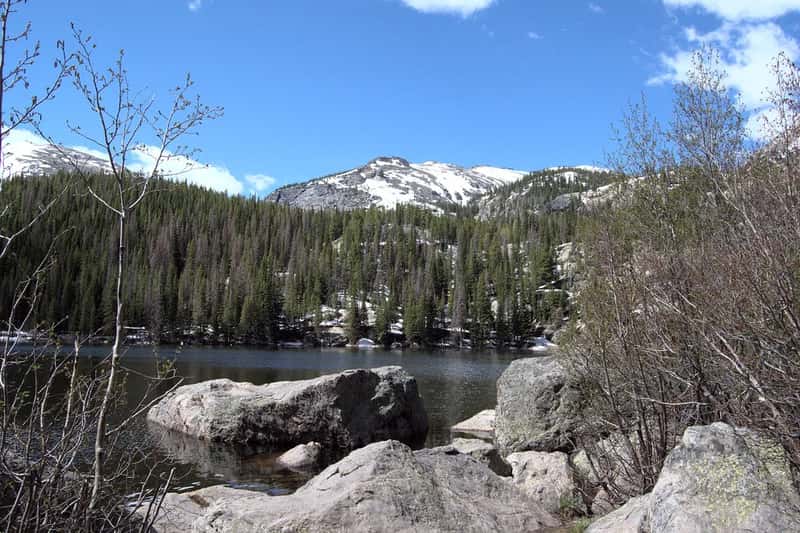
Rocky Mountain is the one park that never really let go of timed entry, and it offers the clearest blueprint for what a year-round system might look like elsewhere. Rocky Mountain National Park will implement its 2026 timed-entry reservation system, beginning May 22, 2026, a system established through the Day Use Visitor Access Plan finalized in May 2024 that manages day use visitor access to maintain positive visitor experiences and protect resources. The park instituted its reservation system, initially on a trial basis, in 2021 after hearing complaints from many visitors who said they would not return due to the heavy congestion.
The current window runs roughly from late May through mid-October, but that stretch has already grown longer over the years. The system aligns vehicle entry with available parking and roadway capacity and has operated for multiple seasons in coordination with Colorado officials and gateway communities. Given how entrenched the program has become, extending it into shoulder months or making it permanent would not be a huge leap.
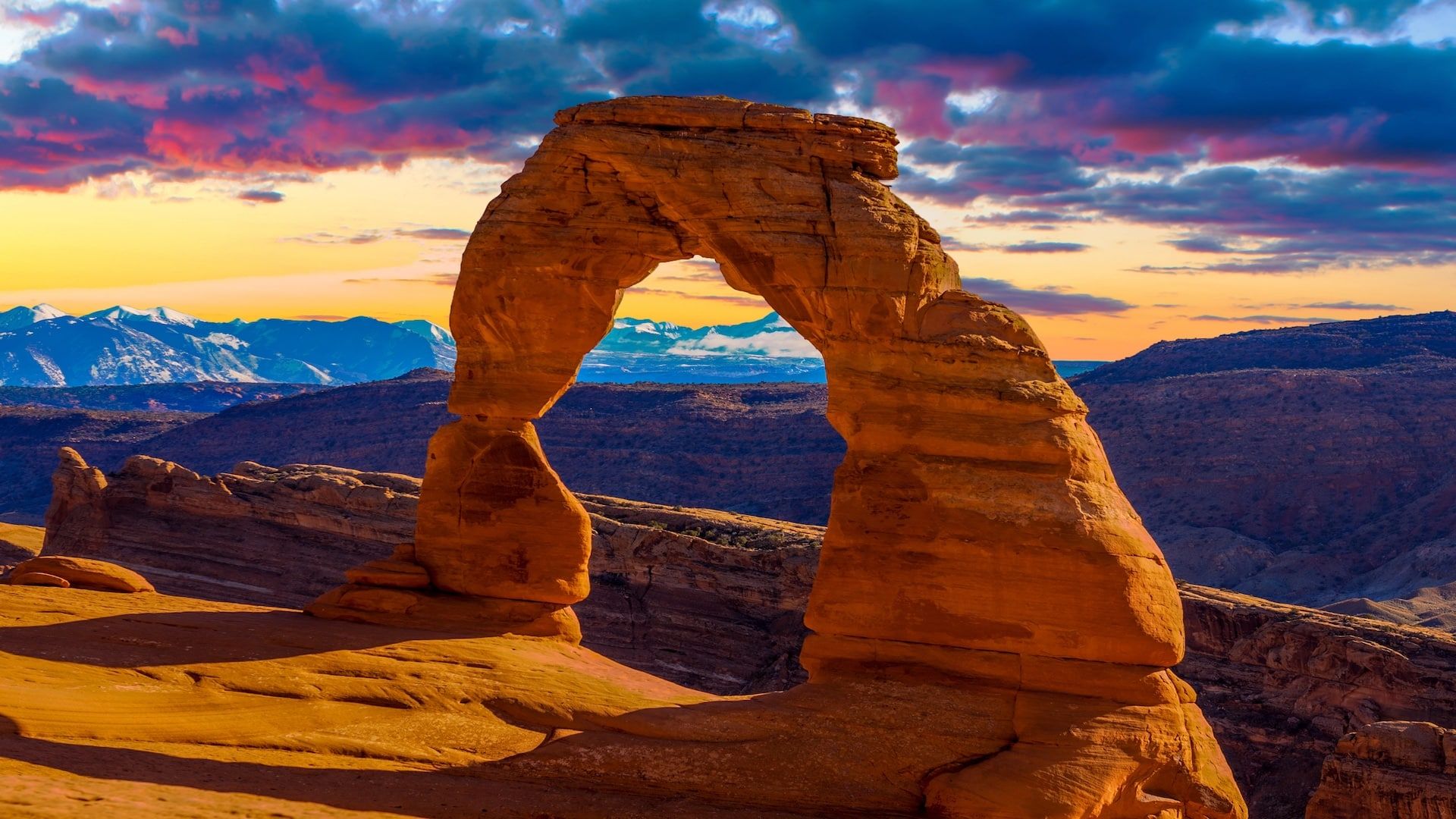
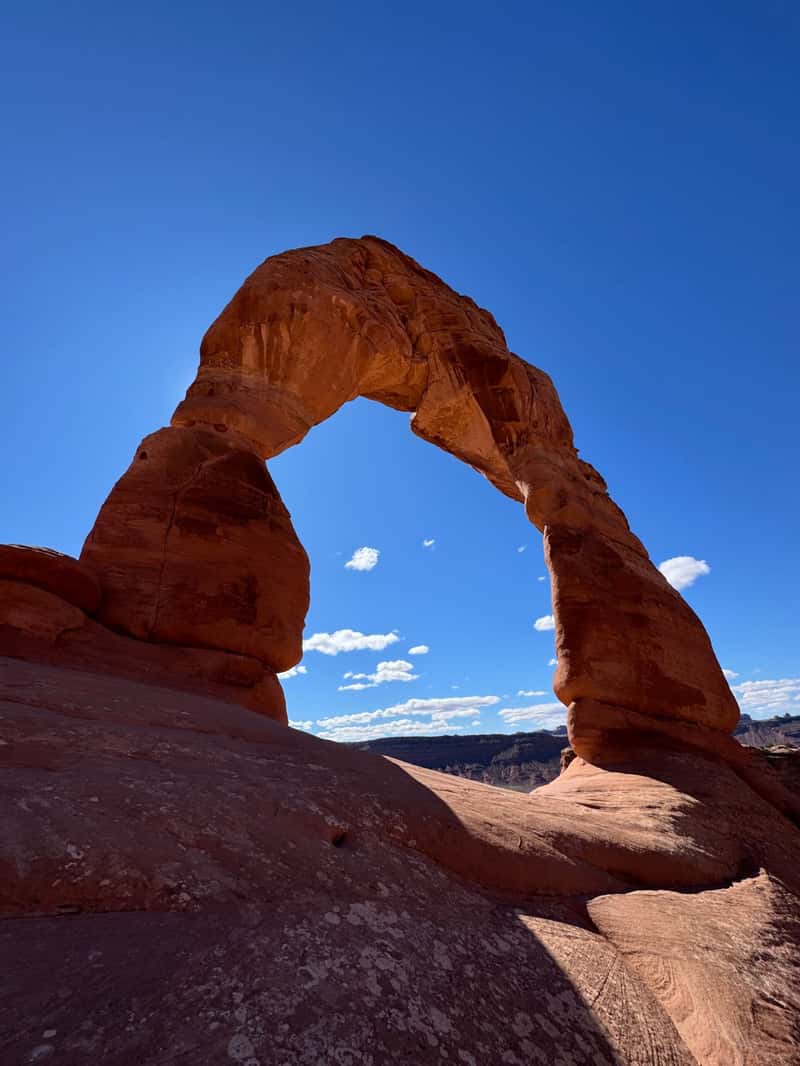
2. Arches National Park
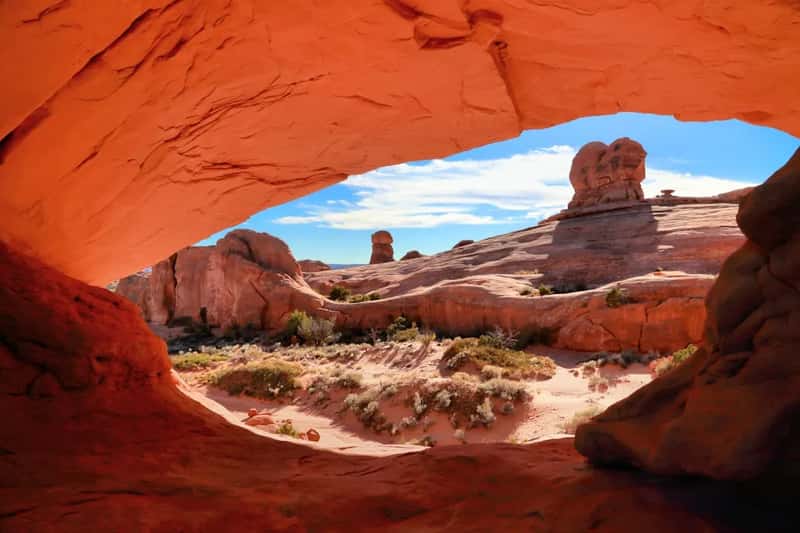
Arches spent four straight years under some form of timed entry before officials pulled back for 2026. Arches National Park announced in February 2026 that it will not require advanced timed-entry reservations this year, and visitors may enter the park at any time during operating hours. That decision followed a system that, in its final pilot season, ran from April 1 through July 6 and again from August 28 through October 31, applied daily from 7 am to 4 pm, and cost a $2 processing fee per vehicle.
The reprieve may not last. If 2026 summer crowds overwhelm the parking-closure system, the park has the authority to reinstate reservations. With visitation up sharply over the past decade, a near year-round schedule stretching from spring through fall is the most likely shape a comeback would take.
3. Zion National Park
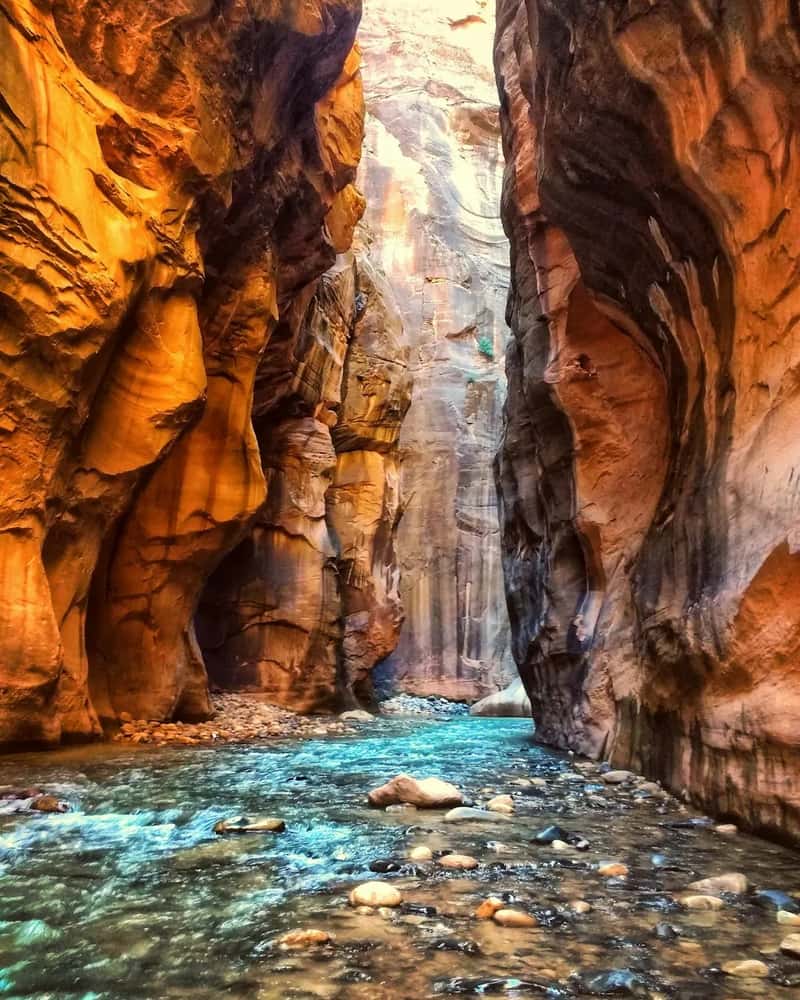
Zion is one of the most heavily visited parks in the country, drawing 4.9 million visitors in 2024, making it the 2nd most visited park that year. A timed entry pilot was tested there before being scrapped. The NPS canceled its timed-entry reservation system to enter the park, a system that was introduced in 2024 during peak periods in the spring and summer.
Even without a general entry reservation, Zion already runs on a de facto booking system for much of the year through its shuttle, which operates from March 7 through November 28, plus a holiday window December 26 through January 2. Add the year-round Angels Landing permit lottery into that mix, and Zion already behaves like a park that could formalize a park-wide, near year-round reservation structure without much friction.
4. Yosemite National Park
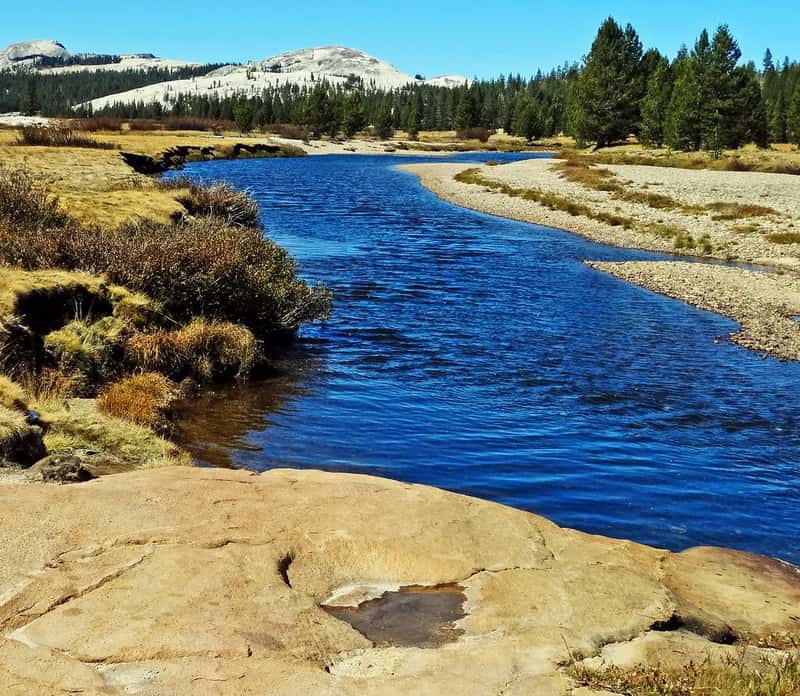
Yosemite has flip-flopped on reservations more than any other major park. Yosemite tried reservations off and on starting in 2020, and when the park paused them in 2023, some visitors waited nearly three hours at the gate. For 2026, the park went a different direction entirely. Yosemite National Park will not require advance reservations in 2026, including during peak summer months and the February–March firefall period, and will instead rely on real-time traffic management measures.
Not everyone is on board with that gamble. A California senator called the Yosemite decision shortsighted, saying it will hurt the visitor experience and strain nearby businesses, pointing out that the reservation system had worked well at preventing overcrowding during peak season. Yosemite pulled in 4.1 million people in 2024, putting it 6th on the most visited list that year, and given its on-again, off-again history, a return to reservations, potentially expanded, feels less like a possibility and more like a matter of timing.
5. Glacier National Park
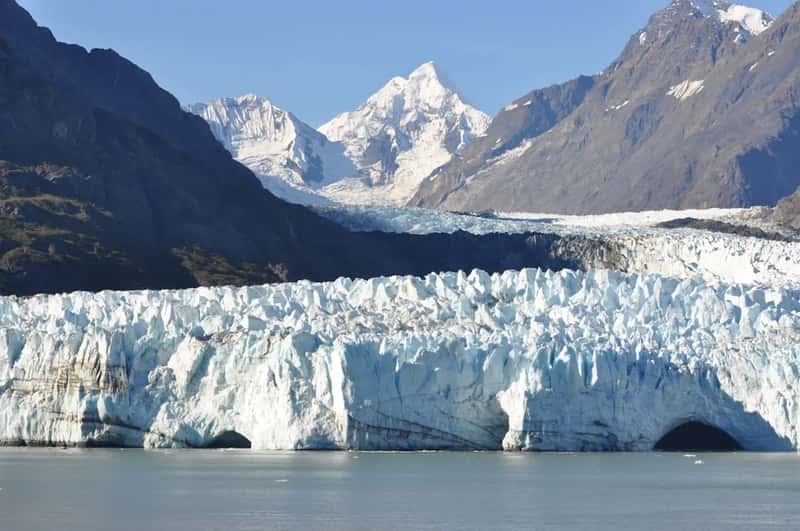
Glacier dropped its broad vehicle reservation requirement for 2026, but it didn’t abandon the idea of managing access altogether. Northern Montana’s Glacier National Park is piloting a ticketed-only shuttle system in 2026, requiring anyone planning to spend more than three hours in the park to book a shuttle to the alpine area of Going-to-the-Sun Road.
The reasoning behind ending the old system was as much about safety as convenience. The park’s superintendent said the reservation system did succeed in reducing midday traffic but created a safety issue, as the park saw an increase in early-morning traffic, telling a local chamber meeting that people driving in the dark to reach Logan Pass isn’t good for the park or the visitor. If the shuttle pilot doesn’t solve congestion at Logan Pass, a fuller, longer-running reservation system is the logical next step.
6. Acadia National Park
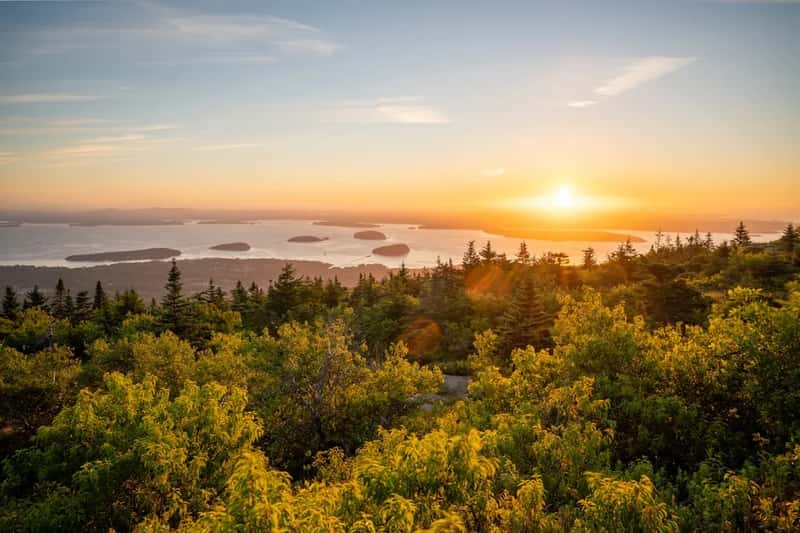
Acadia already runs a seasonal vehicle reservation for its most famous overlook, and the pressure to expand it keeps building. From May 20 to October 25, 2026, visitors need a reservation to drive the Cadillac Summit Road, Acadia’s most popular drive-up spot. The rest of the park remains open without a booking, since Cadillac Summit Road is the one road in Acadia with an advance reservation requirement, while most of the park is accessible without one.
What makes Acadia a candidate for something broader is simply the scale of growth it has absorbed. Acadia now draws over 4 million visits a year, a 60% surge in ten years, causing severe congestion at popular spots. The park has responded with infrastructure rather than restrictions so far, including a new $26 million Acadia Gateway Center in Trenton with 300 free parking spaces and Island Explorer bus connections, but if that growth continues, a wider reservation zone covering more of Mount Desert Island wouldn’t be surprising.
7. Mount Rainier National Park
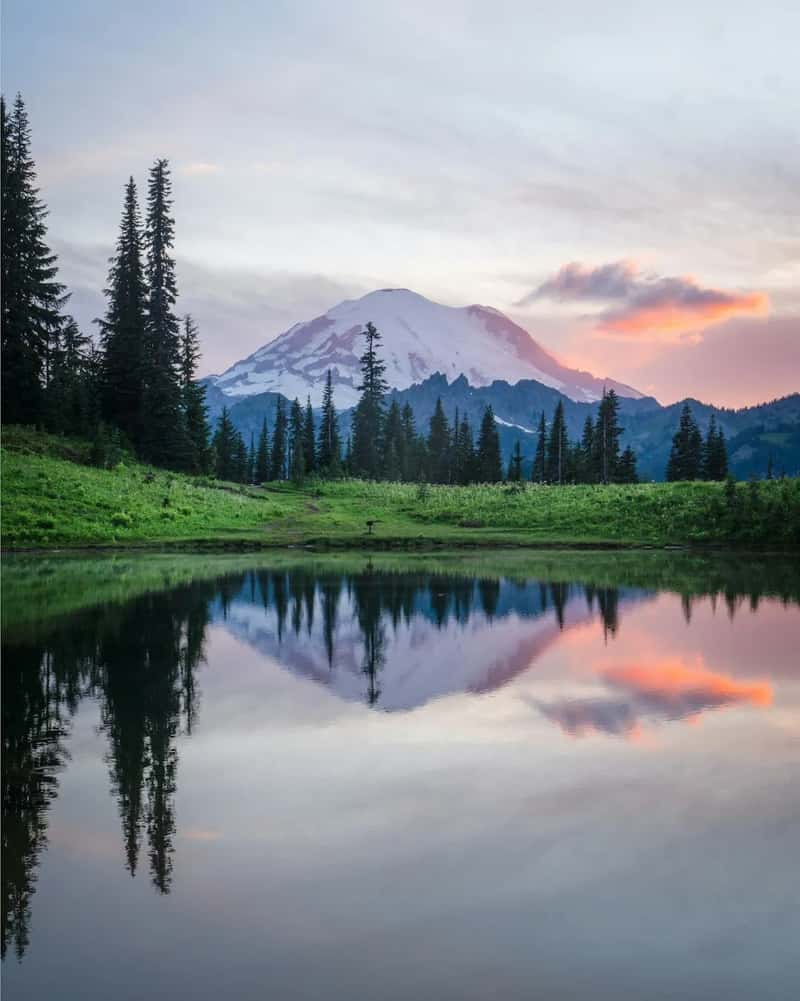
Mount Rainier’s reservation program shows how quickly these systems can appear and disappear depending on staffing, funding, and political direction. Mount Rainier discontinued its timed entry requirement for 2026, after requiring reservations for the Sunrise and Paradise areas in 2024 and 2025.
Those two zones, Paradise and Sunrise, are also the two spots where nearly all of the park’s summer traffic concentrates. A multi-year track record of needing reservations there suggests that if crowding rebounds without the booking system in place, officials have a ready-made model to bring back, possibly for a longer stretch of the year than before.
8. Haleakalā National Park
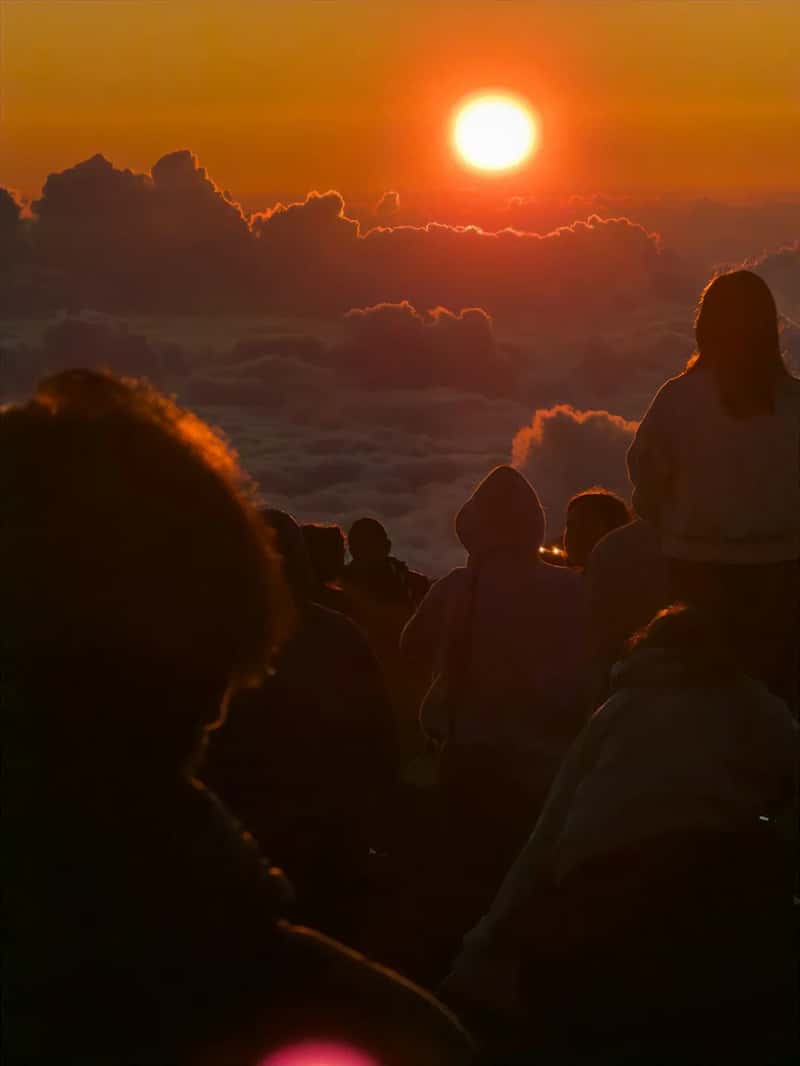
Haleakalā is the closest thing on this list to a park that already runs reservations every single day of the year, just for a narrow window. Sunrise viewing at the summit requires booking ahead, and the reasoning is purely about space. The summit parking area holds fewer than 100 vehicles, and with 1.2 million annual visitors, the sunrise rush created dangerous overcrowding.
Right now that system is limited to the pre-dawn hours between roughly 3 a.m. and 7 a.m. But sunset at the summit has become nearly as popular as sunrise among photographers and stargazers, and if crowding spreads to that window too, Haleakalā already has the operational playbook, and the parking math, to extend timed entry across more hours of the day.
9. Great Smoky Mountains National Park
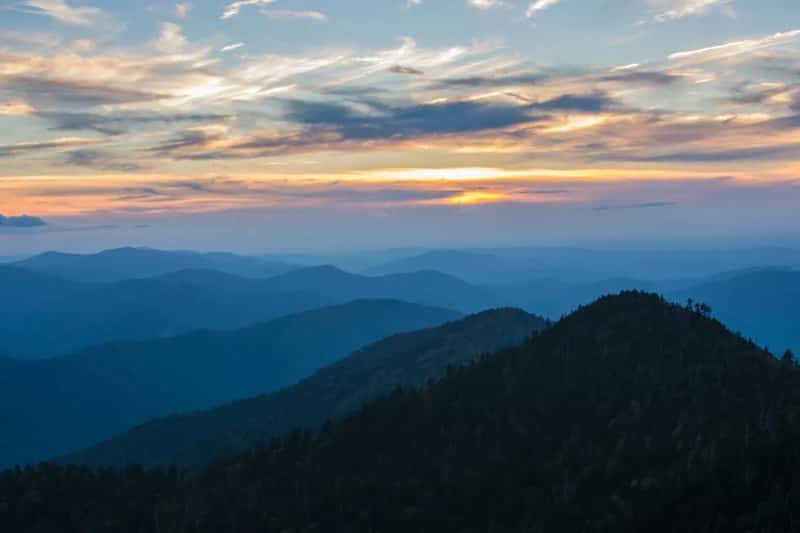
Great Smoky Mountains remains the busiest national park in the entire system by visitor count, yet it’s one of the few major parks that has never adopted a general timed entry requirement. Great Smoky Mountains does not have a timed entry system for general visitation, and visitors can show up normally.
The park isn’t a stranger to reservations, though. It already uses one for a single, wildly popular event. To manage crowds around the synchronous firefly display, which occurs for a few weeks each year in late May or early June in the Elkmont area, the park requires a vehicle reservation via lottery for firefly viewing. With national park visits hitting roughly 331 million across the whole system in 2024, and the Smokies absorbing more of that traffic than any other single park, a broader reservation pilot covering peak leaf season or the busiest summer weekends is a plausible next move.
Right now, only Rocky Mountain National Park runs a timed entry program in 2026, while Arches, Yosemite, Glacier, and Mount Rainier have all stepped back from systems they used in recent years. Acadia and Haleakalā keep narrower, site specific reservations in place, and Zion and Great Smoky Mountains rely on shuttle systems, lotteries, or event specific bookings rather than general entry limits. Whether any of these nine parks move toward a full, year-round reservation system will depend largely on how the 2026 season plays out on the ground.