Not every American town is a postcard-perfect destination. While travel guides often highlight the country’s most charming communities, there’s another side to the story that rarely makes it into glossy brochures. Some places struggle with persistent challenges that make even their own residents hesitant to recommend them to visitors. From economic decline to safety concerns, certain towns have earned reputations that locals themselves acknowledge with a knowing nod and a gentle warning.
What makes a town end up on this kind of list? It’s not just about statistics or crime rates, though those certainly play a role. Often, it’s a combination of factors, including economic hardship, infrastructure decay, and the slow erosion of opportunities that once made these places thrive. The residents who call these towns home aren’t being harsh when they suggest looking elsewhere. They’re simply being honest about the realities they face every day. Let’s take a closer look at ten American towns where locals themselves might steer you toward a different destination.
Gary, Indiana
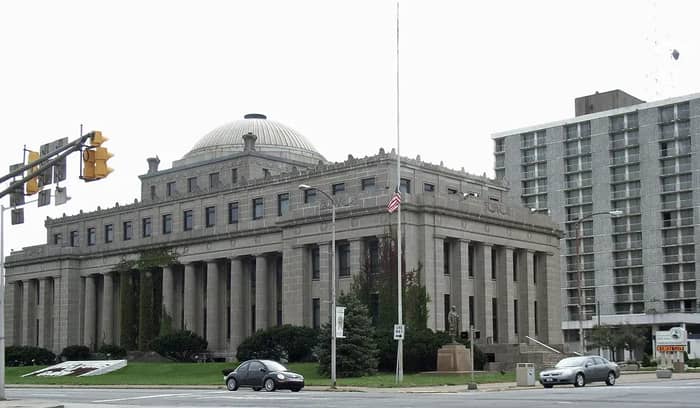
With a crime rate of 37 per one thousand residents, Gary has one of the highest crime rates in America, making it notorious among those familiar with the area. Gary’s population has declined from a peak of 200,000 to 69,100 in 2020, leaving behind blocks of abandoned buildings that create an eerie atmosphere. The city’s dramatic downfall came from the collapse of its steel industry, which once made it a thriving industrial hub.
While homicides saw a decline, falling from 52 in 2023 by 23% to a total of 40 cases, the lowest number recorded since 2018, the city’s reputation persists among residents who understand the challenges firsthand. Economic hardship continues to define daily life here, with many locals advising visitors to simply pass through rather than stop.
East St. Louis, Illinois
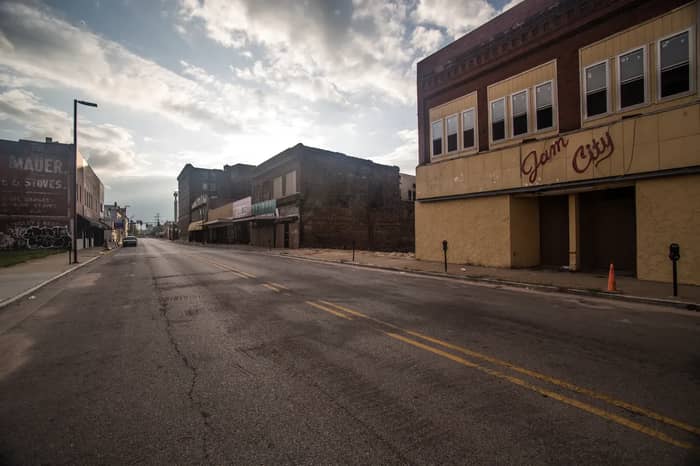
East St. Louis has claimed the nation’s highest per capita (per person) murder rate in recent years, establishing it as a place that troubles even longtime residents. Located just across the Mississippi River from its more prosperous namesake, this city has struggled with extreme poverty and systemic neglect for decades.
The economic devastation created a vacuum where crime flourished unchecked, and entire neighborhoods now sit largely vacant. Residents who’ve stayed often warn outsiders about the severity of conditions, particularly after dark. The stark contrast between East St. Louis and other metro areas nearby makes the situation even more glaring.
Memphis, Tennessee
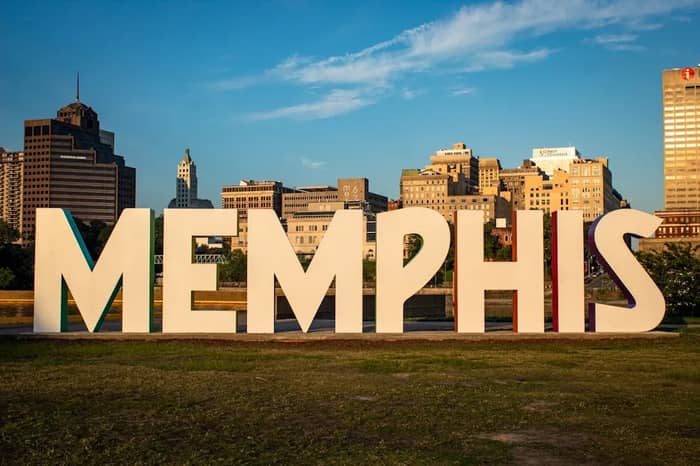
Memphis once again tops the list, with a violent crime rate nearly six times the national figure, cementing its position among America’s most troubled cities. Though famous for Elvis Presley and barbecue, Memphis has one of the highest violent crime rates in the country (at 24.37 per 1,000 people).
The city battles persistent challenges with aggravated assault and property crime that affect both residents and visitors. In 2024, total crime in Memphis dropped by roughly 13.3%, with homicide down about 30% and motor vehicle theft down nearly 39%, showing some recent improvement. Still, locals frequently caution against venturing into certain neighborhoods, advice that shouldn’t be dismissed lightly.
Birmingham, Alabama

The large city with the highest cost of crime rate was Birmingham, Alabama. The violent crime rate in Birmingham was 1,682 per 100,000 residents. Birmingham, Alabama, has a significant crime rate, with 77 incidents per 1,000 residents. The risk of becoming a victim of violent or property crime in Birmingham is 1 in 13. Despite its historical significance in the civil rights movement, the city grapples with deep economic divisions that fuel ongoing violence.
Birmingham has long struggled with violence tied to poverty, gun access, and concentrated disadvantage. Thankfully, homicides have declined since 2024, but violent crime overall has increased. Many longtime residents express frustration over the slow pace of change, particularly in neighborhoods still reeling from disinvestment.
Detroit, Michigan
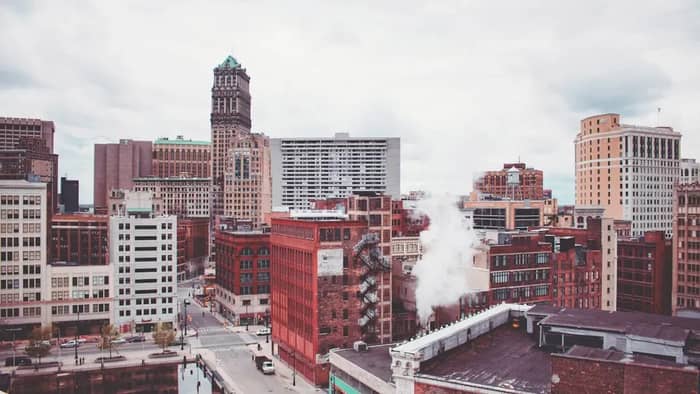
With one of the highest violent crime rates in the nation, Detroit consistently ranks as the most dangerous city. The high rate of violent crimes per capita has ultimately resulted in urban decay and rapid population decline. In Detroit, the population decreased 7.8% since 2017, leaving entire city blocks with boarded-up homes and crumbling infrastructure.
Once the proud heart of American automotive manufacturing, Detroit’s collapse created conditions that persist today. Property crime remains rampant, with theft and burglary affecting residents across various neighborhoods. Locals warn that some areas should be avoided entirely, especially for those unfamiliar with the city’s complex geography.
Bessemer, Alabama

As per multiple studies and analyses, Bessemer has been identified as the most dangerous city in the U.S. coming into 2024. Bessemer, Alabama, has a concerning crime rate of 113 incidents per 1,000 residents. This small city south of Birmingham faces extraordinary challenges that dwarf those of many larger cities.
Economic decline stripped away jobs and opportunities, leaving behind communities struggling with poverty and crime. Residents describe a sense of hopelessness as local services deteriorate and businesses close. The city’s reputation has become so concerning that even neighboring communities issue warnings about passing through after sunset.
St. Louis, Missouri
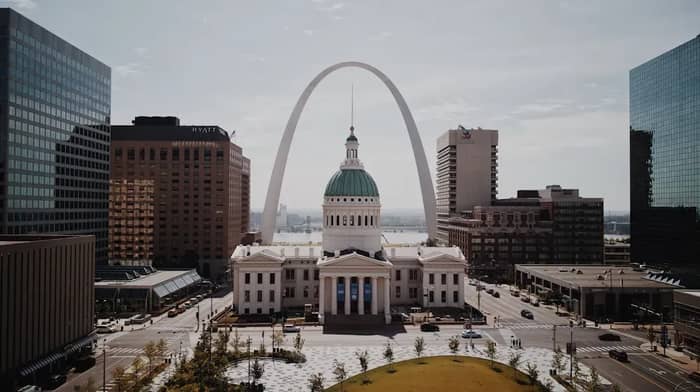
St. Louis, Missouri, holds the dubious distinction of being one of the most dangerous cities in the United States. With a violent crime rate of 14.70 per 1,000 residents, St. Louis experiences a high volume of aggravated assaults. St. Louis has seen its population decrease by 1.55%, bringing the total to around 281,000 residents. This decline is part of a long-term trend that has affected many Rust Belt cities.
Once a prosperous gateway to the west, St. Louis now struggles with profound urban challenges that affect daily life. Recent data shows that juvenile crime accounts for a disproportionate share of violent incidents, with relaxed firearm regulations contributing to the 85% firearm-related homicide rate. Locals familiar with the city’s layout advise extreme caution in certain districts.
Little Rock, Arkansas
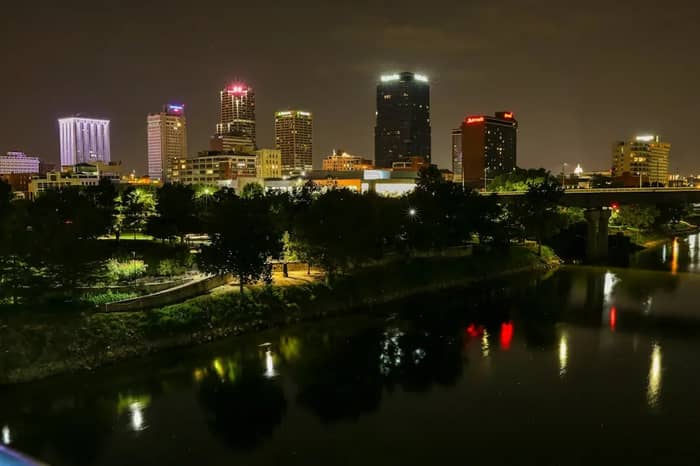
Little Rock’s crime landscape is heavily marked by violent crime, particularly aggravated assault. The violent crime rate of Little Rock is 18.25 per 1,000 residents. Memphis, Tennessee; Detroit, Michigan; and Little Rock, Arkansas all saw more violent crimes per capita than many comparable cities nationwide.
Despite its role as the state capital, Little Rock battles persistent violence that overshadows its natural beauty along the Arkansas River. Little Rock has a big gang presence, which contributes to the violent crime numbers. The city’s challenges reflect broader issues with poverty and limited economic opportunities that trap residents in cycles difficult to escape.
Cleveland, Ohio
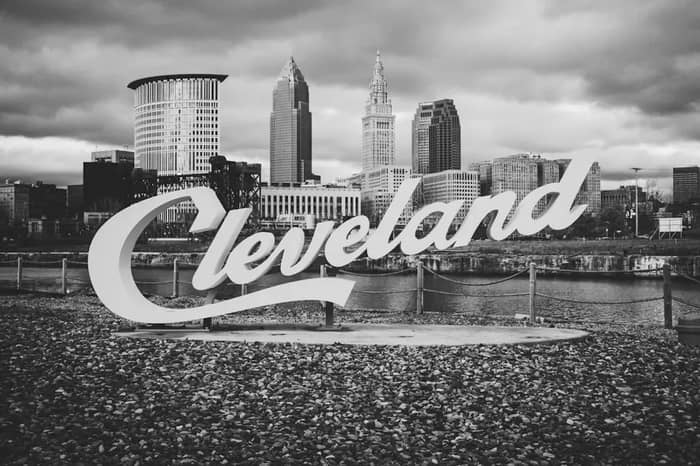
Cleveland boasts a disturbingly high crime rate, with 56 incidents per 1000 residents. This places it among the top cities in America with the highest crime rates. Cleveland had 7,292 violent crime incidents last year. Property crime is 201% higher than the national average. Once a manufacturing powerhouse on Lake Erie, Cleveland has experienced decades of population loss and economic struggles. Cleveland has struggled with poverty and high unemployment for years. The city is declining in population, which leads to abandoned properties and weakened communities where crime flourishes. Locals point out that while some neighborhoods have improved through revitalization efforts, others remain deeply troubled and should be approached with serious caution.