For years, the second-home playbook for American, British, and Canadian buyers looked predictable: a beach condo in Florida, a villa in Tuscany, maybe a bungalow in Costa Rica. That script is being rewritten. Rising home prices, stubborn mortgage rates, and a growing appetite for lifestyle diversification have pushed buyers toward markets that barely registered on anyone’s radar a decade ago.
What’s driving this shift isn’t just affordability, though that’s a huge piece of it. Remote work flexibility, new residency-by-investment programs, and a genuine curiosity about life outside the usual tourist circuit are pulling Western buyers into places once considered too obscure, too remote, or too complicated. Here are nine destinations where that quiet migration is happening right now.
1. Albania’s Riviera Coast
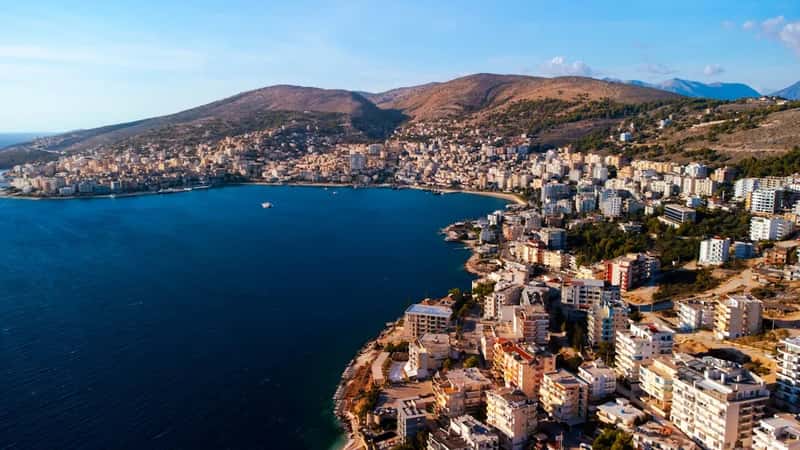
Albania has quietly become one of the last affordable stretches of Mediterranean coastline in Europe. Albania is one of the last affordable Mediterranean property markets in Europe, with prices a fraction of what buyers pay in Greece, Croatia, or Montenegro for comparable coastal locations.[1] Towns like Ksamil, Saranda, and Vlora are drawing a mix of vacation-home buyers and investors chasing rental income along a coastline most Westerners couldn’t have pointed to on a map five years ago.
The appeal goes beyond price. Tourism has been growing fast, with over 12 million visitors in 2025, and Albania is an official EU candidate with accession talks underway, which historically pushes property values up 30 to 50% in the years before a country joins.[1] Foreign buyers face few restrictions too, since foreign citizens can buy most types of real estate in Albania, including apartments, houses, villas, and commercial properties, with no restrictions based on nationality and no visa or residence permit required to purchase.[1]
2. Punta del Este, Uruguay
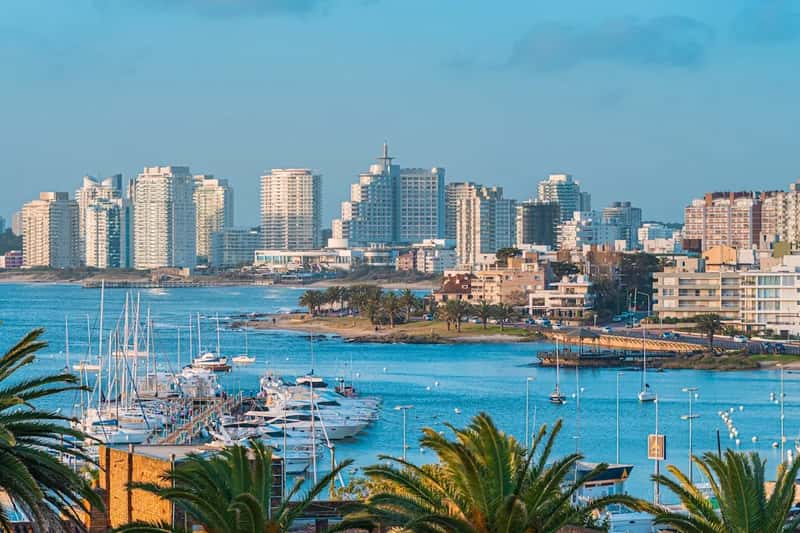
Uruguay has long been a summer playground for wealthy Argentines and Brazilians, but that’s changing fast. A demographic shift is reshaping the negotiation landscape, with buyers from the Northern Hemisphere arriving with different expectations regarding amenities, build quality, and transaction speed, and their presence injecting liquidity into the market.[2] Punta del Este in particular has moved from a seasonal getaway to something more permanent for international buyers seeking stability.
The numbers back up the momentum. Punta del Este is transitioning from a seasonal resort to a year-round luxury residence, with demand now driven by buyers prioritizing stability, security, and advanced amenities, as Uruguay emerges as a primary focal point for global capital in South American luxury real estate.[2] Prices reflect that shift as well, with property prices in the coveted region recording a 10% average increase in mid-2025 over the previous year, with luxury and beachfront segments seeing appreciation rates exceeding 12%.[2]
3. Japan’s Cities and Countryside
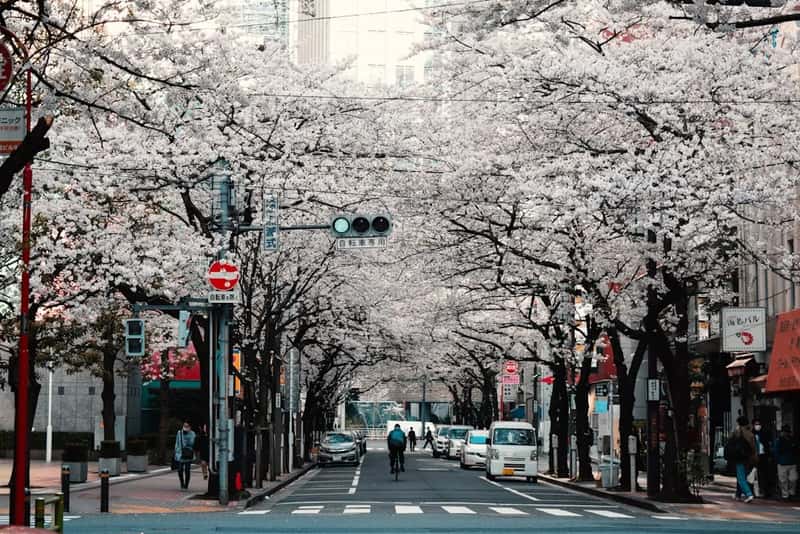
Japan doesn’t fit the typical second-home narrative, yet it’s become surprisingly attractive to foreign buyers thanks to a straightforward ownership system. One of Japan’s most appealing features for overseas property buyers is how straightforward it is to own real estate here, since unlike many other countries in Asia, there are no legal restrictions on foreign ownership, and non-residents can purchase freehold property outright, just like Japanese citizens.[3] That simplicity, combined with a historically weak yen, has made Tokyo and Osaka apartments look like bargains to Western buyers.
The investment scale is no longer a rounding error either. Foreign investment has played an increasingly significant role in this expansion, with overseas buyers now accounting for around 27% of all property transactions nationwide, and total foreign real estate investment in Japan reached approximately $15.7 billion USD in 2024, a 12% year-over-year increase.[4] Beyond the major cities, a smaller but growing number of buyers are exploring rural akiya, Japan’s abandoned countryside homes, though most serious international buyers still focus on properties that offer stronger value retention and rental potential[3] rather than fixer-uppers in remote villages.
4. Tbilisi, Georgia
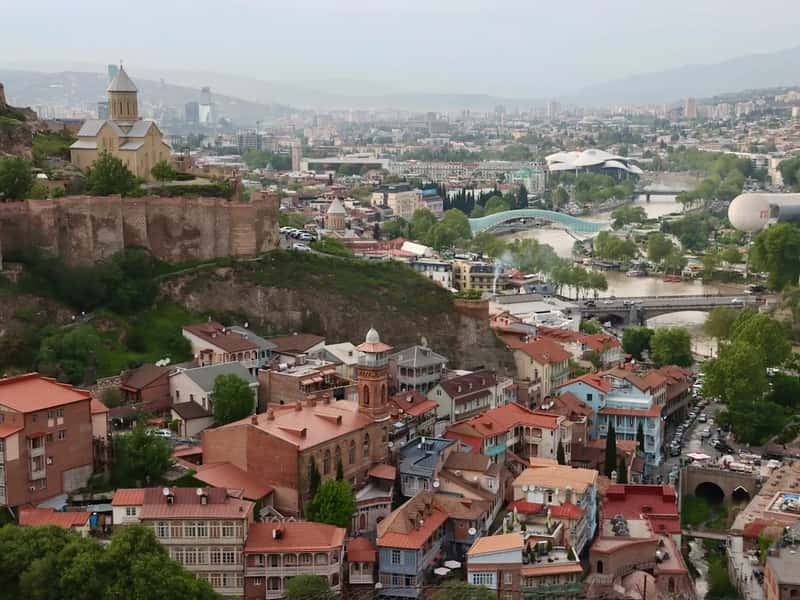
The country of Georgia, wedged between Europe and Asia, has emerged as an unlikely favorite for buyers hunting for high yields and low barriers to entry. The beauty of investing in Georgia lies in its affordable real estate market, where money goes further than in many other countries, and there is no property tax and a low rental income tax, making it a good option for those seeking high returns.[5] That combination has turned Tbilisi into something of a word-of-mouth destination among international property investors.
Rental returns are a major part of the pitch. A flat in central Tbilisi, Georgia, may yield up to 8% annually, especially if rented short-term to tourists or digital nomads.[6] Add in a real estate residency program that offers a straightforward path to residency and, eventually, citizenship, along with ease of doing business and a growing expat community[5], and it’s easy to see why Georgia keeps showing up on lists of overlooked markets.
5. Limassol and Paphos, Cyprus
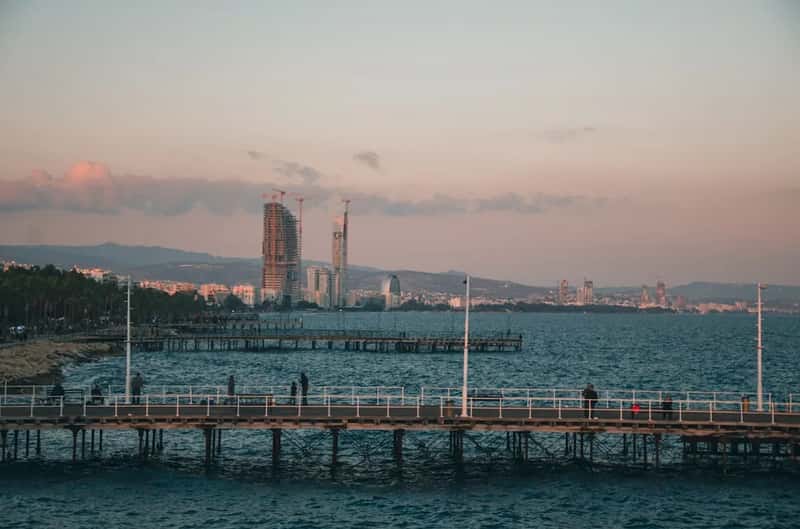
Cyprus has moved well past its reputation as a niche offshore-banking haven and into genuine second-home territory for Western Europeans. The Cyprus property market is experiencing unprecedented momentum in 2025, with record-breaking sales figures and sustained price growth across all central districts, as international investors flock to this Mediterranean island paradise.[7] Limassol has become the standout, commanding the island’s highest prices.
Foreign demand is doing much of the heavy lifting here. Over 56% of transactions are from international buyers, particularly in high-end segments, with consistently high demand for luxury, business, and buy-to-let opportunities.[7] Price growth has been sharp too, with apartment prices surging by more than 20% and houses by over 30% between 2024 and 2025[7], a pace that’s turned casual lookers into committed buyers before prices climb further.
6. Antalya, Turkey
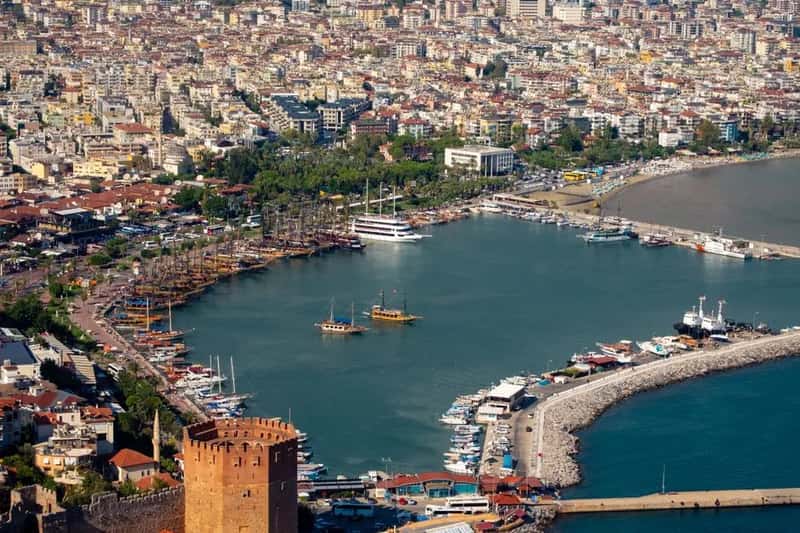
Turkey’s Mediterranean coast has become a magnet for buyers chasing both sunshine and yield. Antalya, in particular, offers a rare mix of established tourism infrastructure and prices that still feel reasonable by European standards. It has quietly become one of the more talked-about entries on international property shortlists over the past two years.
The rental math is a big part of the draw. In Antalya, Türkiye, seafront apartments can generate rental yields of 7% or more, driven by year-round tourism and growing expat demand.[6] Some pockets perform even better, with high-demand locations like Dubai, Antalya, Budva, central Athens, or the Algarve seeing yields reach 8 to 11%, particularly in tourist-heavy areas.[8]
7. Medellín and Bogotá, Colombia
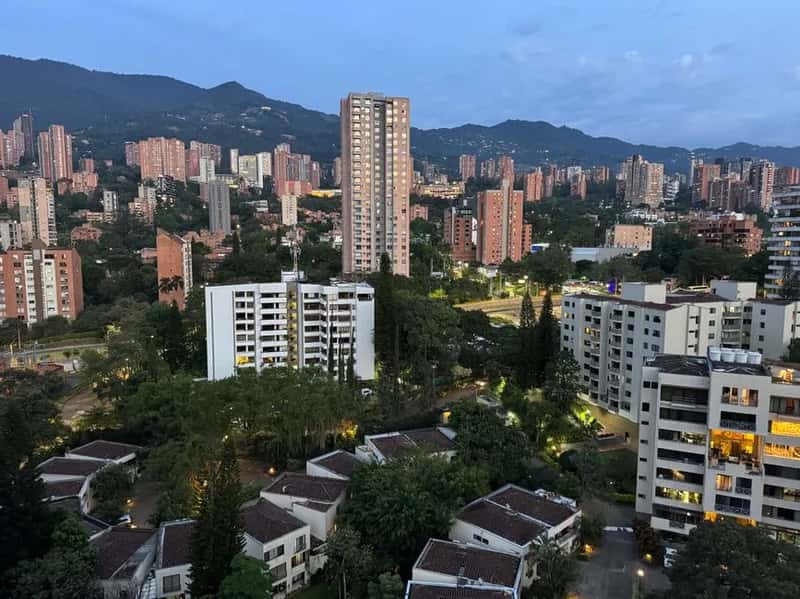
Colombia has shaken off much of its old reputation and turned into a legitimate contender for value-driven second-home buyers. Medellín’s spring-like climate and Bogotá’s growing economic base have both attracted attention from Americans priced out of more established Latin American markets like Mexico’s coastal hotspots.
Investment appeal here rests heavily on affordability and access. Bogotá offers vibrant culture and an emerging real estate sector, and a minimum investment of around $35,000 in a Colombian business can secure a residency permit, though buying property in your own name is often the smarter move for the best value.[5] For buyers willing to look past the headlines of years past, Colombia now offers a direct path to citizenship through real estate investment, with relatively low financial requirements[5], something few Latin American countries can match.
8. Belize’s Coastal and Jungle Enclaves
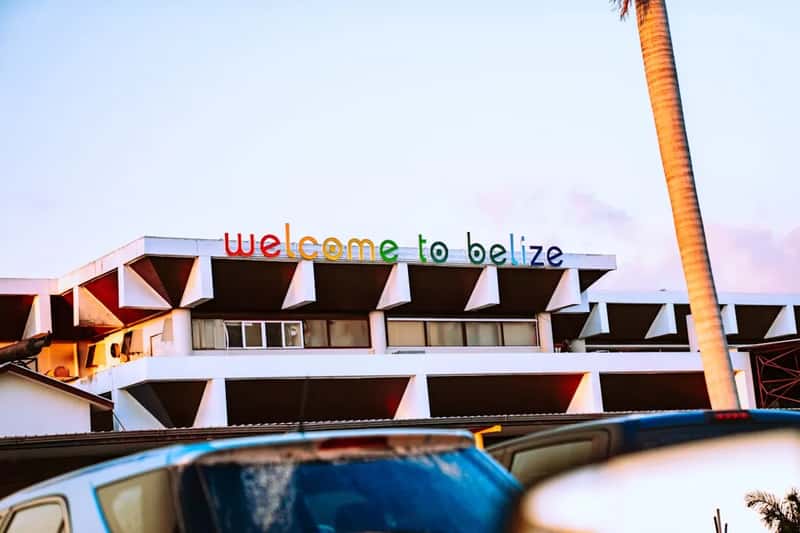
Belize occupies an odd niche: English-speaking, close to the United States, yet still far enough off the beaten path that most Western buyers overlook it entirely. Small, tight-knit expat communities have formed around a handful of towns, each offering a distinctly different lifestyle rather than a single cookie-cutter beach-town experience.
The variety is part of the appeal. Best expat areas include Ambergris Caye for island life, Placencia for laid-back beaches, the Cayo District for mountain eco-living, and Corozal for a budget-friendly northern town.[9] That range lets buyers pick a lifestyle first and a property second, something few Caribbean-adjacent markets can genuinely offer at Belize’s price points.
9. Kuala Lumpur and Penang, Malaysia
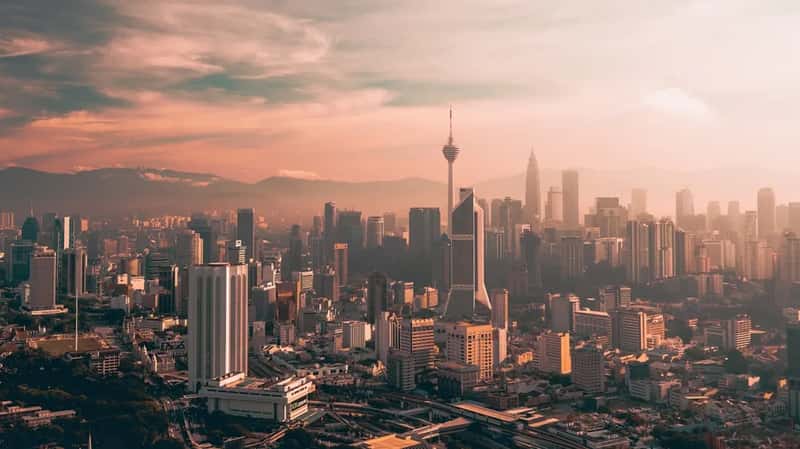
Malaysia doesn’t get nearly the attention that Thailand or Vietnam receive, yet it quietly checks a lot of boxes for Western buyers looking for value in Southeast Asia. Kuala Lumpur’s modern infrastructure paired with Penang’s colonial charm and beaches has made the country a sleeper pick among more seasoned international property investors.
Policy has helped make the case. Malaysia offers foreign direct investment and investor-friendly policies, affordability and easy residency options for expats[5], a combination that’s rare in a region where foreign ownership rules can otherwise be restrictive or confusing. That accessibility, paired with a lower cost of living than neighboring Singapore, continues to draw a steady trickle of Western retirees and remote workers.
None of these markets are without risk. Currency swings, unfamiliar legal systems, and construction quality can vary wildly from what buyers are used to at home, so due diligence still matters just as much abroad as it does down the street. Still, the pattern is unmistakable: Western buyers are no longer confining their second-home search to the usual suspects, and the places benefiting from that shift are often the ones nobody expected a few years ago. Whether this trend keeps accelerating or cools alongside global interest rates remains to be seen, but for now, the map of where Westerners buy vacation property looks a lot bigger, and a lot stranger, than it used to.