
There’s a particular kind of exhaustion that comes from a whirlwind vacation, the kind where you land back home and immediately need a vacation from your vacation. If that sounds familiar, you’re not alone, and you’re also not imagining the shift happening around you. A growing number of travelers are trading packed itineraries and five-city-in-five-days trips for something calmer: staying put, breathing in one place, and letting a destination reveal itself slowly instead of rushing to check boxes.
This isn’t a fringe idea anymore. It’s showing up in search trends, hotel industry reports, and tourism board data across 2025 and 2026. This guide walks through what slow travel really means, why it’s gaining so much traction right now, and how you can start practicing it on your very next trip, even if you’ve only got a week to spare.
What Slow Travel Actually Means
At its core, slow travel is about depth over distance. Rather than sprinting between must-see landmarks, it means staying in fewer places or immersing in a local culture for an extended time, often built around rest, relaxation, or unplugging from work emails, social media, or television. It’s less a rigid rulebook and more a mindset shift, one that values how a place feels over how many places you can list afterward.
The philosophy actually has roots outside of tourism entirely. It started in 1986, when Carlo Petrini launched the Slow Food movement as a response to the rise of fast-food culture, and by the late 1990s this philosophy had expanded beyond gastronomy into tourism. The underlying idea has stayed remarkably consistent since then: prioritise quality over speed, and rather than rushing between cities, travellers immerse themselves in one place, reducing the carbon emissions associated with frequent transport.
The Numbers Behind a Rising Movement
This isn’t just a nice idea circulating in travel blogs. Search data backs it up in a big way. According to Google’s travel trend reporting, “slow travel” hit an all-time high in interest, with search interest in “slow travel Italy” up 100% in the past month as of early 2026. Even niche searches reflect the pattern, with “month long hotel stay” and “month long yoga retreat” ranking among the top trending “month long” searches.
Industry surveys tell a similar story across regions. The European Travel Commission’s Long-Haul Travel Barometer found that slow travel is gaining momentum, increasing from 22% in 2025 to 26% in 2026 among long-haul visitors to Europe. Meanwhile, market research firm Euromonitor observed a broader mindset change at the industry level, noting that “revenge travel” is now a thing of the past, with consumers slowing down and travelling more meaningfully, even if that means they travel less often.
Why Overtourism Is Pushing People Toward a Slower Pace

Part of what’s driving this shift is simple burnout, both for travelers and for the destinations themselves. Iconic hotspots have become so crowded that the experience of visiting them can feel more stressful than joyful, and that frustration is nudging people toward alternatives. Data from Booking.com reflects this directly, with 67% of travelers saying they want to visit less crowded destinations, such as Trieste, Italy and João Pessoa, Brazil, rather than the same handful of oversaturated cities everyone else is visiting.
Hilton’s trend research points to a similar pattern of travelers spreading out geographically instead of clustering in the same few places. The hotel chain reported that with slow travel on the rise, more travelers are exploring secondary cities and destinations instead of the overcrowded tourist hotspots, with Sardinia, a longtime getaway for Italians, now seeing an uptick of travelers. It’s a quiet but meaningful redistribution of tourism, one that benefits lesser-visited communities while easing pressure on the usual suspects.
The Environmental Case for Slowing Down

Slow travel isn’t just about personal comfort, it carries real weight from a sustainability standpoint. Tourism’s transport footprint is not trivial: before the COVID-19 pandemic, transport-related emissions from tourism represented 5% of all man-made emissions, with air transportation seen as one of the main sources of CO2 emissions in the industry. When you’re not hopping on a flight every two or three days to reach the next city, that footprint shrinks considerably.
The math on transportation choices is also fairly stark once you look at it directly. Research comparing modes of transport found that planes emit 0.25kg of CO₂ per mile, while trains release just 0.04kg, a difference that adds up quickly across a multi-stop itinerary. Slow travel’s emphasis on staying put and using local, low-impact transport for day trips plays directly into reduced carbon footprints, since when travelers spend more time in one location rather than rushing between multiple destinations, they typically generate fewer emissions overall.
What It Means for Your Wallet
Slower trips tend to be gentler on your budget too, though not always in the way people expect. It’s less about finding rock-bottom prices and more about avoiding the compounding costs of constant movement: fewer flights, fewer taxis, fewer rushed meals at overpriced spots near tourist attractions. Staying in one apartment or rental for two weeks instead of bouncing between four hotels also tends to unlock better nightly rates.
There’s also a case to be made for where that money actually goes. Research on vacation rentals suggests that spending longer in one place strengthens local economies, since independent vacation rentals typically reinvest about 70% of their revenue within the community, unlike multinational hotel chains. That’s a meaningful distinction if you care not just about stretching your travel budget, but about who actually benefits from it.
Choosing a Base: The One-Place Philosophy
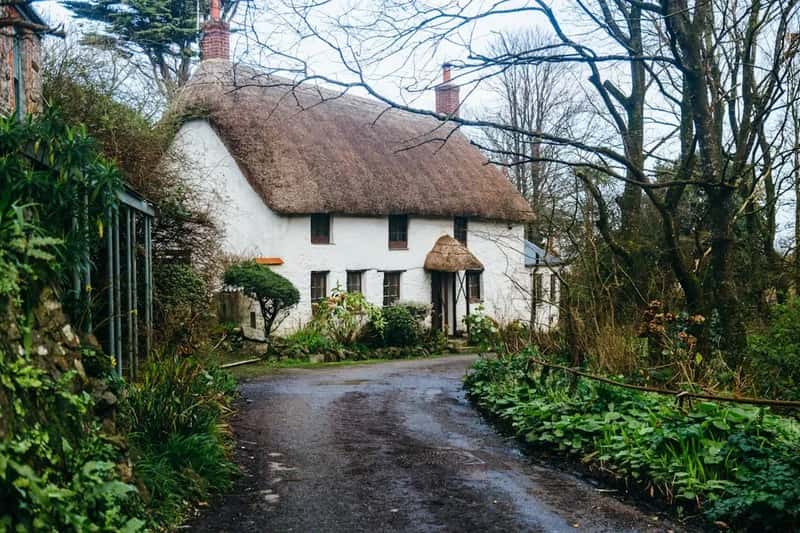
The heart of slow travel is picking a single home base and staying there, rather than checking into a new bed every night or two. This could be a rented apartment, a countryside cottage, or a small guesthouse in a town most tourists skip over entirely. From that base, you take day trips to nearby areas rather than repacking your bags every morning.
This approach naturally opens the door to overlooked places. As one sustainability-focused travel piece put it, slow travel allows you to uncover some of the in-between spots, often overlooked and, as a result, not overcrowded, and going off-piste sometimes results in encounters with the most charming people and places. The type of accommodation matters here too. Many slow travelers gravitate toward rentals like houses, cottages, apartments and villas, which allow for an immersive experience, getting to know the neighbourhood, the ambience and the food, with visits to local markets to buy fresh ingredients and cook meals becoming part of the trip itself rather than an afterthought.
Getting Around Once You’ve Slowed Down
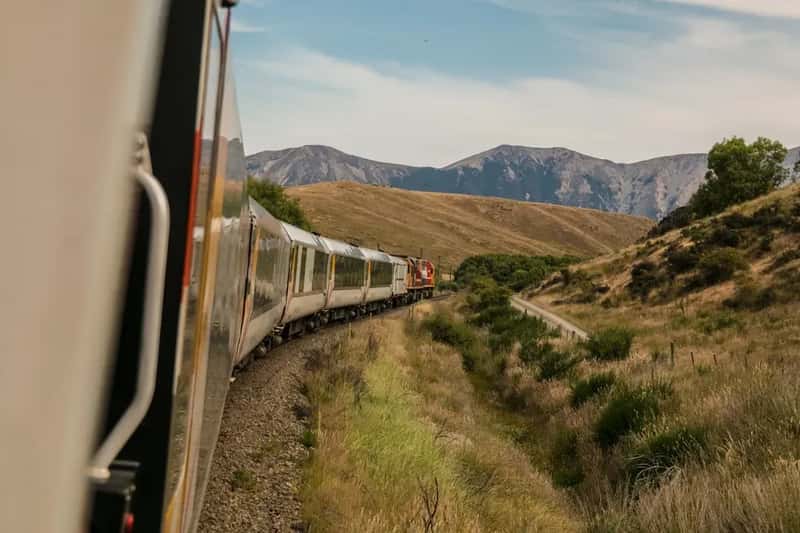
How you move matters almost as much as where you stay. Slow travel tends to favor trains, buses, bikes, and walking over flights and rental cars, both for environmental reasons and because these modes let you actually see the landscape between destinations instead of watching it disappear beneath a plane’s wing. Rail travel in particular has seen a resurgence, with train journeys increasingly framed as part of the experience rather than a necessary evil to endure.
Luxury rail is even part of this story now. Reporting on Italy’s tourism landscape notes that luxury rail journeys, like the La Dolce Vita Orient Express, let travelers explore multiple regions in comfort while enjoying a relaxed, unhurried pace. You don’t need a luxury train ticket to apply the same principle on a smaller scale though. Regional trains, local buses, and simply walking further than you’d normally consider can turn transit time into some of the most memorable parts of a trip.
Building Real Connections, Not Just Collecting Photos
One of the quieter rewards of slow travel is the shift from being a spectator to being, briefly, part of a place. When you have three weeks in a town instead of three days, you start recognizing the baker, learning which café has the good outdoor seating, and picking up enough local phrases to order without pointing at a menu. Hilton’s research backs up how central this has become to modern travel motivations, finding that Slow Travel, immersing oneself into a destination for an extended time as a local to fully experience the culture, is gaining popularity, driven by a desire to build connections with others and their surroundings during their stay.
This kind of immersion also seems to carry benefits that go beyond the trip itself. Broader research on travel and wellbeing has found that travel makes people more creative, improves problem-solving skills, and builds cultural sensitivity, benefits that arguably deepen the longer and more intentionally you engage with a place rather than skimming its surface. Slower trips simply give those effects more room to take hold.
Getting Started: Practical First Steps

You don’t need a month off work or a one-way ticket to try slow travel. Start small: on your next trip, cut your destination list in half and add the freed-up days to the places that remain. Book a rental with a kitchen instead of a hotel room, and commit to at least one day with genuinely no plans beyond wandering and seeing what you find.
If you’re used to a jam-packed itinerary, this can feel uncomfortable at first, almost like you’re wasting time. Give it a chance anyway. The mindset behind this approach is well summarized by researchers studying the movement, who note that slow travel can be a solution for seeing the world while minimizing one’s contribution to the climate crisis, with the focus on replacing stuffed itineraries with mindfulness. Once you’ve tried it, it’s hard to go back to the old way of racing through a place just to say you’ve been there.
A Different Way to Measure a Good Trip

Slow travel asks you to redefine what a successful vacation even looks like. Instead of counting countries visited or landmarks photographed, the measure becomes how well you actually got to know a place, however small that place might be. It’s a shift that benefits travelers who come home genuinely rested rather than depleted, and it benefits the communities that get to share their home on their own terms rather than as a backdrop for a rushed photo op.
None of this means big, ambitious trips are wrong or that you need to abandon your bucket list entirely. It simply means there’s real value in occasionally choosing fewer stops and more time, in trading the next flight for one more afternoon in the town you’re already in. Sometimes the best souvenir isn’t a photo from twelve different cities, but the quiet memory of one place you actually got to know.