Holiday travel often means locking the door and heading out, yet a single overlooked detail can turn a relaxing trip into an expensive headache. In freezing weather, experts advise keeping the thermostat no lower than 55 degrees to protect pipes from bursting. That threshold, along with several other practical steps, helps keep homes secure and functional while owners are away. ([1])
The Temperature Rule That Prevents Costly Damage
Freezing temperatures pose a quiet risk to unoccupied homes. Water in pipes along exterior walls or in crawl spaces can expand and cause bursts when the mercury drops. Setting the heat at 55 degrees or higher allows warmth to circulate and reduces that chance. Opening cabinet doors under sinks further helps heat reach vulnerable lines. Knowing the location of the main water shut-off valve provides an extra layer of protection if issues arise.
Handling Mail, Packages, and Daily Deliveries
Uncollected mail and packages quickly signal an empty house to anyone watching. Requesting a mail hold through the postal service pauses deliveries for several days to a month. The service works for letters and many packages, though separate arrangements are needed for other carriers. Scheduling the hold to start on the first day away avoids piles that might otherwise accumulate. A trusted neighbor can also collect items if a formal hold is not feasible.
Reducing Fire and Electrical Risks
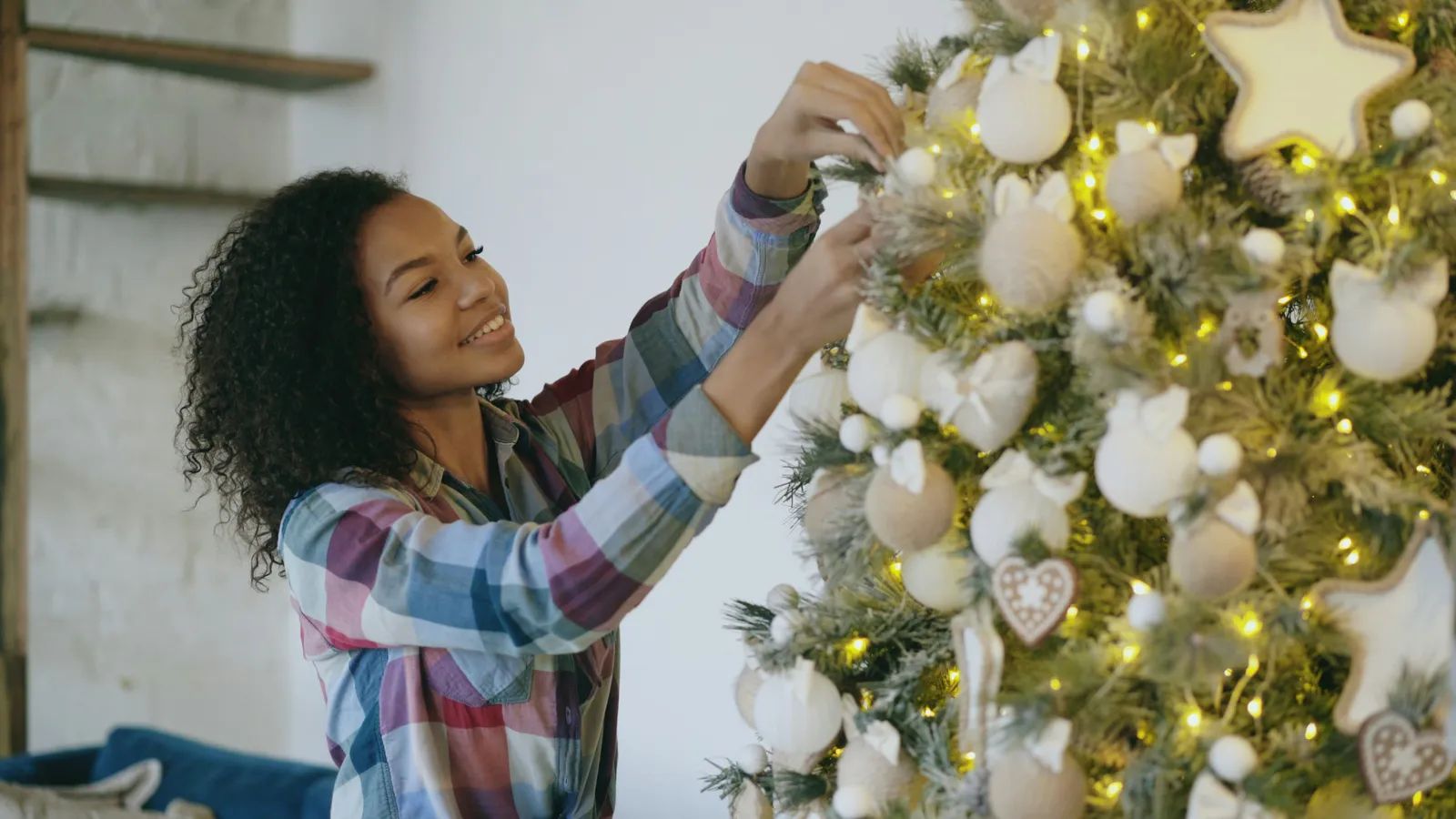
Holiday decorations add warmth and cheer, but they also introduce hazards when left unattended. Tree lights and other electrical displays should be turned off before departure. Countertop appliances benefit from being unplugged entirely rather than simply switched off. Stoves and ovens require a final check to confirm they are not in use. These steps lower the chance of overheating or accidental ignition while the house sits empty.
Managing Food, Waste, and the Lived-In Look
Leftovers spoil quickly and can create odors or attract pests if ignored. Refrigerating food within two hours of cooking and using shallow containers extends safe storage for a few days. Anything that would exceed that window should be frozen or discarded before leaving. Taking out the trash on collection day prevents another obvious sign of absence. Timers on lights and a car parked in the driveway help maintain an occupied appearance without announcing travel plans online.
Final Walkthrough and Trusted Support
A last pass through each room confirms that appliances are off, windows and doors are secured, and the alarm is set. Leaving a spare key with a neighbor or friend allows quick access if needed. Some local police departments offer vacation checks that involve periodic exterior patrols. Providing contact details and basic instructions for plants or pets ensures any helper can respond effectively. These measures together create a reliable safety net for the duration of the trip.