Most hotel guests walk up to the front desk, mumble their name, hand over a credit card, and that’s it. Room assigned, key handed over, done. What they don’t realize is that in those thirty seconds, they’ve already missed their best chance at a free upgrade, a better view, or a small but genuinely meaningful surprise waiting in their room.
The concierge world runs on human connection. It always has. Knowing the right thing to say, and how to say it, can completely change how your stay unfolds. So let’s get into the nine phrases that actually work, straight from the other side of the front desk.
1. “I Booked Directly Through Your Website – I’m Looking Forward to This Stay”

Direct bookings are expected to represent roughly half of all online hotel bookings, and hotels take that seriously. When you mention that you booked directly, you’re immediately signaling that you bypassed third-party platforms, something the hotel financially appreciates. That goodwill translates into real action at the desk.
Hotels have long been wary of overreliance on bookings from online travel agencies, because OTA bookings come at a cost, and hotels benefit significantly from cutting out the middleman. Saying this phrase out loud does two things: it reminds the agent you’re a direct revenue guest, and it opens an implicit conversation about how they can reward that loyalty. Pairing it with genuine enthusiasm about the upcoming stay makes you memorable in the best possible way.
2. “Is There Anything Available That Might Enhance My Stay?”
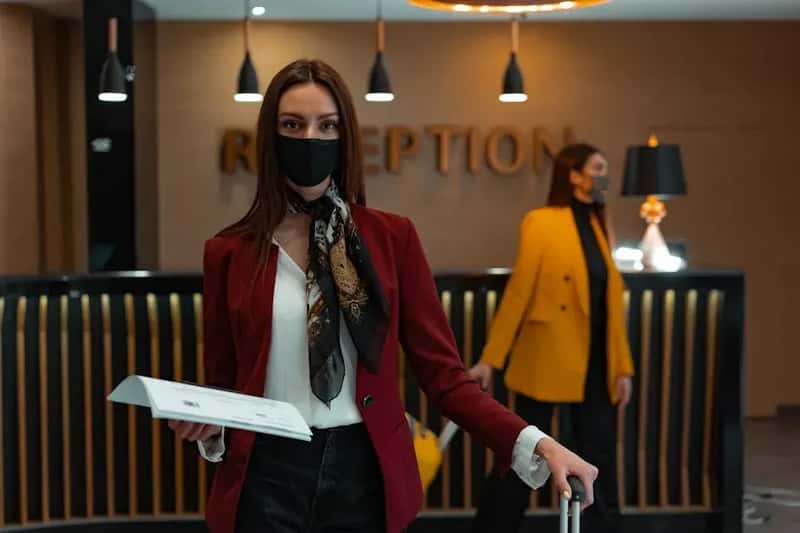
This one is elegant because it’s not a blunt upgrade request. It’s an open door. You’re giving the agent permission to surprise you. The hotel concierge knows everything about the property, can help you get an upgrade, and if you ask nicely, may find a way to get you a nicer room or add something special.
Honestly, the phrasing here matters enormously. Asking for something specific without being demanding puts the power squarely in the agent’s hands, and most people in hospitality genuinely want to use that power to make guests happy. Getting a hotel room upgrade at check-in is not just about luck; it’s about how you ask, how you act, and how you connect with the people behind the desk. This phrase nails all three.
3. “We’re Celebrating [Special Occasion] – We’re So Excited to Be Here”
![3. "We're Celebrating [Special Occasion] - We're So Excited to Be Here" (Image Credits: Pixabay)](https://travelbinger.com/cdn-cgi/image/width=800,quality=60,format=auto,fit=cover/https://nvmwebsites-budwg5g9avh3epea.z03.azurefd.net/travelbinger/7af312bcd9aeddfa34e1660a2faed1e9.webp)
Let’s be real: this is one of the oldest tricks in the book, and it still works. If it’s your birthday or anniversary, making sure to let the front desk know is important, because hotels want to keep you happy and there are high chances of the staff offering a complimentary upgrade or added amenities to help you celebrate.
If you don’t have elite status with a hotel, the best way to get a honeymoon or celebration upgrade is simply to ask the concierge and mention you’re celebrating a special occasion. One important note though: be honest. Major chains do keep track of this information, so being untruthful about special occasions is something to avoid entirely. Save this phrase for genuine milestones and it will serve you well every single time.
4. “I’ve Heard So Much About This Property – a Friend Who Stayed Here Recommended It Specifically”
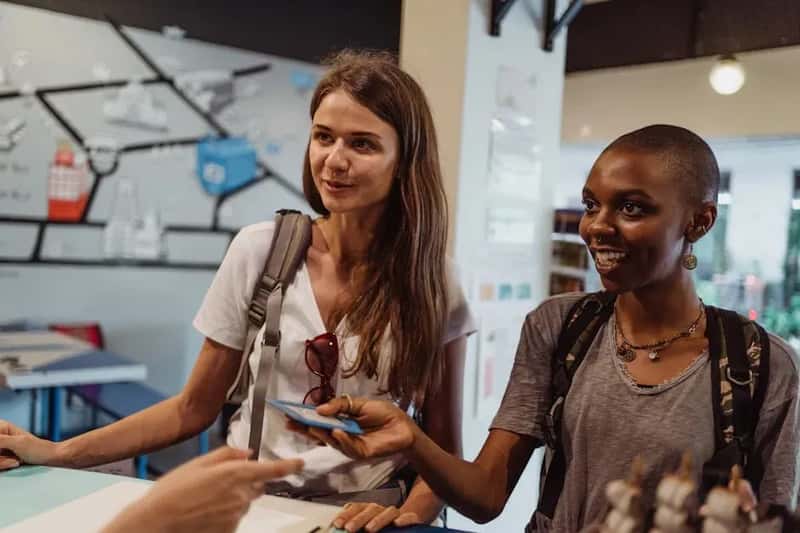
Word-of-mouth is still the most valuable marketing currency in hospitality. When you drop that a trusted friend or colleague specifically pointed you here, you’re doing several things at once: you’re flattering the property, you’re showing enthusiasm, and you’re setting up a story that staff members actually want to add a good chapter to.
Expressing excitement about staying at one of the city’s best hotels, or mentioning that you’re looking forward to checking out the property based on a friend’s glowing recommendation, is a genuinely effective approach at check-in. It reads as warm, specific, and completely authentic. Beyond perks and points, guest loyalty represents an emotional bond between the guest and the brand, built through the culmination of the entire guest experience. You’re inviting that bond from the very first sentence.
5. “I See a [Room Type] Is Showing Available – Would That Be Possible?”
![5. "I See a [Room Type] Is Showing Available - Would That Be Possible?" (Image Credits: Pexels)](https://travelbinger.com/cdn-cgi/image/width=800,quality=60,format=auto,fit=cover/https://nvmwebsites-budwg5g9avh3epea.z03.azurefd.net/travelbinger/7319641385fd53b3079223960dae4bd3.webp)
This is the power move for the prepared traveler. Before you even walk into the lobby, check the hotel app or website for available room categories. Always look to see if a suite or better room category is open before you check in, so that you can say: “I see that you have a suite available. Is it possible that I can be upgraded to that?” It’s a much safer bet that you will be upgraded after doing your homework.
This approach works because it reframes the ask from “please give me something for free” to “I’ve noticed a practical possibility, can we make it happen?” Being a little more specific or deliberate with what you ask for, while being reasonable, gives you better odds than a generic upgrade request. Think of it like walking into a negotiation having already done your research. The other party respects that immediately.
6. “I’m a Member of Your Loyalty Program – Member Number [X]”
![6. "I'm a Member of Your Loyalty Program - Member Number [X]" (Image Credits: Pexels)](https://travelbinger.com/cdn-cgi/image/width=800,quality=60,format=auto,fit=cover/https://nvmwebsites-budwg5g9avh3epea.z03.azurefd.net/travelbinger/149c33f75f19310e4411ceb385764fa1.webp)
You’d be shocked how many guests forget to mention this, or don’t even realize the weight it carries at the desk. Hotel loyalty program membership across major global brands reached 675 million in 2024, growing more than twice as fast as new hotel construction. Hotels are deeply invested in these programs because loyal members are among their most profitable guests.
Loyal clients stay roughly a quarter longer and spend notably more than infrequent travelers. Mentioning your membership number immediately and confidently, before being asked, signals that you understand the system and that you’re worth taking care of. Definitely mention if you are a rewards member when requesting any special consideration, as this is genuinely important to how agents respond. It’s a tiny sentence with outsized consequences.
7. “I’d Really Appreciate a Quieter Room, Away from the Elevator if Possible”
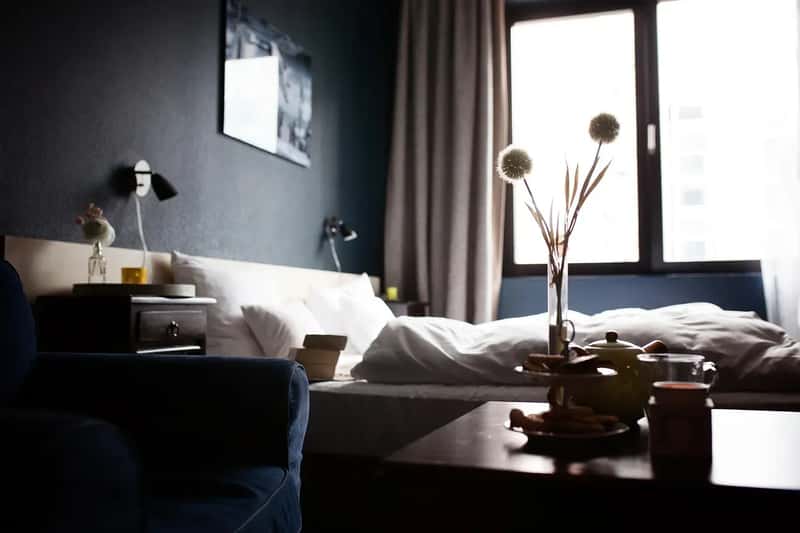
Here’s the thing: not every upgrade looks like a penthouse suite. Sometimes the most meaningful upgrade is a room on a higher floor, away from the ice machine, in a corner with actual silence. If you’re a light sleeper, a room upgrade could mean a large corner room away from the elevator and ice machines. Framing this as a genuine comfort need rather than a demand almost always lands well.
Information about which rooms are the roomiest, which offer the best views, or which are the quietest is available at the front desk. You’re essentially inviting the agent to use that knowledge on your behalf. The front desk has information such as which rooms are most spacious, which have the best view, or which are the least noisy, and you can politely ask the concierge for any available upgrades while checking in. Being specific signals that you’re a thoughtful guest, not a demanding one.
8. “I Sent a Note Ahead About Our Stay – I Wanted to Follow Up in Person”
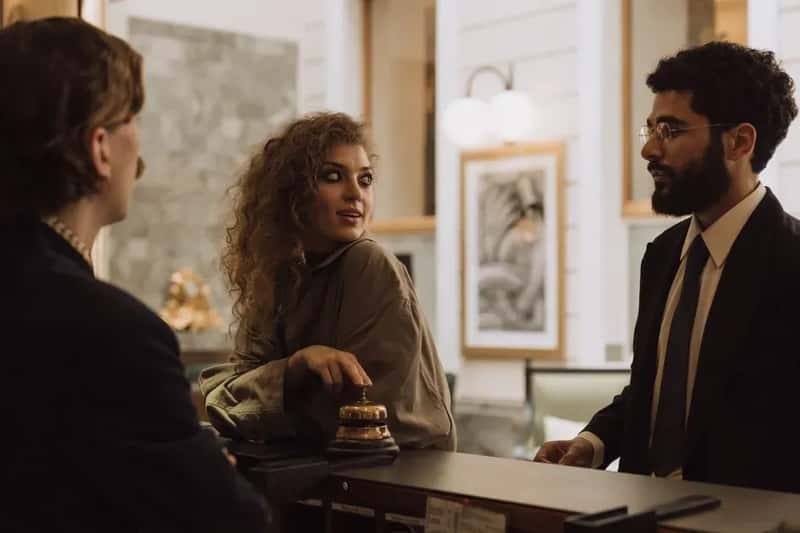
Reaching out before arrival is one of the most underused upgrade strategies in travel. Emailing or calling the front desk manager or concierge a few days before your stay and telling them how excited you are about the upcoming visit, asking if there is anything they can do to make the trip more memorable, is a highly effective approach.
They will most likely say they can’t guarantee anything but will often put a note in your reservation, and the front desk staff member may decide to upgrade you on the spot, especially if they aren’t near capacity. Following up on that note in person creates a sense of continuity, like you’re already in a relationship with the property before you’ve even seen your room. Hotels increasingly use pre-arrival email or SMS to offer premium upgrades and experiences, so a guest who proactively reaches out is already speaking the language the hotel wants to hear.
9. “Thank You So Much – This Already Feels Like It’s Going to Be a Wonderful Stay”
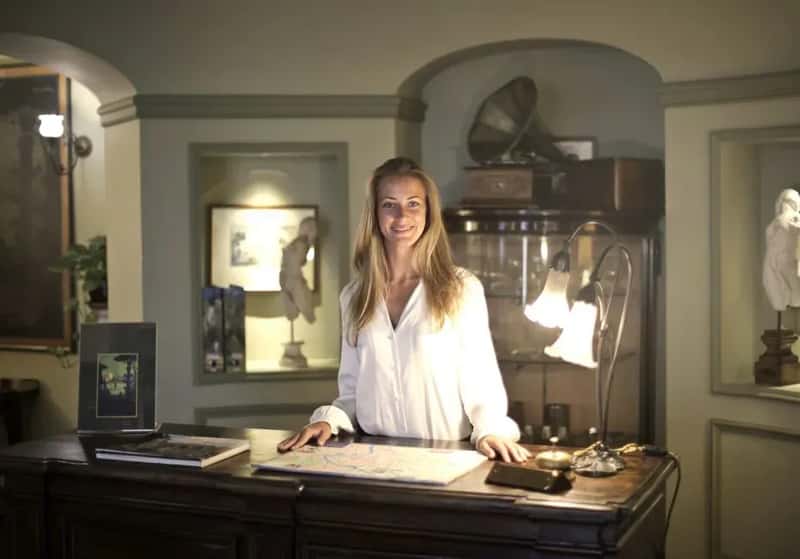
It sounds almost too simple. Yet this closing phrase, said with genuine warmth as you receive your room key, can leave a lasting impression that echoes throughout your entire stay. First impressions matter at hotels, and when you walk up to the desk with a smile and genuine energy, staff notice.
If you act friendly and show respect, staff feel more willing to help, and sometimes just being straightforward and warm leads to a hotel room upgrade or extra perks. It’s also worth understanding the broader picture: McKinsey found that roughly three quarters of consumers actually expect personalized interactions from companies. Hospitality staff are trained within this culture. Companies that prioritize personalization generate significantly more revenue, which means hotels are constantly looking for reasons to give you something memorable. End your check-in conversation by making the agent feel that what they just did genuinely mattered. That’s not flattery. That’s connection.
Conclusion
None of these phrases are manipulative. None of them require you to invent a birthday or pretend to be someone you’re not. They work because they’re rooted in real hospitality dynamics, in what hotel staff actually care about and respond to.
Room upgrades are one of the most appreciated loyalty perks, and day-of-arrival upgrades come at little cost to the hotel if the room would otherwise sit empty. So the opportunity is genuinely there, every single time. You just have to know how to open the door. The next time you stand at a hotel front desk, try one of these phrases. You might be surprised how quickly the energy in that conversation changes. What would you have said before reading this?