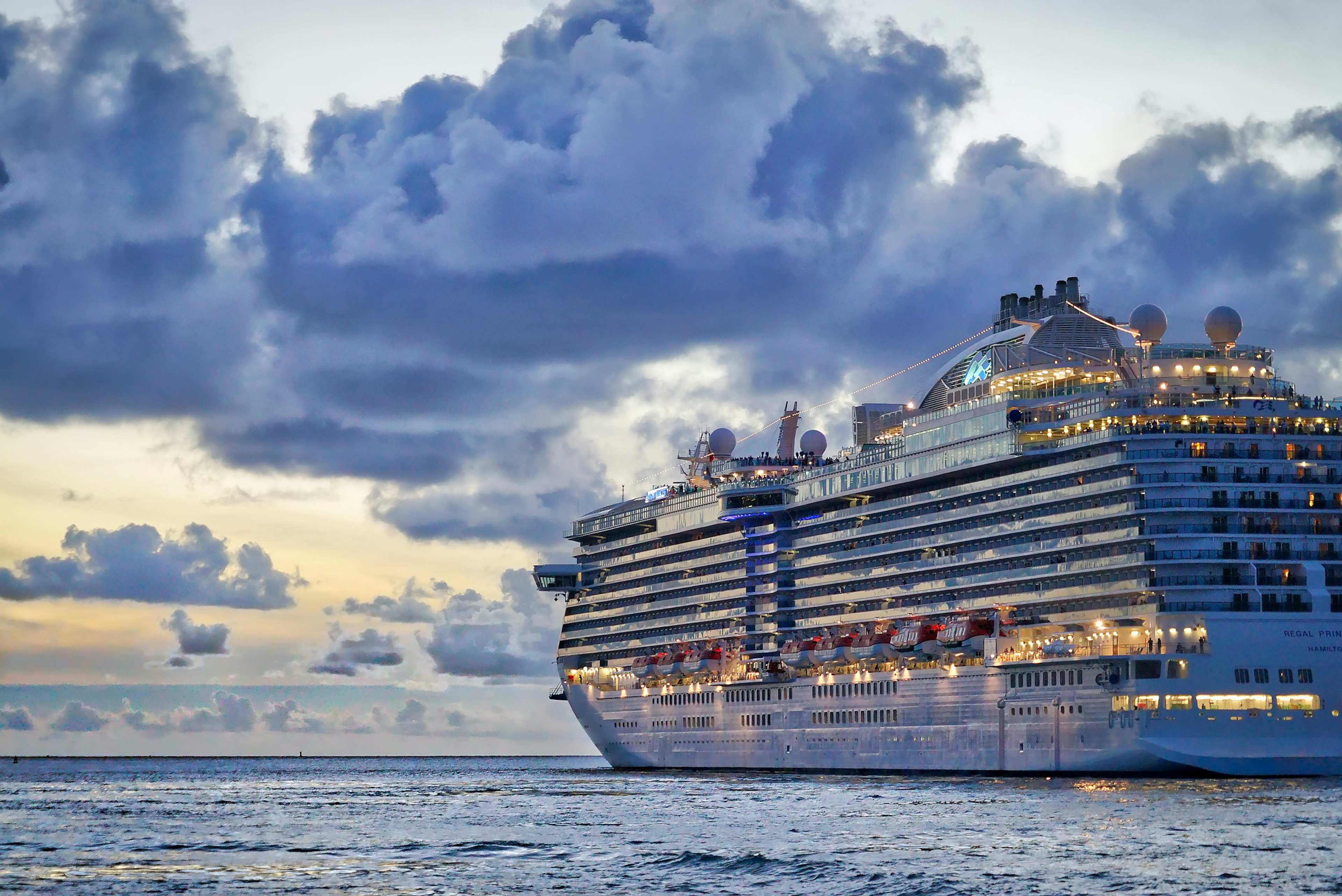
Cruise ships run on routine, and the people who make that routine look effortless notice far more than most passengers realize. A cruise director spends the week juggling microphones, muster drills, trivia hosting, and a constant stream of guest requests, which gives them a front row seat to the small habits that quietly wear down a crew. Some of these habits look harmless, even friendly, but they create extra work or awkward moments behind the scenes.
What follows are twelve behaviors that cruise staff have flagged again and again, based on firsthand accounts from cruise directors, entertainers, and other crew members who work these ships for a living.
1. Interrupting performers mid song to give a compliment
It sounds like a nice gesture, but it can genuinely throw off a live show. Some passengers love a performance so much that they want to tell the performer right away, even in the middle of a song, which makes it difficult for the performer to remember where they were. A missed lyric or lost beat is a small thing, but it’s avoidable.
Cruise directors who double as singers and musicians deal with this often since they’re performing and interacting with guests in the same role. The fix is simple: wait for the applause, then say something afterward, or catch them at their next set. The compliment lands just as well, and nobody loses their place in the song.
2. Praising the wrong person for someone else’s good work

Guests often assume the cruise director runs the whole entertainment department, so they’ll rave about a singer or dancer to the director instead of the performer directly. As one entertainer put it, a lot of people assume the cruise director is the “boss” of the entertainers, but rarely are they the ones making hiring decisions, since the agent and corporate personnel who evaluate performers are shoreside and don’t see what happens onboard. The kind words simply don’t reach the person who earned them.
The same pattern shows up with guest services. Guest services workers can assist cruisers with many things, but they are not in charge of other crew members, and the cruise director, despite being one of the most visible people on the ship, is not in charge of the other crew either. If a stateroom attendant or waiter did something wonderful, telling them directly makes far more difference than mentioning it to whoever happens to be nearby.
3. Reserving deck chairs they never actually use
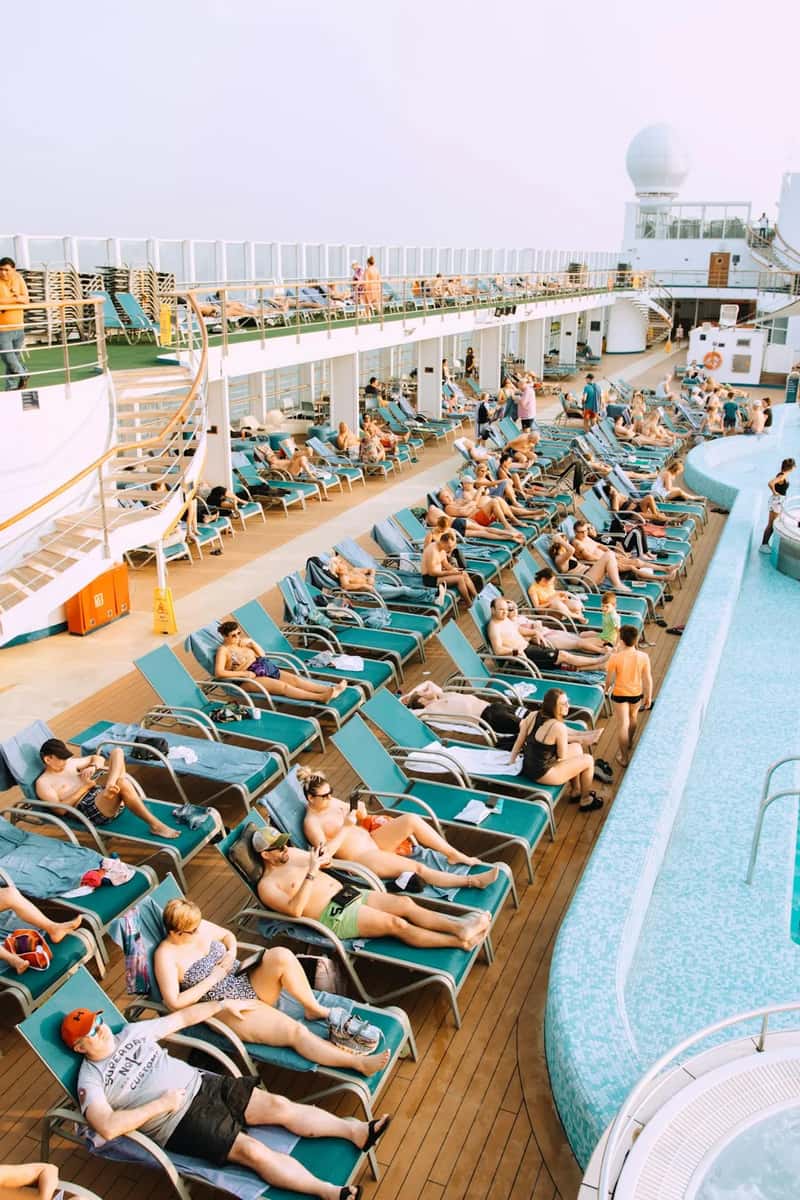
Few things frustrate crew and fellow guests faster than an empty lounger draped in someone else’s towel for hours. Keeping a towel, book, or water bottle to save loungers without actually being there is considered rude, and cruise lines are starting to crack down on it, with Carnival running a 40-minute policy before a crew member removes the items. The habit forces staff into the uncomfortable role of chair police.
It also creates a ripple effect across the pool deck. Families end up circling for shade while a chair sits untouched, and staff have to intervene repeatedly throughout the day just to keep things fair. Grabbing a chair when you’re ready to use it, rather than hours in advance, saves everyone the hassle.
4. Snapping fingers or barking orders to get attention

Crew members are trained to stay composed no matter how a request is delivered, but that doesn’t mean the behavior goes unnoticed. Some guests annoyingly snap their fingers to get attention, raise their voices over minor inconveniences, or make unreasonable requests at impossible hours of the night. It’s a small gesture that carries a lot of weight for the person on the receiving end.
Crew who work these long, physically demanding contracts remember who treated them with basic courtesy and who didn’t. A raised hand and a simple “excuse me” gets the same result as a snap, minus the sting.
5. Forcing open cabin doors before rooms are ready
On embarkation day, cabins aren’t available the moment guests board, and there’s usually a clearly marked window for when doors will unlock. Before cabins open, crew members are busy cleaning and preparing rooms for arriving guests, and passengers usually have to wait until around 1pm or 1:30pm before rooms are ready. Fire doors are typically closed off during this window with signage explaining why.
Some guests ignore the sign and open the fire door to get into their room anyway, and aside from the possibility that the room is still being cleaned, this puts them in the way of crew members working hard to get everything ready. A little patience here goes a long way toward keeping the embarkation process on schedule for everyone.
6. Saving complaints for the online review instead of the ship

Problems happen on cruises, from malfunctioning air conditioning to billing errors, and crew genuinely want the chance to fix them while the ship is still at sea. Things break and issues arise on a cruise ship, but the crew can’t step in to make it better if guests don’t say something, and it’s common for people to write about a “horrible” cruise experience after they got home without having mentioned the issue while onboard. By the time a review goes up, there’s no way to correct course.
If there’s a billing discrepancy, for example, speaking to Guest Relations on the ship is the right move rather than waiting until after disembarkation. Most issues that get raised in the moment can actually be resolved before the trip even ends.
7. Trying to stretch a drink package further than it’s meant to go

Drink packages are popular, but some guests try to get creative with how they use them. One bartender described how some passengers try to cheat the crew by sharing their drink package with others or walking away with a drink without presenting their cruise card to be charged. It seems like a harmless workaround from the guest’s side of the bar.
From the crew’s side, it’s a genuine liability. Passengers don’t always realize these behaviors can put the worker at risk and even cost them their job. A bartender who lets a discrepancy slide isn’t just bending a rule, they’re risking their contract over someone else’s drink.
8. Turning cabins and hallways into a late night party zone
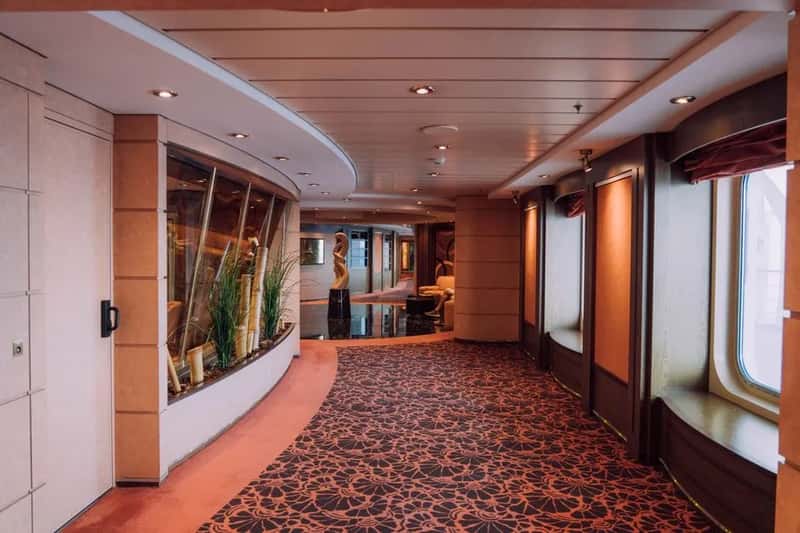
Cruise ship corridors are tight, shared spaces where sound carries far more than it would in a house or hotel with thicker walls. Cabins and corridors are shared living spaces where sound travels easily, and excessive noise, particularly late at night, can disrupt fellow travelers, which is why cruise guest conduct policies recommend moderate conversation volume and headphones for personal entertainment. A door slam or a loud conversation at midnight can wake an entire section of a deck.
Crew members who work these hallways overnight, along with neighboring guests trying to sleep before an early excursion, are the ones who deal with the fallout. Keeping music and conversation at a reasonable volume after a certain hour isn’t a huge sacrifice, and it makes a noticeable difference to the people around you.
9. Leaving dirty plates and cups in elevators and hallways

Grabbing a snack from the buffet and eating it on the way back to the cabin is common, but the empty dish often gets left behind somewhere convenient. Leaving plates, cups, or other dining items in elevators isn’t just lazy, it’s unhygienic and disrespectful behavior, since elevators are communal spaces and stray dishes create accident risks. Someone has to notice it, retrieve it, and clean up after the fact.
It’s a habit that seems trivial in the moment but adds up across a ship carrying thousands of people. Carrying a plate the rest of the way to a designated tray station takes only a minute longer.
10. Walking out of shows before they finish

Evening entertainment is a highlight for a lot of cruisers, but not every guest sticks around until the curtain call. Leaving a show early, especially if seated near the front, distracts the performers and other audience members, so anyone who knows they can’t stay until the end should choose a seat near the exit instead. A sudden departure through the middle of a row draws far more attention than guests seem to expect.
Performers notice this from the stage, and it can throw off their timing or energy mid routine. Planning ahead with seating placement solves the problem without anyone having to sacrifice sleep or an early morning excursion.
11. Mocking the way crew members speak English
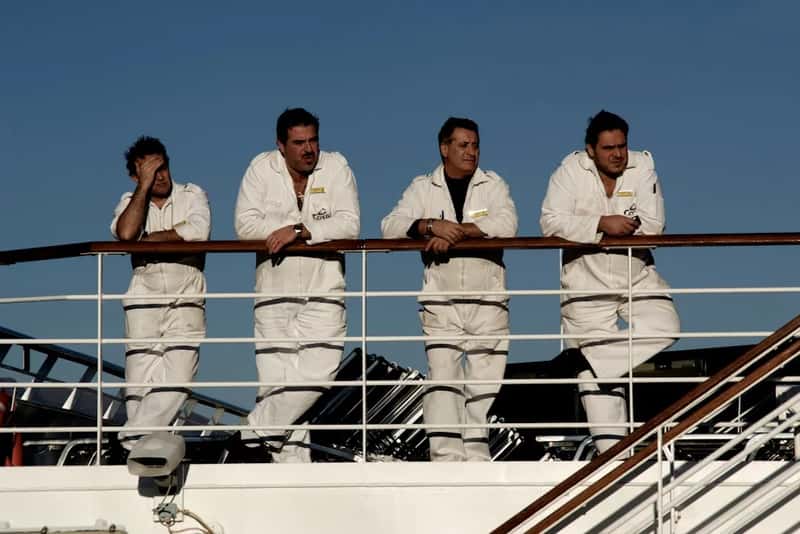
Cruise ship crews are famously international, with staff hailing from dozens of countries across a single ship. The crew is very international, and since crew members come from many different countries, English is often not their first language, so making fun of how they sound or pronounce words is a rude passenger behavior that no crew member likes. It’s a comment that might feel like a joke to the guest but lands very differently on the other side.
Many crew members speak two, three, or more languages fluently and are working in a language that isn’t their native one, often while multitasking under pressure. A little patience with a request repeated or clarified goes further than pointing out an accent ever will.
12. Turning the dinner table into an overshare zone
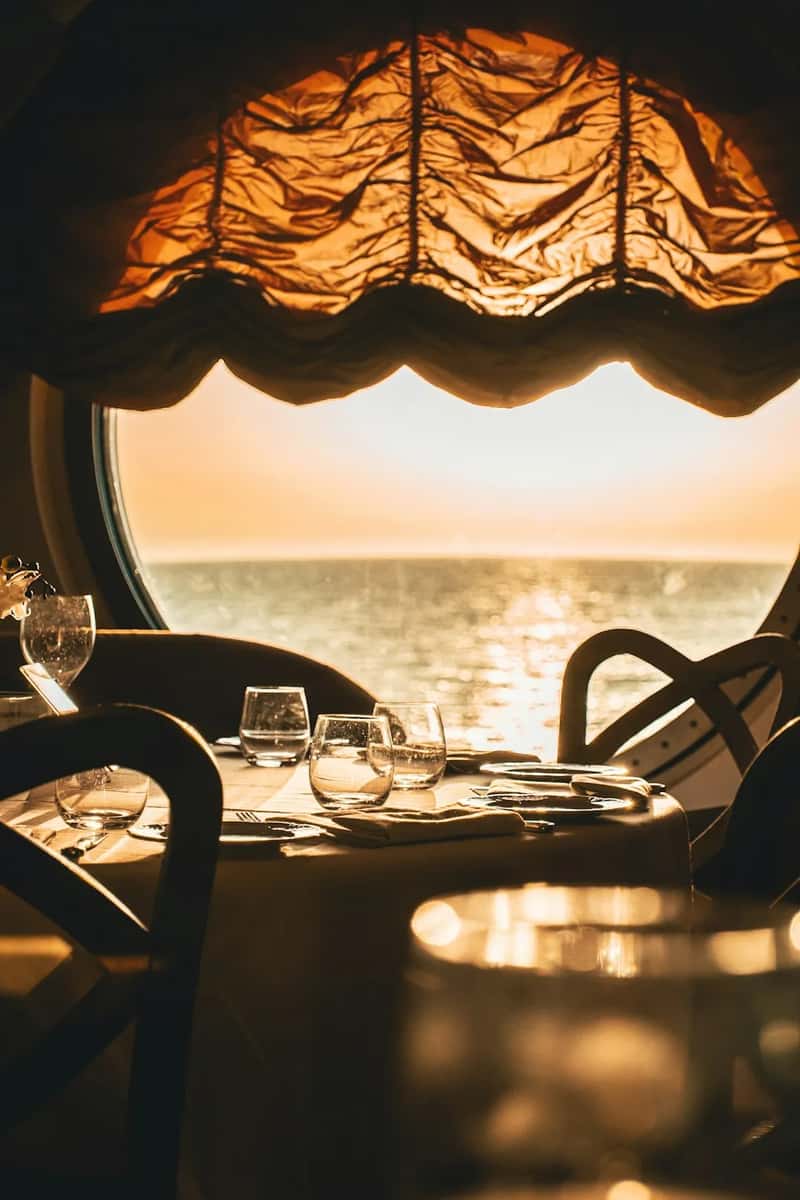
Dining rooms are meant to be one of the more relaxed parts of a cruise, but some conversations make that difficult for everyone at the table. Anything involving tubes, fluids, or graphic medical detail should be saved for a doctor’s visit rather than a dinner table, and asking what everyone paid for their cruise is another conversation starter that tends to land badly. Servers standing nearby end up as a captive audience to both.
Waitstaff are trying to focus on courses, timing, and special requests, not navigate an uncomfortable table dynamic they had no part in creating. Lighter dinner conversation keeps the mood pleasant for tablemates and makes service easier for the crew moving around the room.
None of these habits are unforgivable, and most guests who fall into one or two of them do so without any bad intent. Crew members interviewed across cruise lines tend to agree that kindness and a little awareness go further than any amenity or upgrade in shaping how a voyage actually feels for the people running it.