Spend enough years working the front cabin of a wide-body jet and you start noticing things passengers never realize they’re revealing. It isn’t about designer luggage or watch brands. Cabin crew who’ve spent a career up front say the real tells show up in much smaller moments, the kind most travelers never think twice about.
Those cues matter because flight attendants aren’t just serving drinks. They’re reading the cabin constantly, partly for comfort and partly for safety, and over time certain behaviors start to stand out from the rest.
1. What Happens in the First Thirty Seconds of Boarding
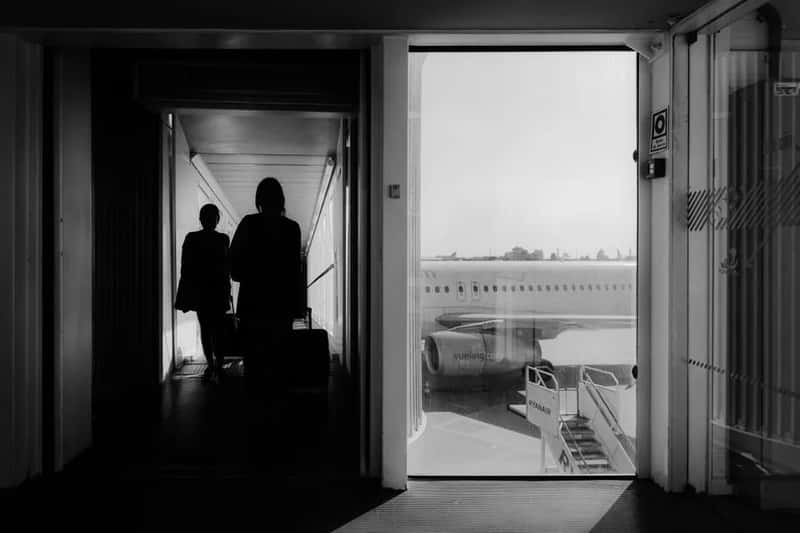
Crew members consistently say the earliest moments of boarding tell them almost everything they need to know. Within those first 30 seconds of interaction, flight attendants are scanning for cues, from your posture to your grip on your boarding pass, that reveal exactly how familiar you are with the nuances of life at the front of the aircraft.[1] It’s less about judgment and more about calibration.
Cabin crew are not merely servers but are excellent behavioral analysts who use these observations to tailor their service to each individual’s comfort level.[1] Passengers who walk in and settle without hesitation tend to get a different rhythm of service than those who seem unsure where to start. It’s a quiet first impression, but crew notice it every single time.
2. How Confidently They Handle the Seat Controls
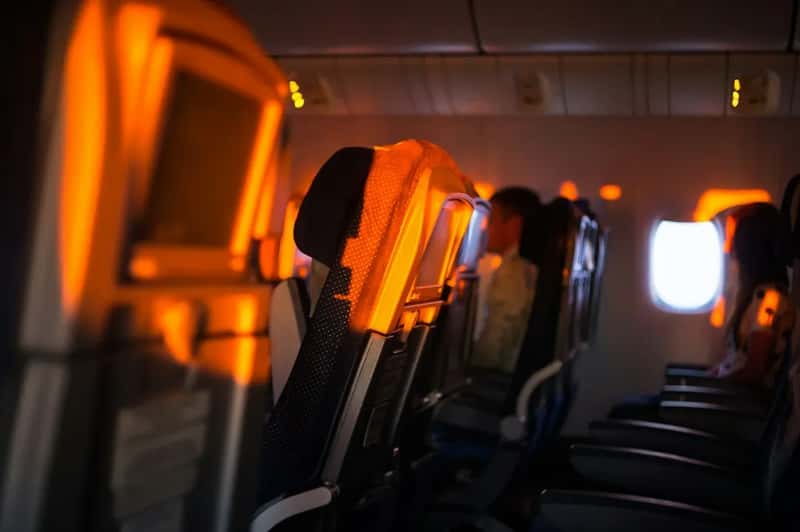
Seat controls are a small but surprisingly telling detail. Most of us fumble with seat controls, especially on unfamiliar aircraft, looking for buttons and trying to figure out which lever does what.[2] Frequent flyers, on the other hand, tend to move through the process without a second thought.
Crew who’ve watched this play out thousands of times say the difference is almost muscle memory. After thousands of flights, these micro-behaviors are striking, since a passenger confidently reclining their seat, finding the massage function, and adjusting the lighting without a second of searching signals someone who grew up in this environment.[2] It’s a tiny gesture, but it’s one crew members remember.
3. How Loud They Are for the Rest of the Cabin
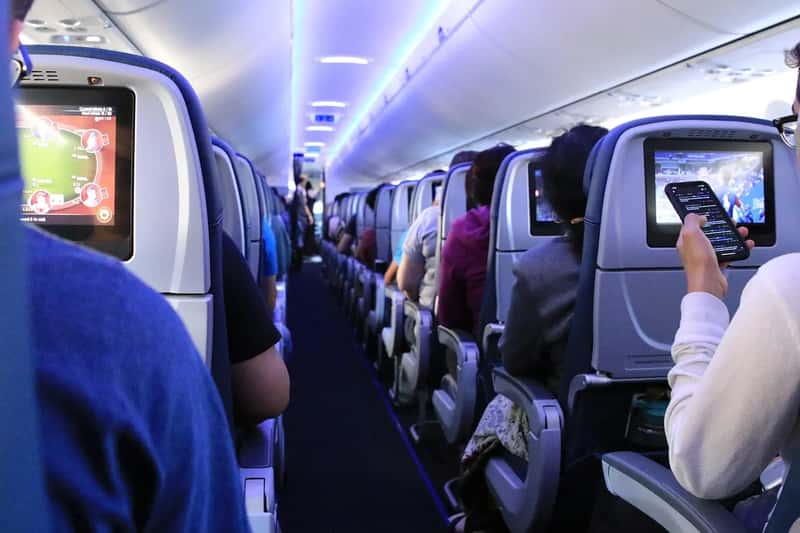
Noise is one of the clearest signals in any premium cabin, according to crew who work it daily. Volume is one of the clearest signals in any premium cabin, and researchers have found that the noise level in first-class cabins is, on average, about fifteen percent lower than in the main cabin, underscoring the need for passengers to maintain a quiet atmosphere.[3] That expectation is baked into the whole experience up front.
Passengers who understand the room tend to protect that quiet almost instinctively. Some passengers protect that silence like it’s sacred, speaking in low voices, keeping calls brief, and rarely using speakerphone, ever.[3] Others, often newer to the cabin, don’t clock the shift in atmosphere right away, and the rest of the row usually notices.
4. How They Handle the Menu and Drink Order
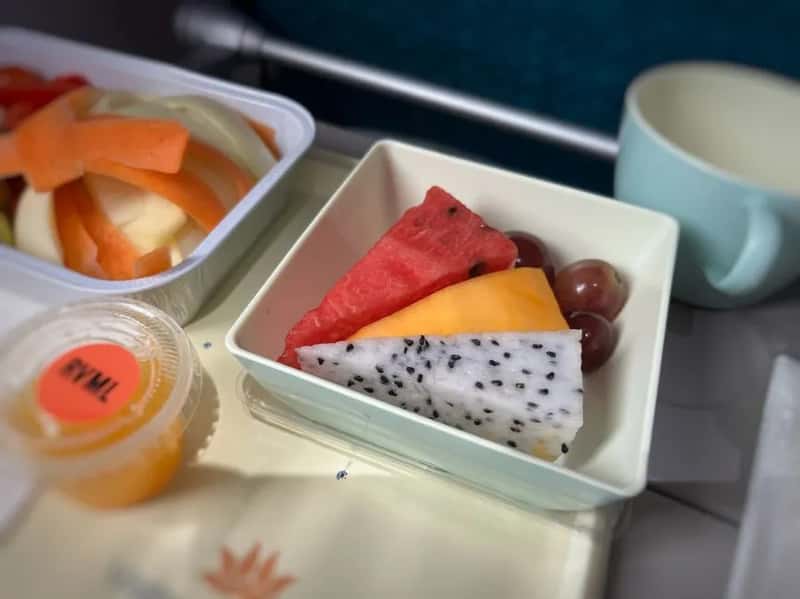
Ordering is another moment that says more than passengers realize. Crew describe a clear split between travelers who scan the menu, decide quickly, and ask focused questions, and those who need much longer to settle on something. Passengers who’ve been navigating multi-course fine dining since childhood scan the menu quickly, choose decisively, and ask focused questions.[3] It’s less about taste and more about familiarity with the format.
The wine order tends to follow the same pattern. Some passengers have refined tastes and real knowledge of fine wines, and their meal choices lean more toward tradition than ostentation.[3] Meanwhile, newer premium travelers are likely to enjoy trendy, high-end restaurants and may not have the same depth of wine knowledge, though they order the best.[3] Neither approach is wrong, but crew say the contrast is easy to spot.
5. How Much Luggage They Bring On Board
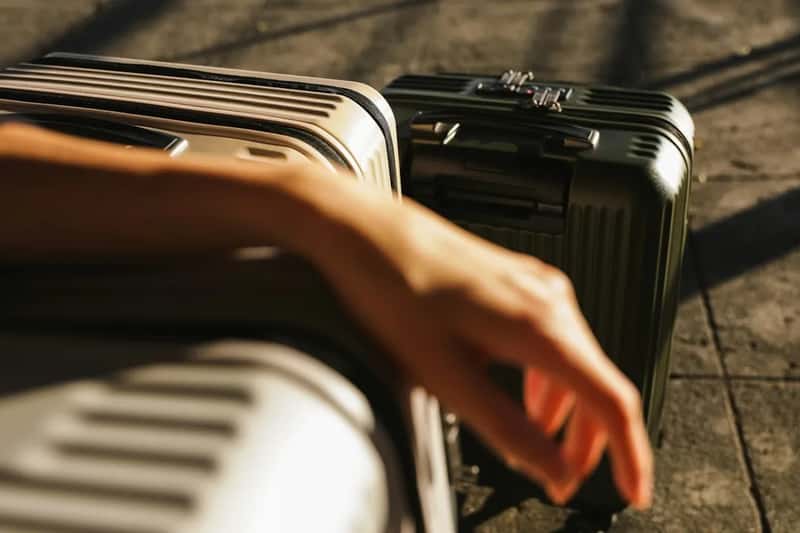
Luggage volume turns out to be a quieter but consistent signal. Crew who’ve worked international first class routes for years say the passengers who fly most often tend to travel with far less, not more. Heavy bags, multiple carry-ons, and last-minute bin negotiations tend to correlate with less frequent premium travel, at least according to the patterns crew describe.
Part of this comes down to logistics. International first class cabin crews are extremely busy and don’t have time to stand around while a passenger sorts through options, even if they’ll look happy doing it the entire time.[3] Passengers who travel light and know exactly what they need tend to move through boarding with far less friction for everyone involved.
6. How They React When Something Goes Wrong
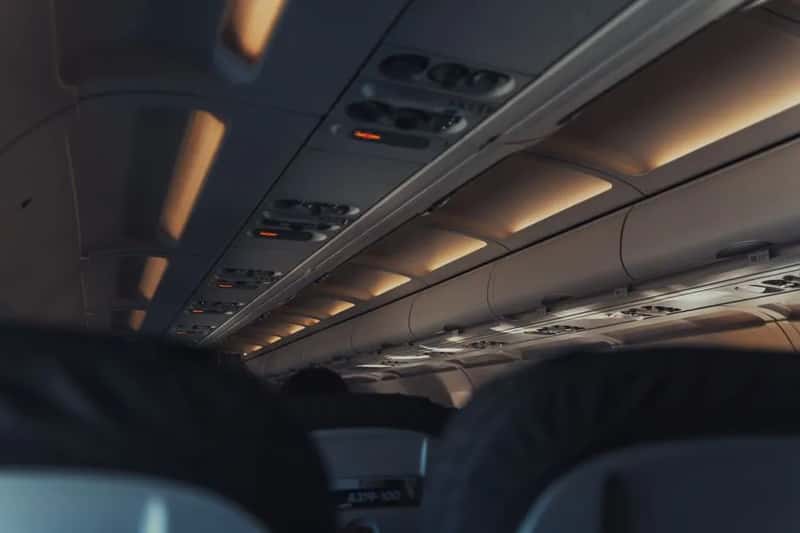
Small inconveniences reveal more about a passenger than almost anything else on the flight. A delayed meal, a seat that won’t fully recline, or a slightly warmer cabin temperature than expected can reveal character more clearly than almost anything.[3] Crew say this is where the real differences start to show.
The research backs up why this matters so much for cabin harmony. Analyses of in-flight incidents reveal that the majority of conflicts arise from a lack of consideration for personal space and the needs of others, highlighting the critical role of etiquette in maintaining a harmonious first-class experience.[3] Meanwhile, passengers who hit a small inconvenience can sometimes escalate quickly[3], and that reaction tends to stick with the crew serving them for the rest of the flight.
7. How They Talk to the Crew Itself
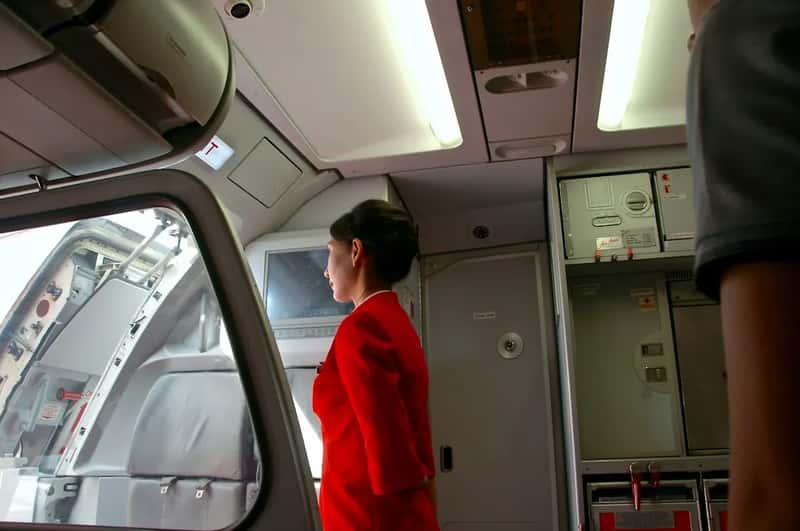
The tone a passenger takes with flight attendants is one of the most consistent tells crew mention. Some passengers treat flight attendants as personal staff, with a certain impatience or entitlement that feels performative, like they want the crew to know they’re important.[3] Others fall into a much easier rhythm with the crew from the start.
That easier rhythm usually comes from experience, not effort. Some passengers extend quiet confidence to interactions with crew, staying polite but not loud about it.[3] As one crew perspective put it, keeping a drink order simple and not spending more than a few seconds removing a jacket makes things easier for cabin crew who have a lot of other passengers to deal with.[3]
8. Whether They’re Watching Everyone Else in the Cabin
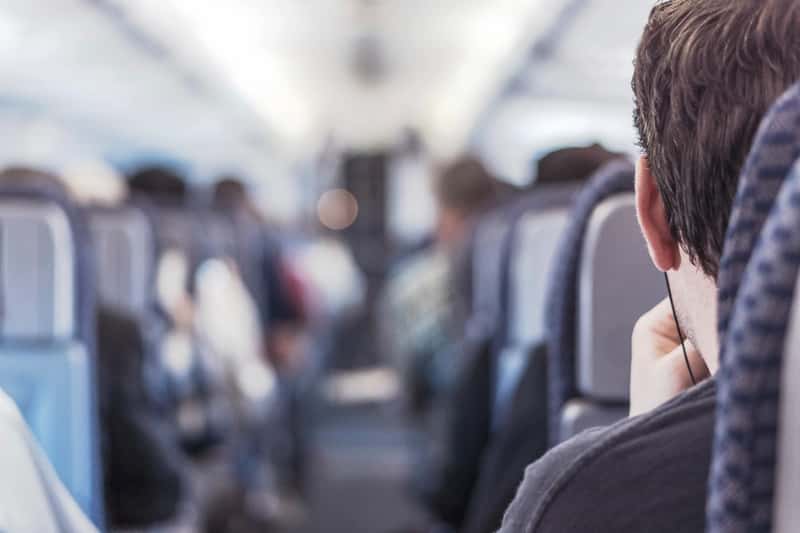
Crew say one of the clearest giveaways is simply whether a passenger is observing the room. A sign of a first-time premium traveler is that they intensely watch the flight attendants, observing how the meal is plated, how the wine is served, and how the crew approaches each passenger.[4] It’s an understandable instinct, and crew generally find it endearing rather than awkward.
Experienced fliers, by contrast, rarely feel the need to check how others are reacting to their own presence. Where some travelers walk into the cabin with no hesitation and no scanning to see who’s watching, others often look around as they enter, almost checking whether anyone noticed them.[2] Crew notice both patterns constantly, and neither one changes the level of service a passenger receives.
9. The Small Courtesies That Are Genuinely Rare
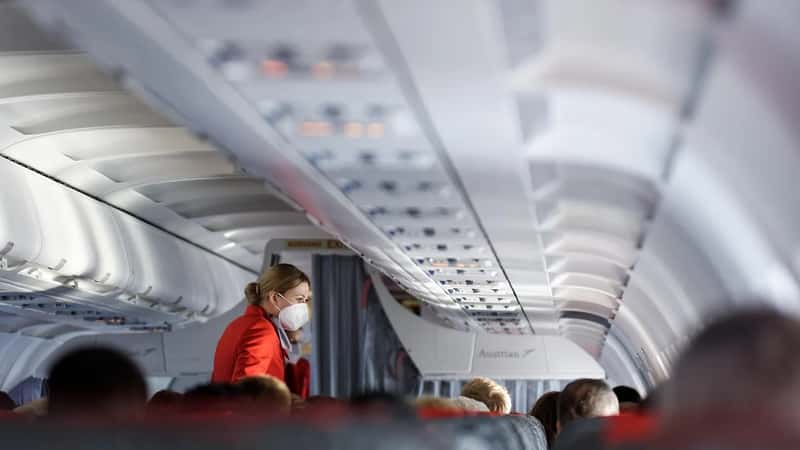
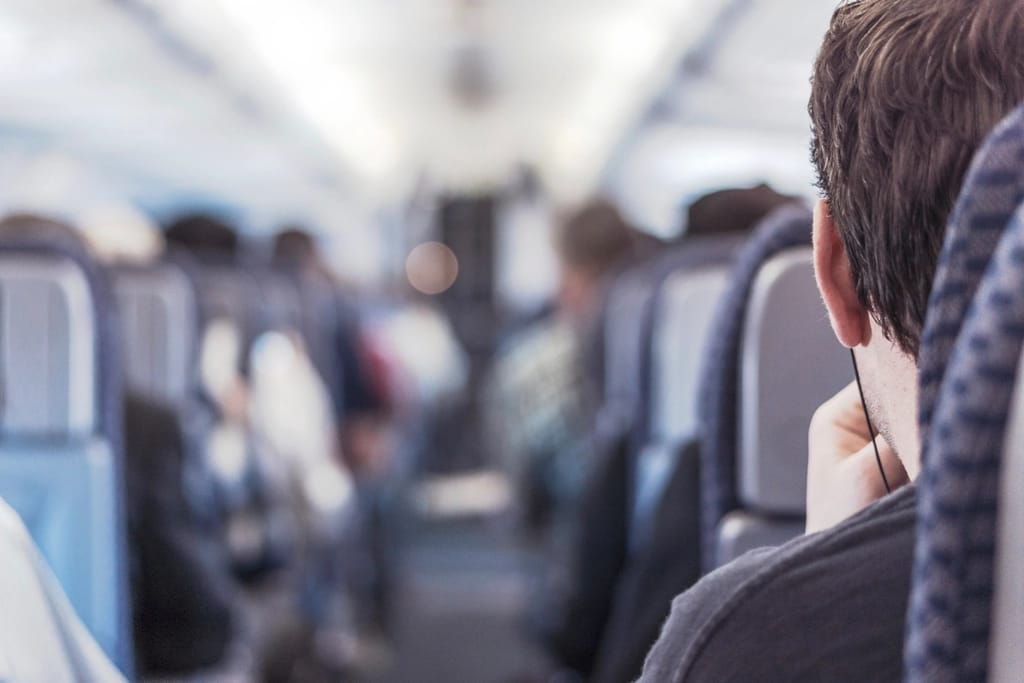
After everything else, crew consistently point to simple courtesy as the trait that stands out the most. Good manners, politeness, and the odd smile go a long way for flight attendants, who greet everyone during boarding and use that moment to observe passenger behavior and set the tone for the flight.[5] It sounds almost too simple to matter, yet crew bring it up again and again.
What makes it stand out is how uncommon it’s become. Flying adds real stress for most passengers, so a genuine smile and greeting is actually quite rare, which is why crew tend to remember the passengers who offer one.[5] Small habits, like taking off headphones during service since it’s only a few seconds of a movie or song and is simply respectful[5], tend to leave a longer impression than almost any other behavior on the flight.
None of these signs are really about money or status, even though the cabin itself is built around both. They’re about attention, really, the small choices a passenger makes without thinking too hard about them. Crew who’ve spent years watching this play out say the pattern rarely changes from flight to flight, which is probably why they notice it so quickly every single time.