Most people think getting upgraded is pure luck. Like somehow the travel gods look down at gate B12 and smile on you because you wore a nice blazer. Honestly, that’s not quite how it works. There are real, observable behaviors that gate agents notice – quietly, without saying a word – that can tilt the odds in your favor.
The upgrade game has changed dramatically in recent years. Algorithms now drive a huge portion of decisions, and airlines have tightened their loyalty programs significantly. American, United and Delta have all recently overhauled their loyalty programs to reward big spenders, with passengers earning more points and elite status based on how much they spend, not how far they fly. Still, human behavior at the gate still matters more than most travelers realize. Let’s dive in.
1. Being Genuinely Polite – Not Performatively Nice
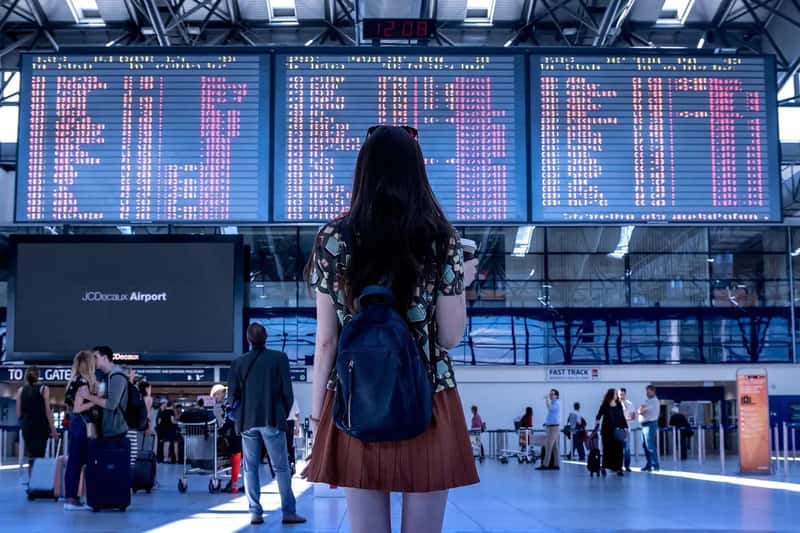
There’s a difference between being polite and putting on a show. Gate agents can read people within seconds. They deal with hundreds of passengers per shift, and they can tell the difference between someone who is authentically kind and someone who turns on the charm only when they want something.
Gate agents simply don’t upgrade the kind of people who look like they are going to sit around and complain and annoy other passengers. Think about that for a second. It means your upgrade chances are being quietly assessed long before you ever open your mouth to ask. A friendly smile and pleasant demeanor can genuinely trump certain rules at the gate. The key is that this warmth has to be consistent, not just switched on when you reach the desk.
2. Arriving at the Gate at the Right Time – Not Too Early, Not Too Late

Timing is everything when it comes to upgrades, and most travelers completely get this wrong. Show up three hours early and the gate agent simply won’t be servicing your flight yet. Show up right at boarding, and every decent seat is already gone.
If you want to be upgraded, get there around one hour before boarding. Much earlier, and the gate agents won’t be servicing your flight yet. Any later and other people will have taken all of the good seats already. There’s a practical window here, almost like a golden hour. Try asking politely about half an hour before departure to see if you can move out of that middle seat at the back of the plane. Combine good timing with a calm, friendly approach, and you’ve already done more than the vast majority of passengers ever do.
3. Traveling Solo – and Choosing Off-Peak Flights
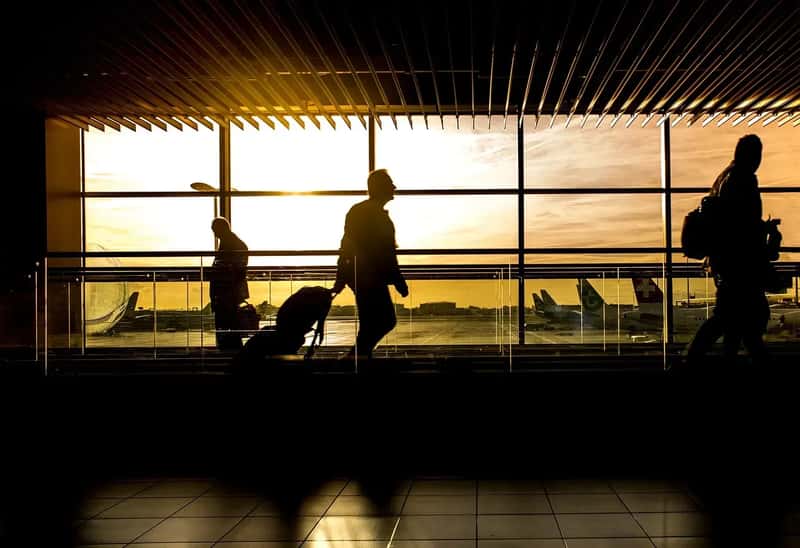
Here’s something that genuinely surprised me when I first read about it. Flying alone is one of the single biggest advantages a passenger can have when it comes to upgrade prospects. It sounds almost unfair, but it makes complete operational sense.
Statistical analysis suggests that solo travelers enjoy a significantly higher likelihood of being moved to first class on late-night flights, reportedly experiencing upgrades 23 times more often than couples. The rationale offered by airline personnel is quite pragmatic: single passengers present a far simpler logistical proposition. The practical reason for this trend is fairly simple: from an operational standpoint, it is far easier to upgrade a single traveler. Gate agents can efficiently fill vacant first-class seats by accommodating individuals, a less complicated task than trying to find two adjacent seats for a pair. Add to this the fact that the timing of an upgrade request also appears to play a role, and upgrades sought during off-peak hours such as late-night or early-morning flights seem to have a higher acceptance rate, likely related to reduced overall passenger demand during these time slots.
4. Holding Elite Status – or At Least Joining the Loyalty Program
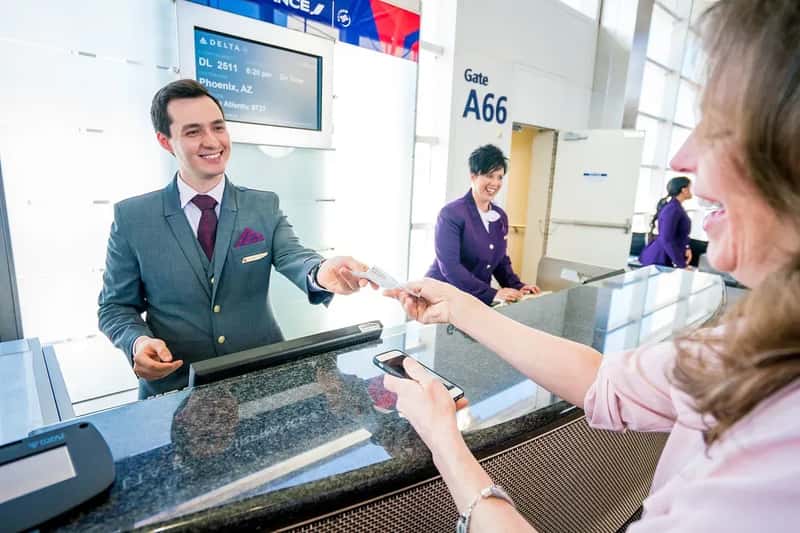
Let’s be real: loyalty status is the single most reliable upgrade trigger in modern aviation. It’s not glamorous advice, but it’s the truth. The entire system is built to reward people who fly frequently and spend consistently with one airline.
Studies have shown that elite status holders are up to three times more likely to receive complimentary upgrades compared to non-elite passengers, highlighting the significant advantage of reaching higher tiers in airline loyalty programs. The upgrade priority list starts with elite frequent fliers, period. Today’s gate agents follow a priority list, starting with elite frequent fliers, and not following that list, especially when customers can view that information on airline apps, is a big no-no. Even entry-level loyalty membership matters. Research has found that frequent flyers, even when they are only at the entry level in the program and haven’t seen any real perks yet, do actually change their behavior in anticipation of tier upgrades down the road.
5. Asking at the Right Moment – When the Agent Has a Quiet Lull
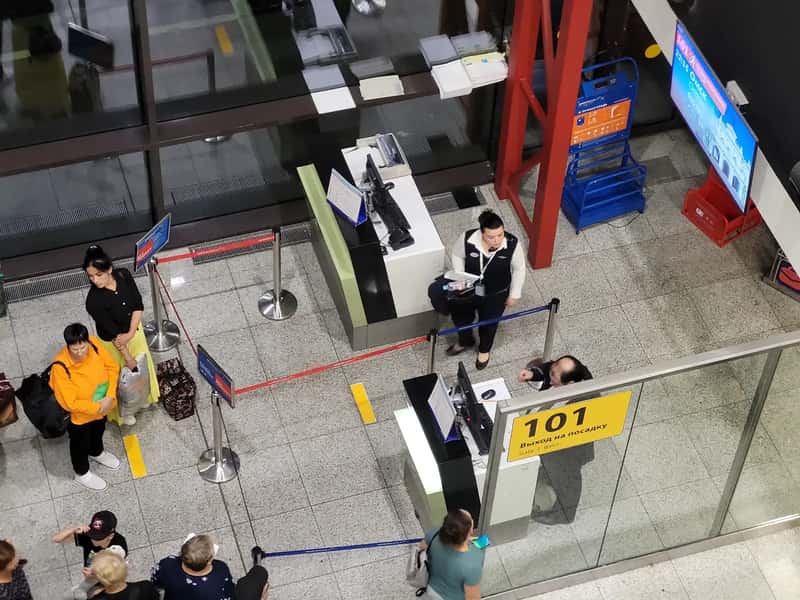
Reading the room is a skill. Gate agents are managing an enormous number of tasks simultaneously, and approaching one mid-crisis is almost guaranteed to end with a firm “no.” Honestly, it’s not even that they don’t want to help – they simply cannot.
From coordinating assistance for wheelchair passengers and children traveling alone, to preparing the same plane to depart again, gate agents have their hands full. They also deal with last-minute seat assignments, upgrades, customer questions, and crew or maintenance issues. The smart move is to wait for a lull. Go early, wait till the gate agent gets through those passengers lined up to get a problem fixed, give them a few minutes to breathe, and then go for it when there’s a lull. When things are quiet, politely ask the gate agent if there are any upgrades available for a single passenger. It’s still a long shot, but if you keep expectations low, it doesn’t hurt to ask and see if they invite you to wait at the gate until they know if they have any empty seats.
6. Never Making a Scene or a Bad Impression – Ever
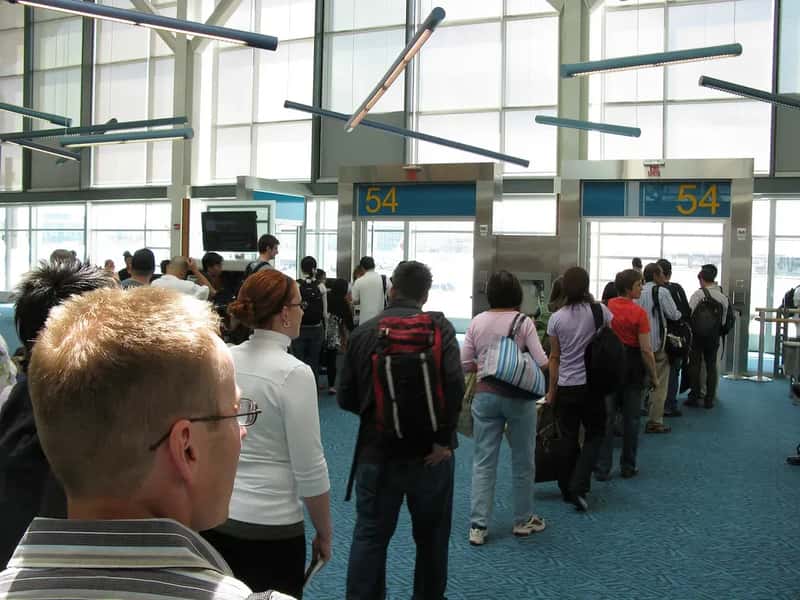
This one might sound obvious, but it’s shocking how many passengers undermine themselves before they ever make an upgrade request. Gate agents have long institutional memories, and some airlines actively maintain passenger behavior records.
Although each airline is different, agents can and do make comments on a traveler’s record. Your nasty behavior or comments in the past can haunt you when you travel – you could even be more likely to get bumped from future flights if you’ve been really disruptive. It’s a bit like having a permanent report card you can’t see. An agent can help you in being protected on the next flight or looking for an alternative, but it pays to be nice and patient. Think of it this way: every interaction at an airport is an audition. You’re always being observed, and agents are always forming impressions, whether consciously or not.
7. Being Flexible and Volunteering When the Flight Is Oversold
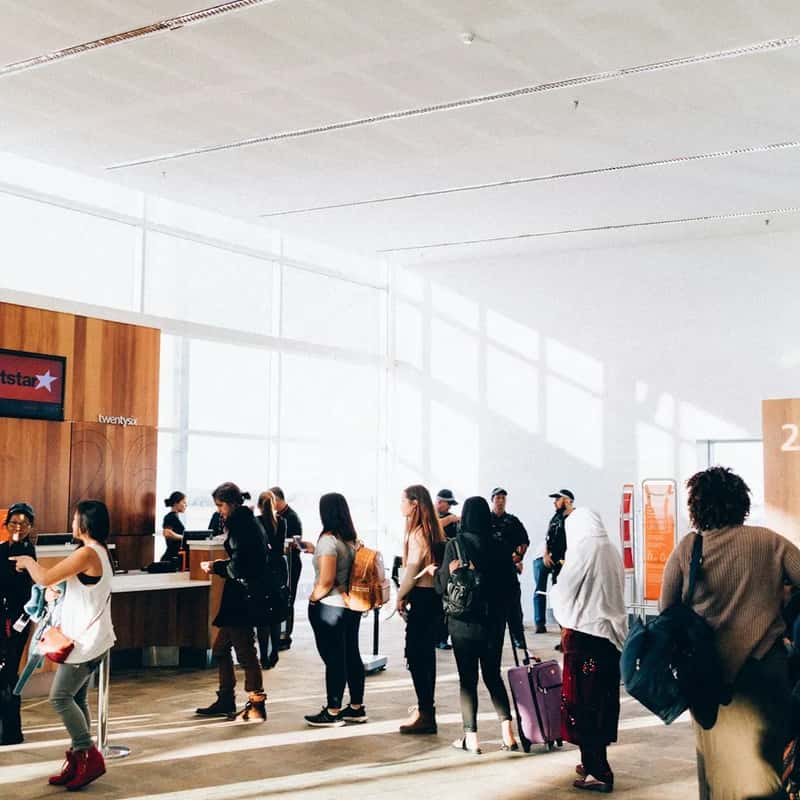
This is the one behavior that most passengers overlook entirely, yet it might actually be the most powerful of all. When a flight is overbooked and the gate agent is looking for volunteers to take a later flight, the passenger who steps forward calmly and willingly becomes an instant VIP.
The only time an agent might upgrade someone for free is if economy class is overbooked and there are no more eligible passengers on the upgrade list. Volunteering to be bumped to a later flight often comes with perks like travel vouchers, meal credits, and – yes – an upgraded seat on your rescheduled flight. Last-minute upgrade opportunities have become more accessible in recent years, with airlines offering various ways to snag a first-class seat just before departure. As of 2024, many carriers have introduced dynamic pricing for upgrades, allowing passengers to bid or purchase upgrades at check-in or even at the gate. This shift has opened up new possibilities for travelers who are flexible and willing to take a chance on last-minute availability. Flexibility, in other words, is a currency. The more of it you show, the more valuable you become to an overwhelmed gate agent trying to solve a seating puzzle under time pressure.
The Takeaway
Here’s what all seven of these behaviors have in common: they make a gate agent’s job easier. That’s really the secret hiding in plain sight. When you arrive on time, stay calm, travel alone during off-peak hours, hold some form of loyalty status, ask at the right moment, maintain a clean behavioral record, and volunteer your flexibility when needed, you are not just hoping for luck. You are actively positioning yourself as the passenger a gate agent is relieved to reward.
With the implementation of modern computer systems, airline executives are able to track and hold all employees accountable for everything, meaning agents have much less flexibility to upgrade passengers randomly. The era of a free upgrade just for dressing well is largely over. What remains is something more valuable: a system of quiet, consistent behaviors that signal to every human decision-maker in that terminal that you are exactly the kind of passenger worth moving forward. The question is, how many of these seven were you already doing without realizing it?