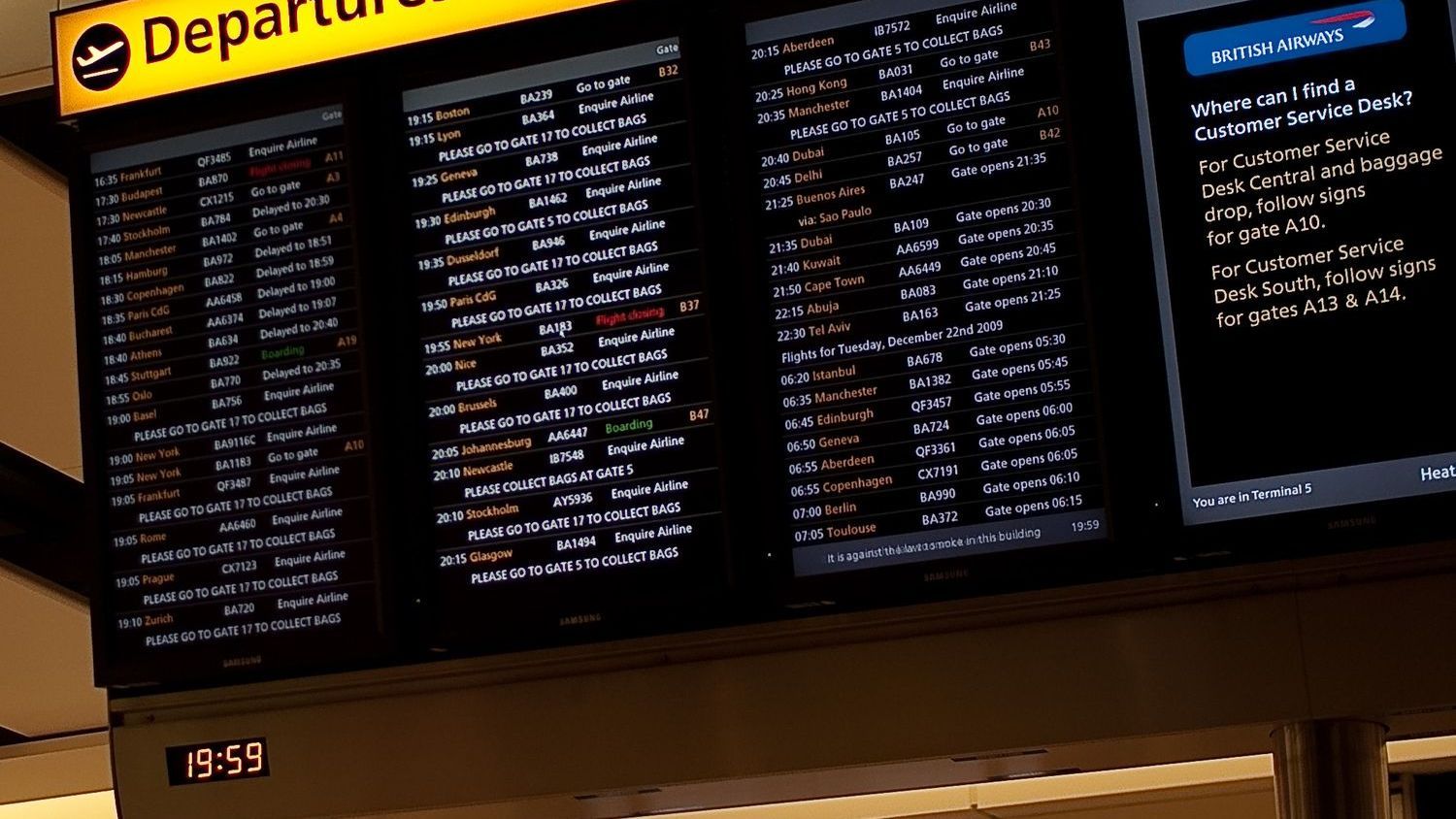
Flight delays are an unavoidable part of air travel, and the numbers make that hard to ignore. One out of every five flights in the U.S. was delayed in 2024, according to federal data, with over 1.5 million flights delayed nationwide, accounting for about 20.3% of all scheduled domestic flights. Gate agents sit at the center of this chaos, fielding questions, managing crowds, and coordinating with operations teams in real time. What most passengers don’t realize is that a few simple behaviors, done consistently, can make the difference between a delay that spirals and one that gets resolved smoothly. These are the things gate agents actually appreciate, and the habits that help everyone get where they’re going.
1. Staying Calm and Being Respectful at the Desk
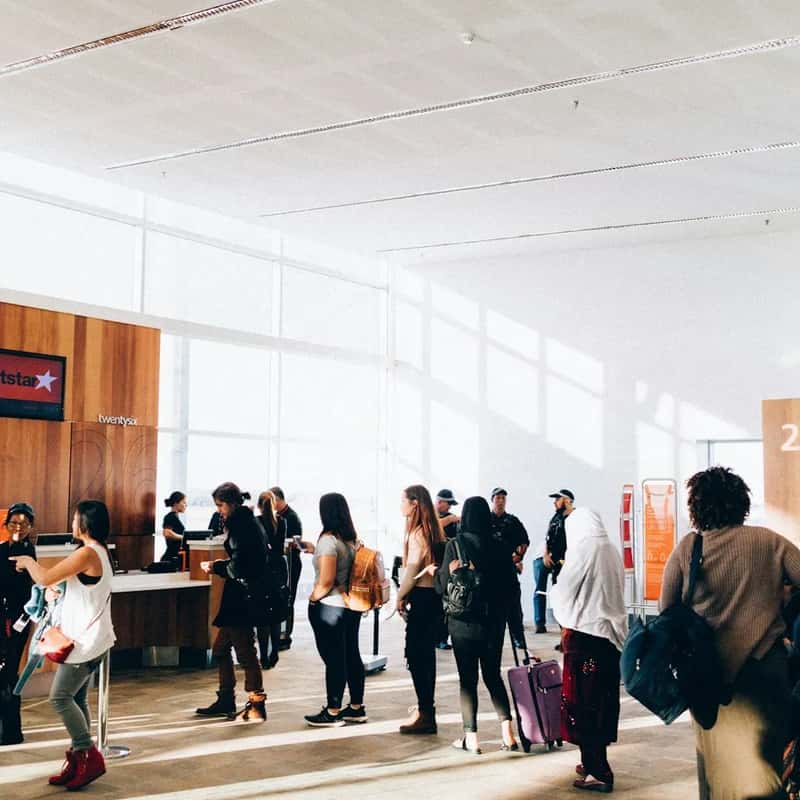
Despite the pressure and difficult situations they face, most gate agents genuinely want to help passengers, especially those who treat them with respect. Agents don’t cause delays and have limited control over airline decisions. They are, in fact, your best ally in a frustrating situation. That distinction matters more than most travelers realize. The agent at the podium didn’t schedule the storm, didn’t approve the mechanical issue, and can’t conjure a new aircraft out of thin air. They are the messenger, not the source of the problem.
While agents must follow airline policy, they have surprising flexibility in how they prioritize passengers, issue vouchers, and escalate cases to supervisors. Agents routinely help passengers who are calm, prepared, and respectful, while those who shout or threaten often get minimum assistance. Although each airline is different, agents can and do make comments on a traveler’s record. Nasty behavior or comments in the past can haunt you when you travel, and you could even be more likely to get bumped from future flights if you have been really disruptive. The gate is not the place to lose composure.
2. Approaching the Gate Desk at the Right Moment
By the time a delay is announced over the PA system, gate agents have often known about it for 15 to 30 minutes. Operations must confirm the exact delay reason, calculate new departure times, and coordinate with multiple departments before agents can make official statements. That internal coordination takes time, and rushing the desk the moment boarding stops often means you’re interrupting a process, not accelerating it. Agents dealing with a flood of anxious passengers right after an announcement are the least equipped to give useful answers.
The worst time to approach gate agents is during boarding or immediately after a delay announcement when they’re swamped. The best time is 10 to 15 minutes after an announcement, once initial chaos subsides but before the next wave of passengers arrives. Later in the delay period, when agents have more information and less immediate pressure, is also effective. Timing your approach thoughtfully signals awareness and earns you more focused attention. This one shift alone can mean the difference between a productive conversation and a frustrated shrug from an overwhelmed agent.
3. Boarding When Your Zone Is Called, Not Before
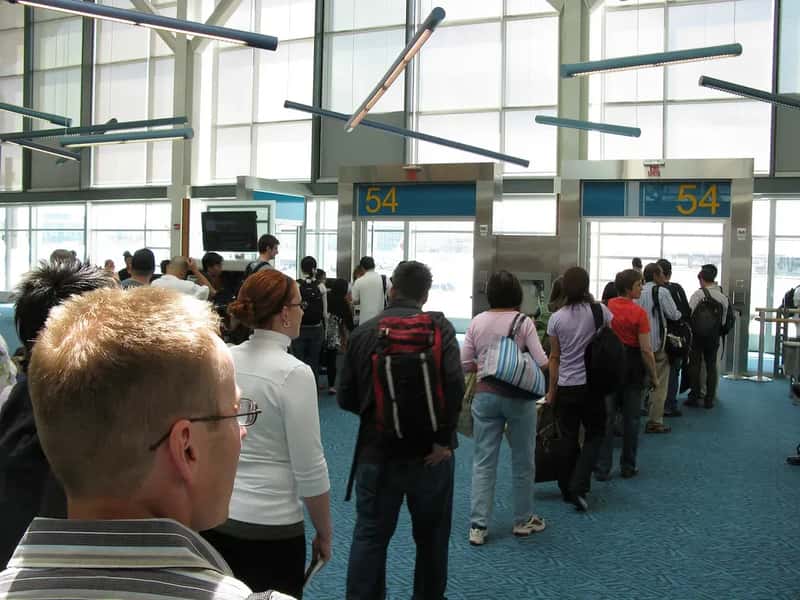
One of the most persistent frustrations at the gate has its own nickname in aviation circles. In 2024, American Airlines spent millions of dollars developing software that will block people from boarding before their zone has been called. People who do this are sometimes called by the pejorative term “gate lice.” Gate agents are usually on a time crunch to complete boarding and consequently will often not argue with passengers who have lined up early. The problem is that this crowding doesn’t help anyone board faster. It creates congestion at the jet bridge, slows down the entire process, and adds stress to a team already managing dozens of tasks simultaneously.
Crowding the boarding door area 20 minutes before boarding begins or standing in the way when one’s boarding zone has not been called only inhibits efficient boarding for the gate agent and the passengers. It is a long time before everyone is in their seats and the doors can be closed when this happens. These frictions in the boarding process are more than a minor inconvenience – they create system-wide delays. Simply sitting down and waiting for your zone to be called is one of the most direct contributions a passenger can make to an on-time departure.
4. Volunteering to Gate-Check a Carry-On Bag
Overhead bin space is one of the most contested resources on any full flight, and it is often about speeding up boarding or enforcing policy early. On a full flight, if everyone brings a carry-on, there’s just not enough room, so airlines start checking bags early, even if the bins still look empty. Passengers who willingly offer to gate-check their bag when asked, or even before being asked, remove a real bottleneck from the boarding process. People were happy to gate-check bags when asked nicely, and it can be framed as a positive since they don’t have to lug their bag through the airport. They can head straight to baggage claim worry-free. Offering your bag to the gate agent, if you are willing to collect it at baggage claim, helps bypass bag fees and heavy lifting, and helps the flight depart on time.
Gate check is when your carry-on is taken at the gate and stowed in the hold, common on small regional jets or when bins are full, with return either on the jet bridge or at baggage claim. Importantly, when bins are full, gate-checking a standard carry-on is usually done at no charge. If there is a delay, gate-checking is one way to speed things up: fewer carry-ons means faster boarding. It’s just logistics. Passengers who understand this and cooperate proactively tend to be the ones gate agents remember favorably and are more inclined to go the extra mile for when the next snag arises.
5. Asking for Written Delay Documentation Politely
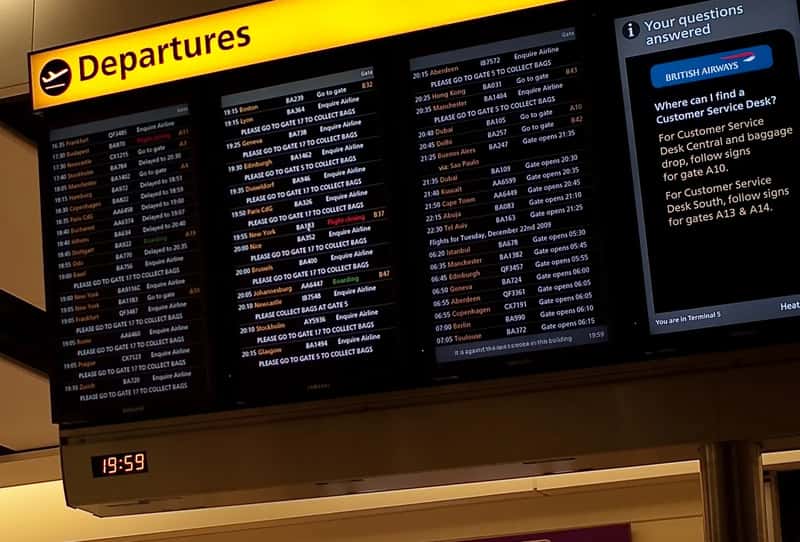
During a delay, most passengers either complain loudly or retreat to their phones. Very few think to ask for something that actually helps them later. Most passengers never ask for written documentation of delays, which makes claiming compensation much harder later. Gate agents can print delay confirmations, provide official stamps, or write brief notes on airline letterhead that become invaluable evidence. This is especially important now that compensation rules have evolved. A 2024 federal rule streamlines refunds for certain delays, but additional compensation is up to each airline.
Most agents will help if asked politely, especially during longer delays when they have time. Airlines allocate a limited number of meal vouchers, hotel rooms, and rebooking options, and gate agents distribute these on a first-come, first-served basis, meaning passengers who ask early get help while those who wait often hear “we’ve run out.” Speaking to gate agents politely but firmly, requesting rebooking on the next available flight, potentially with partner airlines, is the first step. Insiders recommend using airline apps for real-time updates, which often provide faster rebooking options than standing in long lines. A calm, direct ask at the right time is one of the most effective tools a delayed passenger has.
The gate is a pressure point where frustration peaks and decisions happen fast. In 2025, approximately one billion passengers departed from U.S. airports, and nearly a quarter of those travelers, about 248 million, experienced a flight delay or cancellation. Gate agents are the last airline representatives passengers see before boarding, meaning while they’re working, they’re also fielding a lot of customer service questions unrelated to their mission of a timely takeoff. The five behaviors above cost nothing. They require no elite status, no app, and no upgrade. They only require a little awareness of what the person behind the podium is actually dealing with.