If you spend any real amount of time traveling through Costa Rica, chances are you’ll find yourself driving the Interamericana Highway 1 more often than expected. I certainly did. It’s the backbone that connects San José to the Pacific coast, to Manuel Antonio, to the northern national parks, and to the Nicoya Peninsula.
At first glance it might look like a functional transit road—something to get through rather than explore—but that would be a mistake. This stretch of road hides a surprising concentration of worthwhile stops that break up long drives and add texture to what could otherwise feel like pure logistics. Some are iconic, others quieter and more understated, but together they turn the Interamericana into an itinerary in its own right. In fact, the leg I had planned from Manuel Antonio to Miravalles Volcano—a drive I was genuinely worried would be long and exhausting—ended up being one of the best days of my entire trip through Costa Rica.
Tárcoles River Bridge: Crocodiles, Close Up
One of the most famous stops technically comes before you fully rejoin Highway 1, while you’re still on Route 34—but if you’re driving north from the southern Pacific coast, it’s directly on your way. I’m talking about the Tárcoles River Bridge, roughly halfway between San José and Manuel Antonio, and a natural pause point before heading toward the northern parks.
You’ll know you’re there immediately: traffic slows, cars pull over, and clusters of people lean over the railing, all looking straight down. Below, in the muddy water, dozens of American crocodiles rest along the banks or drift just under the surface. Some are enormous—uncomfortably so. Seeing them from above is fascinating and unsettling at the same time. Few places in the world allow you to observe crocodiles this closely, safely, and without a guide or a boat.
Practical tip: stop only during daylight hours. Early morning or late afternoon is best for crocodile activity, but traffic can be heavy—park carefully and cross the road with attention.
Right next to the bridge, a surprisingly good roadside shop sells fresh fruit, cold drinks, Costa Rican snacks, coffee, and a solid selection of locally made crafts. It’s an easy, well-timed place to stretch your legs and recalibrate before getting back on the road.
Cañas: A Drink You Didn’t Know You’d Miss
I didn’t personally stop in Cañas, and I regret it. The town is known for traditional dairy-based drinks typical of Guanacaste—especially leche dormida, along with other milk-based refreshments that locals grew up with. Reaching Cañas requires committing fully to Highway 1, and timing didn’t allow me to add this extra stop, even though it came highly recommended.
This is not about sightseeing in the classic sense. It’s about tasting everyday Costa Rican culture—small rituals that rarely make it into glossy guides but reveal a lot about a place. By all accounts, Cañas is a pleasant town for a short break, with a relaxed local rhythm that adds to its low-key appeal.
Las Pumas Rescue Center: Wildlife With a Purpose
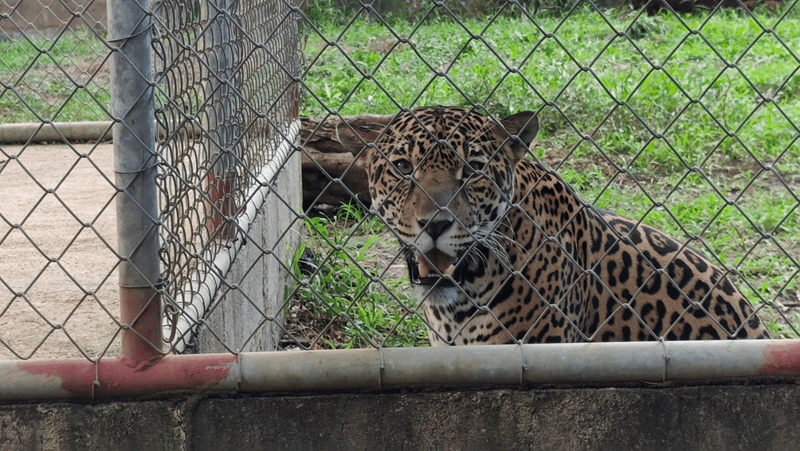
Continuing north near Cañas, Las Pumas Rescue Center is one of the most meaningful stops along the route. This is not a zoo, and the distinction matters. Las Pumas is a wildlife sanctuary dedicated to rescuing animals that cannot return to the wild due to injury, trafficking, or human conflict. Visitors only see animals that are unable to survive independently—those too badly mistreated or too habituated to humans. Behind the scenes, there is also a rehabilitation hospital where the majority of rescued animals are treated and eventually released back into the wild.
The visit is guided by knowledgeable caretakers who explain each animal’s story, often moving and difficult to hear. New animals arrive almost daily. There are multiple ways to support the center, from donations to purchasing souvenirs, all of which go directly toward animal care. The experience is calm, respectful, and deeply educational. It offers a more complex view of Costa Rica’s conservation work—one that goes beyond the postcard version of pura vida and addresses the real consequences of human impact on fragile ecosystems. Practical tip: allow 60–90 minutes. Visits are best earlier in the day to avoid heat. Around 3:00 pm is feeding time, when animals tend to be more active and visible.
Llanos de Cortés Waterfall: Swimming Under a Curtain of Water

If you’re craving something physical and refreshing, Llanos de Cortés Waterfall near Bagaces is one of the most rewarding natural stops along Highway 1. Unlike many Costa Rican waterfalls that require long hikes, this one is easily accessible via a short walk from the parking area. The waterfall is wide and powerful, spilling over a rock ledge into a large natural pool where swimming is encouraged. The water is noticeably cooler than the surrounding air, and standing beneath the falling curtain feels both energizing and grounding after hours in the car.
The atmosphere is open and social—locals come here too—and it’s an ideal place to pause for a couple of hours on a hot travel day. Just watch for slippery rocks near the base and avoid swimming too close to the strongest current. Practical tip: there’s a small entrance fee and basic facilities near the parking area. Visit earlier in the day or on weekdays to avoid crowds.
A Road That Doesn’t End Where Your Trip Does
Driving along Costa Rica’s Interamericana 1, it’s easy to think of it as just another national highway: but this stretch of asphalt is part of the Pan-American Highway, a legendary road system that—at least in theory—runs from the northern edge of North America all the way down to the southern tip of South America.
The Interamericana is shared by local commuters, international truck drivers hauling goods across borders, long-distance buses, backpackers, and travelers like me, zigzagging between national parks and coastlines. Every time you merge back onto it, you’re briefly part of something much larger than your itinerary. Your trip might end in Manuel Antonio, Nicoya, or San José—but the road keeps going, crossing borders, cultures, climates, and histories.
Why This Road Mattered to Me
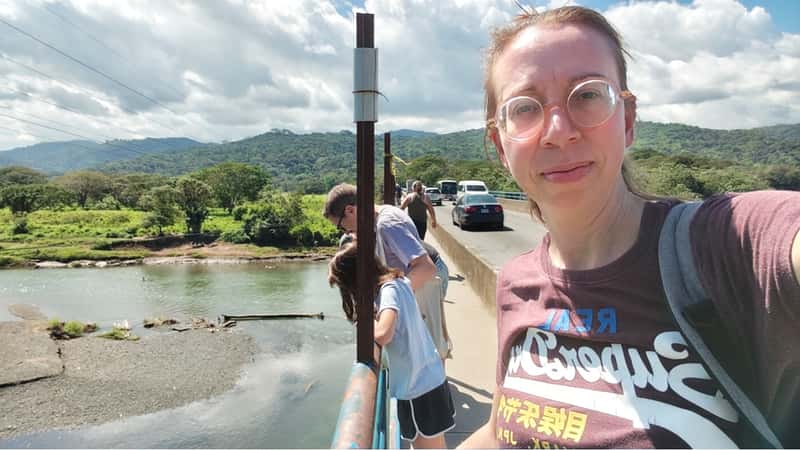
Sometimes, while traveling, you feel an unexpected sense of connection—to a place, a situation, even something as ordinary as a road. That happened to me here. For reasons I can’t fully explain, I felt at ease on the Interamericana, perfectly in sync with its rhythm.
With all the things it offered along the way, it felt like a familiar companion—one that always had something interesting planned, keeping me engaged, grounded, and comfortable. Those moments are rare, and they’re one of the quiet gifts of travel.