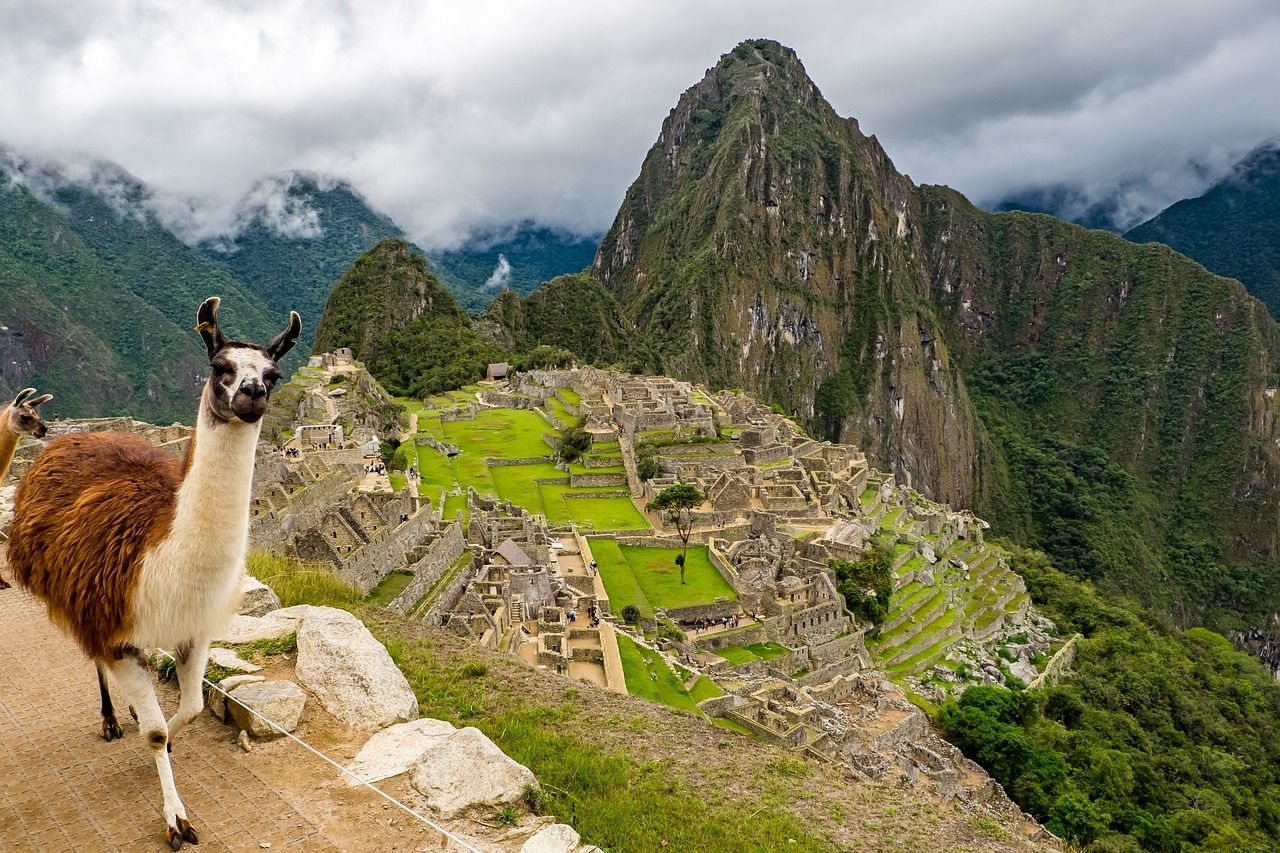
Walk up to the Guardhouse terrace on a busy morning and you’ll see the same scene repeat itself. Phones go up, people shuffle a step to the left for a cleaner frame, and then many of them head straight for the exit. The citadel below has far more to show than one angle.
Local guides see this pattern every day. This article covers the places, details and rules that tend to get skipped when the photo becomes the whole plan, along with the current ticket facts that decide what you can actually reach.
The Famous Viewpoint Depends on Your Ticket
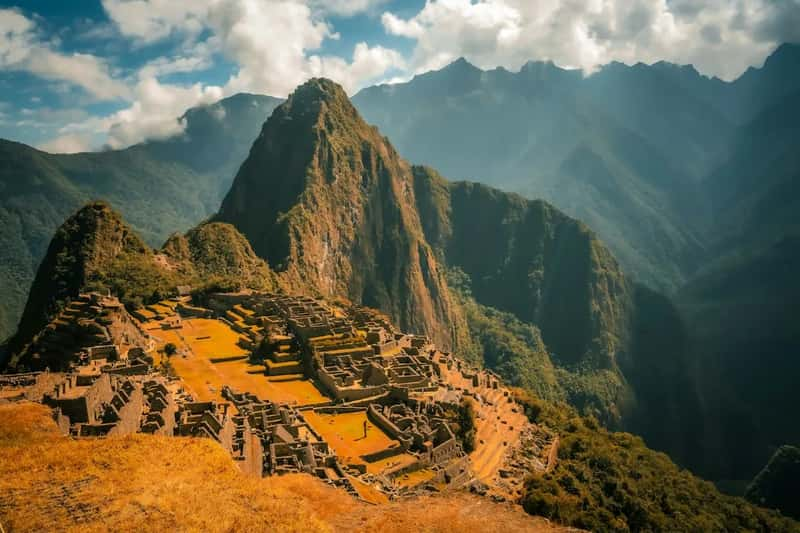
Many visitors assume the classic postcard view comes with any entry. It doesn’t. Since June 1, 2024, every ticket has been sold for one specific circuit and route, chosen at purchase, with no switching once you’re inside.[1]
The system now has three circuits split into ten fixed routes[2]. One guide to the circuits notes that Circuit 1 suits travelers who want the classic photo from above[3]. Another warns that choosing a route that skips it means missing the classic view and the upper ruins, including the Sacred Plaza and Intihuatana[4].
Crowds Are Capped, Yet Still Heavy
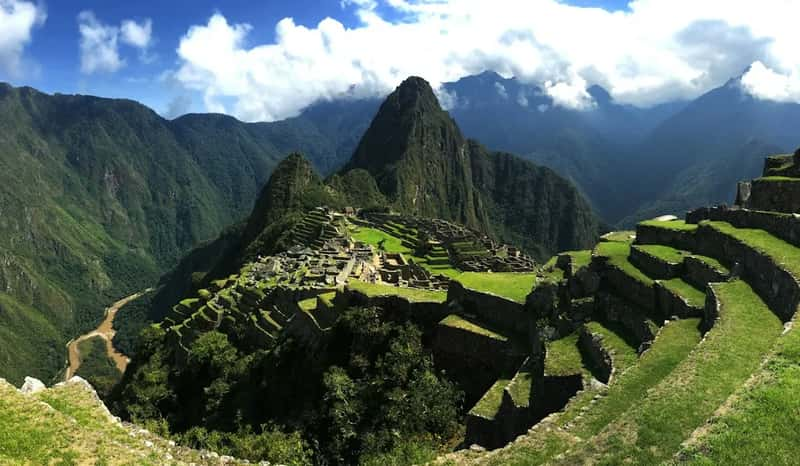
Machu Picchu runs on a daily ceiling, and the number changes with the calendar. In 2026 the limit is 4,500 tickets on most days and 5,600 on declared high season days, which run from 19 June to 2 November, plus 1 January, 2 to 5 April and 30 to 31 December.[5] Peru has returned to the regular limit of 4,500 from 3 November 2026[6].
Demand has bounced back strongly. The site has drawn around 1.5 million visitors a year in recent years, and 2025 pushed back toward that figure.[5] Cusco’s regional tourism office reported that traffic had reached 97 percent of levels from before the pandemic[7], which explains why the viewpoint queue rarely thins out.
The Temple of the Sun Rewards a Slower Look
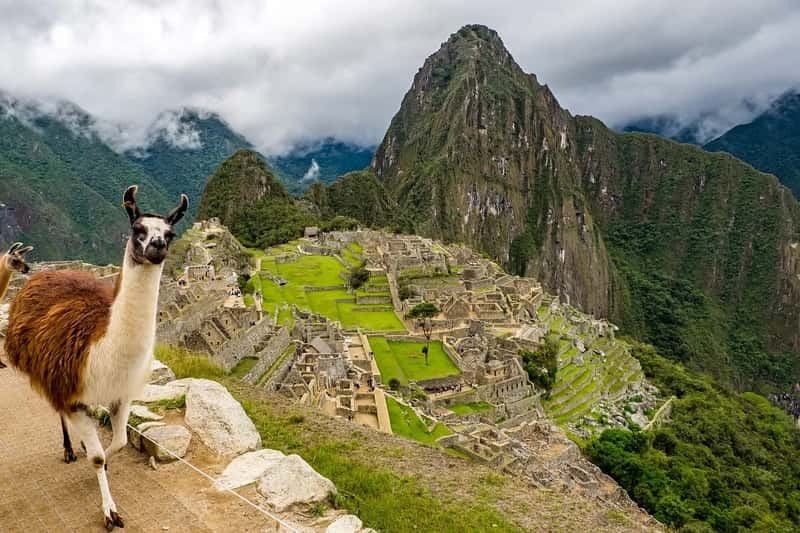
The curved tower known as the Torreón is easy to photograph and easy to forget. It was built with precisely cut stones and dedicated to the sun god, Inti.[8] Two windows accurately mark the solstices and equinoxes, which supports the belief that it served for sun worship and calendar events.[8]
Don’t expect to wander inside. Visitors cannot physically enter the temple[9], so the viewing angle matters. One route lets you look down into the Torreón from above[4], and a cave beneath it, the Royal Tomb, is believed to have been a burial site for Inca nobility[3].
Intihuatana, the Stone People Walk Past
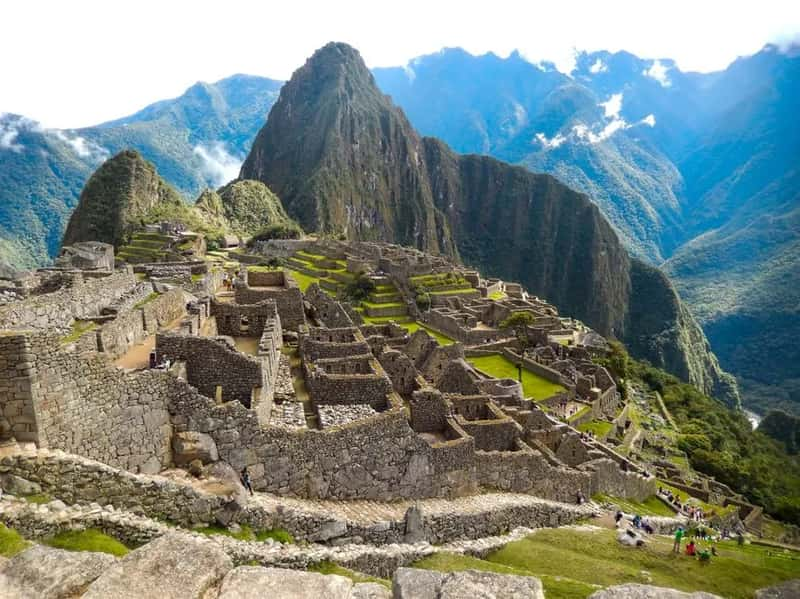
The name translates as “hitching post of the sun” in Quechua, and the stone likely served as a calendar or ritual site.[8] It sits at the highest ceremonial point of the central ridge, reached by a steep stone stairway.[10] The terrace around it was a stage for priestly observation and state ritual at specific calendar moments[10], not just a viewing platform.
Access is worth checking before you go. One guide says reaching it depends on which circuit your ticket covers[10]. Another source states the stone is currently not accessible to the public because of site protection measures[3], so the situation may vary by route and date.
The Sun Gate Is More Than a Viewpoint
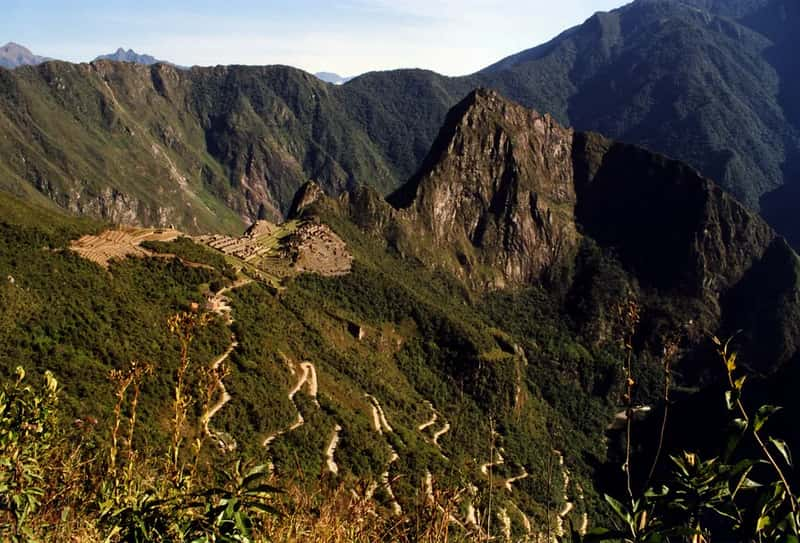
Inti Punku was once the main way in. Because it sits on a ridge southeast of the citadel, the rising sun would pass through the gate each year on the summer solstice.[11] For Inca Trail hikers, it remains the main entrance to Machu Picchu.[3]
Day visitors can reach it too. If you aren’t arriving by the Inca Trail, you can visit the Sun Gate on Circuit 1C.[4] Timing estimates vary by guide, from about 45 minutes up and 30 minutes back[4] to 3 to 4 hours round trip[3], so plan with margin. One travel guide also points out that dawn here is often misty[12], which can spoil a sunrise plan.
Smaller Sites That Don’t Make the Reels
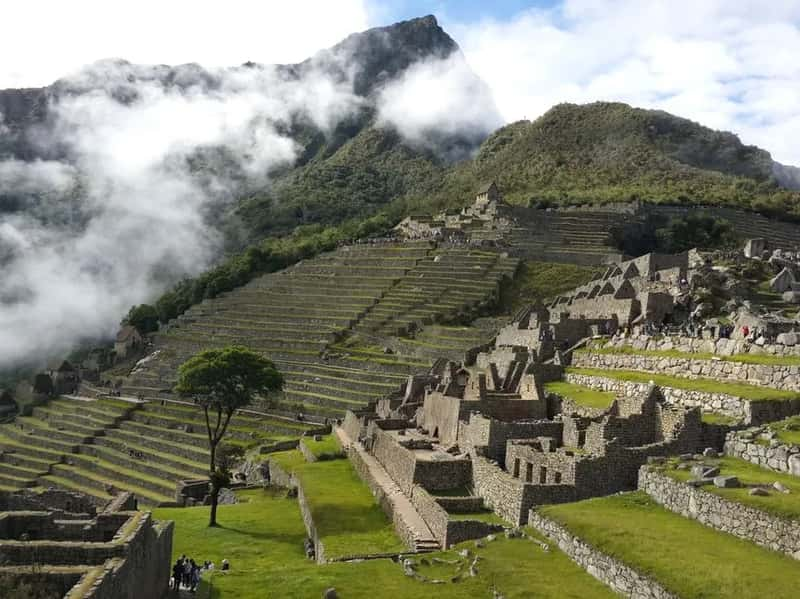
The Temple of the Condor is a good example. You can see the carved head and the rocks that resemble wings.[13] It lies just below the Temple of the Sun[13], so it’s easy to bypass while looking up at the tower.
Other overlooked spots include the Inca Bridge and quieter terraces away from the main tourist paths[14]. A guide can help here, since a knowledgeable guide can point out lesser known corners and details most tourists miss.[14] The terraces matter too, because they showcase Inca engineering[14].
Mountains Offer a Different Photo
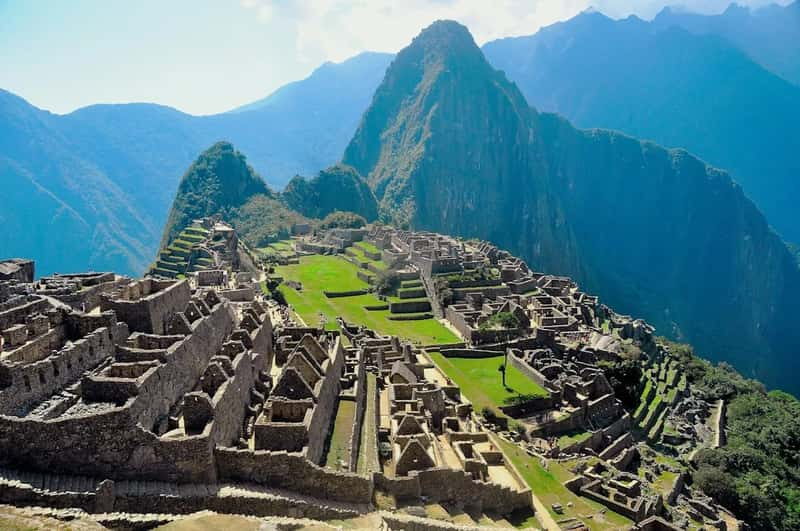
Huayna Picchu is the famous peak, but it’s tightly rationed. Only 350 visitors a day are allowed, and access is limited to those 12 and older.[15] Same day availability is slim, as Huayna Picchu and Machu Picchu Mountain are essentially never available same day in high season.[16]
Machu Picchu Mountain is the quieter alternative. One travel guide calls it less busy, less steep and with a wider trail[12] than Huayna Picchu. Both climbs need their own tickets, so you have to choose them when you book.
Moving Through on the Clock
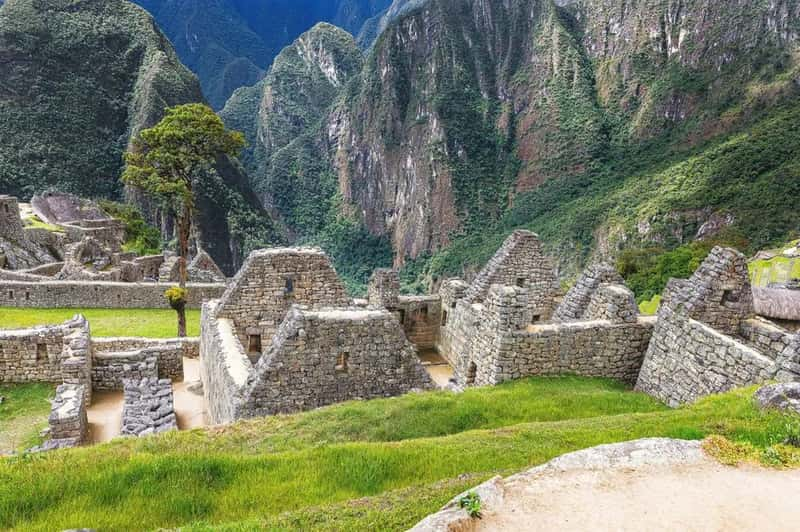
The site no longer allows free roaming. Tickets are divided into closed circuits, each clearly marked and monitored by park rangers.[17] Your entry is also timed, since tickets can only be used during the exact time slot selected at purchase.[17]
Pack with the rules in mind. The 2026 guidance mentions a bag limit of 40 by 35 by 20 centimeters[16]. Guide group sizes are reported differently across sources, so confirm the current figure with your operator.
Booking Rules Worth Knowing Right Now
The official sales platform is tuboleto.cultura.pe[15]. Foreign tourists pay from US$44, while Peruvians and Andean Community members pay from US$19.[2] Mountain routes carry surcharges.[2] Tickets are non transferable and non refundable[18], and your passport number must match the ticket exactly.[2]
The process changed this autumn. On 11 September 2026 the Ministry replaced reserve then pay with pay first tickets and a 15 minute payment limit.[16] On 14 October the Minister announced sales up to a year ahead.[16] Mincetur also announced a new capacity study due in the first half of 2027.[16]