Every year, millions of people show up to America’s national parks with big dreams, brand new hiking boots, and almost zero idea what they’re actually getting into. That’s not a judgment. Honestly, it’s human nature. You see a stunning photo on social media, you book the trip, and you figure you’ll work out the details when you get there.
The National Park Service recorded a record-breaking 331.9 million recreation visits in 2024, which is extraordinary. More people than ever before are out there discovering these wild places. The trouble is, more visitors also means more people making the same preventable mistakes. Rangers see it every single day. Some of those mistakes are embarrassing. Others are genuinely dangerous. Let’s dive in.
Mistake #1: Treating a National Park Like a City Park
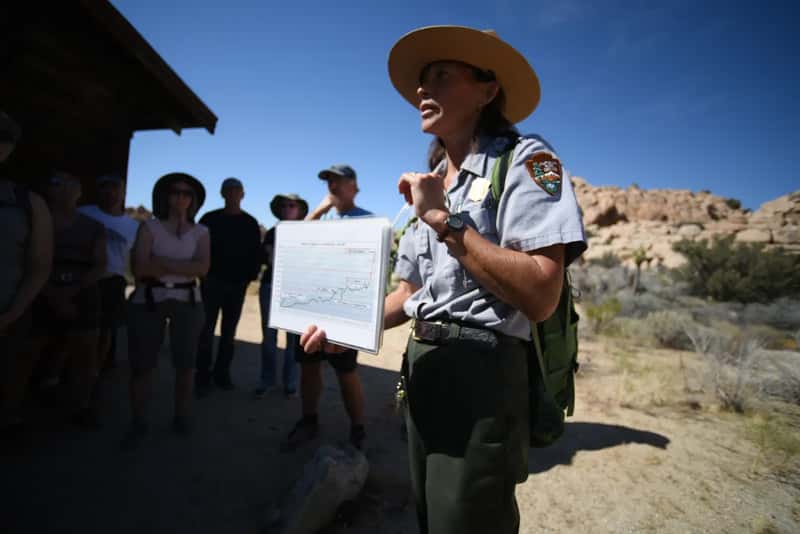
Here’s the thing that park rangers will tell you if you catch them off the clock: the number one mindset error is thinking a national park is just a bigger version of the park down the street. It absolutely is not. The environments are dynamic, wild, and completely indifferent to your comfort.
Research has shown that “many of these incidents reflect a broader issue of risk perception,” with some visitors treating national parks as recreational spaces similar to city parks or zoos, “when in reality they are dynamic and sometimes hazardous natural environments.”
In recent years, visitation to U.S. national parks has increased substantially, and with more visitors comes a greater likelihood of incidents. Think of it this way: even a short trail in the Grand Canyon is basically a desert survival exercise in disguise. The moment you start treating it casually is the moment things can go sideways fast.
Mistake #2: Ignoring Safety Barriers and Closed Areas
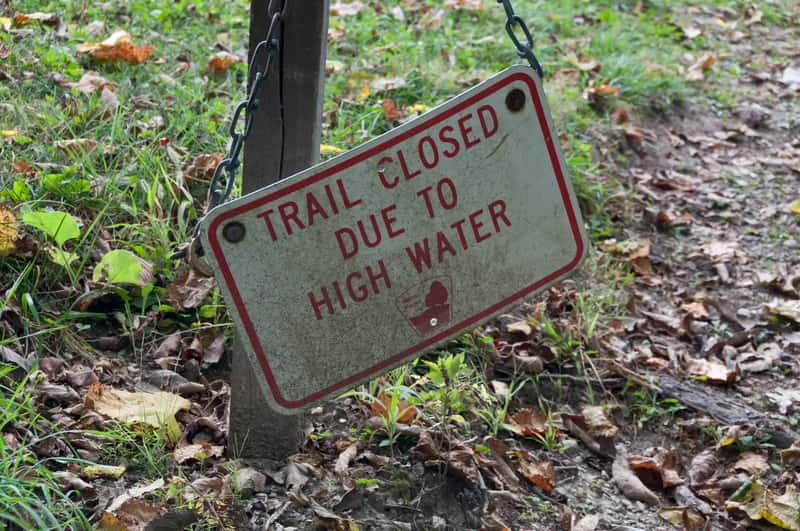
I know it sounds crazy, but people step past safety barriers all the time, often just to snap a photo. Rangers have seen it so many times that it barely surprises them anymore. What does surprise them is that it keeps happening even after high-profile tragedies.
Last spring, two tourists died after climbing over a rail at Bryce Canyon in Utah, and the incident underscored how slipping past safety barriers at scenic overlooks dramatically increases risk. That’s not a freak accident. That’s a predictable outcome of ignoring the very signs designed to keep you safe.
A man who went into a closed section of Kīlauea caldera triggered an overnight search and rescue operation in steep, hazardous terrain. Rescue crews searched all night before locating him the following day, and he was later pronounced dead. Closed areas are closed for a reason, full stop.
Mistake #3: Getting Too Close to Wildlife
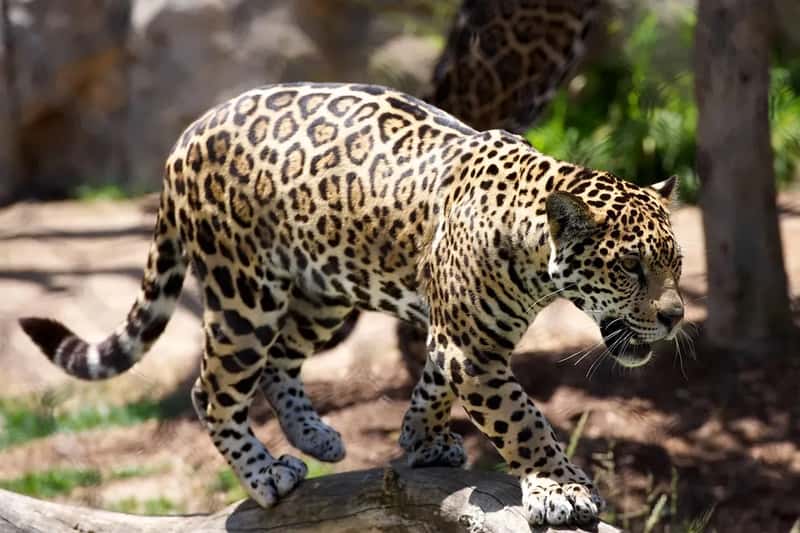
Wildlife encounters are one of the top reasons people visit national parks. Bears, bison, elk, wolves – they’re magnificent. They’re also wild animals that do not care about your Instagram feed. Getting too close is one of the most consistent mistakes rangers document, year after year.
In 2024, an 83-year-old woman was severely injured after being gored by a bison in Yellowstone National Park. Bison look slow and docile from a distance. They are neither. The NPS advises keeping a significant distance from all wildlife without exception.
Never get near wildlife, as even small birds and mammals can bite and carry disease. A general rule of thumb is to stay at least 100 yards from bears and 25 yards from other animals. Feeding wildlife damages their health, alters natural behaviors, and exposes them to predators and other dangers. A fed animal is ultimately a dead animal, as rangers often say.
Mistake #4: Not Bringing Enough Water

Dehydration is the silent trip-ruiner. You feel fine, you’re having a great time, you think the trail looks manageable. Then the sun climbs higher and you realize you’re halfway through your water with no refill in sight. It happens to far more people than you’d expect, including experienced hikers.
Hiking can drain your energy quickly, and dehydration and heat exhaustion may sneak up on you while you are hiking on the trails. Be sure to drink as you are thirsty. The tricky part is that thirst is already a sign you’re behind on hydration. By the time you feel it, your body is already stressed.
In one record summer at the Grand Canyon alone, five heat-related deaths and 300 heat-related search-and-rescue incidents were recorded. Experts recommend carrying a minimum of one quart of water every two hours of activity, and that number goes up dramatically in desert heat or high altitude. Carry more than you think you need. Every time.
Mistake #5: Overestimating Your Fitness Level

There’s a particular kind of confidence that strikes people on vacation. You feel good, you’re excited, and the trail description says “moderate.” Moderate by whose standard, though? A moderate trail in the Rockies would humble most people who walk a few miles a week at sea level. Rangers call this one of the most common reasons for search and rescue calls.
The lush scenery of Zion Canyon lulls hikers into believing they are enjoying a nice canyon stroll. The reality is that Zion National Park sits at a deceptively high altitude, and many of the trails that go up the canyon rim climb over 1,000 feet in elevation in just a couple of miles.
The park service regularly receives calls from visitors who don’t do the proper research or bring adequate gear and get themselves trapped on a ridge or become too tired to make it back on their own. Pick the right trail for you and your group, recognize your abilities and the abilities of your group, and pick a trail that everyone can successfully complete and enjoy safely. That advice from the NPS sounds simple. It saves lives.
Mistake #6: Failing to Leave a Trip Plan
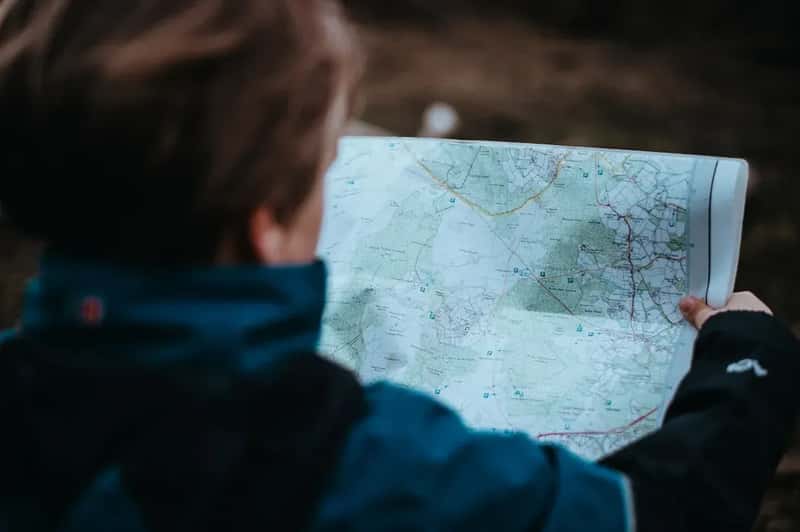
This one is quiet but critical. Most people head out onto a trail without telling a single person where they’re going or when they expect to be back. It feels unnecessary when the sun is shining and the trail looks obvious. The problem is that emergencies don’t wait for convenient moments.
Leave a complete trip plan that details where you will be walking or hiking, your contact information, when you plan to arrive and return, and who is coming with you. Leave this information with a trusted friend or family member not going on the trip. The details in this document can be very helpful to search and rescue teams in the case of an emergency.
You should not count on cell phone reception in parks, so it’s important to develop and practice your emergency plan before you head out, so everyone knows what to do in the event of an emergency. Think of your trip plan like a seatbelt. You hope you never need it. You’d be foolish to leave without it.
Mistake #7: Ignoring Leave No Trace Principles
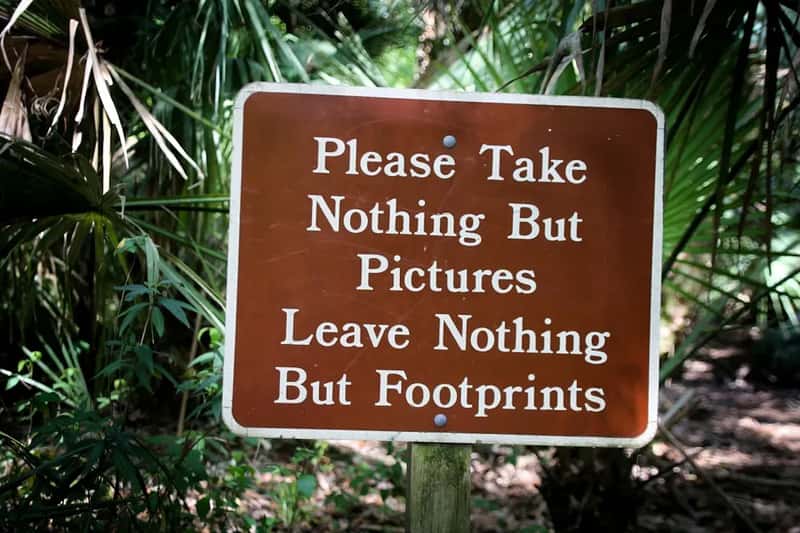
Let’s be real. Most people who ignore Leave No Trace principles aren’t doing it out of malice. They just don’t know the rules, or they figure one granola bar wrapper or one shortcut off the trail won’t hurt anything. Multiply that by hundreds of thousands of visitors, however, and the damage becomes real and lasting.
While it may be difficult to notice the impact from singular actions, thousands of people may visit these sites every day. These cumulative impacts, or the adding up of impacts over time, are where we see a noticeable difference in the health of the ecosystem.
Trampling off designated trails can damage fragile ecosystems, especially in desert parks. Cryptobiotic soil, wildflowers, and other native plants are easily destroyed by foot traffic. Always stick to the marked paths and respect trail closures. It’s exciting to see many new visitors exploring parks, with some camping or hiking for the very first time. Ensuring visitors have enjoyable experiences, however, is becoming increasingly challenging in the most popular parks. Protecting that experience starts with each individual visitor making the right call.
The Bottom Line: Respect the Wild

National parks are extraordinary places. There are 423 park units in the National Park System encompassing over 85 million acres across the nation. That’s an almost incomprehensible amount of wild, protected land available to every single person. It deserves to be treated accordingly.
From 1992 to 2007, there were 78,488 individuals involved in 65,439 search and rescue incidents in national parks. These incidents ended with 2,659 fatalities and over 24,000 ill or injured individuals. On average, there were more than 11 search and rescue incidents every single day. Almost all of those situations had warning signs that were missed or ignored.
The seven mistakes above aren’t exotic or obscure. They’re the everyday errors that rangers watch happen in front of them, season after season. The good news is that every single one of them is entirely avoidable with a little preparation, a little humility, and a genuine respect for the power of nature. Go out there, explore, and have the time of your life. Just do it smart.
What would you have guessed was the number one mistake rangers see? Tell us in the comments.