Twelve years is a strange amount of time to spend on the road. Long enough to watch quiet fishing towns turn into influencer backdrops, and short enough to still remember what they felt like before. Somewhere along the way, a pattern started showing up in my notes that I didn’t expect: the places everyone still recommends are often the ones I’d now tell a friend to think twice about.
This isn’t a list of places to boycott forever. It’s more of an honest gut check, built on more than a decade of watching the same five destinations shift under the weight of their own popularity, and on the numbers that back up what my eyes were already telling me.
Venice, Italy
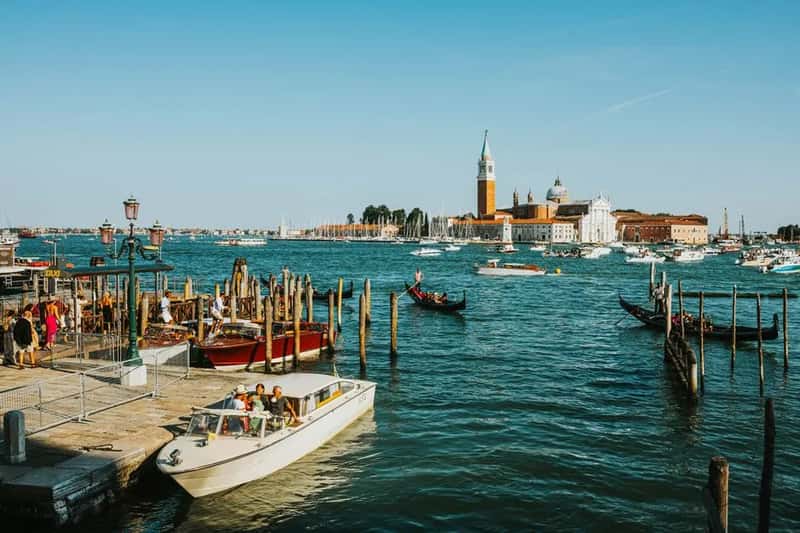
Venice used to feel like walking through a painting. Now it feels like walking through a queue. The city’s own tourism data shows the strain plainly, with officials confirming that activists sounded a warning last summer when the number of tourist beds officially overtook the number of residents, which has dwindled to under 50,000 in a trend that has now been going on for decades.[1]
In 2026, the response has been to charge people just to enter. Under the current system, travellers entering Venice on selected high-demand dates between April and July 2026 have been required to pay either €5 or €10 depending on booking timing.[2] Anyone who skips the registration risks trouble, since visitors who have not paid the fee or registered as an exemption risk a €50 to €300 fine.[1] A city that needs an entry fee and a fine system to manage foot traffic has told you something important about itself.
Barcelona, Spain
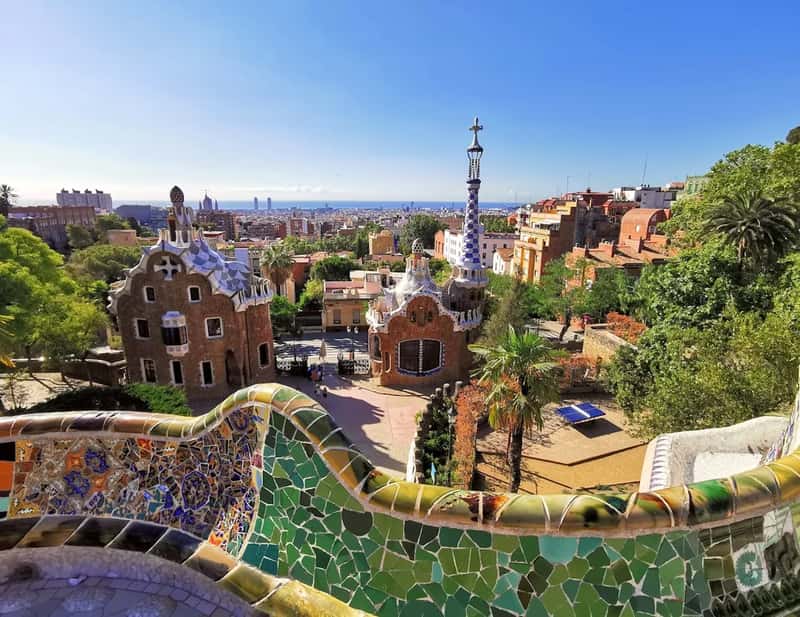
Barcelona’s beaches and architecture are still genuinely stunning. The problem is everything around them. Housing pressure has become the defining story of the city’s tourism debate, and the city’s popularity has created concerns around housing affordability, crowded public spaces and the impact of short-term rentals on local communities.[3]
The city hasn’t been quiet about it either. Officials have moved to phase out thousands of short-term rental licenses, with reporting noting plans to strip the licences from over 10,000 Airbnb-style apartments, trying to rescue a housing market where rents have spiked by a brutal 68 percent.[4] On top of that, Barcelona doubled its tourist tax[5] in 2026, which tells you the city is actively trying to slow down, not speed up, the flow of visitors.
Bali, Indonesia
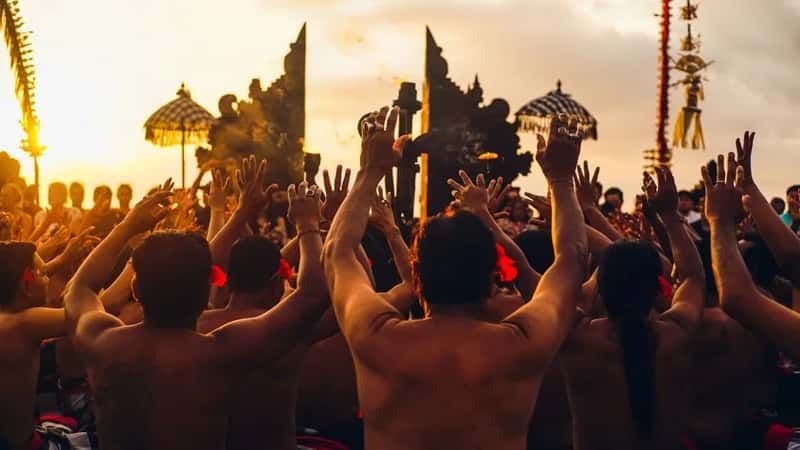
Bali still has the rice terraces and the sunsets that made it famous. What’s changed is the layer of chaos sitting on top of it. Waste management has been a long-running concern, and Fodor’s has previously flagged that in Bali only 7% of its 303,000 tonnes of annual plastic waste was recycled.[6]
On top of the environmental strain, 2026 brought a very different kind of crackdown. Indonesian immigration launched an enforcement push, and in just the opening stretch of it, in the first three weeks of the operation, 62 foreign nationals were detained for various breaches, many involving illegal work activities under tourist visas.[7] Separate reporting on the same task force noted that between January and mid-April, 165 people were deported.[8] An island that once felt loose and easygoing now comes with a genuine legal risk if your trip blurs into remote work or content creation.
Mexico City, Mexico
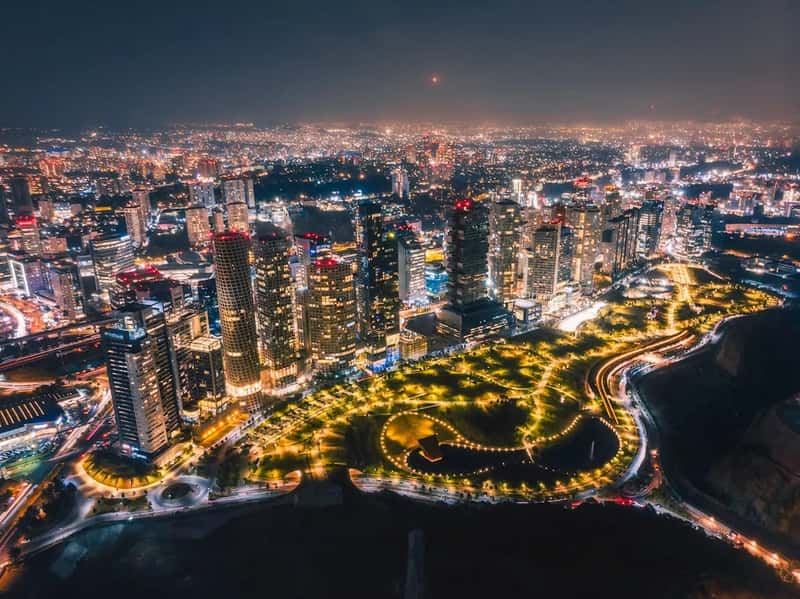
Mexico City’s food, culture, and neighborhoods are as good as advertised. The tension underneath them is not something to gloss over. Fodor’s flagged the city on its latest no list after reporting that it saw sometimes violent eruptions against overtourism throughout the summer of 2025.[6]
Those protests weren’t a one-off. Coverage of the demonstrations noted that the first protest began on 4 July, American Independence Day, to protest against the perceived[6] flood of foreign remote workers pushing up rents in popular neighborhoods. Fodor’s has kept the city on its 2026 watch list alongside other overcrowded spots, noting it sits with Montmartre in Paris or Mexico City, both on Fodor’s No List of places to avoid in 2026.[9]
The Greek Islands (Santorini and Beyond)
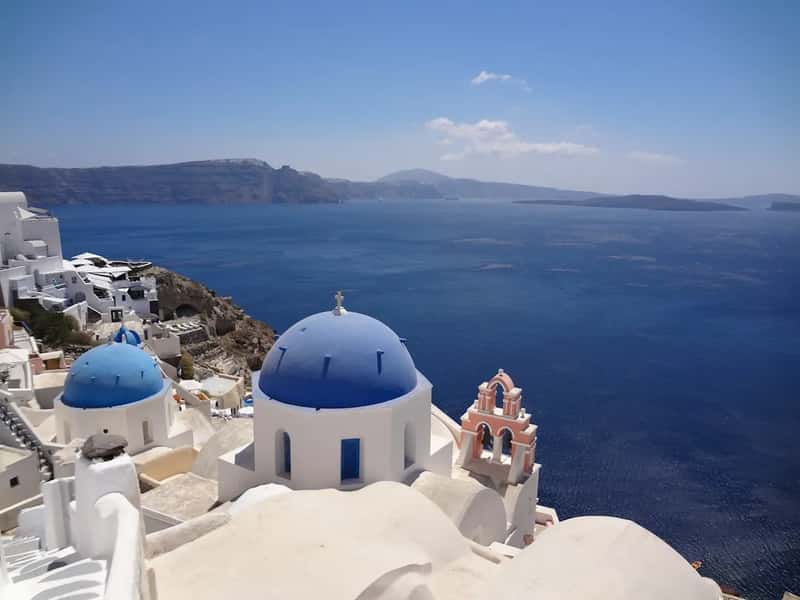
Santorini’s caldera views are worth the hype in photos. In person, during peak season, the experience has become something closer to crowd control than sightseeing. Reporting on 2026 travel patterns puts it plainly, describing how Santorini in particular has become the poster child for postcard beauty meeting physic[10]al limits that the island simply wasn’t built to handle.
Greece has also started pricing its way through the problem. New cruise levies now shift with the season, and outside peak months Greece’s cruise port levy drops from €20 to €12 outside peak months.[5] There’s also a quieter issue getting more attention lately, with coverage pointing to the Greek islands facing water shortages – and what it might mean for your holiday.[4] When a destination’s drinking water and its tourist economy are competing for the same limited supply, that’s a red flag that’s hard to unsee.