Spend enough time behind a front desk or pushing a housekeeping cart, and certain guest behaviors start to blur together. Staff who have worked in hotels for years develop a quiet, almost anthropological eye for the small rituals travelers repeat without thinking twice. None of these habits are bad, exactly, but they do reveal a lot about how people experience a hotel stay when they think no one is paying attention.
Talk to enough front desk agents, concierges, and room attendants, and the same patterns come up again and again. Some are practical, some are a little funny, and a few say more about human nature than about hotels themselves.
1. They Hoard the Little Toiletries Like a Personal Stockpile
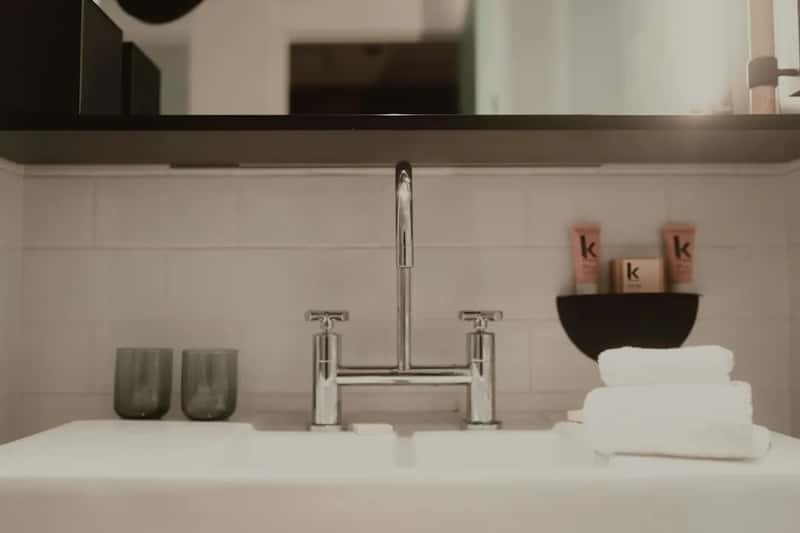
Almost every housekeeper has a story about entering a room and finding the shampoo, conditioner, and lotion bottles completely gone, even though the guest only stayed one night. Some travelers grab a couple of extras out of habit, while others treat the minibar-sized bottles like a small souvenir collection. Staff rarely mind, since most hotels budget for replacements, but the pattern is noticeable enough that it comes up in nearly every conversation about guest quirks.
What is interesting is how consistent this behavior is across price points. Guests at budget motels and five-star resorts alike tend to take the little bottles, though luxury guests are somewhat more likely to leave them untouched since the packaging feels less like a giveaway and more like part of the room’s design. Either way, it is one of the most universally recognized tourist habits in the industry.
2. They Ask for Late Checkout Before Even Unpacking
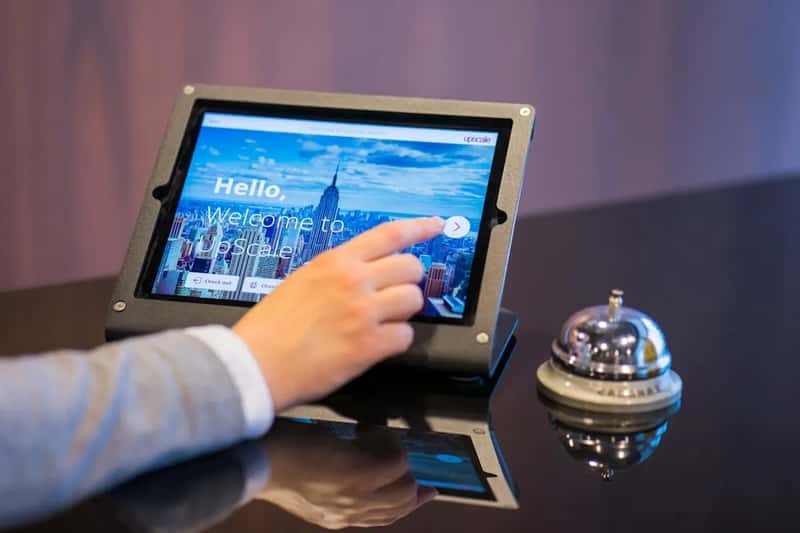
Front desk staff often notice that some guests request a late checkout the moment they arrive, sometimes before they have even seen the room. It is less about needing extra time and more about locking in flexibility early, since many travelers assume the answer will be easier to get in advance than at the last minute. Staff generally appreciate the early ask because it helps with scheduling housekeeping and room turnover for the day.
This habit tends to be more common among business travelers and repeat guests who already know hotel systems well. Leisure travelers, especially first-time visitors to a city, are more likely to wait until the morning of departure to ask, often looking a little sheepish about it. Either way, staff say the request itself has become almost a scripted part of check-in conversations.
3. They Test the Shower and Water Pressure Immediately
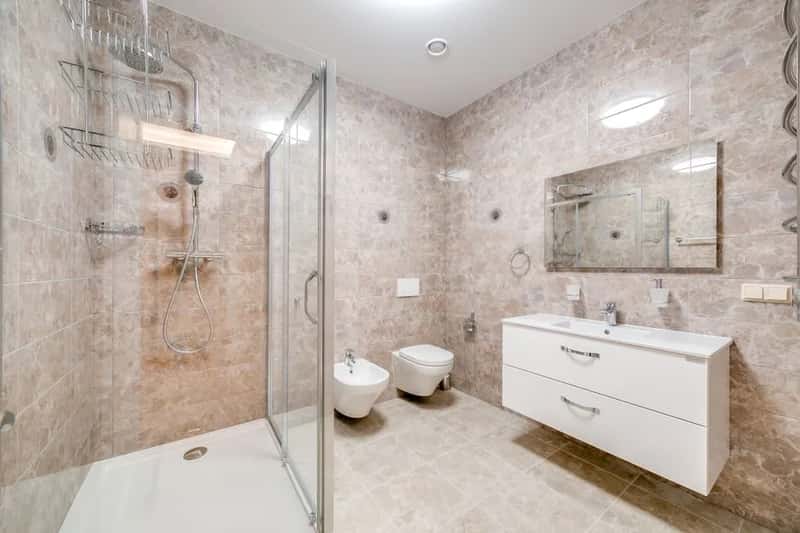
Many hotel workers mention that guests check the shower within minutes of entering the room, sometimes before they have even set down their luggage. It seems to function as a quick trust exercise, a way of confirming that the room matches what was promised online. Water pressure, temperature consistency, and drainage speed are apparently the first things people quietly judge, even before they notice the bed or the view.
Staff in properties with older plumbing say this habit becomes especially clear through complaint patterns, since shower issues are reported faster and more often than almost any other maintenance concern. Newer hotels with updated fixtures tend to see fewer complaints, but the initial shower test still happens just as often. It has become such a predictable behavior that some maintenance teams prioritize plumbing checks specifically because of how quickly guests notice problems.
4. They Rearrange the Room to Find More Outlets
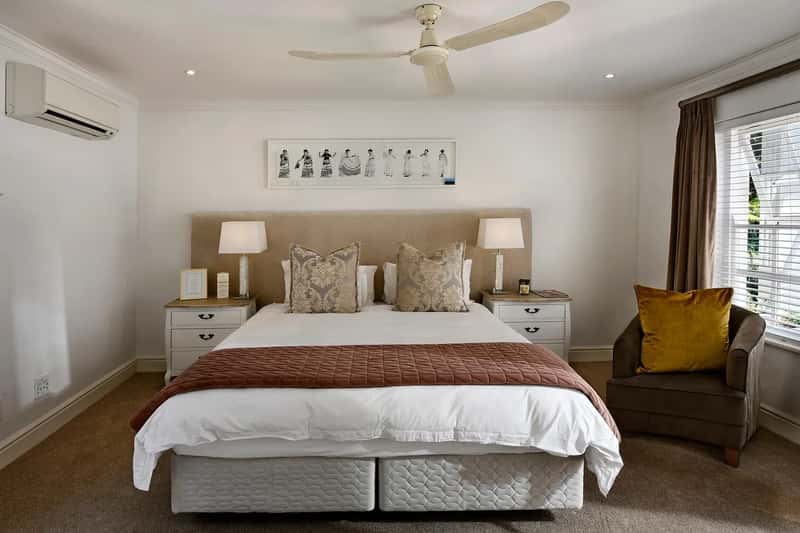
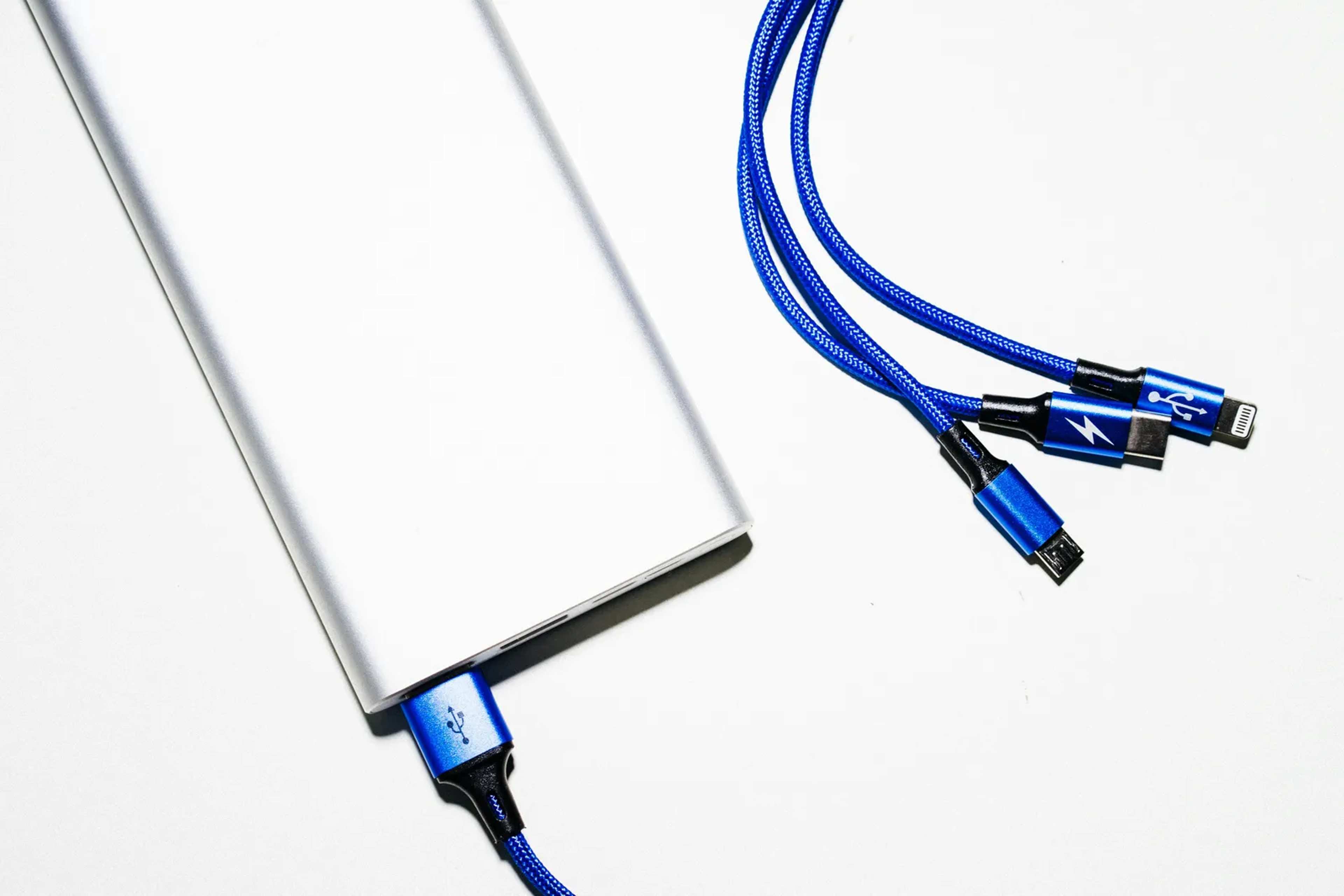
With most travelers carrying at least two or three devices, hotel staff frequently notice furniture slightly shifted or lamps unplugged to make room for chargers. Nightstands get pulled away from the wall, and desk lamps get temporarily disconnected so a laptop or phone can charge instead. It is rarely intentional disruption, just a practical workaround for rooms that were designed before everyone carried multiple gadgets.
Some newer hotels have responded by adding USB ports and additional outlets near the bed, which staff say has noticeably reduced this kind of rearranging. Older properties, especially historic buildings with limited electrical capacity, still see this habit constantly. Housekeeping teams often mention it as one of the more physically obvious signs of how guests actually use a room versus how it was originally set up.
5. They Leave the Do Not Disturb Sign Up All Day, Even When They’re Out
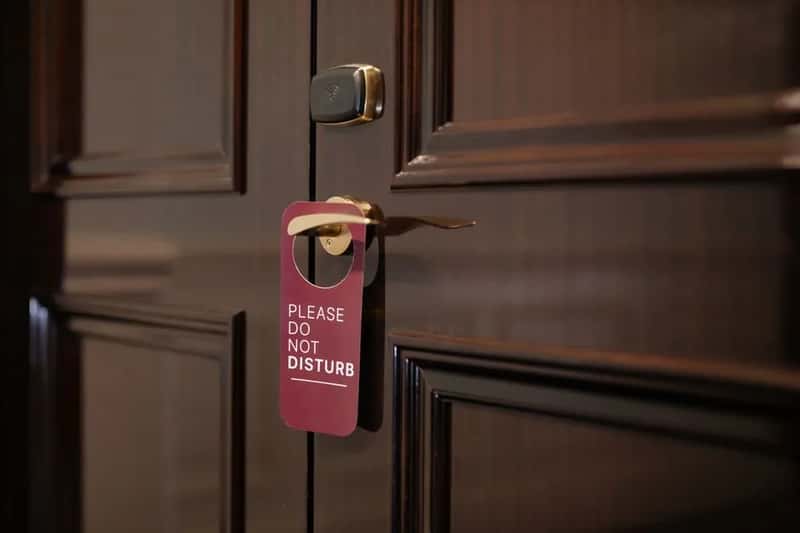
A surprising number of guests hang the Do Not Disturb sign the moment they leave the room, often keeping it there for hours after they have gone sightseeing or headed to meetings. Hotel staff say it usually comes from wanting undisturbed privacy while unpacking or simply forgetting to remove it before heading out. The result is that housekeeping ends up skipping rooms that actually need servicing, which can create scheduling headaches later in the day.
Some properties have started sending a polite text or app notification midday to ask if a guest still wants privacy, a small technological fix for a very human habit. Front desk staff say this approach has cut down on confusion, though the instinct to hang the sign out of caution rather than necessity remains common. It is one of those habits that seems minor but quietly affects the timing of an entire housekeeping shift.
6. They Ask Staff for Restaurant Recommendations Instead of Trusting Review Apps
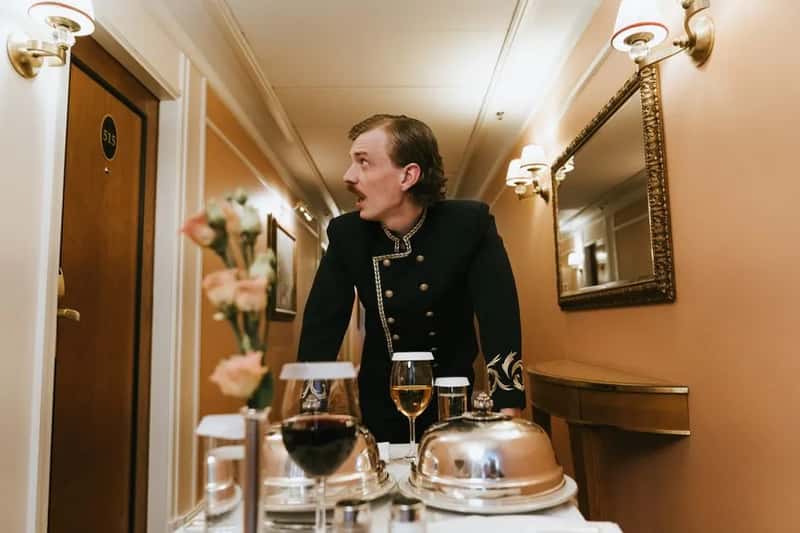
Despite the abundance of review platforms available, many travelers still ask the front desk or concierge for restaurant suggestions rather than relying solely on their phones. Staff say this reflects a preference for local, human judgment over algorithm-driven star ratings, especially in unfamiliar cities. Guests often specifically ask where staff members themselves would eat, treating that answer as more trustworthy than anything online.
This habit has remained steady even as travel apps have become more sophisticated, suggesting that personal recommendations still carry weight that digital reviews cannot fully replace. Concierges in tourist-heavy cities note that the same handful of local spots get mentioned repeatedly because guests trust word of mouth from someone who lives there. It is a small reminder that hospitality, even in a highly digital travel landscape, still relies heavily on personal connection.
7. They Pocket Hotel Pens, Notepads, and Slippers as Keepsakes

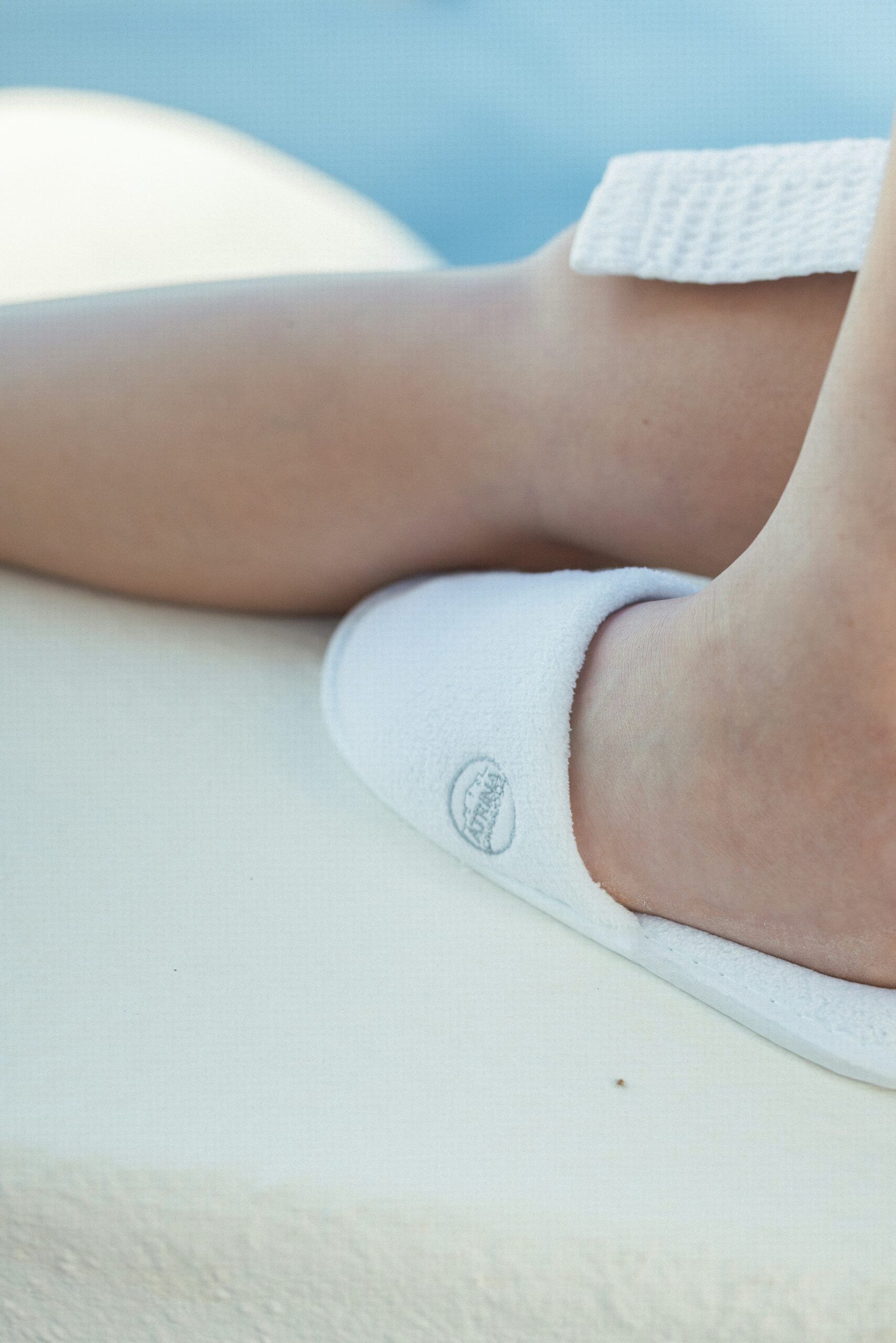
Small branded items like pens, notepads, and slippers disappear from hotel rooms at a steady, predictable rate, according to staff who restock these items regularly. Most hotels intentionally price these small souvenirs into their operating costs, treating them as low-cost marketing rather than a loss. Guests rarely think of it as taking something that is not theirs, since the items are often positioned as small parting gifts.
Interestingly, higher-end hotels tend to see more of this behavior with items like slippers and robes, since guests view them as a fitting memento of a luxury stay. Budget hotels see it more with pens and notepads, smaller items that fit easily into a suitcase without much thought. Staff generally see it as one of the more harmless habits travelers repeat, a small ritual that turns an ordinary hotel stay into something worth remembering.