Most fliers assume that when a plane starts circling instead of landing, something has gone wrong. In reality, holding patterns are one of the most misread pieces of everyday air travel, and the confusion runs a lot deeper than “the weather must be bad.” Controllers and pilots see the same nervous questions on every flight: Are we lost? Is the pilot stalling? Why does it feel random?
It isn’t random. It’s a precisely engineered racetrack in the sky, built around rules most passengers never hear explained, and some of those rules have surprisingly high stakes. Here’s what air traffic teams actually say happens up there.
#27 – You’re Not Lost, You’re in a Queue
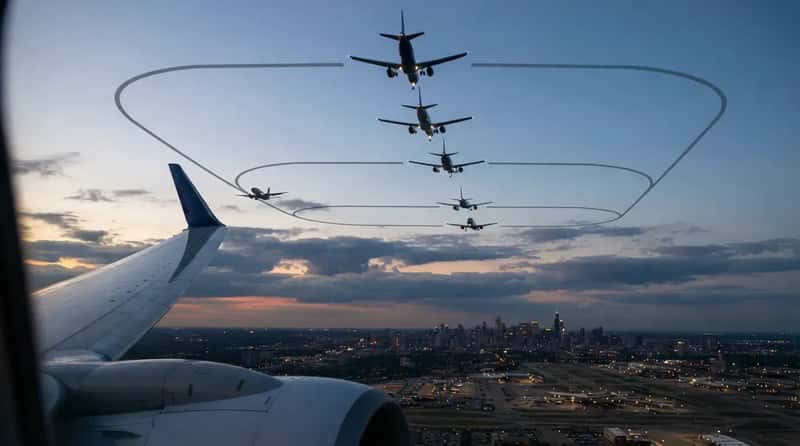
The single biggest misunderstanding about holding is that it signals a problem with the flight itself. A holding pattern keeps an aircraft in a controlled area using a racetrack-shaped course. It’s a parking spot in the sky, not a detour caused by confusion.
Passengers picture chaos, but the reality is closer to a well-run waiting room. Holding patterns are a dynamic tool in aviation, allowing for flexibility in managing air traffic under various conditions, and they contribute to overall aviation safety by preventing congestion. Nobody up there is improvising.
#26 – Holding Isn’t Rare at the World’s Busiest Airports
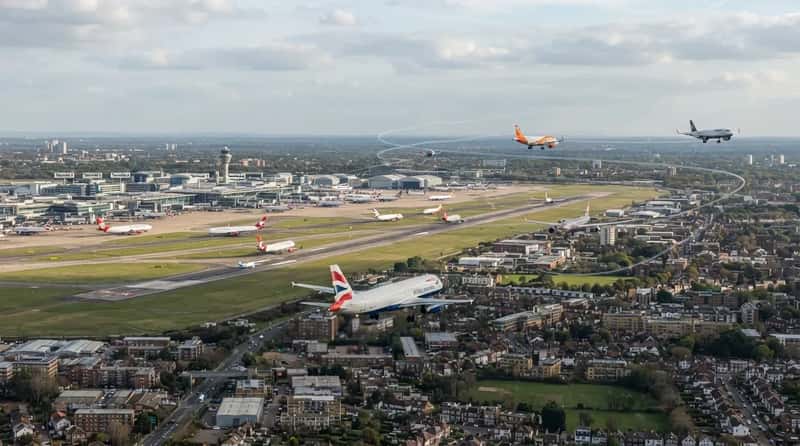
Travelers assume holding is a once-in-a-while event. At certain hubs, it’s practically routine. About 36% of all arrivals spend time in a holding stack before landing at London Heathrow.
That’s more than one in three flights, every single day, at one of the world’s biggest airports. It’s not an emergency measure – it’s built into the schedule. Frequent flyers into congested cities should expect it more often than they think, not less.
Fast Facts
- Heathrow sees around 650 arrivals a day, part of roughly 1,300 total takeoffs and landings.
- Average holding time there has fallen from about 8.5 minutes to closer to 7.5 minutes, thanks to newer traffic-flow technology.
- More than 10,000 flights pass through Heathrow’s holding stacks every single month.
#25 – Those Loops Aren’t Random, They’re a Timed Racetrack
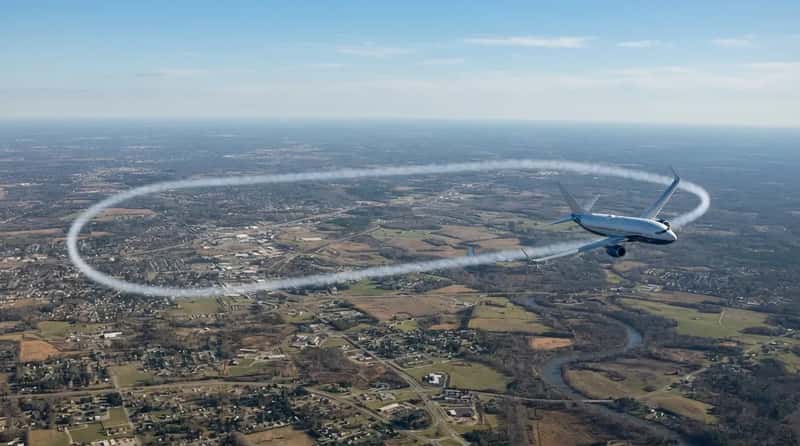
People watching the seatback map assume the plane is just circling aimlessly. It’s actually running on a strict internal clock. A standard holding pattern uses right-hand turns and takes approximately 4 minutes to complete – one minute for each 180-degree turn, and two one-minute straight sections.
Every lap is nearly identical to the one before it. That precision is exactly why controllers can predict, to the second, where an aircraft will be. The “aimless circle” is actually a four-minute stopwatch loop.
#24 – Pilots Barely Touch the Controls
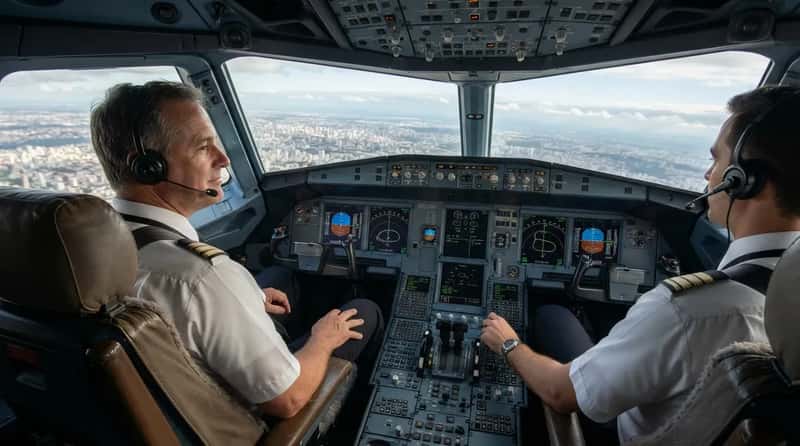
Many assume the crew is white-knuckling a manual turn pattern the whole time. Most modern holds are flown almost entirely by the autopilot. The aircraft keeps circling until the air traffic controller gives clearance to descend and land, and pilots don’t have to fly manually as their guidance systems help the aircraft maintain its holding pattern.
From the cockpit, it barely registers as work. That calm matters, because a maneuver passengers picture as stressful is, for the crew, one of the least demanding parts of the flight.
#23 – It’s an Oval, Not a Circle
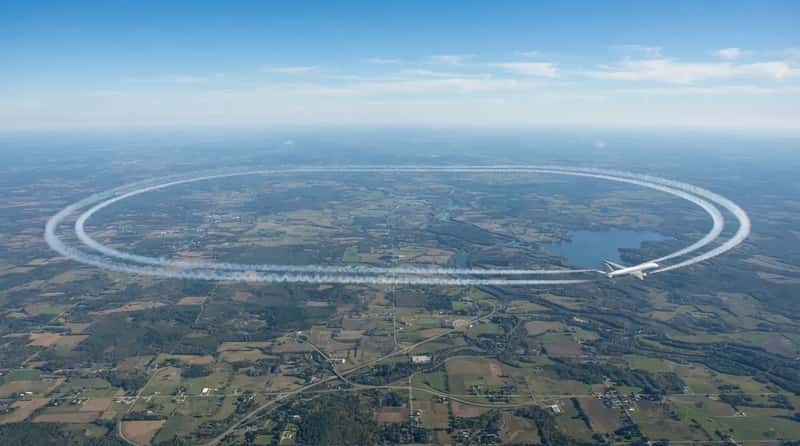
Ask a passenger to sketch a holding pattern and most will draw a circle. It’s actually a racetrack with straight edges. The pattern consists of two straight legs and two turns – the inbound leg brings the aircraft toward the holding fix, the outbound leg moves it away, and the turns connect both legs, forming the characteristic oval shape.
That shape isn’t decorative. The straight sections exist specifically so controllers can predict an aircraft’s heading at any given second, which a pure circle would never allow.
#22 – Higher Up, the Laps Get Longer
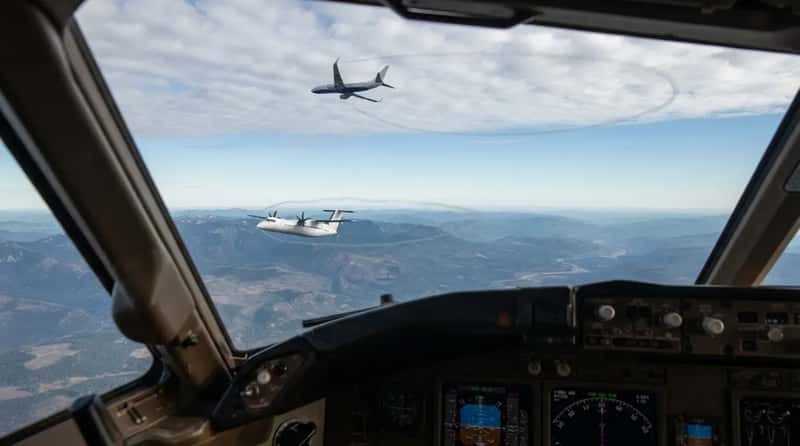
Passengers assume every holding pattern looks identical no matter the altitude. The size actually stretches the higher a plane climbs. The outbound leg is one minute at or below 14,000 feet MSL and one and a half minutes above that altitude.
It sounds like a small detail, but it changes the entire footprint of the pattern. A jet holding at 20,000 feet is tracing a noticeably bigger loop than one holding at 8,000 feet, even though both feel the same from a window seat.
#21 – Turns Aren’t Always to the Right

Most people assume every hold turns the same way. Right turns are the default, but they’re not universal. A standard holding pattern uses right turns and is the default, while a non-standard holding pattern uses left turns and is only flown when specifically instructed by ATC or published on a chart.
Left-hand holds exist for a reason – usually terrain, nearby airspace, or traffic separation. It’s a deliberate exception, not a mistake, whenever a flight banks the “wrong” way into a hold.
#20 – How You Join the Racetrack Isn’t Random
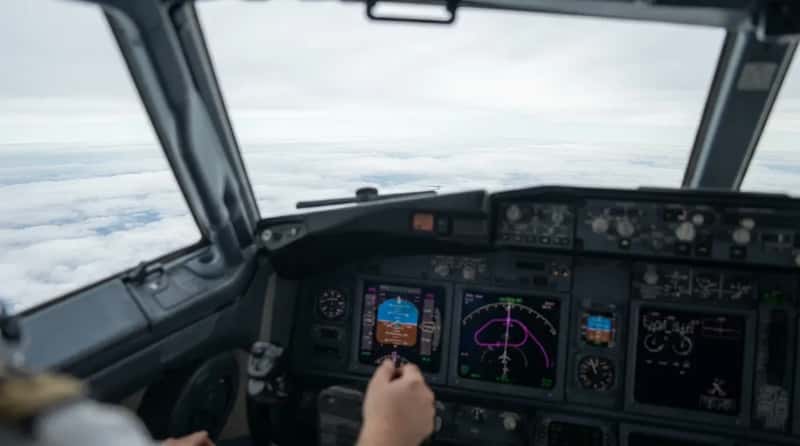
Entering a hold looks like it should be simple: just fly toward the fix. In reality, pilots choose from a strict set of options. There are three standard entry types: direct, teardrop, and parallel. The correct entry is determined by the aircraft’s position relative to the holding fix using the 70-degree rule.
Get the geometry wrong and a pilot can end up flying outside protected airspace. That’s why this decision is memorized, not guessed, long before the aircraft ever reaches the fix.
#19 – Holding Is the Fuel-Saving Move, Not a Waste
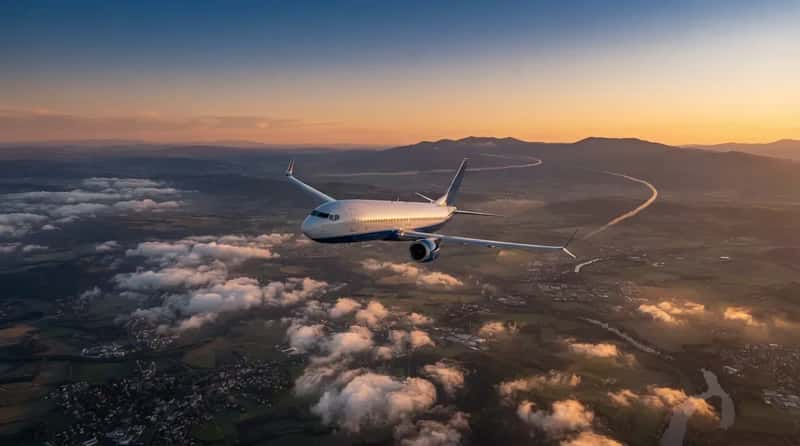
Most passengers assume circling burns fuel for no reason. Crews actually fly holds at the most efficient possible speed. Aircraft fly at a designated “holding speed” – the minimum speed that keeps drag and fuel burn to a minimum – which for a medium-sized jet is usually around 210-230 knots.
It’s engineered to sip fuel, not guzzle it. That doesn’t mean holding is free, but it’s the least wasteful way to simply wait in the sky.
#18 – Crews Plan the Fuel Math Before They Ever Circle
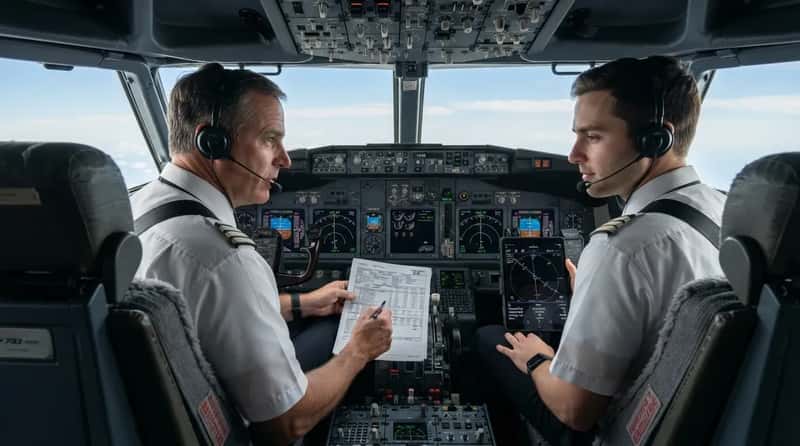
Passengers picture a cockpit sweating over dwindling fuel the moment a hold begins. That math was already done long before takeoff. Crews plan for holding in advance, including how much fuel they have and how long they can safely stay airborne.
Holding fuel is built into the flight plan like a cushion, not a surprise. The anxious version passengers imagine rarely matches the calm spreadsheet reality in the cockpit.
#17 – Storms Aren’t the Only Reason for a Hold
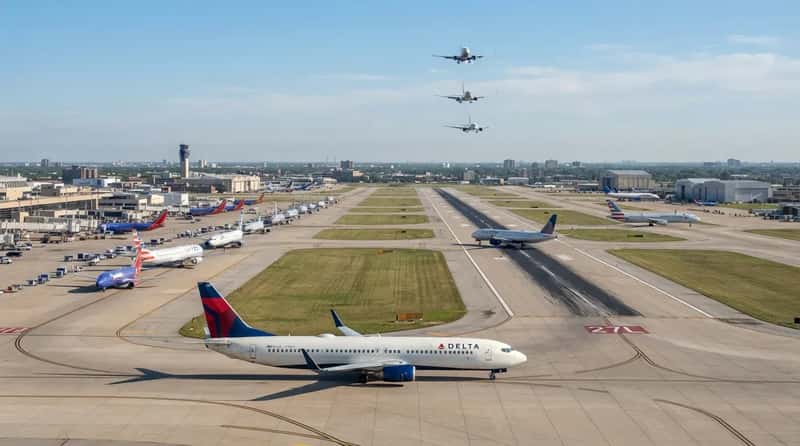
Weather gets blamed for almost every hold, but it’s just one trigger among several. The primary use of a holding pattern is to delay aircraft that have arrived at their destination but cannot land yet because of traffic congestion, poor weather, or runway unavailability.
Snow removal, a temporarily closed runway, or simply too many arrivals stacking up can all trigger the same maneuver. Blue skies outside the window don’t mean the hold makes no sense – it just means the bottleneck is somewhere else.
#16 – Landing Order Isn’t First-Come-First-Served
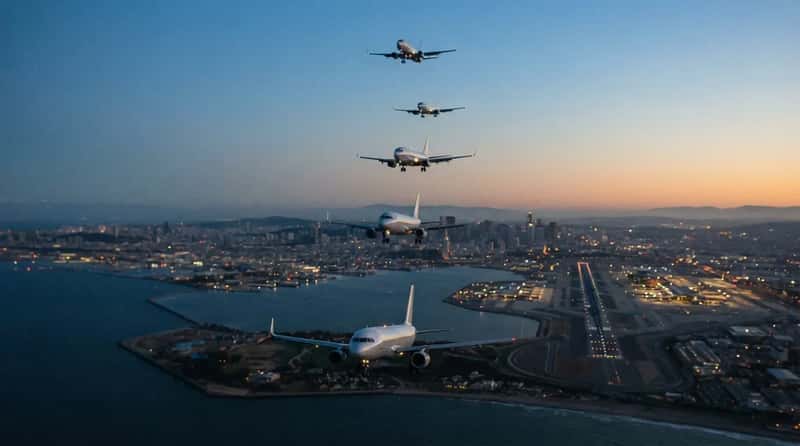
Passengers assume whoever arrives at the airport first lands first. Position in the stack, not arrival time, decides that. This is generally described as a stack or holding stack, and the aircraft at the bottom will be taken out and allowed to make an approach first, after which all aircraft in the stack move down one level.
New arrivals get slotted in at the top and work their way down. It’s an elevator system, not a line at the deli counter – and that distinction genuinely changes who lands next.
#15 – Emergencies Skip the Whole Line
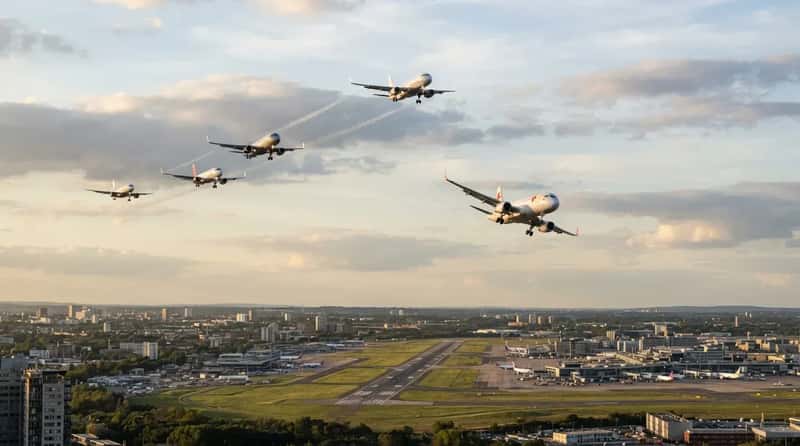
Some passengers worry an emergency aircraft still has to “wait its turn” like everyone else. It doesn’t. Since an aircraft with an emergency has priority over all other air traffic, it will always be allowed to bypass the holding pattern and go directly to the airport if possible.
That’s reassuring for the aircraft in trouble, but it comes at a cost for everyone else. This causes more delays for other aircraft already in the stack. One priority landing can ripple through an entire queue.
#14 – Those Empty Patches of Sky Actually Have Names
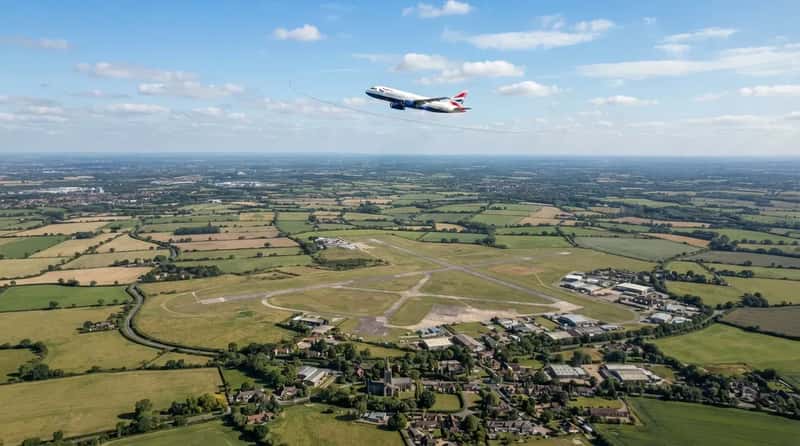
Passengers assume the airspace above a busy airport is just an undifferentiated blob where planes idle. Some of it is mapped and named like real places. There are four holding stacks at Heathrow, known as ‘Bovingdon’, ‘Lambourne’, ‘Ockham’ and ‘Biggin’.
Each name comes from the town below it. Regular travelers into London are, without realizing it, circling above a specific labeled patch of English countryside every single time.
At a Glance
- Bovingdon (BNN) handles arrivals from the northwest and sits over the old RAF Bovingdon airfield.
- Each stack is layered in 1,000-foot bands, stretching from 16,000 feet down to 8,000 feet, like a vertical parking garage.
- Lambourne, Ockham, and Biggin round out the other three corners of London’s invisible holding map.
#13 – Not Every Stack Spins the Same Direction
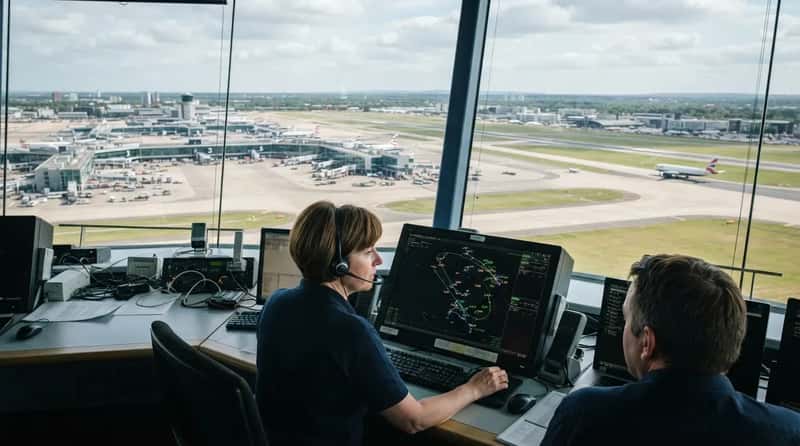
It seems logical that every holding stack at one airport would turn identically. One of Heathrow’s four famously doesn’t. BNN, OCK, and BIG maintain a right-hand direction during the holding turn, whereas LAM follows a left-hand direction.
That’s not an accident or an inconsistency – it exists to keep traffic separated from nearby routes. The oddball stack is doing exactly what it’s supposed to do, even though it looks like the outlier.
#12 – This “High-Tech” System Predates Jumbo Jets
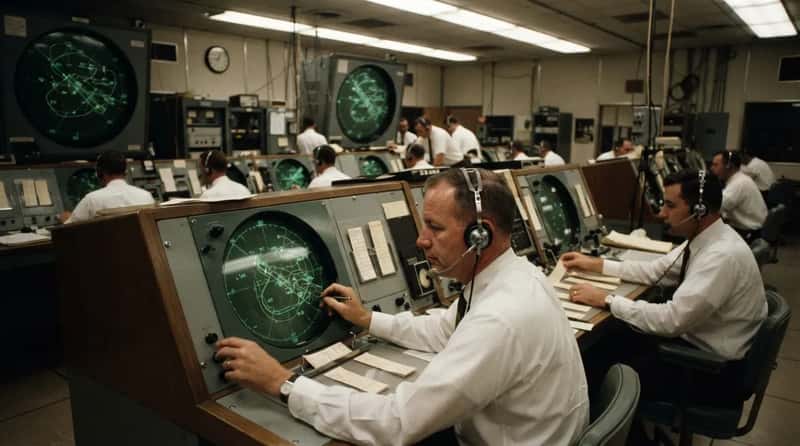
Given how orderly it looks on modern flight trackers, holding feels like a recent invention. The framework is decades older than most of today’s aircraft. The locations of the stacks have been the same since the 1960s.
Radar has changed. Cockpits have changed. The basic geography of where planes wait hasn’t moved in over sixty years – a detail that surprises even frequent international travelers.
#11 – Holding Speed Isn’t One-Size-Fits-All
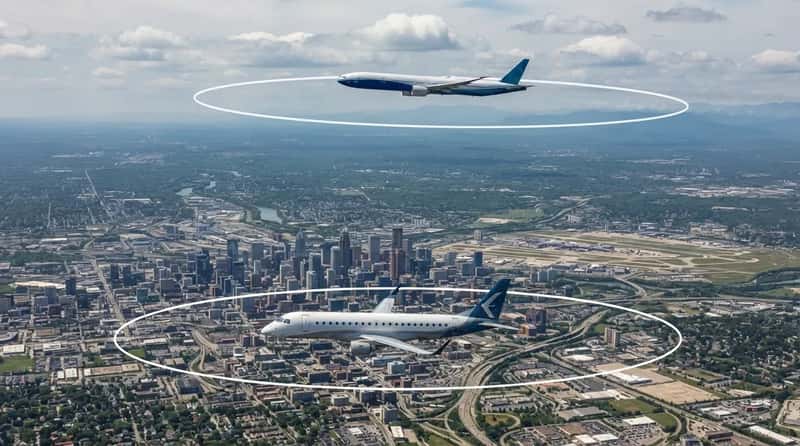
Passengers assume every plane holds at the same speed. Regulators actually set the limit by altitude, and it climbs the higher a jet goes. At or below 6,000 feet MSL the limit is 200 knots, from 6,001 to 14,000 feet MSL it is 230 knots, and above 14,000 feet MSL it is 265 knots.
A regional jet holding low and a widebody holding high aren’t moving at comparable speeds at all. The rulebook scales with altitude, not with the size of the aircraft.
Quick Compare
- At or below 6,000 feet MSL: 200 knots max
- 6,001 to 14,000 feet MSL: 230 knots max
- Above 14,000 feet MSL: 265 knots max
#10 – That Weird Loop on Your Flight Tracker App Is Real
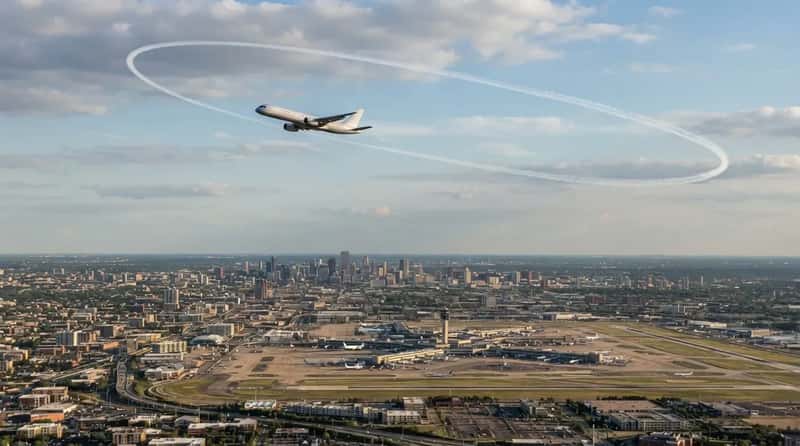
People assume the racetrack shape on flight-tracking apps is a rendering glitch. It’s an exact, live picture of what’s happening overhead. If you’ve ever browsed airspace around a busy airport on Flightradar24, you’ve likely noticed aircraft circling in oval, racetrack-like loops.
Nothing about that image is simulated or smoothed out. The app is quite literally tracing the same four-minute racetrack the pilots are flying, in real time, from thousands of feet below.
#9 – Not Every Heavy Landing Involves a Fuel Dump

When a flight turns back shortly after takeoff, passengers often assume fuel gets dumped automatically. Many aircraft handle it a completely different way. Aircraft without a jettison system have two fallbacks: burn fuel off in a holding pattern, or carry out an overweight landing.
Circling quietly for half an hour is often the entire “emergency” a passenger experiences. There’s no dramatic dump, no streaming fuel – just laps around a fix while the weight ticks down.
#8 – Most Planes Can’t Dump Fuel At All
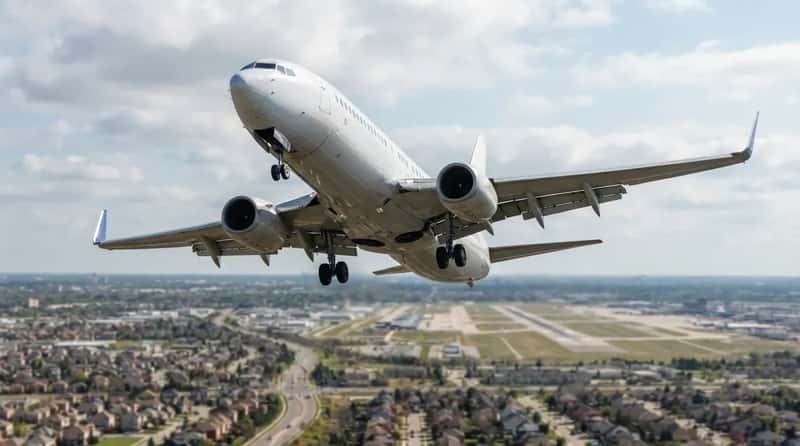
It’s widely assumed every jetliner can jettison fuel on command. Most narrow-body aircraft simply aren’t built that way. Not all aircraft are equipped with fuel-dumping systems; typically, only larger, wide-body planes have this capability, as required by the FAA.
That single-aisle 737 or A320 most domestic travelers fly on has no jettison valves whatsoever. If it needs to shed weight fast, holding – or an overweight landing – is the only option on the table.
#7 – There’s a Hidden Altitude Rule for Fuel Dumps

Passengers who’ve seen fuel streaming from a wing assume it just falls to the ground. Altitude actually determines whether that fuel ever reaches the surface. Below roughly 6,000 feet, fuel droplets don’t atomize properly and fall as streams, while above that threshold, warmer and lower-density air vaporizes the droplets before they reach ground level.
That’s why crews specifically climb or hold at height before jettisoning. A few thousand feet is the entire difference between vapor and rainfall. It’s a detail almost no passenger ever hears explained.
Worth Knowing
- Below about 6,000 feet, dumped fuel can still be falling as liquid droplets rather than mist.
- Above that line, thinner, warmer air breaks the fuel apart before it ever nears the ground.
- That’s the real reason crews often climb, not descend, before starting a jettison.
#6 – Controllers Aren’t Infallible Either
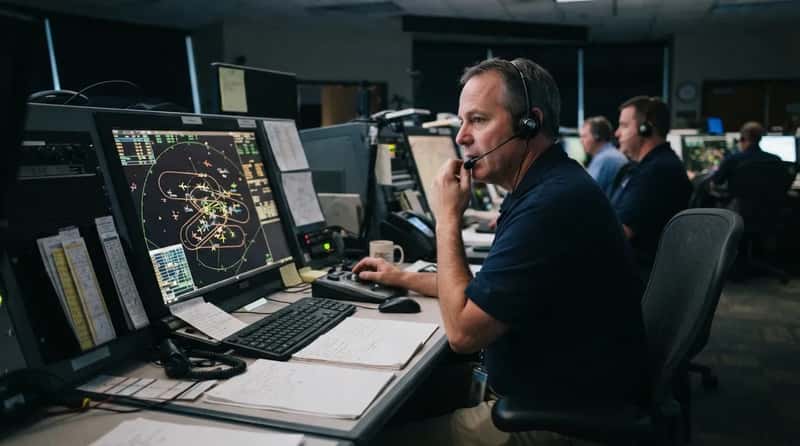
Passengers assume every holding instruction is delivered flawlessly every time. Controllers are human, and mistakes have happened. Air traffic controllers have made mistakes, such as giving incorrect instructions or failing to provide sufficient information about the holding pattern.
This isn’t an argument against the system – it’s the reason pilots are trained to double-check, question ambiguous clearances, and confirm details out loud. The redundancy exists precisely because nobody in this chain is assumed to be perfect.
#5 – New Tech Hasn’t Killed the Holding Pattern
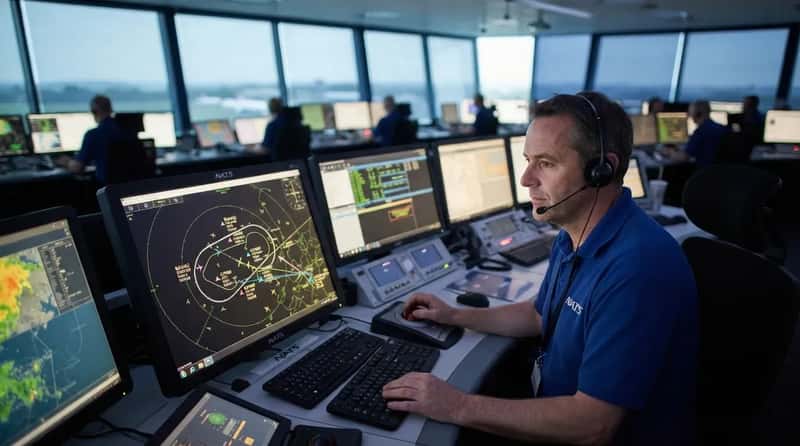
Given decades of aviation technology upgrades, people assume holding is being phased out. Some airports have found workarounds, but the racetrack hasn’t disappeared. At airports like London City or Dublin, a method called Point Merge is used, where aircraft fly around a curved arc and are then “spliced” into the final approach at different points, achieving a similar goal to holding but with less circling.
Point Merge trims the visible circling, but it doesn’t erase the underlying problem of too many planes wanting the same runway at once. The busiest airports on Earth still fall back on the classic racetrack when volume spikes, no matter how much software gets layered on top.
#4 – You’ve Probably Held Without Ever Noticing
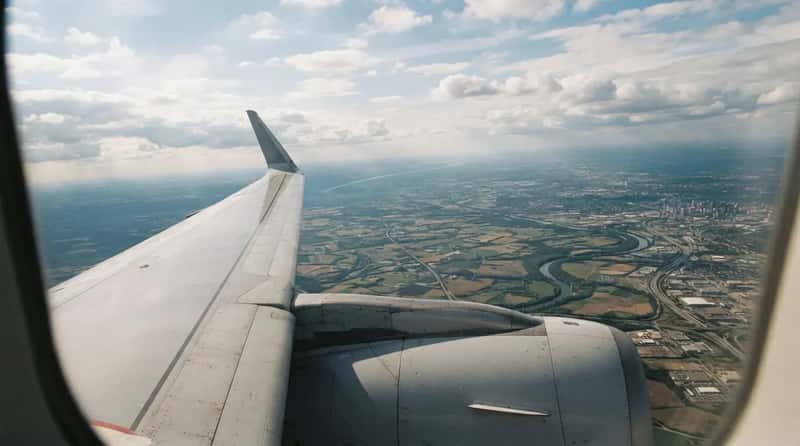
Frequent fliers insist they’d immediately feel a holding pattern kick in. Most never do. The aircraft keeps circling until the air traffic controller gives clearance to descend and land.
From an economy seat with the shade down, gentle banked turns feel identical to normal approach maneuvering. Plenty of “delayed landings” passengers chalk up to vague busy-airport chaos were, in fact, textbook holding patterns they simply slept or scrolled straight through.
#3 – ATC Often Warns You’re About to Hold Before You’d Guess
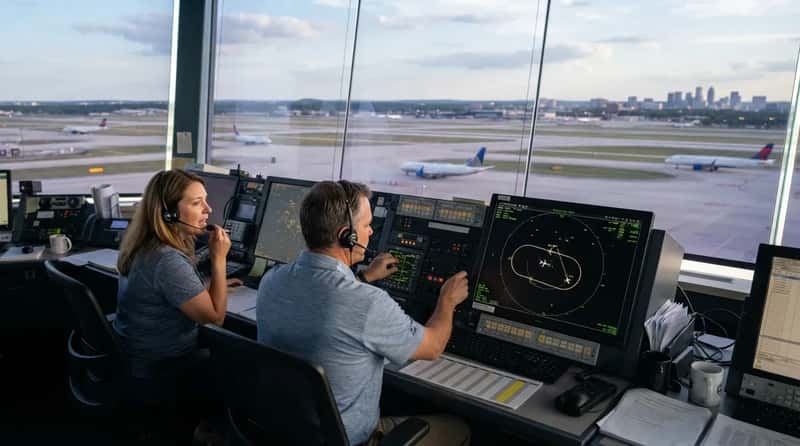
People assume holding instructions get sprung on a flight crew at the last second. Controllers actually try to give real notice. Normally, when no delay is anticipated, ATC issues holding instructions at least 5 minutes before the estimated arrival at the fix.
That five-minute buffer gives crews time to plan fuel, brief passengers, and adjust the approach. It’s a small courtesy window most travelers never realize exists, buried inside routine radio chatter they never hear.
#2 – Even Weekend Pilots Train for This Exact Maneuver
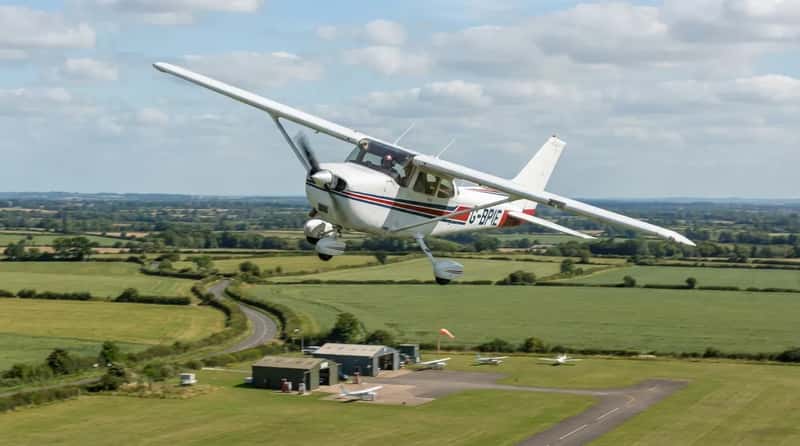
Passengers assume holding patterns are an airline-only, big-jet skill. Student pilots practice the identical maneuver long before they ever fly for a living. While holding patterns are primarily associated with Instrument Flight Rules operations, VFR pilots may also practice them during training to build situational awareness and prepare for future instrument rating operations.
That small four-seat plane doing lazy ovals near a rural airport on a Saturday afternoon might be a student nailing entry geometry for the very first time. It’s the same skill, just at a fraction of the altitude and speed.
#1 – History Shows Why Getting This Exactly Right Saves Lives
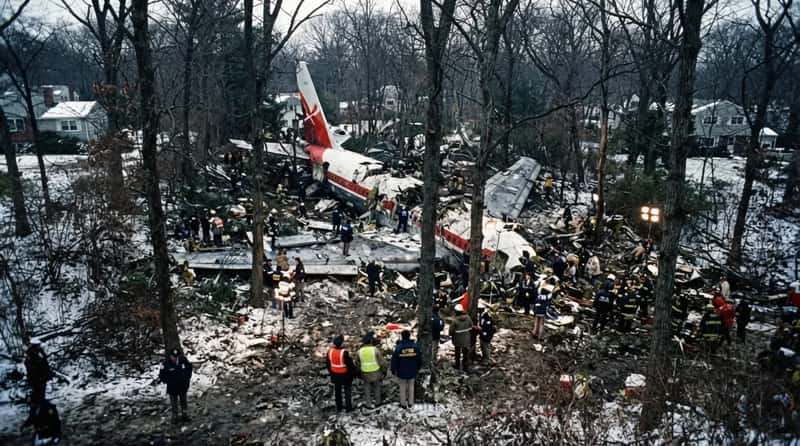
It’s tempting to treat holding as routine background noise with zero real stakes. Aviation history says otherwise. In one documented case, ATC was not aware of a flight’s worsening fuel situation because the pilots did not declare a fuel emergency at any point, and the Boeing 707 crashed because the pilots did not divert and did not alert ATC about the gravity of their fuel situation.
That accident, widely studied in aviation training as the tragic 1990 Avianca Flight 52 fuel-exhaustion crash near New York, is the reason modern crews are drilled relentlessly on declaring fuel emergencies early and clearly. A racetrack in the sky only stays boring and safe when everyone in the chain – pilot and controller alike – communicates the moment fuel gets tight, not after.
Holding patterns look like idle circling from a window seat, but almost everything about them – the shape, the speed, the naming, the fuel math, even the direction of the turn – is deliberate, regulated, and in rare cases, historically hard-won. The gap between what passengers assume and what actually happens up there is bigger than most people realize, right down to named airspace over English villages and a sixty-year-old queuing system still running today.
Which of these surprised you the most – the named Heathrow stacks, the fuel-dump altitude rule, or the history behind why crews are trained to speak up early? Drop your pick in the comments.