Michael O’Leary, the outspoken chief executive of Ryanair, has told the traveling public to prepare for sticker shock in the months ahead. Speaking ahead of the airline’s annual general meeting, O’Leary pointed to soaring oil prices as the driving force behind a coming wave of fare increases that could reshape how much it costs to fly, particularly in Europe but with ripple effects felt worldwide.
His comments land at a moment when the aviation industry is already grappling with thin margins, geopolitical instability, and a fuel market that has turned unpredictable almost overnight. For everyday travelers used to budget fares and last-minute deals, the message from one of the industry’s most influential voices is blunt: the era of cheap, easy flying may be entering a rockier patch.
What O’Leary Actually Said
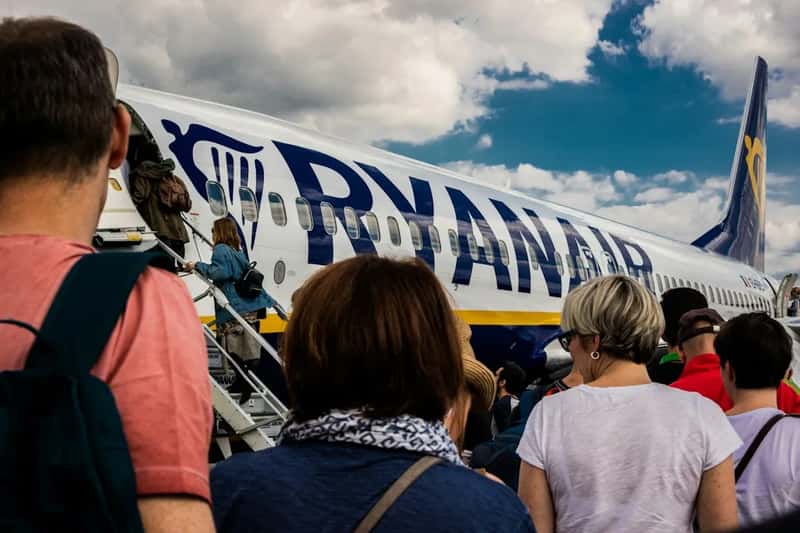
Ryanair’s CEO warned that airfare prices may see “significant” hikes if oil prices remain elevated as the surging cost of jet fuel continues to squeeze the airline industry.[1] He was careful to note that the pain would not necessarily hit right away. He noted pricing would be very modestly down in the second quarter from July to September, but the December and March quarters are entirely up in the air.[1]
The key conditional in his statement matters. He added that if oil prices remain high into next year, there will be a significant uplift in airfares, and the airline would hope to avoid that.[1] That framing suggests this isn’t a guaranteed outcome but a real risk that depends heavily on how long the current energy crunch persists.
Why Oil Prices Suddenly Spiked
The backdrop to O’Leary’s warning is a jet fuel market that has been thrown into turmoil. The airline industry took a massive hit from the Iran war as consumers hesitate to travel.[1] That conflict has had a direct and measurable effect on the cost of the single biggest input in running an airline.
The jump in oil prices has sent the cost of jet fuel soaring, last reported at $171 per barrel for the week ending September 4, up 90% from the prior year’s average, according to the International Air Travel Association’s Jet Fuel Price Monitor.[1] A near-doubling of fuel costs in the space of a year is not something airlines can simply absorb quietly, and it explains why fare pressure has become such an urgent talking point across the industry rather than a one-off comment from a single executive.
Ryanair’s Own Financial Pain
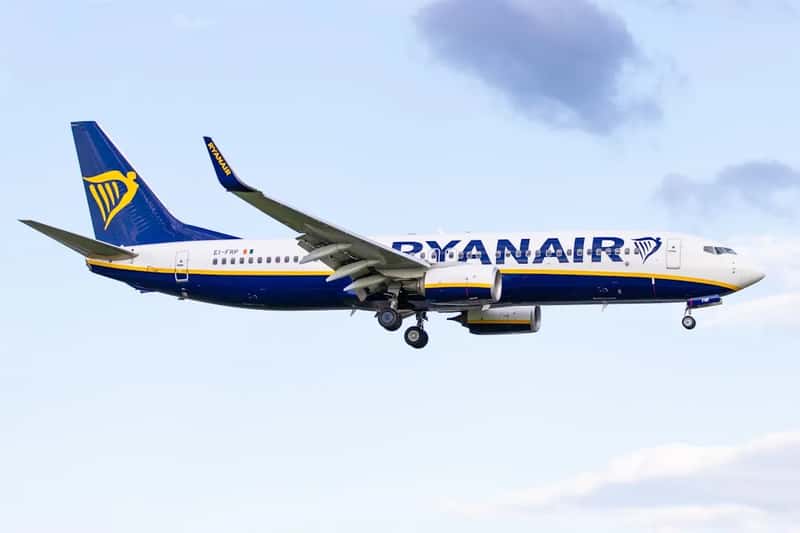
Ryanair has not been immune to the fallout. The budget airline’s first-quarter profit took a 34% hit due to delayed consumer bookings after the start of the U.S.-Iran war, as ticket prices were lowered while consumers became anxious to book amid the Middle East conflict.[1] That’s a striking swing for a carrier known for tight cost control and predictable growth.
Ryanair has tried to cushion the blow through fuel hedging, though the protection fades the further out you look. The company had hedged 80% of its jet fuel for the summer period, but for 2027 it is hedged at $67 per barrel, while for 2028 it has hedged only 15% of its needs at $85 per barrel.[1] That declining hedge coverage is precisely why O’Leary’s warning grows louder the further into the future he looks, since the airline has far less price protection waiting for it beyond the next year or so.
O’Leary Isn’t the Only One Sounding the Alarm
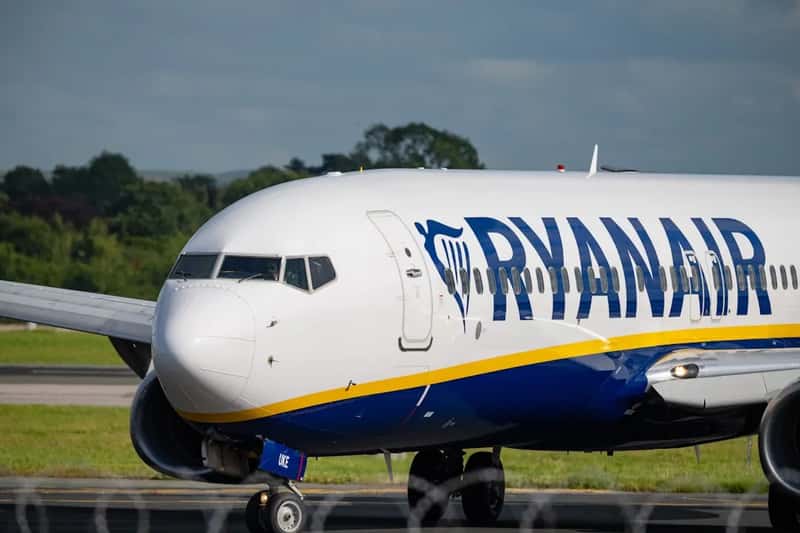
Weeks before this latest warning, O’Leary had already flagged trouble on the horizon for smaller rivals. In April, O’Leary told CNBC that there would be some “failures” in weaker European airlines later in the year as the cost of jet fuel becomes harder to absorb.[1] That prediction now looks less like bluster and more like an early read on where the industry was heading.
Other chief executives have echoed similar sentiments from different angles. United Airlines CEO Scott Kirby has been direct about the cost pressure too, describing the situation as what he called “the new normal for airfares” as fuel costs work their way into ticket prices. When multiple major carriers start using the same kind of language within months of each other, it signals a structural shift rather than a passing headline.