Most travelers assume gate agents are just badge-scanning robots stuck reading airline policy off a screen, powerless to bend a single rule. That assumption costs people money, seats, and sometimes entire vacations every single day at airports across the country.
The truth is messier and far more interesting. Supervisors and senior gate agents carry real, quiet authority that never shows up in the fine print, and most passengers never think to ask for it. Here’s what insiders actually say happens at that desk when you ask the right way.
#22 – They’ll Add You to a Same-Day Standby List for Free

Most flyers think standby only exists for stranded passengers after a cancellation, but that’s not how it actually works. Same-day change lets you swap your flight on the day of travel for an earlier or later one, as long as there’s an open seat and your origin and destination airports match. On Delta, this is formalized as a complimentary service, and your original flight stays confirmed until you’re actually assigned a new seat.
The catch most people miss is timing. Southwest requires you to select your desired flight and list for standby at least 60 minutes ahead of departure for domestic flights. Show up right when the earlier flight’s check-in window opens, before the list fills with other same-day changers, and your odds jump considerably.
Fast Facts
- Delta treats same-day change as a complimentary option, not a paid upgrade
- Southwest sets a 60-minute cutoff before domestic departure to get listed
- Your original seat stays confirmed until a new one is actually assigned
- Origin and destination airports must match your original ticket exactly
#21 – Bereavement and Military Orders Quietly Override “Final Sale” Rules
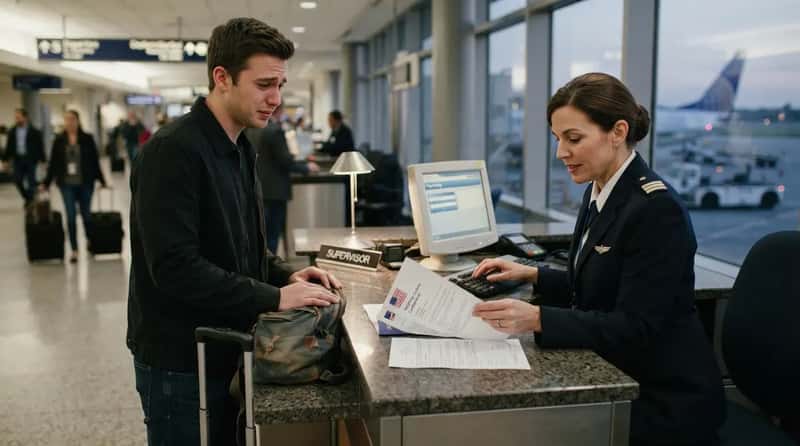
Basic economy is supposed to be untouchable once you’ve booked it, no changes, no refunds, no exceptions. Turns out that’s not entirely true.
Most flyers never mention bereavement or military orders because they don’t realize those are the magic words, but documentation-backed requests get quietly approved far more often than people expect. A death certificate, an obituary, or official deployment paperwork can flip a “no waivers” answer into a fully refunded ticket in minutes. Agents don’t advertise this because it’s discretionary, not guaranteed, but experienced desk staff say it works more often than public policy suggests.
#20 – Group Bag Allowances Can Be Shared Before Check-In
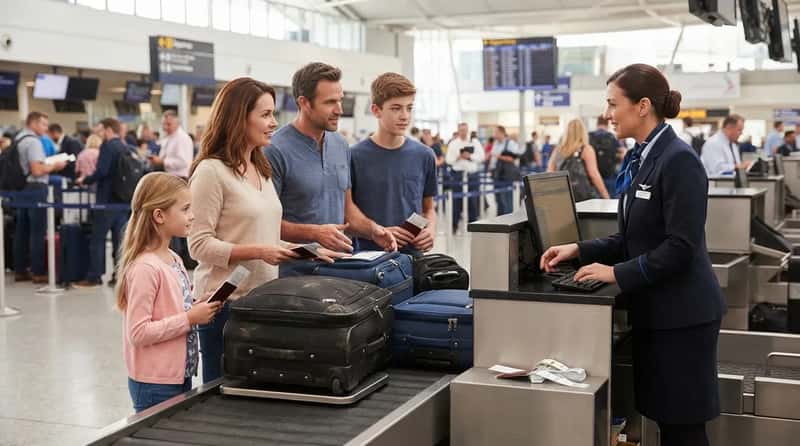
Traveling with family and one suitcase is stuffed while another sits half-empty? Most people don’t realize the allowance isn’t locked to a single name.
Agents can sometimes redistribute allowances across a group’s confirmation numbers if asked before bags are tagged, but almost never once they’ve already been checked. That single detail, asking before instead of after, is the difference between saving $60 and paying it. Once a bag has a tag on it, the system locks the allowance to that traveler, so mention everyone’s confirmation numbers at the counter and let the agent do the math.
#19 – A Botched Boarding Pass Gets Fixed on the Spot, No Security Redo
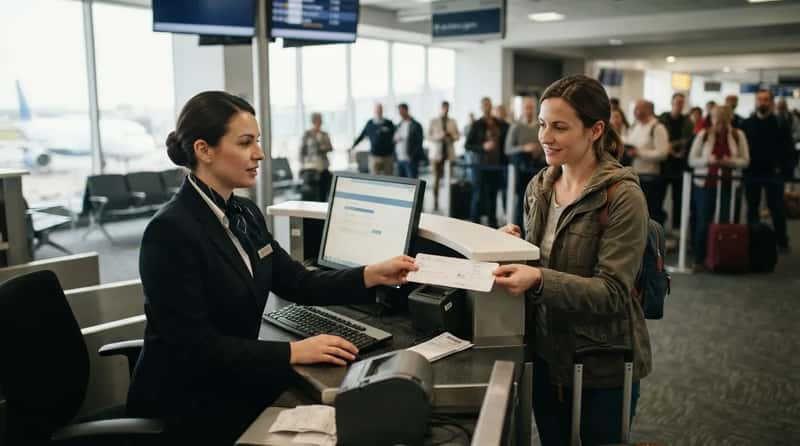
A misspelled name or a printer glitch on your boarding pass sounds like a security nightmare waiting to happen. It isn’t.
Name misspellings, wrong seat assignments, printing glitches, gate agents can override and reissue a corrected pass immediately rather than sending you back through the checkpoint. This is one of the least-known powers at the gate, and it saves travelers from missing flights over a clerical error that was never their fault. Flag it calmly, and the fix usually takes under two minutes.
#18 – Families Get Reseated Together, Fee-Free, Even Without a Guarantee
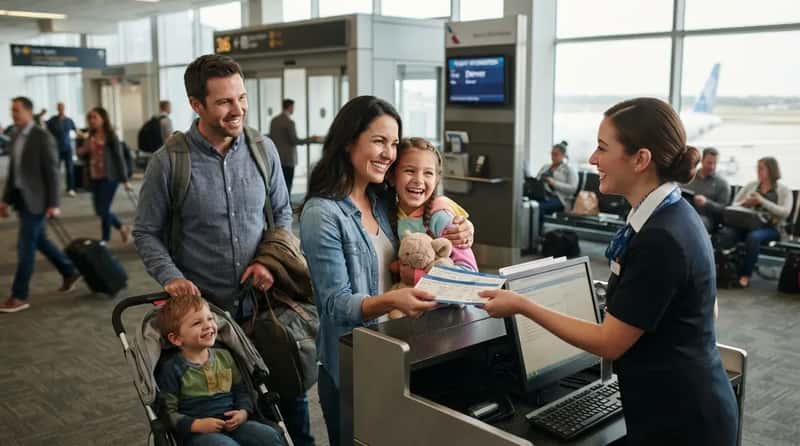
Airlines love charging extra for seat selection, and families who don’t pay often end up scattered across the plane. Regulators have started pushing back on this.
The Department of Transportation now publishes a dashboard showing which airlines guarantee fee-free family seating, but even on airlines without that guarantee, gate agents still have full discretion to reseat families manually when asked. This has always been possible; airlines just never advertised it. Parents flying with young kids have the strongest case, and most agents will move mountains rather than let a five-year-old sit ten rows from mom.
#17 – Overstuffed Overhead Bins Get You a Free Gate-Check, Not a Fee
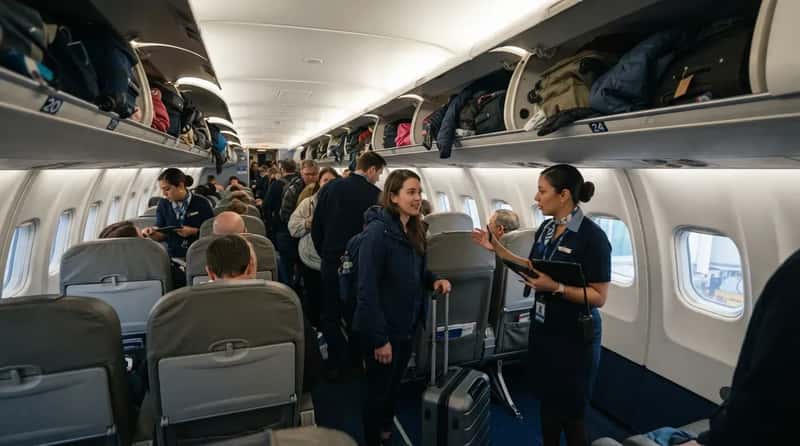
Watching the bins fill up while you’re standing at row 24 feels like a trap. Most travelers assume they’re about to get charged.
Experienced travelers know the desk has more discretion here than the check-in counter ever admits, especially when agents watching boarding in real time can see exactly when space runs out. Choosing to gate-check for free is often faster for the agent than arguing policy mid-boarding, so they’ll frequently wave it through. There’s also a legal backbone here: when regional jets physically can’t fit standard carry-ons due to aircraft design, airlines must gate-check for free.
#16 – Pre-Boarding Gets Approved Without a Single Doctor’s Note
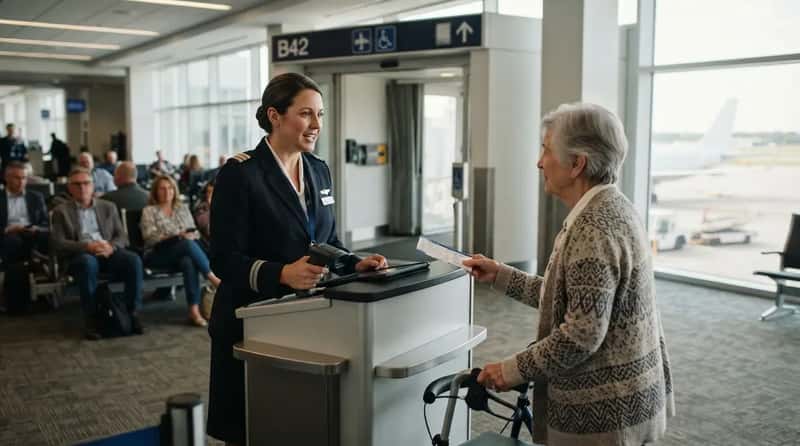
Most people assume early boarding for mobility issues requires paperwork or an official letter. It doesn’t.
Early boarding is available as long as you self-identify to a gate agent before boarding begins, and agents are trained to take passengers at their word rather than interrogate them. Some travelers privately admit this occasionally gets abused, and gate staff quietly notice, but they rarely challenge it because verifying a disability on the spot is a legal minefield airlines don’t want their staff wading into.
#15 – Medical Devices Skip Baggage Fees Entirely, No Exceptions Needed
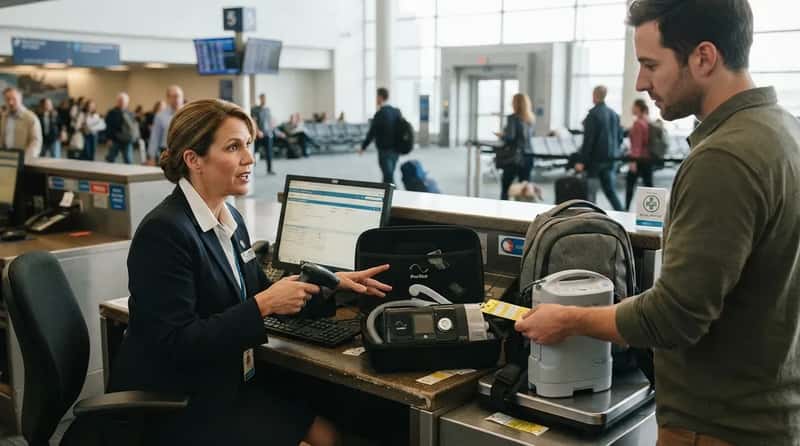
CPAP machines, oxygen concentrators, and compression equipment are expensive to travel with, but not because of baggage fees, if you know the rule.
The DOT and FAA confirm that CPAP machines don’t count as carry-on baggage when declared as medical devices, and most major U.S. airlines explicitly exempt FAA-approved medical equipment, including portable oxygen concentrators, from standard baggage fees. The problem is nobody tells you this at booking. An experienced gate agent will walk you through exactly what applies, but usually only if you bring it up first.
#14 – Bumped Passengers Get Vouchers Supervisors Invent on the Spot
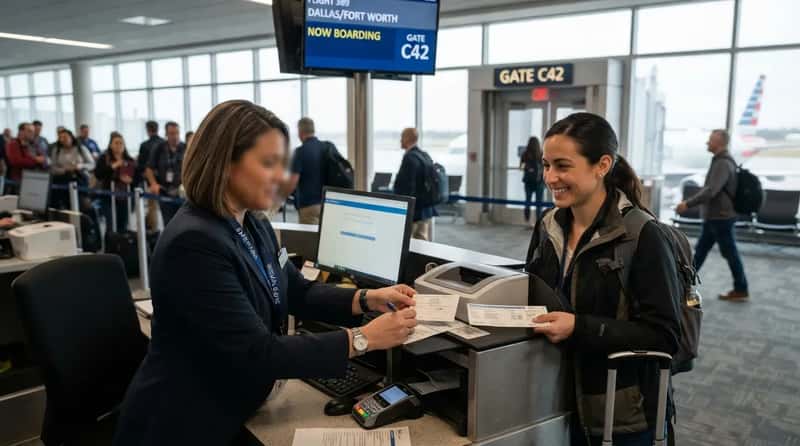
Overbooking sounds like a passenger’s worst nightmare, but insiders say it’s quietly one of the best-paying moments in air travel if you play it right.
Many U.S. domestic agents carry discretionary voucher authority even without a legal requirement forcing their hand. When a flight is oversold, the gate becomes a live negotiation, and supervisors can authorize amounts well above what a scripted policy page implies. Volunteering calmly, rather than waiting to get involuntarily bumped, almost always produces a better outcome and a friendlier agent on the other side of the counter.
Worth Knowing
- Federal compensation floor: Passengers bumped more than two hours late are entitled to at least 400 percent of the fare to the passenger’s destination or first stopover, or $2,150, whichever is lower
- Caps updated recently: This final rule raises the liability limits for denied boarding compensation from the current figures of $775 and $1,550 to $1,075 and $2,150, effective January 22, 2025
- Volunteers go first: The airline first asks for volunteers willing to give up their seats in exchange for compensation, usually vouchers, though cash can be negotiated
- Your ticket stays valid: You always get to keep your original ticket and use it on another flight
#13 – Standby Upgrades Clear Quietly Before Boarding Even Starts
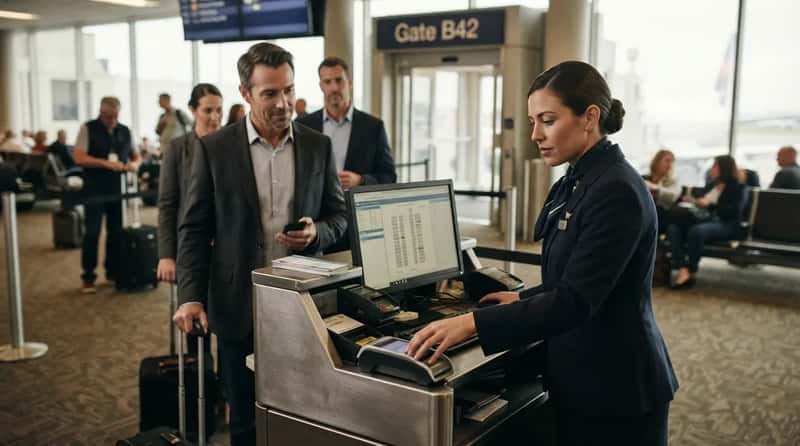
Elite status holders assume upgrades are decided by an algorithm hours in advance. Often, they’re not.
Gate agents manage seating inventory right up to the moment of departure, processing upgrades based on fare class and status, reassigning seats when passengers no-show, and clearing standby travelers on the fly. A no-show in first class thirty seconds before boarding closes can open a seat that gets reassigned right at the podium, no phone call required. Frequent flyers who linger near the gate rather than wandering off often catch these last-second reshuffles that never make it to the app.
#12 – Credit Card Perks Waive Gate-Check Fees Agents Rarely Mention
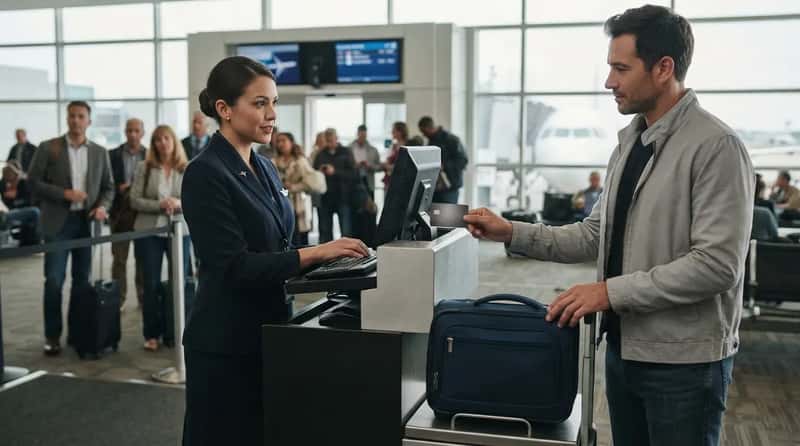
Most travelers think gate-check fees are a flat, unavoidable charge once a bag gets pulled at boarding. Not true if you’re carrying the right plastic.
Airline credit cards offering free checked bags typically extend that benefit to gate-checked bags too, so if you hold a United, American, or Delta card, the perk applies whether you check at kiosks, counters, or the gate. Agents don’t advertise this because it’s buried in cardholder terms, not airline policy, but they can verify benefits in their systems and waive fees on the spot, if you flash the card and ask.
#11 – Premium Cabin Passengers Gate-Check for Free, Every Time
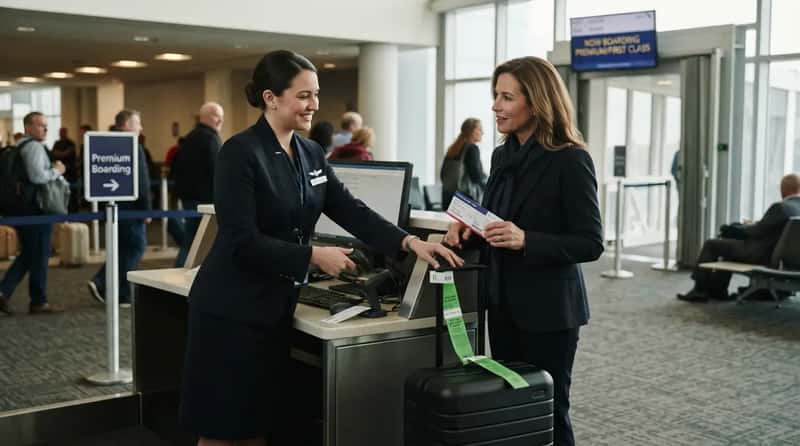
Economy passengers get charged for oversized bags at the gate constantly. First and business class passengers almost never do.
Passengers on premium cabin tickets maintain free gate-checking privileges even when economy passengers face charges for the exact same bag. That’s a two-tier system airlines rarely explain out loud. Many frequent flyers say it quietly reinforces a class system at the gate that has nothing to do with actual bag size or bin space, and everything to do with the ticket price on the manifest.
#10 – Weather Delays Unlock Rebooking Nobody Mentions at Check-In
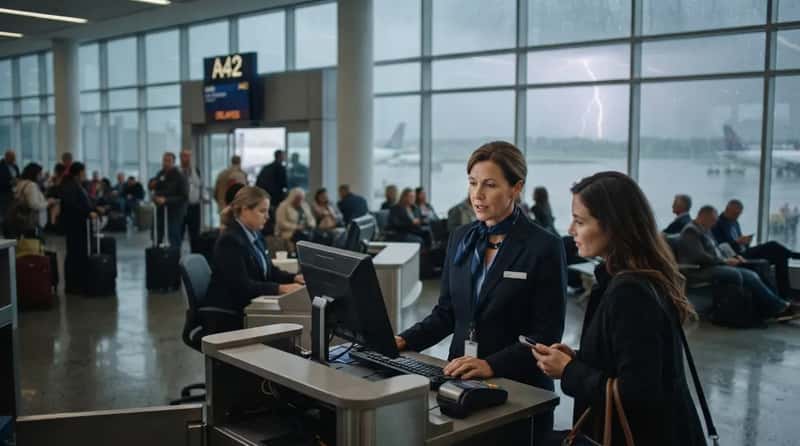
When a storm rolls through and flights start stacking up, most passengers assume they’re stuck waiting it out with no alternatives.
Gate supervisors have far more rebooking latitude during irregular operations than on a normal day. When flights are delayed, cancelled, or oversold, the gate agent becomes the primary point of resolution, meaning they can often rebook onto a different route, a different connection city, or even a different day without the fees that would normally apply. The trick is approaching early, before the line forms and patience runs thin on both sides of the counter.
Quick Compare
- Normal day: Standard change fees and fare differences typically apply
- Storm or system outage: Cross-route and cross-day rebooking often waived entirely
- Best move either way: Approach the podium before the rebooking line forms
#9 – Basic Economy Restrictions Bend During Genuine Emergencies
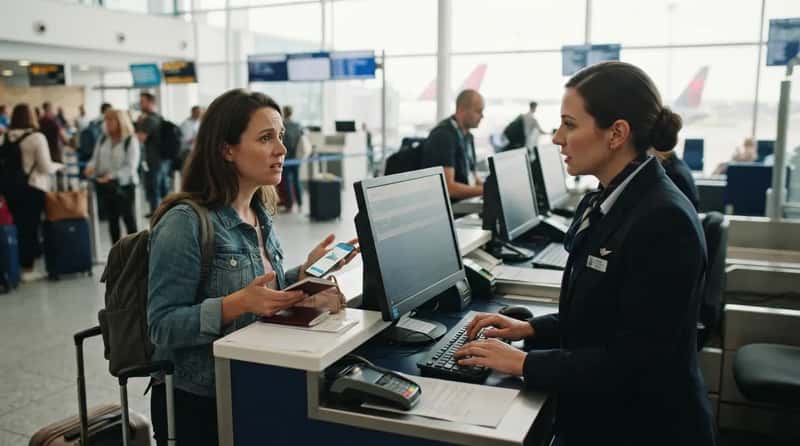
Basic economy fares are marketed as completely locked, no seat selection, no changes, no exceptions, period. Agents describe real-world flexibility that policy pages don’t capture.
Most travelers assume airline fees are carved in stone, but agents have more discretion than they let on, and the difference between paying a fee and paying nothing usually comes down to how you ask and who you ask. A documented family emergency, a missed connection caused by the airline itself, or a same-day medical issue can shift a hard no into an approved exception fast. It’s never guaranteed, but it happens more than the fine print admits.
#8 – Escort Passes Get Approved for Non-Ticketed Companions
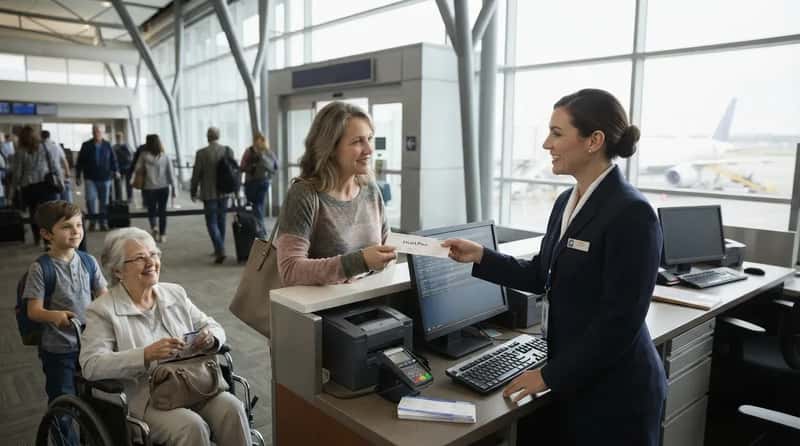
Most travelers think only ticketed passengers can pass through security to the gate area. That’s mostly true, with one quiet exception.
Airlines and airports can approve a temporary gate pass for someone escorting an unaccompanied minor, an elderly traveler, or a passenger with a disability, letting a non-flying companion walk them all the way to boarding instead of saying goodbye at security. This isn’t posted on a sign anywhere; it’s requested directly at the counter, often with ID and a stated reason. Supervisors weigh it case by case, and calm, specific requests get approved far more often than vague ones.
#7 – Missed Connections Get Reissued Without a New Fare Search
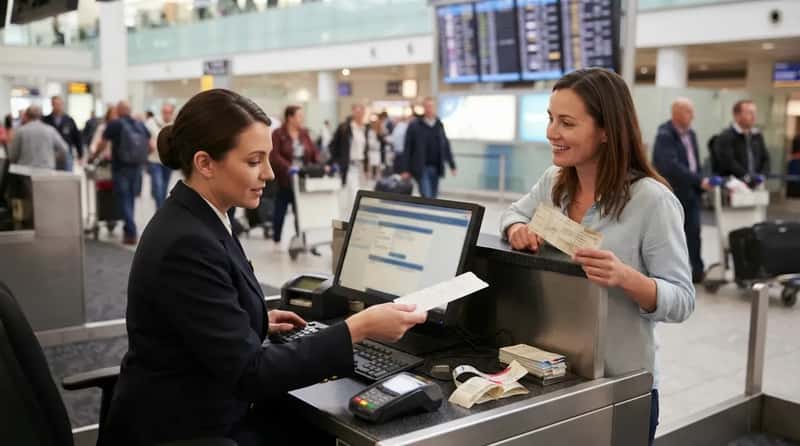
A missed connection sounds like the start of an expensive rebooking nightmare, complete with a brand-new ticket price.
When the missed connection was the airline’s fault, a late inbound flight, a mechanical delay, a crew timeout, agents can reissue a boarding pass onto the next available flight at no additional cost, protecting the original fare entirely. The confusion happens when passengers assume this only applies to major cancellations. Even a 20-minute delay that causes a missed connection typically qualifies, and asking directly at the transfer desk speeds up the whole process.
#6 – Separate Reservations Get Merged Onto One Standby List for Reunions
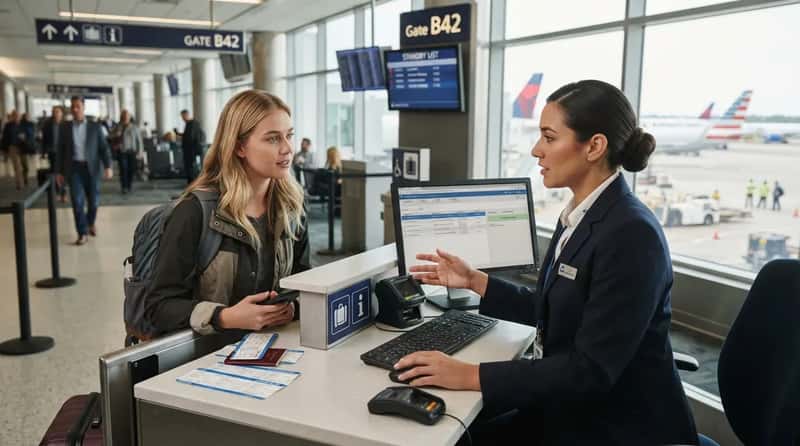
Booked separately from a travel companion because of pricing, only to realize you’re now stuck on different standby priorities?
Agents can often link separate confirmation numbers so both travelers land on the same standby list together, rather than clearing individually and risking a split. This matters most for couples, friend groups, or family members who booked at different times but want to travel on the same earlier flight. It’s a small, human accommodation that never appears in any published policy, and it depends entirely on the agent taking two extra minutes at the podium.
#5 – Service Animals Get Cabin Placement Fights Skipped Entirely
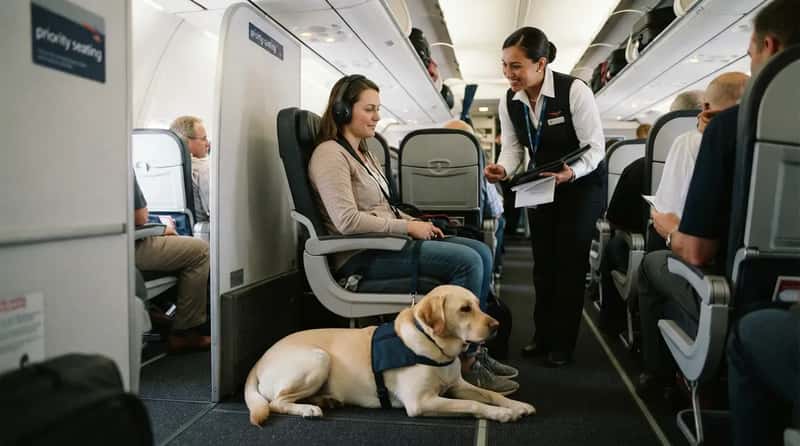
Most passengers assume service animal accommodations require a lengthy verification process at every single gate. In practice, agents move fast here because the legal framework is unusually clear.
Documented service animals travel free, in the cabin, without the pet fees or carrier restrictions that apply to ordinary pets, and supervisors are trained to resolve seating conflicts around them quickly rather than let disputes escalate at boarding. Some travelers privately grumble that loosened emotional support animal rules have made legitimate service animal owners face more skepticism than they used to, which is the one real friction point in an otherwise smooth process.
#4 – A Missed Final Boarding Call Doesn’t Always End Your Trip
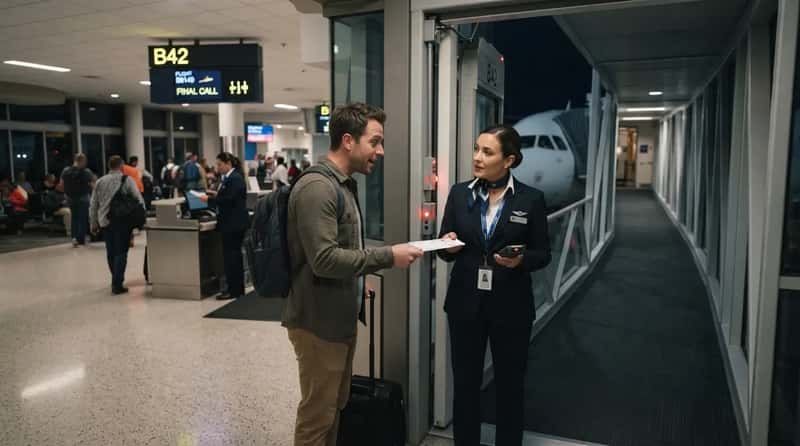
Sprinting to a gate after the door alarm sounds like game over. Sometimes it isn’t.
If the aircraft door hasn’t physically closed and the jet bridge is still attached, supervisors retain the authority to let a passenger board even after the announced “final call” has passed. This is entirely discretionary and depends on how tight the schedule is, but it happens more than airlines admit. Gate staff say the difference usually comes down to calm communication versus a passenger who shows up already yelling, and the latter rarely gets the benefit of the doubt.
#3 – Siblings Flying Together Can Skip the Unaccompanied Minor Fee
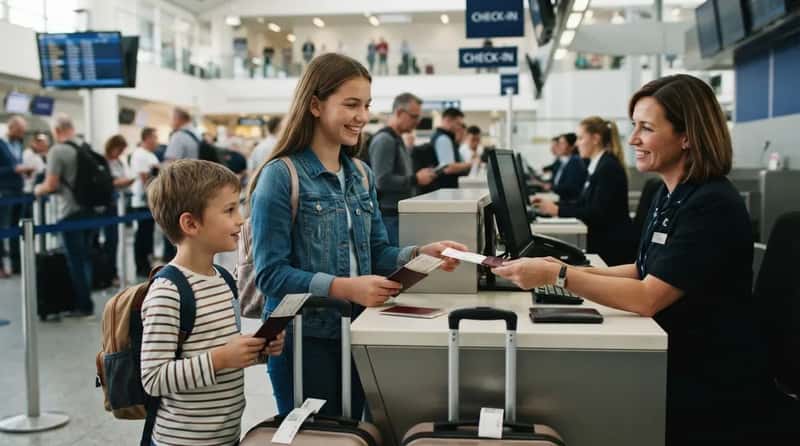
Unaccompanied minor fees run $150 or more per flight, and most parents assume every child under a certain age triggers the charge automatically. That’s not always accurate.
When an older sibling who meets the airline’s minimum age requirement is flying alongside a younger child on the same reservation, agents can often waive the standalone unaccompanied minor service and its fee, treating them as a supervised pair instead. Airlines rarely volunteer this distinction at booking, which means families routinely pay for a service they didn’t need. Asking directly, with both birthdates in hand, is the move.
#2 – Mobility Equipment Gets Cabin Closet Storage, Not Cargo
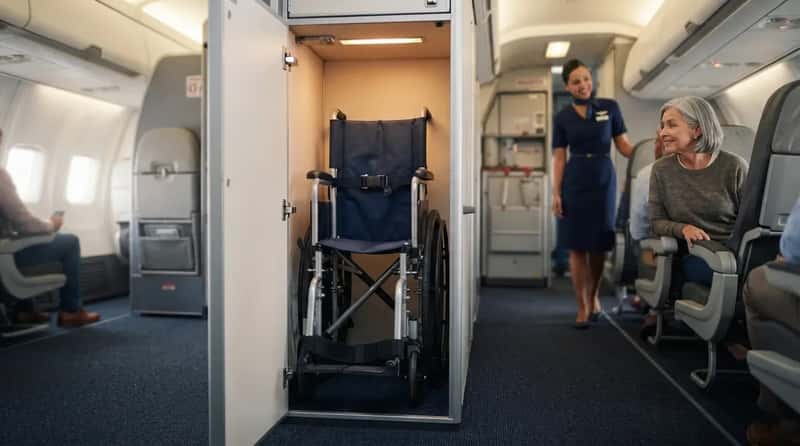
Wheelchairs, walkers, and other mobility devices are supposed to travel in cargo, but that rule has more give than most travelers realize.
For smaller folding mobility aids, gate agents and flight attendants can approve storage in an onboard closet rather than sending the equipment below with checked luggage, dramatically reducing damage risk and the anxiety that comes with it. This isn’t guaranteed on every aircraft type since closet space varies, but experienced travelers say asking specifically for closet storage, rather than assuming cargo is the only option, changes the outcome more often than airlines let on.
#1 – Mass Cancellations Get Rebooked at the Gate, No Call Center Required
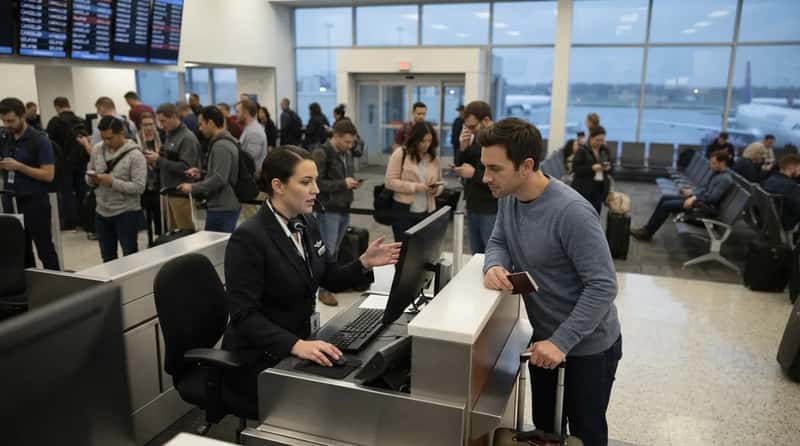
When a storm or system outage cancels dozens of flights at once, most passengers assume their only option is a two-hour hold with a call center. It isn’t, and this is the one supervisors say saves the most stress.
During a mass disruption, gate agents become the primary point of resolution, and supervisors are frequently granted temporary authority to rebook passengers onto partner airlines, alternate hub routes, or even next-morning departures that never show up as options in the app. The single biggest mistake travelers make is leaving the gate area to call reservations instead of standing in the shorter line right in front of them. Staying put, staying calm, and asking a supervisor directly consistently produces faster, better rebookings than anything a phone agent can offer from a script.
At a Glance
- Gate agents become the primary point of resolution during mass disruptions
- Supervisors can authorize partner-airline or alternate-hub rerouting the app never shows
- Staying at the gate beats a long hold with the call center
- Calm, direct requests to a supervisor tend to move fastest
Every one of these approvals shares the same quiet pattern: none of them are guaranteed, all of them are discretionary, and almost all of them depend on a traveler simply knowing to ask. Airlines don’t publish this stuff because certainty would mean losing flexibility, and flexibility is exactly what supervisors use to keep frustrated passengers calm without giving away the whole system.
The next time you’re standing at that desk with a request that feels like a long shot, remember that “no” is usually just the opening offer, not the final word.