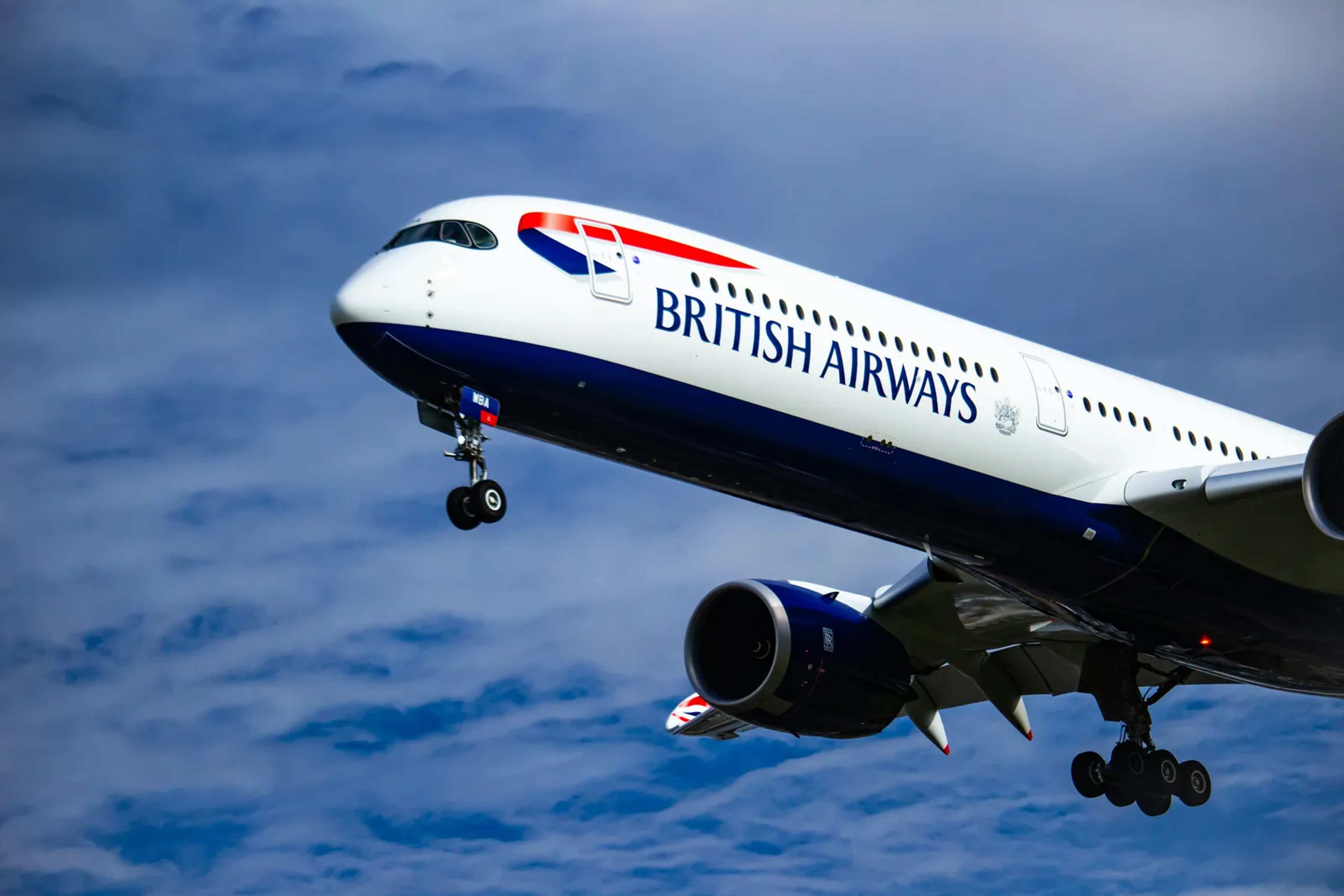
College football weekends and professional matchups are prompting carriers to launch one-off routes that would otherwise make little sense on a standard schedule. United Airlines, for instance, will fly nonstop from Indianapolis to Lincoln next month to support Indiana fans traveling to face Nebraska. Similar adjustments appear across several networks as demand for game-day travel continues to rise. ([1])
Measuring the Growth in Sports Travel
Fans spent more than $51 billion on trips to spectator events in 2025, according to industry data, and that figure preceded the influx of visitors for the FIFA World Cup hosted in the United States. In Austin alone, sports-related stays now account for one in every six hotel room nights booked in the city. Tourism officials there describe the category as a year-round driver that fills both summer peaks and weekend gaps.
The pattern extends beyond traditional college rivalries. Professional leagues are also expanding international calendars, which creates fresh opportunities for carriers willing to match capacity to specific events. Airlines view these movements as reliable sources of high-yield traffic that can justify temporary schedule changes.
How Fan Behavior Has Shifted
Travel advisers who have booked Packers away games for decades report a clear change in requests. Clients once sought the lowest fares and basic lodging; many now want premium seats, meet-and-greets, and immersive local experiences that turn a single game into a multi-day trip. The shift mirrors the all-in spending seen during major concert tours, where travelers prioritize proximity and quality over cost savings.
Consumer researchers note that this willingness to splurge on time-bound events persists even amid higher living costs. People appear ready to save specifically for standout occasions rather than spread spending evenly across smaller outings. The result is concentrated demand on certain weekends that airlines can capture with targeted flights.
Carriers Respond With Targeted Routes
United has refined its approach over nearly a decade of college-football experiments and now identifies promising matchups earlier in the planning cycle. Recent additions include service from Eugene to Columbus for an Oregon-Ohio State game and a Birmingham-Baton Rouge flight tied to an Alabama-LSU contest. Southwest has introduced its own slate of seasonal nonstops, including Oklahoma City to Jacksonville and Columbus to Omaha.
American Airlines is taking the concept further with a Dallas-to-Rio de Janeiro charter on a wide-body jet when the Cowboys play in Brazil. Executives at Delta have publicly described sports travel as an “insatiable” category that spans college, professional, and women’s leagues. The common thread is a willingness to operate flights that touch few or no regular hubs when the local market justifies the move.
Planning Ahead for Event Travel
Travelers who want to attend major games benefit from watching schedules as soon as they are released. Award space on popular routes can open more than eleven months out, and flexible tickets allow adjustments if prices fall later. Adding travel insurance that covers event cancellations provides an extra layer of protection when relying on a single high-demand weekend.
Arriving a few days early and departing after the final whistle can ease both price pressure and the risk of weather or operational delays. Using points strategically for the air portion often lowers the cash outlay, though valuations should be checked to avoid overpaying in miles. These steps turn a single game into a more reliable and enjoyable trip.
What matters now: Sports events are no longer occasional spikes; they have become predictable drivers of airline schedules and hotel demand across multiple seasons.