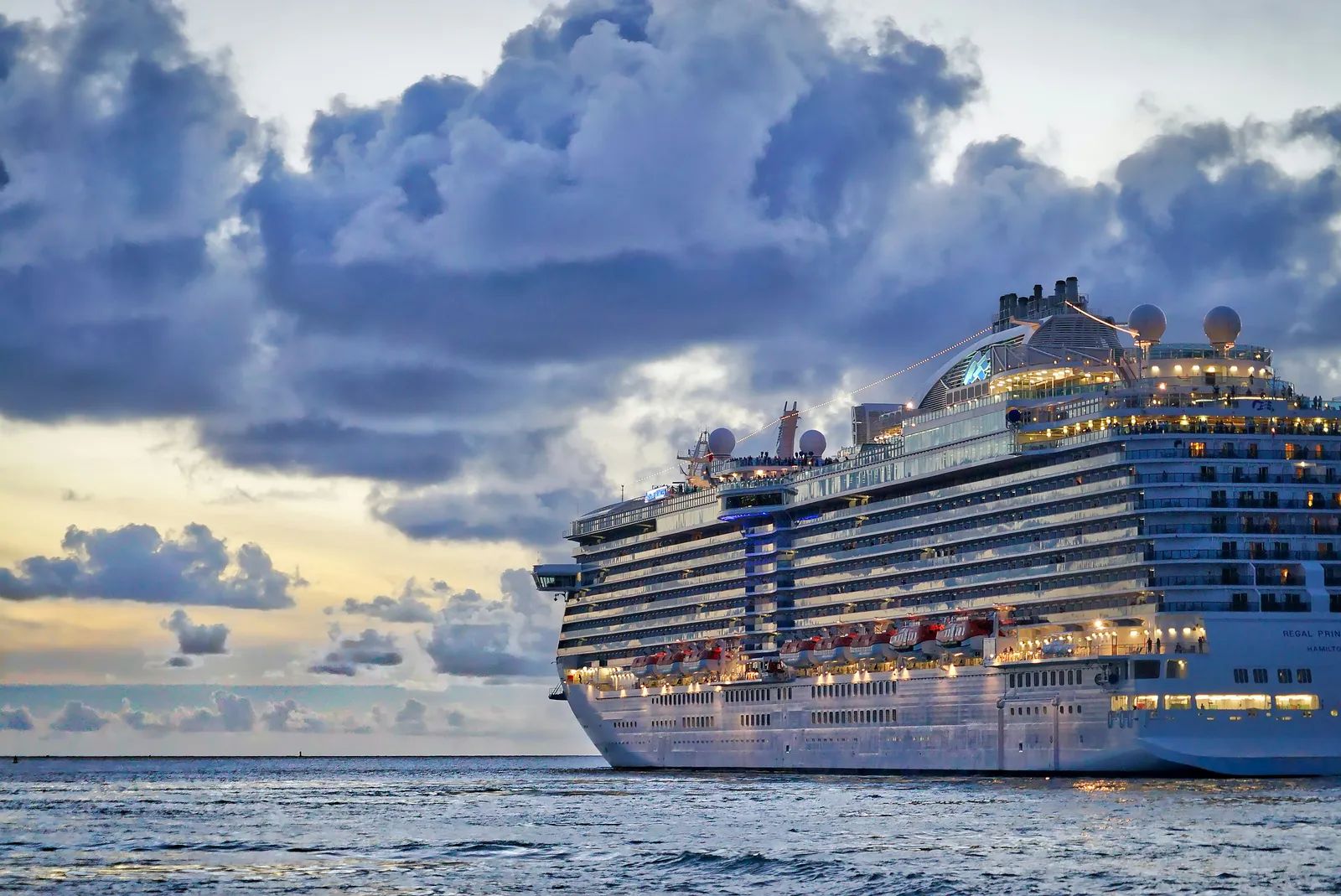
Alaska draws visitors with its vast glaciers, snow-capped peaks and abundant wildlife, yet many assume the experience remains out of reach for average budgets. In reality, careful planning around cabin selection, timing and extras can keep total costs reasonable while still delivering the destination’s signature scenery. The key lies in understanding how base fares and add-ons combine rather than focusing on advertised prices alone.
Base Fares Start Lower Than Expected
Inside cabins without windows often represent the most economical entry point on mainstream lines. These options can begin around several hundred dollars per person for a standard seven-night itinerary, particularly during shoulder periods. Travelers who prioritize time on deck over private views find ample public spaces for watching the landscape unfold. Ocean-view rooms add a window for modest increases, while balcony cabins command higher rates yet remain popular because of the direct access to passing wildlife and calving ice. Luxury suites sit at the upper end, with fares that include more bundled services but start several times higher than standard accommodations. The range shows that choices exist across price points without sacrificing the core Alaska experience.
Extras That Shape the Final Bill
Port taxes, government fees and gratuities appear on every sailing and typically total several hundred dollars per person. Shore excursions often become the largest variable expense, ranging from modest wildlife viewing trips to premium helicopter or dogsled outings that can exceed several hundred dollars each. Drink packages, specialty dining and Wi-Fi add further layers on mainstream ships, though some luxury operators fold many of these items into the fare. Airfare to the departure port and a pre-cruise hotel night also factor into planning, especially when weather or remote locations create scheduling challenges. One-way itineraries between Vancouver and Seward can appear attractive until return flights from smaller Alaskan airports are priced. Round-trip departures from larger hubs like Seattle frequently balance out more favorably once all legs are considered.
Sample Cost Scenarios
The following examples illustrate how the pieces add up for different traveler types on a typical seven-night voyage. Actual figures shift with dates, lines and choices, yet they provide a realistic framework.
- Solo traveler in an inside cabin: cruise fare near $1,200 including single supplement, airfare around $350, gratuities near $130, port fees about $350 and two excursions at $300, for a combined estimate near $2,330.
- Couple in an ocean-view cabin: cruise fare around $1,600 total, airfare near $700, gratuities about $260, port fees near $700 and excursions at $500, for a combined estimate near $3,760.
- Family of four in balcony cabins: cruise fare near $4,400 total, airfare about $1,400, gratuities near $520, port fees about $1,400 and kid-friendly excursions at $600, for a combined estimate near $8,320.
These outlines highlight that the gap between mainstream and luxury options narrows once inclusions are weighed.
Timing and Itinerary Choices That Reduce Spend
Shoulder months such as April, May and September often bring lower demand, milder crowds and occasional promotional bundles that cover gratuities or Wi-Fi. Longer sailings of ten or eleven nights can deliver better value per day through additional ports and a slower pace, even when the upfront fare appears higher. Cruise lines sometimes extend these deals during wave season, allowing travelers to stretch budgets further without sacrificing time in the region. Cruisetours that pair a coastal voyage with inland segments also provide a single-booking path to both glacier country and the interior, avoiding separate arrangements that can inflate costs. Because many remote Alaskan communities lack road connections, the ship itself serves as the practical link, adding convenience that offsets some of the destination premium compared with Caribbean routes.
Why the Investment Holds Value
Alaska’s scale and seasonal access set it apart from more accessible cruise regions, yet the same factors that raise prices also create the unmatched scenery and wildlife encounters that define the trip. With attention to cabin type, extras and sailing window, the overall outlay need not exceed expectations formed by other destinations. The result is a journey whose memories remain distinct regardless of the precise total spent.