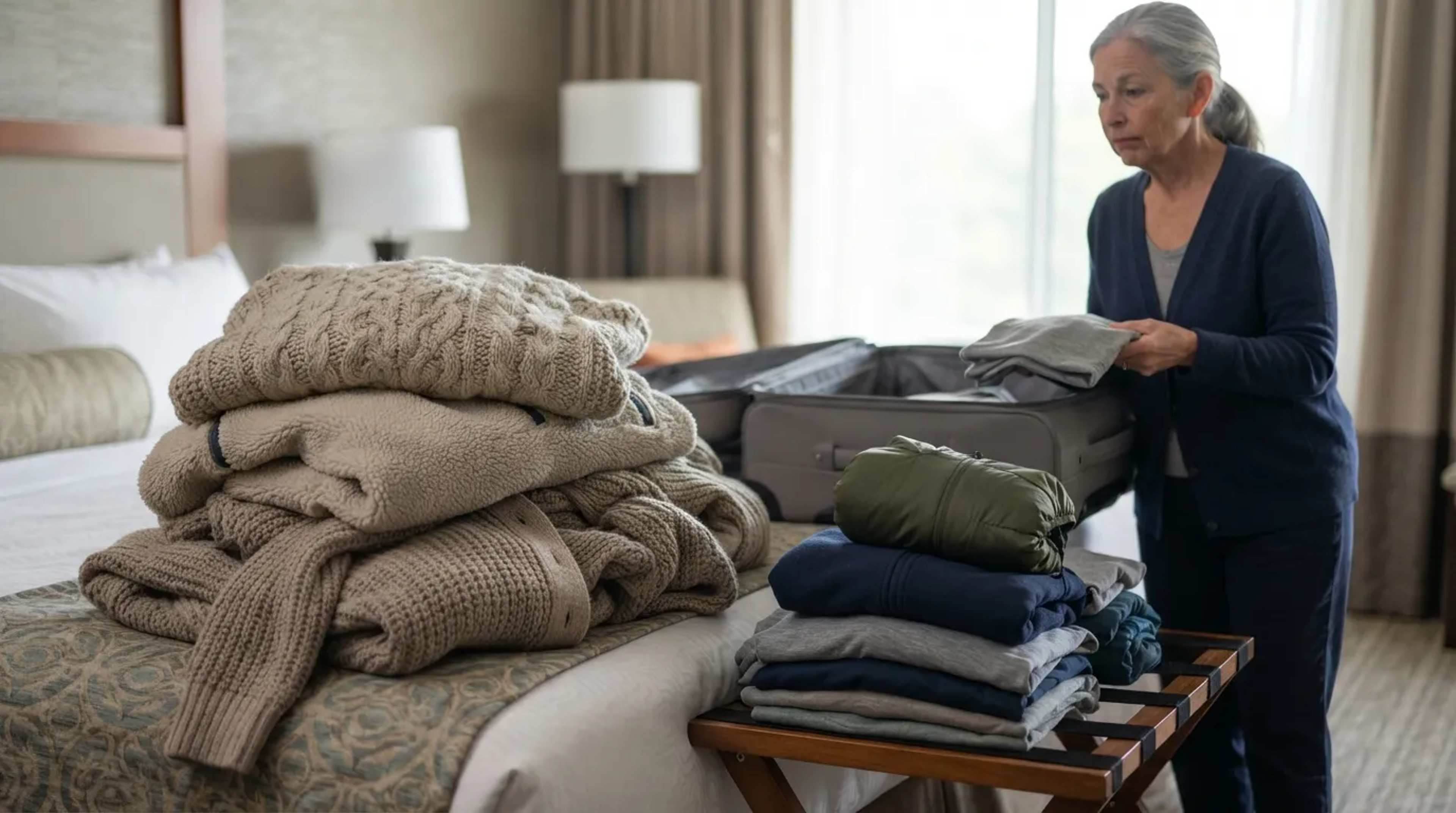
There’s a particular image most people conjure when they hear “all-inclusive resort”: a plastic wristband, a buffet the size of a football field, and a bartender who never stops pouring. For decades that image sold itself. Now, walk through any airport departure lounge and you’ll notice something different in the conversations around you, fewer people bragging about unlimited mojitos and more talking about a villa they split with friends, or a week spent hiking somewhere nobody’s heard of.
The shift isn’t sudden, and it isn’t universal. Some data still shows all-inclusive bookings holding strong, even growing in certain markets. But underneath that headline number, a meaningful slice of travelers, particularly those with money to spend and options to weigh, are quietly building their vacations around something other than a single all-in price tag.
Why the all-inclusive price tag isn’t as simple as it looks
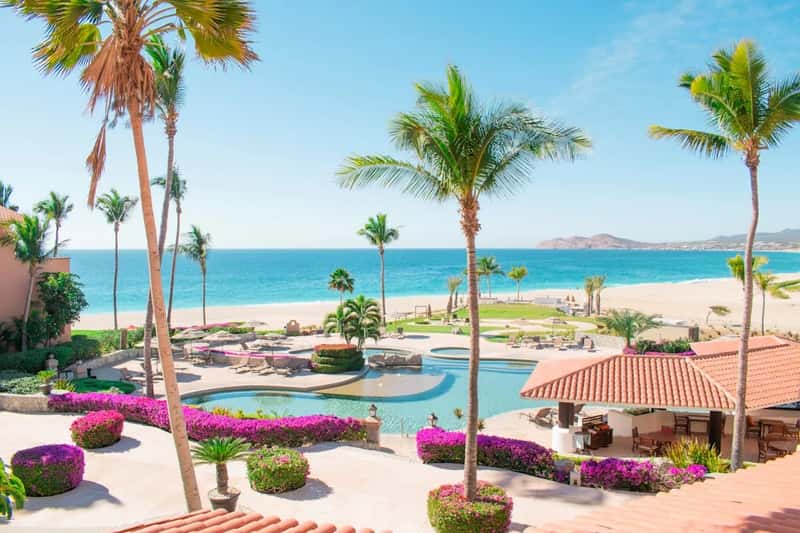
The promise of one flat rate covering everything has always been the main selling point, but that promise has grown fuzzier in recent years. All-inclusive resorts often advertise seemingly low nightly rates upfront, but hidden resort fees and taxes are later tacked on, ballooning the final bill, with extra charges that can add fifty dollars or more per day.[1] By the time premium liquor, specialty restaurants, or a spa treatment get added in, the “inclusive” part starts to feel more like a starting bid.
The average cost of an all-inclusive vacation in 2024 came out to roughly $3,202, with guests staying an average of five to six nights.[1] More recent estimates push even higher, with all-inclusive resorts advertising simplicity while the average cost runs $300 to $400 per person, per night in 2026.[2] For a family of four or a group of friends, that math adds up fast, and it’s pushing some travelers to price out other options before they book.
Private villas and staffed home rentals draw a growing crowd
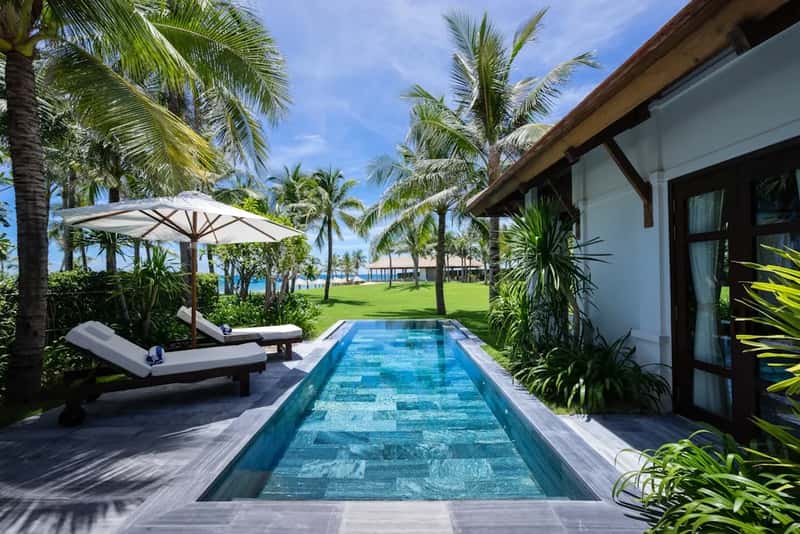
Villas used to be the domain of the ultra-wealthy, but that’s changed. Advisors are seeing travelers stretch their stays, travel in larger multigenerational groups, and choose homes that function like boutique resorts, with villas not so much replacing hotels as replacing the compromises that come with them.[3] A private chef, a pool nobody else is using, and a schedule set by no one but you carry their own kind of luxury.
The math often works out in the traveler’s favor too. Eight guests splitting a villa can pay less per person than resort rates while getting significantly more space, private amenities, and dining flexibility that saves money over mandatory meal plans.[2] Once a group grows past four people, the private rental case gets harder to argue against.
Small-footprint boutique resorts outshine the mega-complex
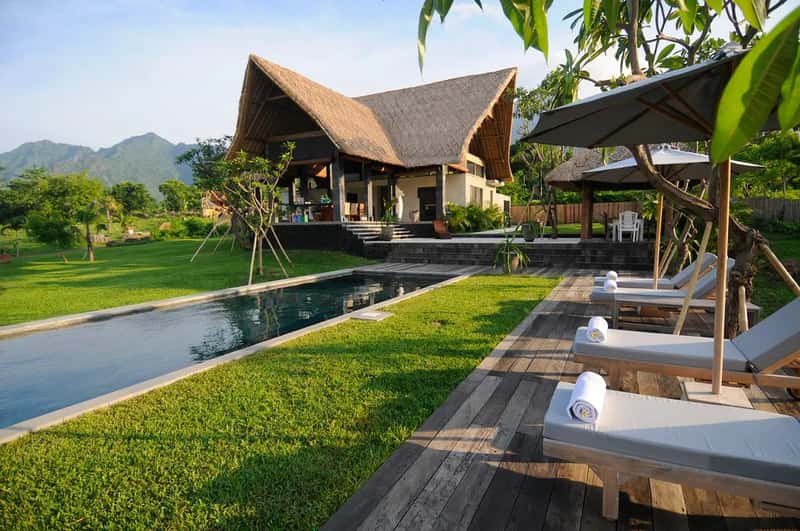
Not everyone wants to give up the all-inclusive format entirely, but plenty want it in a smaller package. There’s a significant shift toward boutique all-inclusive resorts with fewer than fifty rooms, properties that trend well because they offer a level of personalization larger resorts simply can’t match.[4] Fewer guests means fewer lines, and often a staff that actually remembers your name by day two.
These boutique stays tend to offer a stronger sense of authenticity, often integrating deeply with the local community and environment, and they’re becoming the preferred choice for travelers seeking land-and-sea extensions.[4] It’s the same all-in convenience, just scaled down to something that feels less like a resort and more like a well-run guesthouse.
Wellness and longevity retreats replace the poolside bar

A quieter, more intentional kind of vacation has been gaining ground fast. Wellness travel has become the second most popular solo travel experience in 2026, next only to adventure travel, according to the Virtuoso Luxe Report, and it makes sense given that wellness and neuro-fitness travel encourage a deep reset that a group beach holiday simply can’t recreate.[5] Instead of an open bar, travelers are booking programs built around sleep, movement, and mental clarity.
Specific properties are cashing in on that appetite. Longevity-curious travelers are booking stays at places like Bavaria’s Lanserhof Tegernsee, a luxury medical health resort focusing on brain health and energy balance, or California’s Cal-a-Vie Health Spa, where guests sign up for yoga, breath work, and fascia fitness sessions.[5] This is a far cry from the swim-up bar model, and it’s exactly the point.
Slower, less-scheduled trips over jam-packed resort itineraries
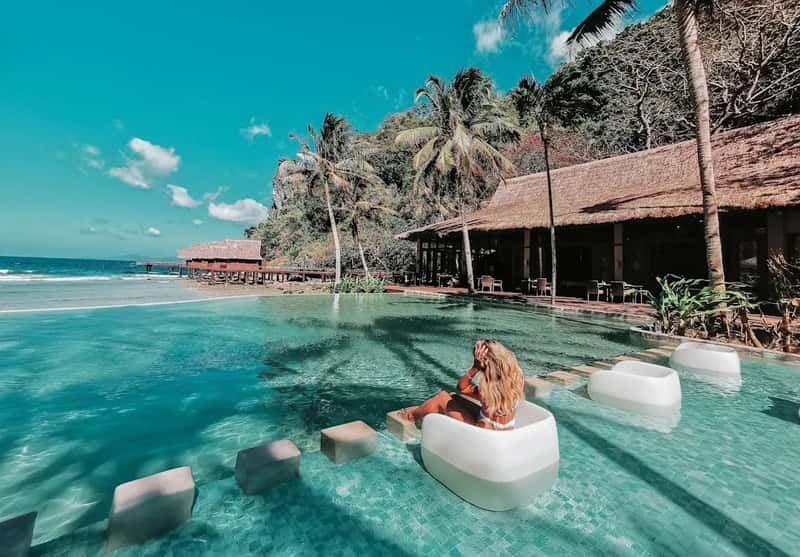
All-inclusive resorts have traditionally sold themselves on efficiency, packing activities and dining into a tight, pre-planned loop. That model is losing its shine for travelers who feel like they need a vacation from their vacation. One major hotel alliance survey found travelers are “recalibrating, not retreating,” with 42 percent preferring unplanned, relaxing trips focused on comfort and wellbeing, and a broader shift from quantity to quality toward authenticity and slower itineraries.[6]
Luxury travel advisors are seeing the same pattern at the top end of the market. Virtuoso’s 2026 Luxe Report points to a shift in what high-end travelers actually want next year, fewer crowds, slower itineraries, more cultural immersion and wellness, alongside a willingness to spend as long as it feels meaningful.[7] The pace of the trip, not the number of things checked off, is becoming the real luxury.
Culturally immersive stays over walled-in compounds
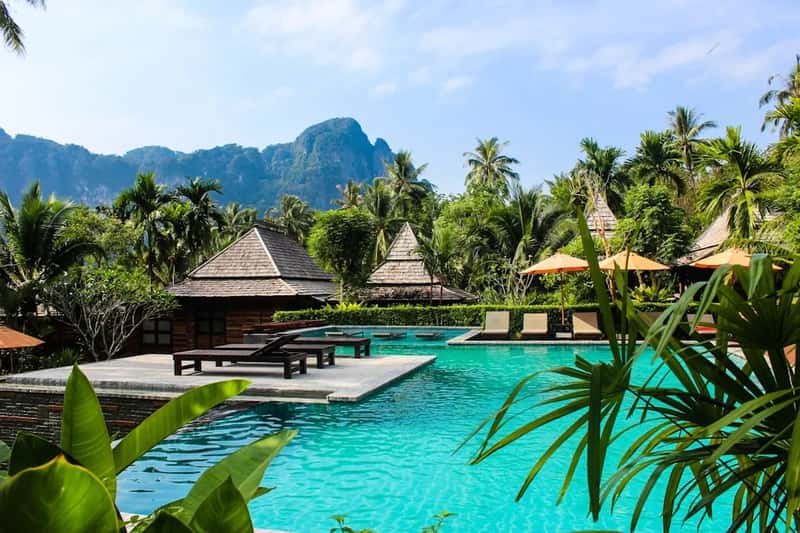
One of the oldest criticisms of all-inclusive resorts is that they keep guests inside a gated bubble, disconnected from the country they’re technically visiting. That complaint is now showing up in the data. A recent study found more than half of travelers report the ability to experience authentic local customs and culture as a major deciding factor in their travel choices.[8]
Interestingly, some resort brands are trying to answer that complaint rather than lose business to it. Properties within collections like Hyatt’s Inclusive Collection have leaned into curated, culturally grounded programming rather than over-scheduling, while resorts under brands such as Secrets Resorts & Spas and Dreams Resorts & Spas increasingly build destination-specific activations into their identity as anchors, not add-ons.[8] Still, plenty of travelers are choosing to skip the resort gate altogether and book something local from the start.
Secondary destinations and off-the-radar locales gain momentum

Big resort hubs, think Cancun, Punta Cana, or the more crowded stretches of the Riviera Maya, are facing competition from places most travelers wouldn’t have considered five years ago. Travel outlook reports show travelers increasingly seeking sustainable ways to travel that ease pressure on local communities, a shift fueling the rise of so-called secondary cities that sit outside major tourist hubs.[9] These destinations tend to offer a more immersive, less scripted experience than a resort corridor can.
The numbers back this up. Online travel platform Agoda found that accommodation searches in Asia’s secondary destinations are growing 15% faster than in traditional tourism hubs.[9] Governments have noticed too. Indonesia rolled out its “Tourism 5.0” strategy to develop secondary destinations beyond Bali, while Japan is leaning into regional campaigns to steer visitors away from Tokyo and other major city centers.[9]
Serviced apartments and extended-stay rentals for flexible travelers

For travelers who want more room to breathe without giving up hotel-style support, serviced apartments have carved out a real niche. A 2026 NerdWallet study found that 51 percent of Americans now prefer vacation rentals over hotels, a number that jumps to 65 percent among parents traveling with children under 18.[10] That’s a meaningful shift away from the one-size-fits-all resort room.
Big hospitality brands are chasing that demand directly. In 2026, Hilton launched Apartment Collection by Hilton, a new brand offering furnished studio to four-bedroom apartments aimed at urban travelers, from business professionals on extended assignments to families exploring city destinations.[11] It’s a sign that even the biggest hotel companies see the appeal of a kitchen and a living room over a buffet line.
Multigenerational groups choose private homes over big resorts

Family travel has gotten bigger and more complicated, often spanning three generations under one roof. Travelers are increasingly traveling in larger “life groups,” multigenerational families, friends with kids, and milestone crews, and choosing homes that function like boutique resorts with full staff and tailored experiences.[3] A resort room block simply doesn’t offer the same shared living space a rented house does.
This isn’t just a wealth trend either. With remote work and flexible schooling now common, extended families are embracing shared experiences in private villas that offer space, comfort, and connection in one place, strengthening bonds across generations.[12] A villa with a shared kitchen table tends to create a different kind of memory than a resort dinner reservation ever could.
All-inclusive brands are fighting back with experience-led makeovers
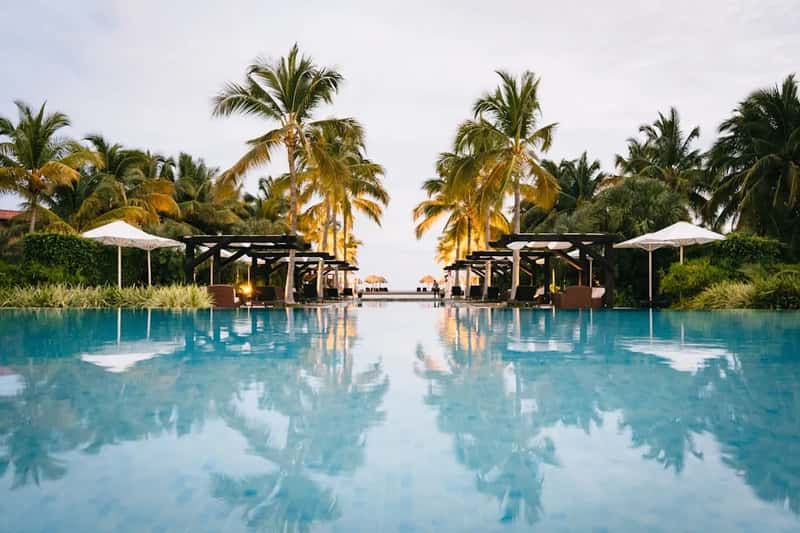
It would be inaccurate to say all-inclusive resorts are disappearing. Some data actually points the other way. A survey commissioned by Hyatt Inclusive Collection found that 87 percent of consumers have either stayed or considered staying at an all-inclusive resort, with six out of ten agreeing they are more likely to do so than they were five years ago.[13] Younger travelers in particular seem warmer to the category than before.
Gen Z travelers love all-inclusive resorts, with one-third saying their perception of them has changed for the better and 42 percent now naming it their preferred hotel type.[14] Rather than losing the fight outright, many resort brands are responding by reshaping the model itself, leaning into experience as the differentiator now that amenities have become simply expected.[8] The category isn’t vanishing so much as splitting into two paths, one chasing scale and convenience, the other chasing meaning.
The takeaway for travelers planning ahead
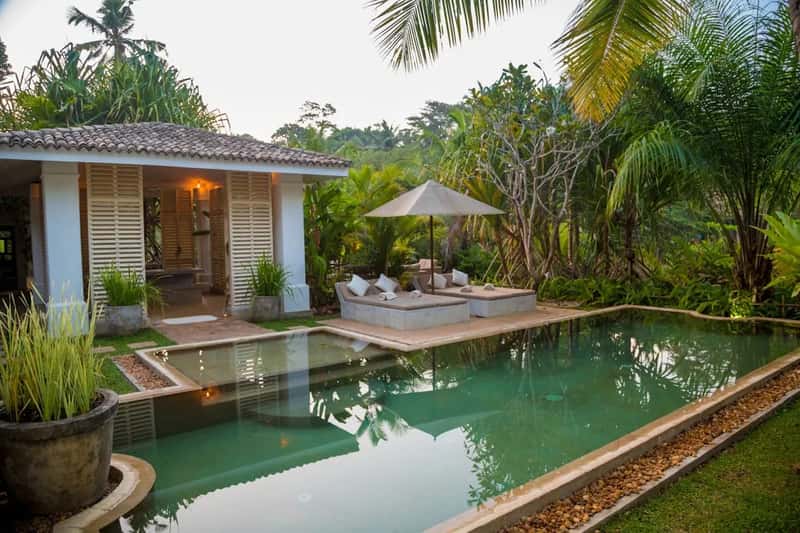
What’s happening isn’t a wholesale rejection of the all-inclusive resort. It’s more of a sorting process. Travelers with tight budgets and simple expectations still find real value in the format, while those with more flexibility are increasingly willing to trade a wristband for a villa key, a quiet wellness retreat, or a week in a city nobody’s flooding to yet.
The common thread across every alternative gaining ground, villas, boutique stays, wellness retreats, secondary destinations, is control. Travelers want to choose their own pace, their own crowd size, and their own definition of relaxation, rather than have it pre-packaged for them. That’s less a trend against all-inclusive resorts specifically and more a broader shift in what people expect a vacation to actually do for them.