Something is shifting quietly beneath the surface of American travel culture. Millions of people who once dreamed of sipping espresso on a Roman terrace or strolling the canals of Amsterdam are now pausing, rethinking, or flat-out canceling those bookings. It is not laziness. It is not a lack of wanderlust. There are real, data-backed reasons fueling this slow retreat from some of the world’s most iconic destinations.
Fewer Americans are planning to travel this summer, with some 46% of respondents saying they plan a summer vacation this year, down from 53% in 2024. Cost anxiety, political noise, and the very real sting of anti-tourist protests are reshaping where Americans choose to spend their hard-earned vacation days. The destinations being avoided are not obscure. They are the famous ones. Let’s dive in.
1. Barcelona, Spain – Where Tourists Are No Longer Welcome

Barcelona used to be the ultimate bucket-list city. Gaudí, tapas, warm Mediterranean evenings, football culture. Honestly, it sounds perfect. The reality on the ground in 2024 and 2025, however, has been something very different.
Barcelona’s sunny streets and vibrant arts scene have drawn millions, but the surge in tourists has precipitated significant challenges. In 2024, an activist group called “Tourism is Killing Barcelona” gained momentum as a vocal opposition movement against the overwhelming tourist influx, with 12 million visitors in the previous year causing property rents to escalate dramatically and forcing long-term residents out of their neighborhoods.
City officials have responded by halting the issuance of new hotel licenses and promoting responsible tourism practices, yet tensions remain palpable. Areas such as La Rambla have witnessed graffiti and protest banners demanding “Tourists Go Home.”
Locals in Barcelona took to the streets, spraying water pistols at innocent visitors, and protests gripped parts of Mallorca. For many American travelers, this kind of hostile reception – even if symbolic – is enough to make them reconsider entirely. In Barcelona, the city council has also vowed to get rid of all Airbnb-style accommodation by 2028. Fewer options, higher prices, and a chilly welcome? Many are choosing to simply go elsewhere.
2. Venice, Italy – Beautiful, But Charging You to Even Step Inside
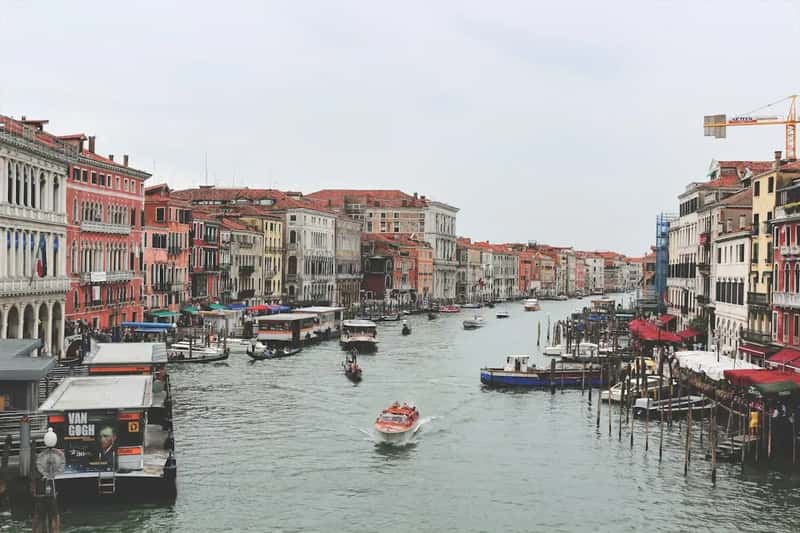
Venice is one of those cities that exists almost as a fantasy. Gondolas, bridges, a city literally floating on water. It sounds like a dream. Here’s the thing, though: that dream now comes with an entry fee, strict group caps, and a city that is slowly running out of patience for day-trippers.
Venice doubled its tourist tax to €10 for last-minute day-trippers and expanded fee days from 29 in 2024 to 54 in 2025. Groups exceeding 25 people are also prohibited from entering Venice, and audio guides or loudspeakers are restricted.
In Venice, there are now more hotel beds than residents. Think about that for a moment. The city has, in many ways, become a living, breathing tourist attraction rather than a living city. Venice has become the shorthand example of overtourism in Europe due to its physical constraints, which make the problem visible – you simply cannot spread out easily in a small lagoon city with narrow pedestrian routes and delicate infrastructure.
Reports outlining the 2026 return and expansion of this entry-fee system reflect a city trying to manage the most intense peaks. As a result, Venice is a place to reconsider this year – not because it is off-limits, but because your timing and trip style matter more here than almost anywhere. For many budget-conscious Americans, this complexity alone is enough to point their browsers toward a different destination.
3. Amsterdam, Netherlands – A City Actively Telling You Not to Come
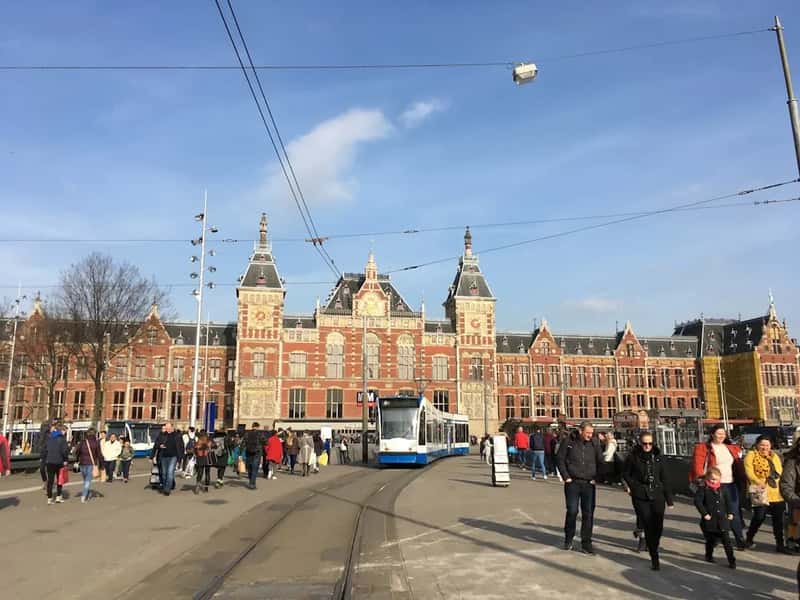
Amsterdam is arguably the most brazen example of a city actively discouraging tourism. It did not just tighten a regulation here and there. It literally launched a “Stay Away” campaign. That kind of thing sticks.
In 2024, Amsterdam recorded around 23 million overnight tourist stays, roughly three percent more than the previous year, despite its self-imposed cap of 20 million that was set in 2021. Last year, the city also announced a ban on the construction of new hotels.
The Dutch city plans to limit cruise ships in its harbor to just 100 in 2026, down from 190 currently, before banning them by 2035. This is a radical move that signals the city is serious about pulling back from mass tourism. Rising rents are at the heart of the anti-tourism movement, with destinations such as Amsterdam seeing rental prices skyrocket as property owners prioritize short-term rentals for tourists over long-term tenants.
Over the past years, more than 75 measures have been implemented in Amsterdam to combat the negative effects of overtourism, from rules to regulate the capacity of B&Bs and vacation rentals to relocating and reducing sea and river cruises and banning coaches in the city center. For Americans who prefer a warm welcome over obstacle courses of regulations and fees, Amsterdam’s reputation has taken a real hit.
4. Hawaii, USA – The Dream Island Destination With a Sobering Reality
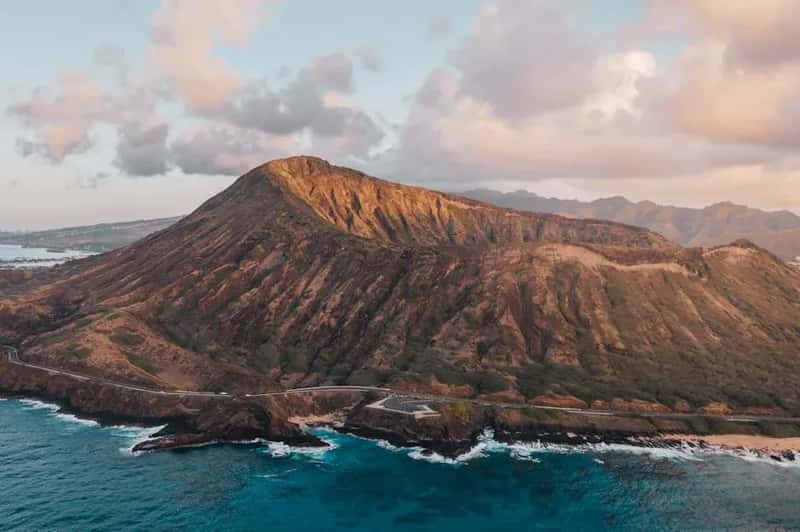
Hawaii is close enough to feel accessible, far enough to feel exotic. But the island paradise image has been complicated by rising costs, the aftermath of the devastating 2023 Maui wildfires, and a sense among locals that their home is being loved to death.
Maui’s economy remains fragile, with visitor arrivals still down nearly 20% from pre-COVID-19 levels and lingering challenges from housing shortages, inflation, and workforce constraints. The 2023 wildfires compounded cultural and community tensions, leaving residents wary of overtourism but reliant on visitor spending.
There were 690,858 total visitors to the Hawaiian Islands in September 2025, a 2.5 percent decline compared to September 2024. However, those visitors spent more on an average daily basis, contributing to an 8.1 percent increase in total visitor spending. Fewer people going but spending more, a sign of a destination that is becoming a luxury product by default, pricing out middle-class American families.
Hawaii has seen weakness from its top visitor market, the U.S. West, and continuing declines from Canada, its second-largest international market. Hawaii faces stiff competition from other destinations, and it is important for Hawaii to continue marketing to the world. The islands remain breathtaking, but the math – flights, hotels, food, activities – simply does not add up for many Americans anymore.
5. Paris, France – The City of Light Dimmed by Its Own Popularity
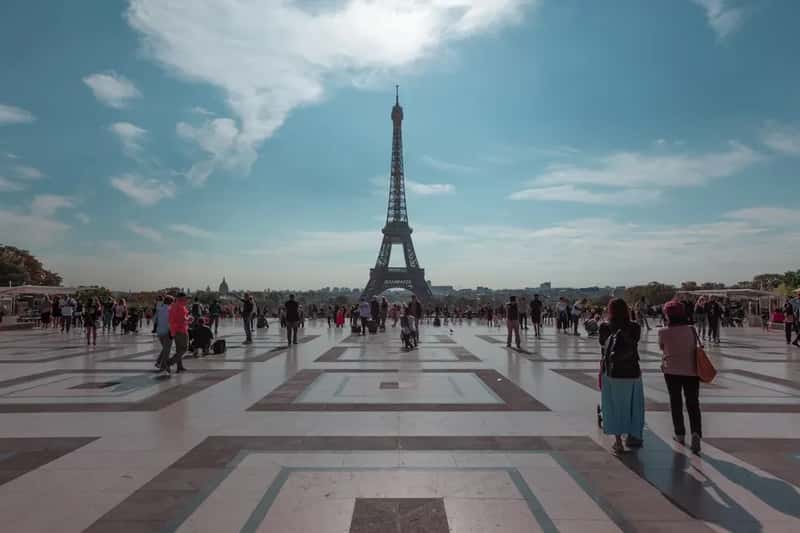
Paris is perhaps the most mythologized city on Earth. No argument there. It is gorgeous, cultured, and steeped in history. Yet the dream of Paris and the reality of navigating it during peak season, with elbow-to-elbow crowds and sky-high prices, are two very different things.
In 2025, there has been a 4.6 percent decline in international visitors to Paris compared to October 2024. During the first half of October 2025, the tourism industry in Paris saw a drop in domestic and international visitors, unlike the record set in 2024.
The U.S. dollar depreciated more than 10 percent against the Euro in 2025, but Americans remain largely undeterred. Overall, tourists in France spent 9 percent more in 2025 than the previous year. That dollar depreciation, though, has made Paris feel significantly more expensive for middle-income American visitors. Paris faces overtourism, especially at major landmarks like the Louvre, Eiffel Tower, and Sacré-Cœur, which can become overcrowded during peak months, and the city has been exploring crowd management measures.
Rising prices for travel, including accommodation and general expenses combined with economic uncertainty, can make travel to Paris much more challenging, leading people to postpone or cancel trips altogether. I think for many Americans, Paris still tops the fantasy list. Acting on that fantasy in 2025 and beyond, however, is an increasingly expensive privilege.
6. Bali, Indonesia – Paradise Under Pressure
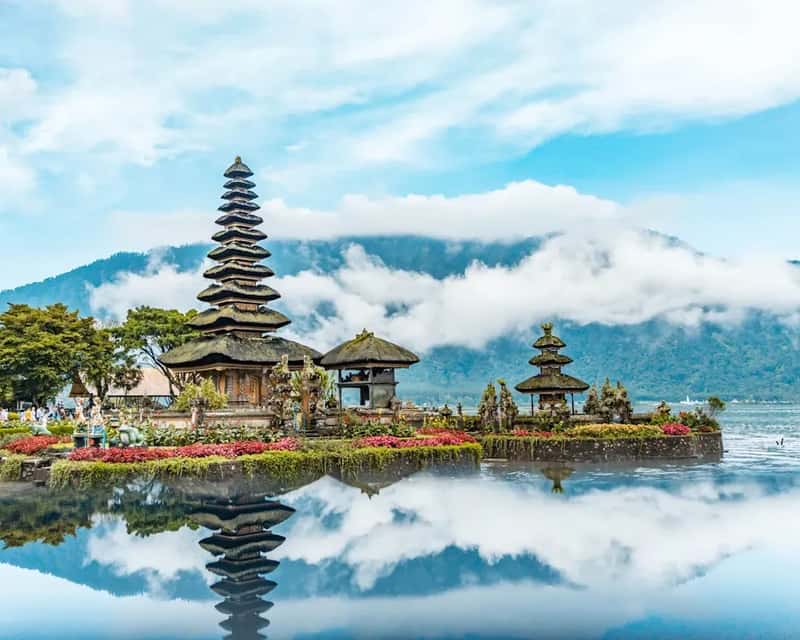
Bali has been on every travel blogger’s list for over a decade, which is precisely part of its problem. The spiritual, lush, “undiscovered” Bali that captivated early visitors barely exists anymore in its original form. And travelers are starting to notice.
Bali tops Fodor’s “No List” for 2025, which aims to highlight destinations where tourism is placing unsustainable pressures on the land and local communities. That is not a minor footnote. Fodor’s is one of the most widely read travel guides in the world, and being placed on its list to avoid carries real weight with informed travelers.
Nearly 15 million tourists arrived in Bali in 2024, and many local communities have protested against rapid, unchecked development. The replacement of sacred sites and traditional rice paddies with resorts and beach clubs has sparked widespread concern, and the Indonesian government has initiated a crackdown on illegal construction.
The small island has been grappling with traffic congestion, plastic pollution, and overdevelopment straining its natural resources. In 2024, Bali saw 6.33 million international visitors, surpassing the previous peak of 6.28 million in 2019. Since February 2024, foreign tourists have been paying a tourism tax, and the Bali provincial government collected the equivalent of roughly $19.2 million through the Foreign Tourism Levy in 2024. For an experience that once felt authentic and affordable, Bali’s magic is increasingly filtered through a lens of overcrowding and environmental strain.
7. Japan – A Country Pushing Back with Barriers and Fees

Japan became one of the hottest travel destinations for Americans in recent years. The food, the culture, the bullet trains. Totally understandable. But Japan’s explosive popularity has come at a steep cost for its residents, and the country is now actively pushing back against the flood of visitors.
In May 2024, a temporary barrier was erected to block the view of a popular Mount Fuji photo spot near a convenience store in the town of Fujikawaguchiko, as authorities of one overrun town erected a barrier to prevent tourists from snapping selfies with Mount Fuji. It sounds almost absurd, but it illustrates just how severe the situation has become.
Japan’s historic city of Kyoto has been trying to cope with overtourism by limiting access to small streets, with private streets and alleys in Gion now closed to tourists. The historic district that was once a peaceful area for traditional culture has become overwhelmed by tourist crowds seeking Instagram shots with geishas.
American travelers looking to avoid crowds of compatriots would do well to avoid Japan, which has seen a staggering 50 percent increase in U.S. tourists between March 2019 and 2024. That volume has driven resentment among locals and prompted new access restrictions. For Americans who dreamed of a peaceful, immersive Japanese experience, the reality in 2025 is unfortunately closer to navigating a crowded theme park than discovering an ancient culture.
8. Mexico’s Popular Resorts – Safety Concerns Casting a Shadow
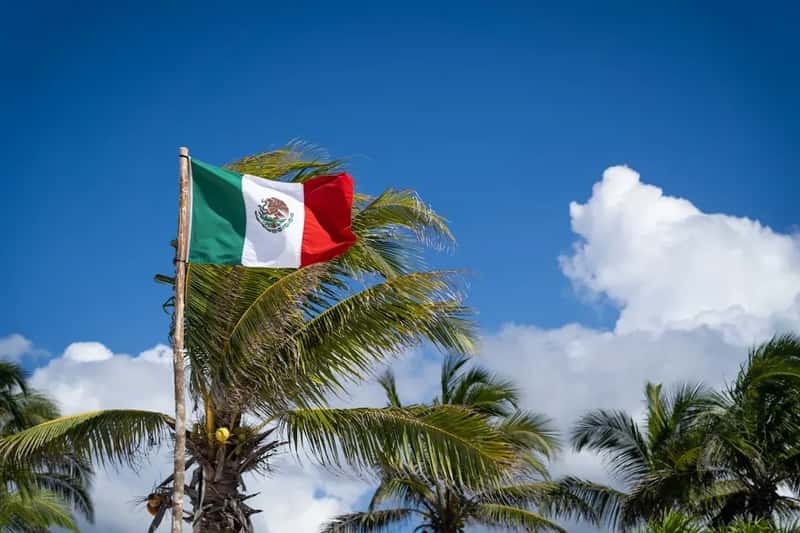
Mexico has been one of the most visited destinations for Americans for decades, and the numbers still hold up. Yet a growing segment of American travelers are quietly steering away from certain well-known Mexican resort cities, citing concerns that go beyond just price tags.
Venezuela is now under a Level 4 “do not travel” advisory as of December 2025, and the U.S. State Department regularly reviews its advisory levels for countries based on factors including crime, terrorism, and civil unrest. While Mexico itself is not under a blanket ban, multiple Mexican states carry elevated State Department advisory levels, which are prominently communicated to American travelers planning their trips.
Among those changing their travel plans, roughly one in five Americans chose to travel domestically instead of internationally, while another significant share chose to avoid certain domestic destinations entirely. Mexico’s resort corridors remain popular, but violence-related travel advisories for states like Colima, Guerrero, and Michoacán have made more cautious travelers nervous about booking outside the confines of large resort complexes.
Mexico reported strong growth, with the country receiving approximately 3.95 million international tourists in January 2025, an 8.5 percent increase from January 2024. Travelers may experience earlier booking cycles and potentially higher prices in Mexico and Caribbean resort markets due to rising demand. The destination is not dying, far from it. However, the composition of American travelers choosing Mexico is shifting, with those avoiding higher-risk areas quietly redirecting their travel dollars.
9. The American Cities Themselves – A Domestic Tourism Pullback
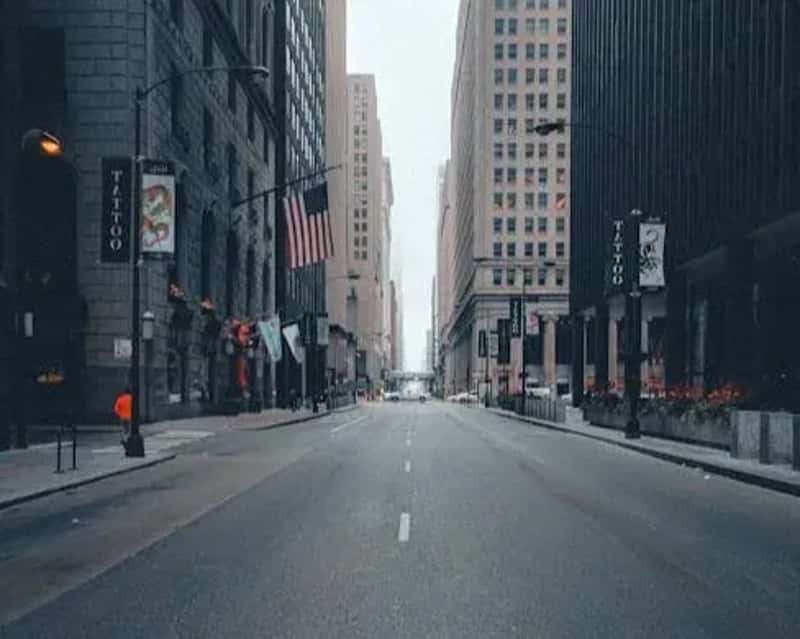
Here is the part that might actually surprise you. It is not only foreign destinations that Americans are avoiding. Major American tourist cities are experiencing their own quiet pullback, driven by rising costs, economic anxiety, and a noticeable drop in overall traveler confidence.
Domestic spending for lodging, flights, and tourism activities is off to a slower start in the United States this year, according to a March report from Bank of America. The report noted that the recent drop in consumer confidence may be translating into people hesitating to book trips, or considering paring them back.
The average number of planned holiday trips has dropped to 1.83, down from 2.14 the year before, and average planned trip budgets are down 18 percent. These more cautious travel decisions are driven by sliding financial sentiment, with nearly one in three respondents saying their financial situation is worse than a year ago, up from 26 percent in 2024.
More travelers are citing the hassle of traveling and difficulty finding time off from work as reasons to skip vacations, rising from about 10 to 11 percent in 2024 to 16 percent each in 2025. The survey also showed 15 percent of respondents said they were worried about flight safety. New York, Las Vegas, and Orlando still attract enormous crowds, of course. Still, the quieter trend of Americans skipping their usual annual city trip or downsizing to a road trip closer to home is very real and very measurable right now.
Conclusion
The map of American travel is being redrawn, not by any single dramatic event, but by the slow accumulation of cost pressures, safety concerns, overcrowding backlash, and a genuine recalibration of what makes a great vacation. Iconic destinations are not disappearing from the travel imagination. They are, however, becoming harder to justify when the experience does not match the price – or the welcome.
While 92 percent of Americans say they are taking a trip in some form, one in five say they will be traveling less due to the economy, and 58 percent would like to travel more but cannot due to cost. That tension – between the desire to explore and the reality of what it costs and feels like – is reshaping travel decisions in ways that will define the industry for years to come.
The destinations that survive the shift will be those that find a way to genuinely balance the needs of visitors with the dignity of the people who actually live there. That is a harder challenge than building a bigger hotel. What do you think – which of these destinations would you still risk visiting, and which would you cross off your list?