For years, the conversation around Americans moving abroad has orbited the same handful of names: Lisbon, Mexico City, maybe Medellín if someone wanted to sound adventurous. Ask most people to name a South American capital and they will land on Buenos Aires or Rio, cities with reputations built over decades of tourism and pop culture. Yet quietly, without much fanfare, a different capital has been drawing a steady stream of American retirees, remote workers, and families looking for something calmer.
It is not flashy. It does not trend on social media the way Bali or Tulum once did. But for a growing number of Americans, that lack of noise is exactly the point.
Montevideo, the Capital Nobody Talks About
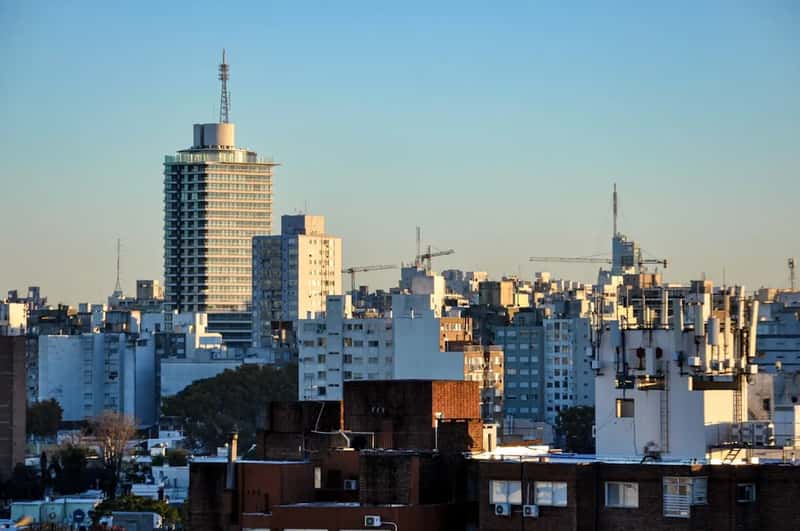
Uruguay’s capital rarely makes anyone’s shortlist when the topic of Latin American relocation comes up, which is part of why it keeps surprising people who actually visit. Montevideo is South America’s most underrated capital, and Uruguay consistently ranks as the most stable, democratic, and progressive country on the continent. That combination of low visibility and high livability has quietly turned it into something of a sleeper hit among Americans looking to relocate.
The country as a whole tends to get overshadowed by louder neighbors. Argentina has the tango and the exchange rate drama, Brazil has the beaches and the size, and Uruguay just sits there being stable, which frankly does not make for great headlines. As of early 2026, Montevideo is experiencing a net inflow of expats, with more foreigners arriving than leaving, driven by Uruguay’s stability, accessible residency programs, and growing reputation as a safe haven in a volatile region.
Why Americans Keep Choosing It
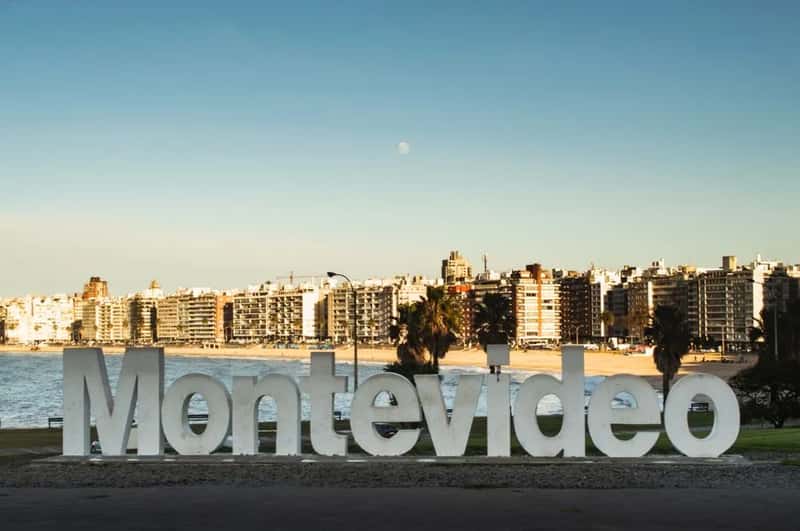
The pull is not one single factor but a stack of smaller ones that add up. The main factor currently driving expats to move to Montevideo is the combination of political and economic stability that Uruguay offers compared to neighboring countries, along with relatively easy residency pathways including the digital nomad permit launched in 2023. That mix of predictability and paperwork that actually moves forward is rare enough in the region that it becomes a selling point on its own.
There is also a cultural comfort many Americans notice almost immediately. Uruguay’s easy residency and friendly tax regime have produced a quiet relocation surge, Americans and Brazilians above all, and the capital absorbs them without losing its mate-sipping character. It is a city that welcomes newcomers without turning into a theme park version of itself in the process.
A Coastline That Sets the Pace
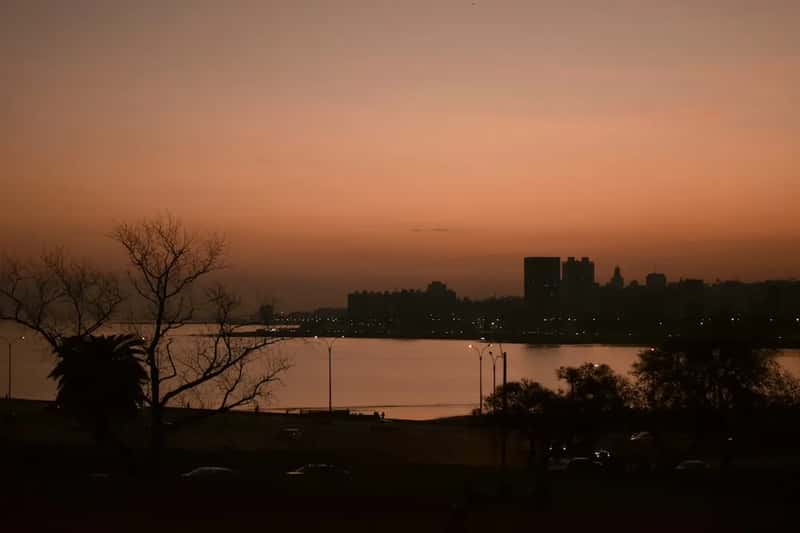
Ask anyone who has spent real time in Montevideo what defines daily life there, and the answer almost always circles back to the same stretch of concrete and sand. Montevideo is the region’s calm capital, a coastal city of beach promenades, stable politics, strong institutions, and a famously relaxed pace. The waterfront is not a tourist attraction so much as a piece of everyday infrastructure that shapes how people move through their week.
Locals and newcomers alike organize their routines around it in ways that feel almost old-fashioned. Montevideo’s Rambla stretches 22 kilometres of coastline that anchors daily life. Morning runs, evening strolls, and impromptu conversations over shared mate all happen along that same stretch of shoreline, which does more to explain the city’s rhythm than any single statistic could.
Safety Numbers That Actually Hold Up
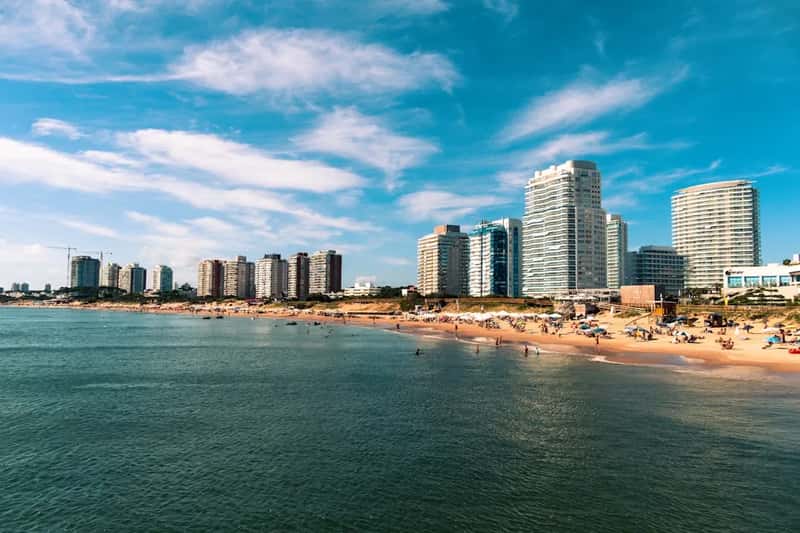
Safety is one of those things people say about a place until you check the data, and Uruguay is one of the few cases where the reputation and the numbers line up. The most notable improvement in Uruguay over the past two to three years has been in public safety, with official preliminary data from the Ministry of Interior showing a 34 percent drop in homicides in 2025 compared to the previous year, a shift that residents and expats alike have noticed in their daily lives. That is not a marginal shift. It is the kind of change that alters how comfortable people feel walking home at night.
Within the city itself, certain neighborhoods have become known as particularly comfortable landing spots for newcomers. Expats in Uruguay generally consider Pocitos, Punta Carretas, Carrasco, Malvín, and Parque Rodó in Montevideo to be the safest and most comfortable neighborhoods for foreign residents, with good walkability and active street life during the day. Even the caveats that come with any city are relatively mild here, more about common sense than genuine risk.
The Tax Break That Sweetens the Deal

Money matters in every relocation story, and Uruguay has structured its incentives in a way that specifically rewards people bringing foreign income. Uruguay offers new residents an 11-year tax holiday on foreign-source income, meaning Social Security, pensions, and investment returns are completely untaxed by Uruguay for over a decade. For American retirees living off Social Security or a pension, that is a meaningful head start compared to countries that tax worldwide income from day one.
That said, the picture is shifting slightly for people arriving without pension income to shelter. Newcomers can still elect a 10-year tax holiday on foreign income or a flat reduced rate, but a new 12 percent levy on certain foreign earnings begins collection in July 2026 for new tax residents who do not make that election. It is not a dealbreaker, but it is exactly the kind of detail worth sorting out with a local accountant before signing a lease.
What It Actually Costs to Live There
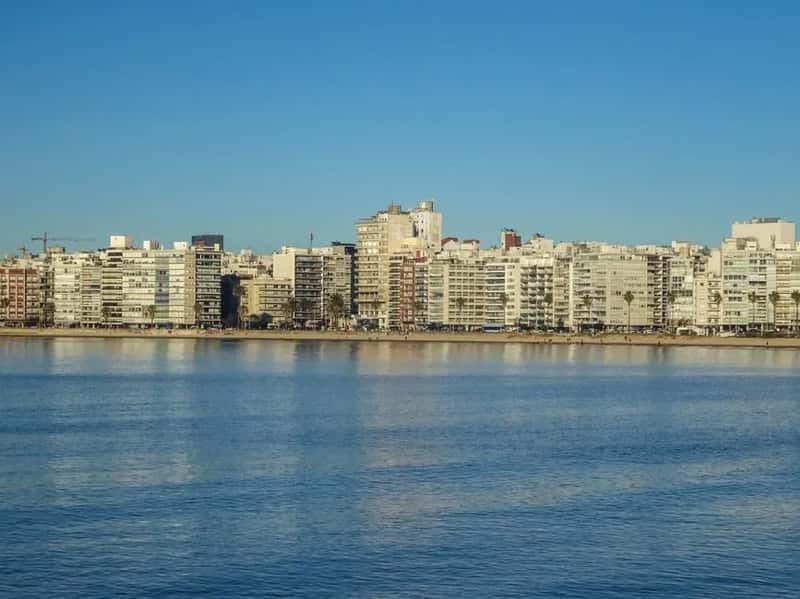
Montevideo is not the cheapest option in South America, and nobody pretends otherwise. The capital city sits on the Rio de la Plata with a 22-kilometer waterfront rambla, a thriving cafe culture, and a quality of life that rivals southern European capitals, at costs 30 to 40 percent below what someone would pay in comparable US cities. That framing matters: the value proposition is not “dirt cheap” but “meaningfully less expensive without sacrificing quality.”
For those budgeting month to month, the numbers give a useful reality check. A single person can expect to spend around $1,600 to $2,400 per month for a comfortable lifestyle outside Montevideo, with higher costs in the capital. That covers the essentials, though anyone accustomed to lower price points in places like Ecuador or Colombia will notice the difference immediately.
Finding a Neighborhood That Fits
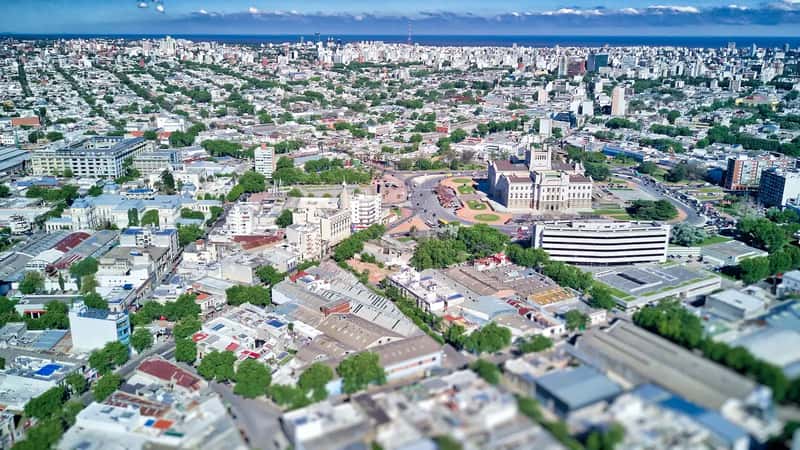
Montevideo is a big city by Uruguayan standards, and where someone chooses to live within it shapes the experience considerably. Montevideo has 62 barrios, and Pocitos stands out as safe-feeling, walkable, with a beach promenade and lots of apartments. It is the default choice for a reason, offering the easiest possible landing for someone unfamiliar with the city.
Other pockets appeal to different priorities. Punta Carretas offers a bit more upscale living with good shopping and calm streets, while Parque Rodó and parts of Cordón carry a younger vibe with universities and cafes. Newer arrivals also point to less obvious spots gaining traction. Emerging neighborhoods that are starting to attract more expats in Uruguay include La Blanqueada and parts of Cordón in Montevideo, which offer lower rents while still being central.
The Trade-offs Worth Knowing Upfront
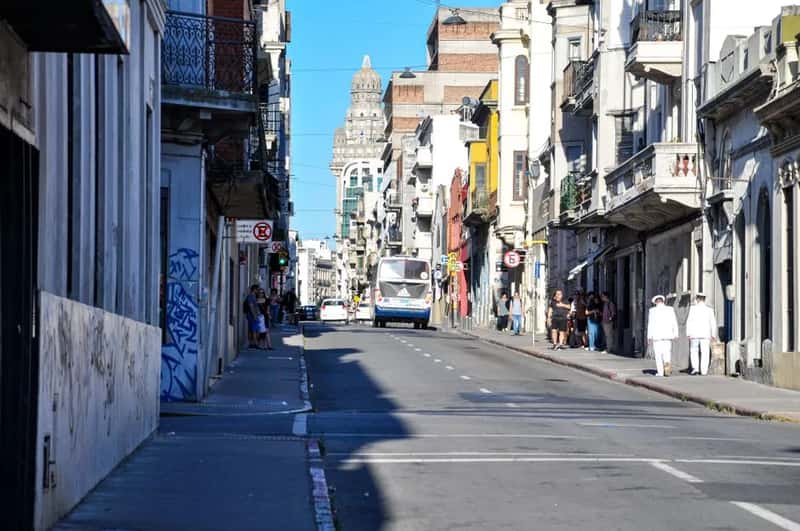
No relocation story is complete without the honest caveats, and Montevideo has a few worth flagging before anyone books a one-way ticket. Spanish is essential for daily life and employment, and most expats rely on remote income because the local job market is relatively small. Anyone expecting to walk into local employment without the language will run into walls quickly.
There is also the matter of pace, which trips up more newcomers than almost anything else. Honestly, the biggest culture shock for many foreigners is the pace. Uruguay is not lazy, it is just not obsessed with speed. Offices close for lunch, paperwork takes time, and anyone arriving with a fast-moving American mindset will need to recalibrate, sometimes uncomfortably at first.
Healthcare and the Everyday Practicalities
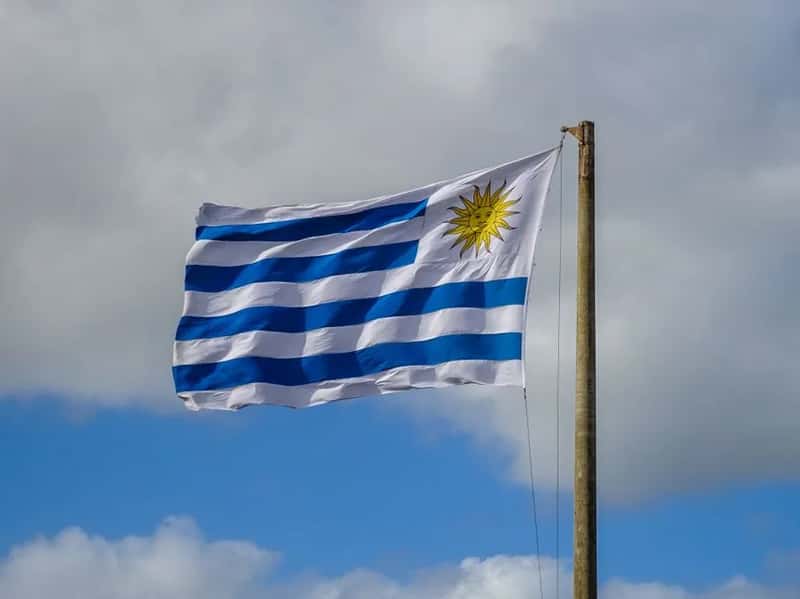
Beyond the beach and the tax breaks, day-to-day livability depends on things like healthcare access and basic infrastructure, and Montevideo scores well on both fronts. Montevideo offers the best healthcare, education, and job opportunities in Uruguay, while smaller cities provide a lower cost of living. For families weighing where to settle, that concentration of services is often the deciding factor even when smaller coastal towns look more charming on paper.
Beyond healthcare, Uruguay’s broader social policies also factor into why some Americans specifically choose it over other Latin American options. Uruguay is regarded as one of the most progressive countries in Latin America and globally, with same-sex marriage legal since 2013, which passed with majority public support. For certain families and couples, that kind of legal and social consistency carries real weight in the decision.
Final Thoughts
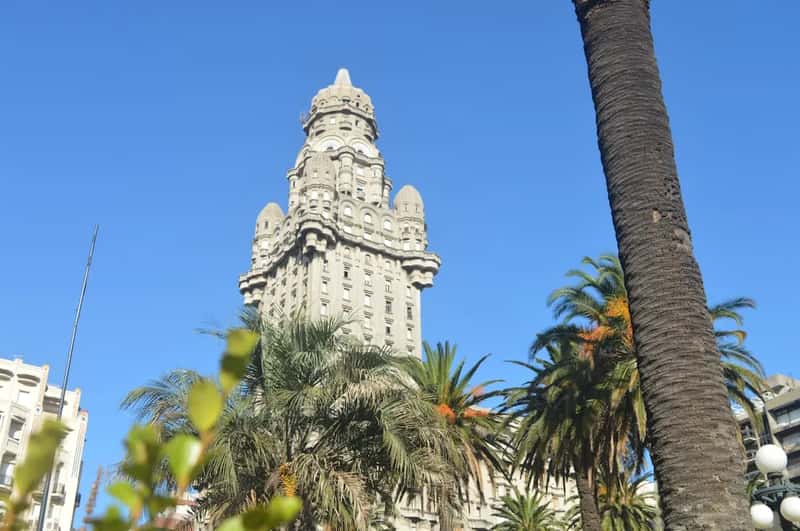
Montevideo is never going to compete with Buenos Aires for glamour or with Medellín for sheer buzz among digital nomads. It was never built for that kind of attention, and most of the people moving there seem perfectly fine with that. What it offers instead is something quieter: a functioning capital with clean institutions, a long stretch of coastline that anchors daily life, and a tax structure that makes settling in financially sensible for people arriving with pensions or remote income.
Whether that trade-off makes sense depends entirely on what someone is looking for. Anyone drawn to nightlife, rock-bottom prices, or an already-massive English-speaking community might find better fits elsewhere in the region. For those who want stability without a language barrier that never closes, and a slower pace without giving up healthcare or safety, Montevideo continues to make its case quietly, one relocation at a time.