Nobody is holding a press conference to announce it, but travel patterns tell the story on their own. Booking data, State Department advisories, and airline schedules all point to the same quiet trend: American travelers are steering clear of a handful of destinations that used to be automatic picks for a beach week or a bucket-list trip. The reasons vary from cartel violence and drugging schemes to sky-high new tourist taxes and outright government warnings, but the pattern is unmistakable.
This isn’t a dramatic boycott with hashtags and viral videos. It’s more subtle than that, a slow drift in where people choose to spend their vacation dollars once they read the fine print on a travel advisory or see what a hotel room now costs after new fees. Here’s a closer look at the places losing their shine with American travelers, and the specific events that changed the calculus.
Trinidad and Tobago: A Caribbean Favorite Under a State of Emergency

For years, Trinidad and Tobago was a reliable pick for travelers chasing Carnival season and laid-back beaches away from the more crowded islands. That changed in 2026 when a nationwide State of Emergency reshuffled the entire equation. This Caribbean nation is currently under a Level 3 advisory following a nationwide State of Emergency declared in March 2026, after a sharp spike in violent crime prompted the government to enact emergency powers, with the U.S. State Department designating specific no-go zones in Port of Spain, including the Laventille and Beetham neighborhoods.[1]
The advisory language isn’t vague either. American visitors are advised to avoid all non-essential travel, particularly to areas outside of secured resort zones, until the State of Emergency is lifted and conditions stabilize.[1] For a destination that once marketed itself on culture and music festivals, that kind of blunt warning is hard for travel agents to spin, and it’s exactly the sort of thing that makes American families quietly rebook elsewhere.
Turks and Caicos: One Forgotten Bullet Can Ruin a Vacation
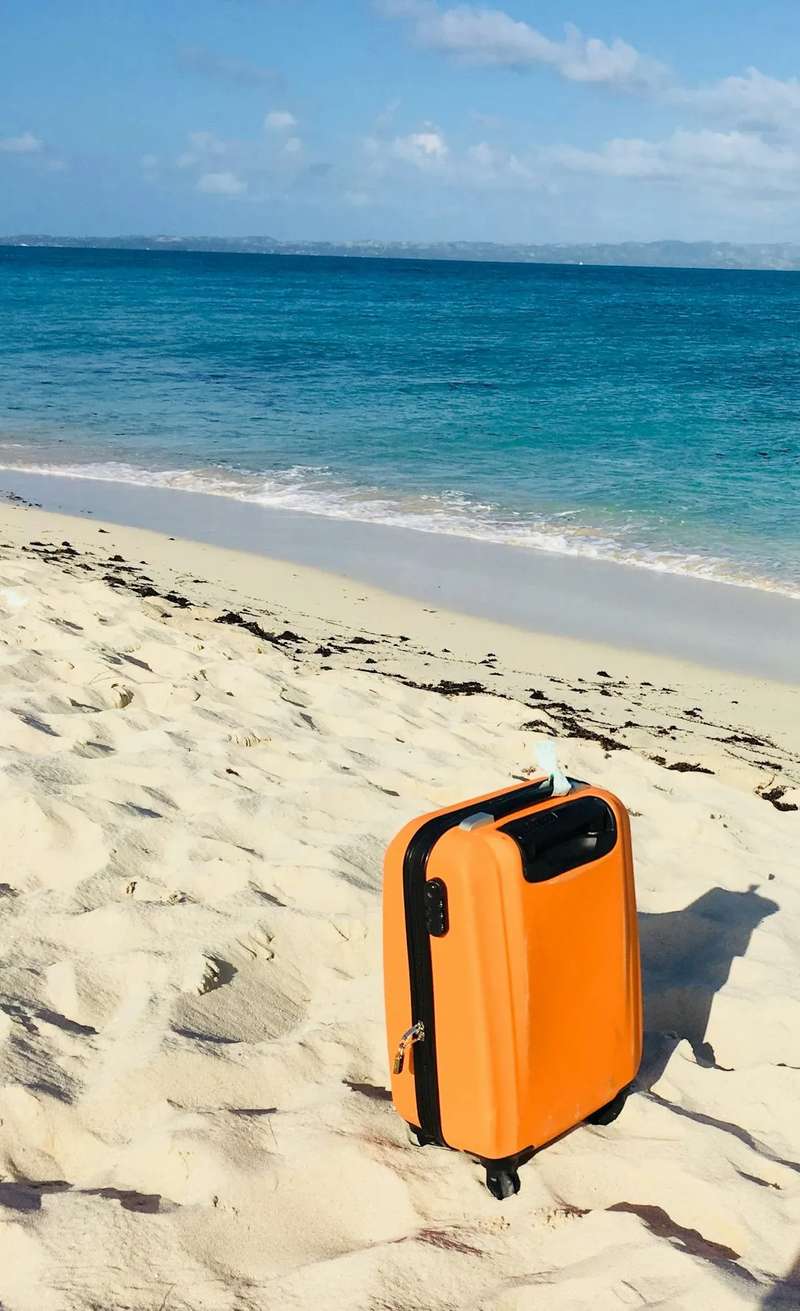
Turks and Caicos still looks like paradise in every photo, but a string of arrests has made it a cautionary tale for anyone who packs in a hurry. In the spring of 2024, five Americans who had been preparing to fly out of Turks and Caicos were arrested after customs officers discovered a small number of bullets in their suitcases.[2] One of the most widely covered cases involved an Oklahoma man who was detained for months. In April 2024, an Oklahoma man vacationing with his wife and some friends was arrested and detained when officials found four rounds of ammunition accidentally left in a duffel bag from a past deer hunting trip, and he was eventually released in June 2024, banned from returning to the country, and fined 2,000 dollars.[3]
The territory’s laws haven’t softened at all. It is illegal to have firearms and ammunition in the Turks and Caicos Islands, including single bullets and cartridges brought by mistake in carry-on bags or luggage, and a firearm license or permit obtained in the United States is not valid there.[4] Offenders can face over a decade behind bars, since offenders may face 12 years or more in prison, and the U.S. government cannot get its citizens out of detention.[4] The State Department reissued its advisory again in the summer of 2026, and reminded travelers to exercise increased caution due to crime, warning about reports of sexual assault and petty crime like pickpocketing, purse snatching and scams.[3] Word has spread among hunters, off-duty law enforcement, and frequent travelers that a single stray round left in a jacket pocket or range bag simply isn’t worth the risk anymore.
Colombia: Drugging Schemes Targeting Tourists on Dating Apps

Colombia has drawn American visitors for years with its coffee farms, colonial cities, and nightlife, but a specific and disturbing crime trend has changed how cautious travelers approach the country in 2026. The State Department has explicitly flagged the use of sedative drugs to incapacitate tourists, known locally as “scopolamine” crimes, particularly in bars, nightlife districts, and through dating apps.[1] That last detail, the dating app angle, is what has really rattled solo travelers and younger visitors who once considered Medellín or Cartagena an easy, affordable getaway.
Colombia isn’t new to travel advisories, but the nature of this warning is more specific than the usual generic crime alert. It targets a particular method used against tourists rather than just describing general street crime, which makes it feel more personal and harder to dismiss. Travelers who might have shrugged off a routine pickpocketing warning are paying closer attention when the risk involves being incapacitated in a bar or through an online match arranged in advance.
Haiti: A Country Many Americans Have Simply Written Off
Haiti’s cultural richness, from its art scene to its history, used to attract a small but dedicated group of adventurous American travelers. That niche market has all but disappeared as conditions on the ground have deteriorated. Haiti’s beaches, art, food, and extraordinary history normally give travelers plenty of reasons to be curious, but the State Department’s July 10 advisory says not to travel because of crime, kidnapping, terrorism, unrest, and limited health care.[5]
This isn’t a case of a single incident spooking travelers temporarily. The Level 4 “Do Not Travel” designation has become the default status for Haiti, and it has stayed there long enough that most American tour operators no longer even list it as an option. For a destination that once had a modest but steady flow of curious visitors, the current situation has essentially removed it from the conversation entirely.
Mexico’s Cartel-Affected States: Beyond the Resort Bubble
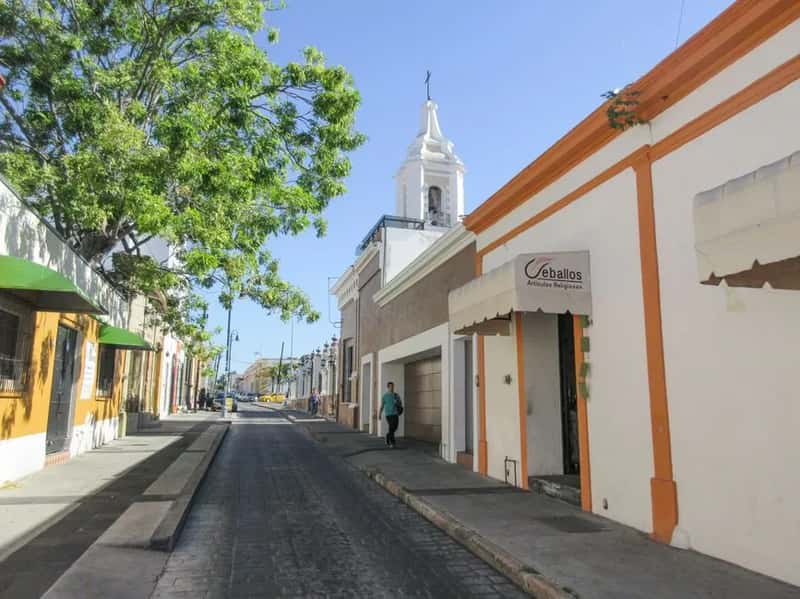
Mexico as a whole remains enormously popular with American travelers, and resort towns like Cancún and Los Cabos still draw huge crowds every year. Still, a quieter shift is happening beneath that headline number. While the country as a whole is not under a Level 4 advisory, several individual states, including Tamaulipas, Colima and Michoacán, have been elevated to “Do Not Travel” status due to cartel activity, roadblocks, highway robberies and frequent shootouts.[6]
The nuance here matters. Analysts stress that popular resort corridors often carry lower advisory levels, but warn that criminal groups have extended their influence and that spillover incidents can and do occur near tourist areas.[6] That means travelers aren’t necessarily avoiding Mexico altogether, they’re avoiding specific states and being far more deliberate about road trips, day excursions, and destinations outside the usual resort perimeter. The blanket confidence that once applied to “Mexico” as a single safe bucket has splintered into a state-by-state calculation.
Venice: The City That Now Charges You Just to Walk Around
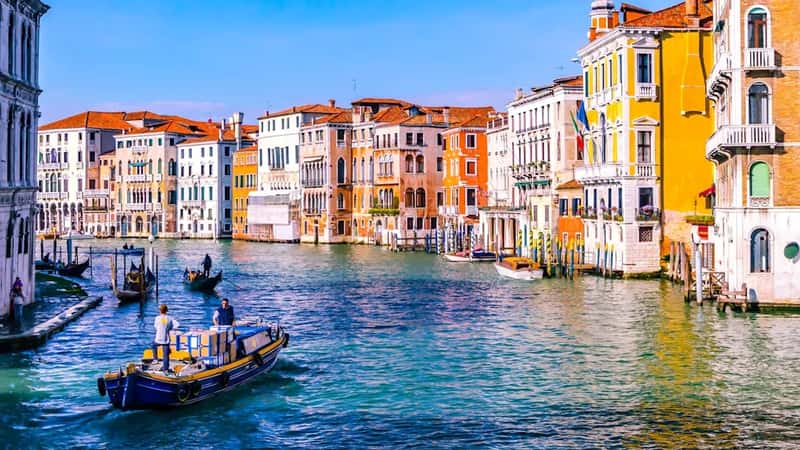
Venice has always been crowded, but in 2026 it became one of the clearest examples of a destination actively trying to shrink its own tourist numbers. Venice will extend its day-tripper levy to 60 selected dates between April and July 2026, requiring visitors who are not staying overnight to pre-book and pay a modest fee.[7] What began in 2024 as a small experiment has expanded into a much broader system. In 2026, daytrippers are required to pay from Friday to Sunday in April, May, June, and July.[8]
For a certain kind of traveler, the appeal of Venice was always spontaneity, hopping off a train or cruise ship for a few hours without planning ahead. That’s exactly the behavior the new system discourages. Combined with rising hotel costs across Italy, some American travelers who used to treat Venice as a quick add-on to a European itinerary are now skipping it in favor of quieter, cheaper Italian towns that don’t require advance registration just to stroll around.
Amsterdam: Higher Taxes and a Lower Tolerance for Tourists
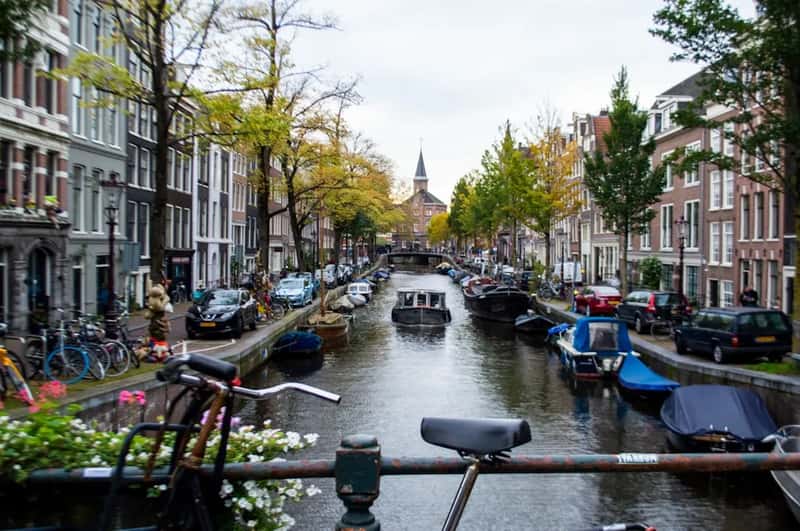
Amsterdam has spent years trying to manage a reputation problem tied to rowdy tourist behavior, and 2026 brought the financial side of that effort into sharper focus. Amsterdam has implemented one of Europe’s highest tourist taxes, charging a 12.5% overnight accommodation levy that, combined with the 21% national hotel VAT introduced in January 2026, brings the total tax rate to 33.5% of a hotel room, with planned increases raising the levy to 16% in 2027 and 20% by 2030.[9] That is a significant added cost on top of already expensive Dutch hotel rates.
The city is also seeing a shift in how people visit rather than just how much they pay. Day-trippers now increasingly visit peripheral cities in what’s being called the “waterbed effect,” and overnight stays declined 8.7% for domestic leisure tourists in the first half of 2025, while the day-tripper share rose to 61%.[9] Interestingly, the crackdown hasn’t fully worked as intended. Amsterdam residents have even filed a lawsuit against the city council over overtourism, noting that overnight stays actually increased by three percent in 2024 despite the new measures.[8] For American travelers weighing a European itinerary, Amsterdam now reads less like an easy add-on city and more like a calculated, and pricier, decision.
Barcelona: Water Pistols, Protests, and a Housing Crisis Tourists Can Feel

Barcelona’s overtourism tensions have been building for years, but 2026 marked a turning point where policy started catching up to the public frustration that had already gone viral in protest videos. Barcelona increased tourist taxes in April 2026 and introduced higher cruise levies targeting stopover passengers staying fewer than 12 hours, while the city is also planning to eliminate thousands of short-term tourist apartment licenses by 2028 to improve housing availability for residents.[10]
The financial effects are already showing up in the numbers, particularly on the business travel side. Corporate overnights fell 14.5% in the third quarter and 9.7% in the fourth quarter of 2025, with many events shifting to cities like Lisbon or Prague, where lower tax rates and travel tax exemption opportunities are available.[9] Leisure travelers are following a similar logic. Faced with higher costs and a city that has been openly hostile toward mass tourism in its messaging, plenty of Americans planning a Spain trip are now routing around Barcelona in favor of Valencia, Seville, or smaller coastal towns that don’t come with the same baggage.
Bali: Paradise With New Rules and Real Enforcement

Bali spent years as the ultimate low-hassle escape for American travelers seeking sun, wellness retreats, and cheap living costs. That reputation is shifting now that Indonesia has moved from casual complaints about visitor behavior to actual enforcement. Foreign tourists must pay a levy of 150,000 rupiah, and Bali’s tourism office said in March 2025 that it had begun destination inspections to verify levy compliance.[11]
The rules have teeth now, not just a suggestion box. An official April 2025 notice said the levy voucher would become a requirement for boarding-pass issuance, which is a neat way to make sure people stop “forgetting.”[11] On top of the fee itself, an official April 2025 notice said tourists must behave respectfully, pay the levy, and follow specific cultural and legal guidelines while visiting the island.[11] For the segment of American travelers who loved Bali specifically because it felt loose and unregulated, that shift toward enforcement and paperwork has taken away some of the appeal, even if the beaches and rice terraces look exactly the same as before.
A Record-Breaking Year for “Do Not Travel” Warnings
Beyond the individual destinations, there’s a broader backdrop shaping American travel decisions in 2026, and it’s a busy one. The State Department issued a worldwide caution on March 22, 2026, warning American citizens to exercise increased vigilance when traveling abroad due to elevated security risks globally, as 22 countries remained on the Level 4 “do not travel” advisory list.[12] Other tallies put the number even higher. Currently, the State Department deems 23 nations unsafe for U.S. citizens to travel to, placing those countries on the Level 4 “Do Not Travel” list.[13]
What’s notable is how the risk map keeps expanding into regions and countries that weren’t historically flagged this way. A notable feature of the 2026 advisory landscape is the consolidation of Level 4 warnings across parts of Africa, with reporting indicating that eight African nations are currently under U.S. “Do Not Travel” advisories, including Burkina Faso, the Central African Republic, Libya, Mali, Niger, Somalia, South Sudan and Sudan.[6] When the baseline level of global caution rises this much, it naturally pushes cautious travelers toward familiar, lower-risk options and away from anything that requires reading fine print before booking.
What It Means for American Travelers Going Forward
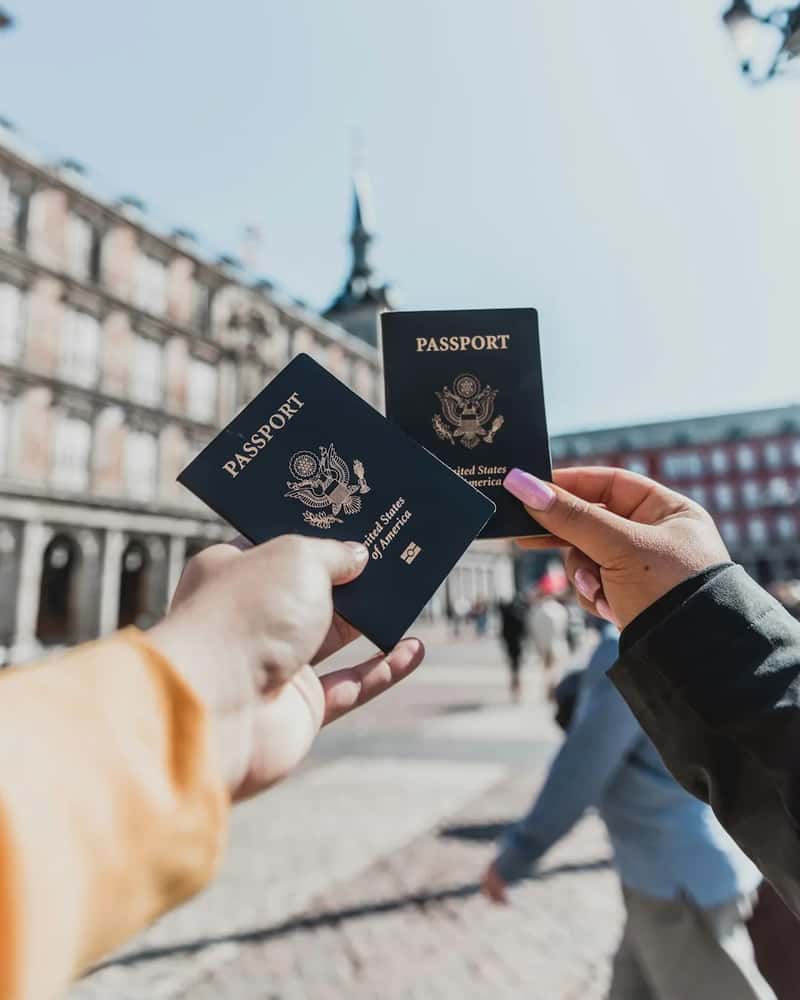
None of this means Americans have stopped traveling abroad. It means the calculus has gotten more complicated, and travelers are responding accordingly by quietly rerouting around specific trouble spots rather than making dramatic public statements about it. Whether it’s a State of Emergency in Trinidad and Tobago, a drugging scheme in Colombia, a firearms law in Turks and Caicos, or a new tax bracket in Amsterdam, each situation has its own trigger, but the collective effect is the same: certain places are losing ground on American itineraries.
The smartest move for anyone planning a trip right now is the least glamorous one, actually reading the current State Department advisory and checking recent local news before locking in flights. Destinations change status quickly, sometimes within a single travel season, and the gap between a place’s reputation and its current reality has rarely been wider. The travelers who pay attention to that gap are the ones quietly rewriting their vacation plans, one advisory update at a time.