International travel bookings out of the US haven’t collapsed this year, but the map many Americans are willing to consider has gotten noticeably smaller. Conversations with travel agents, insurance brokers, and frequent flyers point to a quieter pattern: people aren’t canceling trips loudly, they’re just not booking certain places in the first place.
Part of it comes down to official guidance, part of it comes down to headlines that stick in people’s minds long after the news cycle moves on. Either way, a handful of countries keep coming up as places where interest has cooled, sometimes sharply, over the past year or so.
Iran

Iran sits at the top of almost every current risk list, and for good reason. The country was designated Level 4 due to “terrorism, unrest, kidnapping, and arbitrary arrest,” following coordinated strikes on Iranian strategic sites and subsequent retaliatory actions that have redefined regional safety.[1] There is also no functioning US embassy to fall back on if something goes wrong.
The State Department specifically warns about arbitrary arrest and wrongful detention, along with terrorism, kidnapping, and unrest, and tells U.S. citizens already in Iran to leave, noting there is also no U.S. Embassy in the country.[2] That combination of factors makes Iran fundamentally different from destinations where the biggest concern is petty theft. Even travelers with genuine interest in Persian history and architecture are largely staying away this year.
Russia

Russia used to be a bucket-list stop for anyone drawn to grand museums, long train rides, and imperial-era architecture. That reputation has taken a back seat to a much more practical worry. Russia remains under a Level 4 advisory due to the ongoing war in Ukraine, arbitrary detention of U.S. nationals, harassment by Russian security services, and severely restricted consular access, with commercial flight options in and out of the country extremely limited and the U.S. Embassy in Moscow operating at reduced capacity.[3]
What worries would-be visitors most isn’t crime in the conventional sense. For Americans, the warning in 2026 centers heavily on wrongful detention, and assistance is especially limited outside Moscow, with detained Americans not guaranteed U.S. consular access.[2] That uncertainty around due process, more than anything else, has kept curious travelers from booking flights.
Haiti
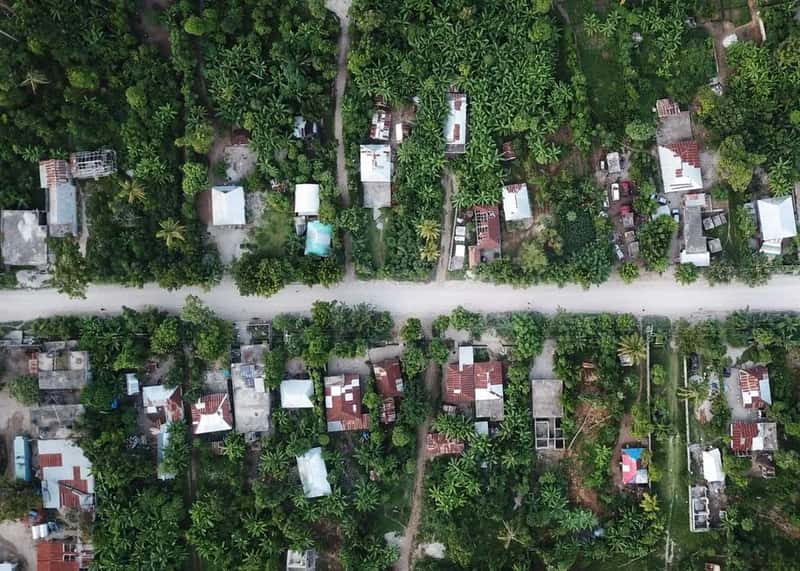
Haiti’s cultural pull, its art scene, its music, its food, hasn’t faded, but the security picture has made it a nonstarter for most American travelers. The State Department’s advisory says not to travel because of crime, kidnapping, terrorism, unrest, and limited health care.[2] Gang control over large parts of the capital has made even routine movement risky for visitors and residents alike.
Unlike some destinations where danger is confined to specific neighborhoods, Haiti’s instability tends to be described in national terms by US officials. Kidnapping for ransom has specifically been cited as an ongoing threat rather than an isolated incident. For a country with genuine historical significance, that’s kept tourism numbers close to negligible.
Afghanistan
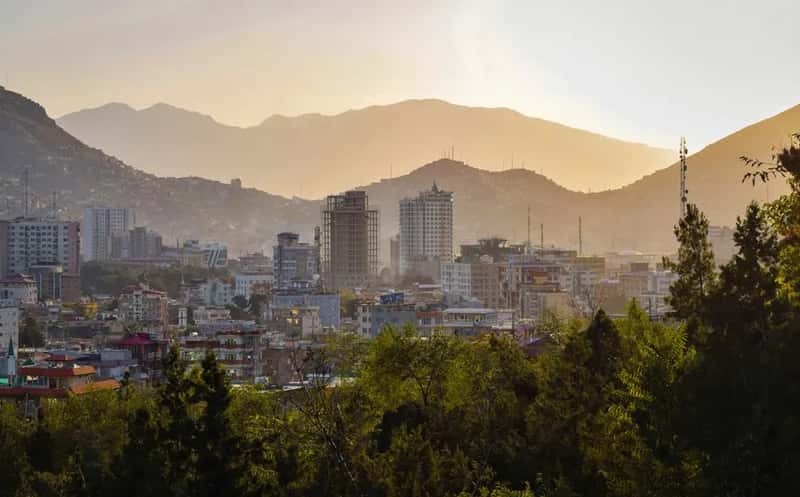
Afghanistan has remained off almost everyone’s travel list since 2021, and nothing in the past year has changed that trajectory. The State Department’s February 2026 advisory keeps Afghanistan at Level 4, Do Not Travel, citing civil unrest, crime, terrorism, wrongful detention, kidnapping, natural disasters, and limited health facilities.[4] The absence of a functioning diplomatic presence only reinforces the point.
The American embassy in Kabul has been suspended since 2021, so travelers cannot count on routine or emergency U.S. consular assistance inside the country.[2] Even the small number of adventure travelers who once ventured into the region for its landscapes and history have largely stopped. There’s simply no safety net if something goes sideways.
Mexico’s cartel-affected states
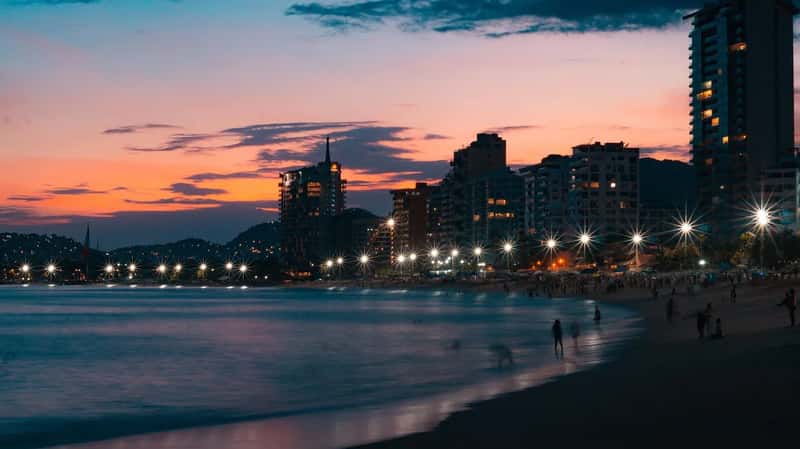
Mexico as a whole hasn’t fallen off the map, Cancun and Los Cabos still draw plenty of American visitors, but a handful of states have quietly become no-go zones. Six states, Sinaloa, Guerrero, Tamaulipas, Michoacan, Zacatecas, and Colima, have active cartel violence and carry US State Department “Do Not Travel” advisories.[5] Guerrero in particular, home to Acapulco, has seen a sharp pullback in visitors.
Coverage from early 2026 noted that February saw ongoing security operations and related road blockages in Guerrero, prompting shelter in place alerts for US citizens in the state, while flight cancellations, cruise disruptions, and continued media coverage of cartel violence further impacted tourism arrivals.[6] A wave of cartel infighting following the killing of a major drug leader earlier this year only intensified that caution, with some travelers pivoting toward Caribbean alternatives instead.
Venezuela

Venezuela’s political and economic troubles have kept most American tourists away for years, and current guidance hasn’t softened that stance. Venezuela allows entry for American citizens, but diplomatic relations remain strained.[7] That strain matters more than it might elsewhere, since it directly affects what kind of help is available if a traveler runs into trouble.
Wrongful detention has been a recurring theme in US guidance on Venezuela, echoing concerns seen with Russia and Iran. With limited consular capacity and a economy still working through years of instability, most American travelers have simply crossed it off their lists rather than risk a complicated situation abroad.
Libya
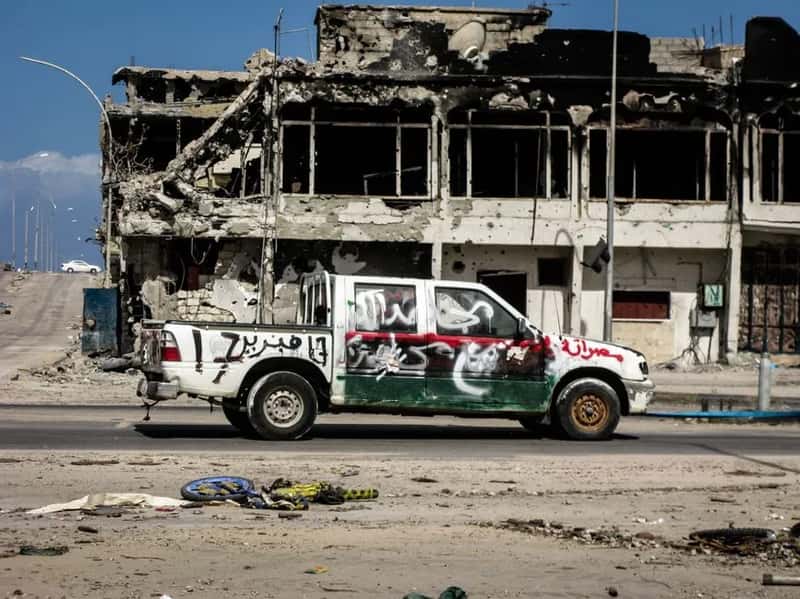
Libya rarely comes up in casual travel conversation anymore, and the reasons are structural rather than incidental. Libya stays on the State Department’s Level 4 list in 2026, with the advisory highlighting unrest, crime, kidnapping, terrorism, and armed conflict.[4] The deeper issue is that there isn’t one single, predictable authority governing the country.
The far bigger question is who controls what, and whether today’s local arrangement will still exist tomorrow, since armed groups, fragmented authority, and weak state institutions create an environment where foreigners can become especially vulnerable.[4] For American travelers weighing options, that kind of unpredictability is a harder sell than almost any single crime statistic.
Myanmar

Myanmar has appeared consistently on Level 4 lists in recent years, a reflection of ongoing internal conflict since the 2021 military takeover. It remains grouped with other Level 4 destinations like Belarus, Burkina Faso, and Central African Republic, among the countries the State Department flags most urgently.[8] Travelers who once passed through on Southeast Asia itineraries have rerouted around it almost entirely.
The concern isn’t limited to any single region within the country. Armed conflict between military forces and resistance groups has spread unevenly but persistently, making it difficult for outsiders to know which areas are genuinely stable at any given moment. That kind of shifting risk profile has made it easy for American travelers to simply choose elsewhere.
Trinidad and Tobago
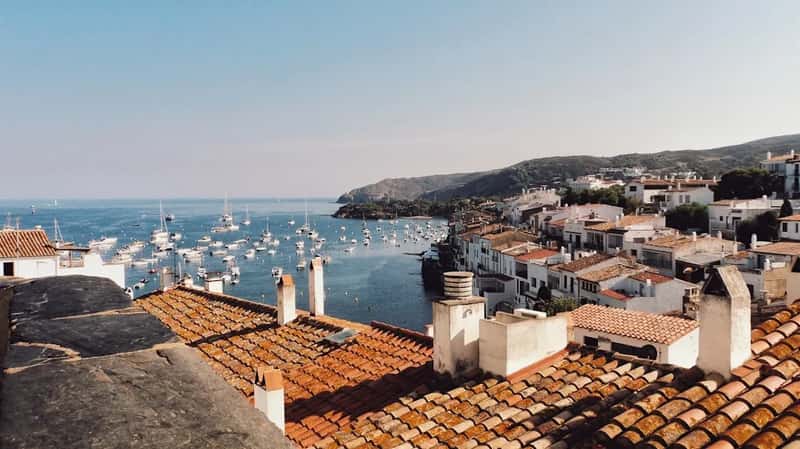
Trinidad and Tobago’s inclusion on this list might surprise some people, since it doesn’t carry the same name recognition as a warzone. Still, the numbers behind it are serious. A sharp spike in violent crime prompted the government to enact emergency powers, and the U.S. State Department has designated specific no-go zones in Port of Spain, including the Laventille and Beetham neighborhoods, with American visitors advised to avoid all non-essential travel outside secured resort zones until the State of Emergency is lifted.[3]
What makes this case distinct is how localized the danger is compared with something like Haiti or Libya. Resort areas remain largely functional and safe, but the surrounding country has become harder to move through freely. Combined with insurance complications, any travel insurance coverage travelers may have purchased is unlikely to extend to incidents directly tied to gang activity or civil unrest,[3] many Americans have decided the risk simply isn’t worth it for a Caribbean trip when other islands offer fewer complications.
Final thoughts
None of these nine countries are being avoided out of overreaction. In each case, there’s a documented advisory, a specific incident, or an ongoing conflict driving the caution, and the pattern holds across very different regions and very different kinds of risk.
What’s changed isn’t necessarily the danger itself, much of it has existed for years, but how quickly Americans now factor it into everyday travel decisions. Checking the State Department’s current advisory level before booking has become less of an afterthought and more of a first step, and that shift alone says something about how travelers are thinking in 2026.