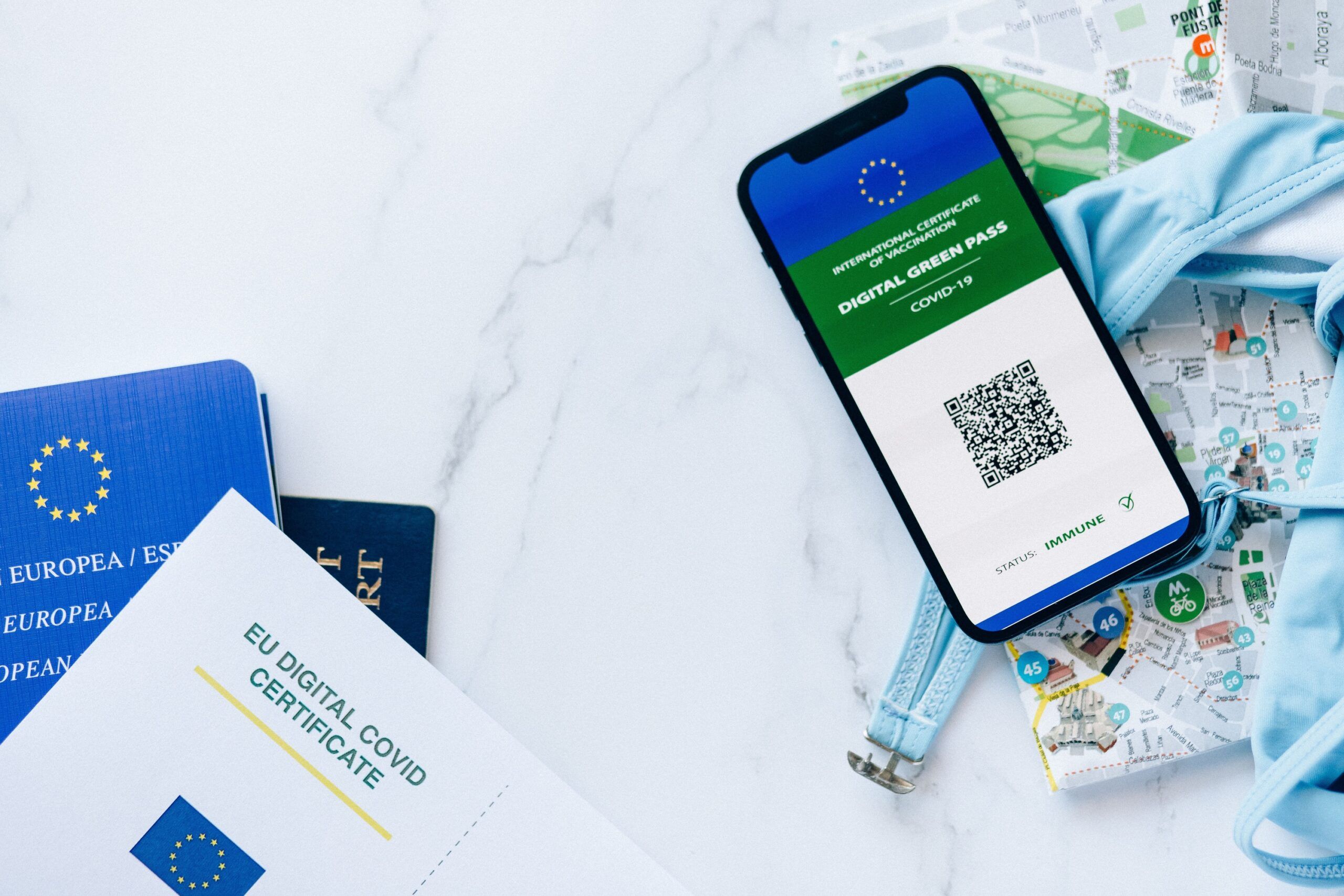
If you’ve been planning a trip to Paris, Rome, or Barcelona anytime soon, there’s a new item to add to your pre-departure checklist. The European Union has spent years building out a digital border system, and the next major piece of it, a mandatory travel authorization for U.S. citizens, is still expected to arrive before the year is out. It won’t be a visa in the traditional sense, but it will be a legal requirement for Americans who currently enjoy visa-free access to the Schengen Area.
The system is called ETIAS, short for the European Travel Information and Authorisation System, and it’s been delayed so many times that even seasoned travel advisors have lost count. Still, the pieces are finally falling into place, and understanding what’s changing, and when, can save travelers from unpleasant surprises at the airport.
What ETIAS Actually Is

ETIAS is an electronic screening system that will require citizens of visa-exempt countries, including the United States, to apply online before entering most of Europe. It is an electronic authorization system for visa-exempt travelers visiting the Schengen Area, and it is not a visa but a digital entry requirement designed to enhance security and border management.[1] Think of it as Europe’s answer to the American ESTA program that many international visitors already use to enter the United States.
Once it’s active, the authorization will apply broadly. The authorization will be required for entry to 30 European countries for trips of up to 90 days in any 180-day period, including all 27 Schengen states plus Bulgaria, Romania and Cyprus, which are joining the common travel framework for short-stay purposes.[2] That means a single online application could theoretically cover a multi-country itinerary spanning most of the continent.
Why This Matters Specifically for Americans
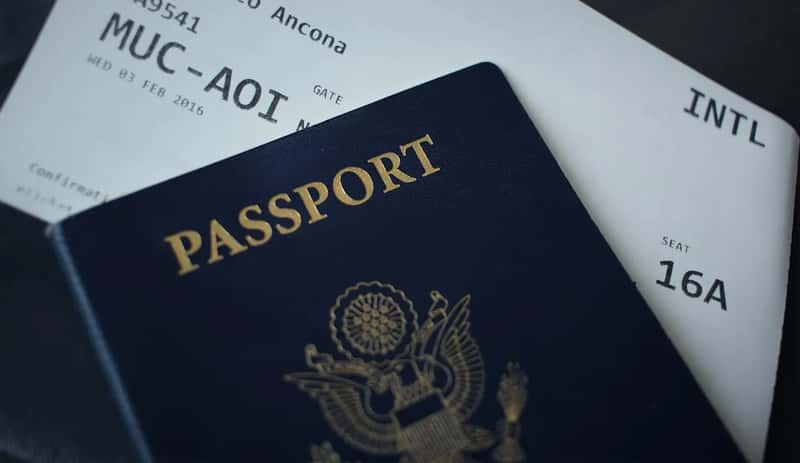
The United States is explicitly named among the nationalities that will be affected. Once ETIAS is in force, it will apply to nationals of dozens of non-EU countries and territories that currently enjoy visa-free access for short stays, including passport holders from the United Kingdom, the United States, Canada, Australia and many other partners.[2] For decades, Americans have been able to show up at a European border with just a passport. That era is coming to a close.
This isn’t an isolated European quirk, either. It fits a broader global pattern where countries are digitizing border control and requiring pre-travel screening even from close allies and frequent visitors. American travelers who’ve grown used to breezing through European airports will need to build in extra planning time, even if the process itself turns out to be quick.
The EES Foundation Already in Place
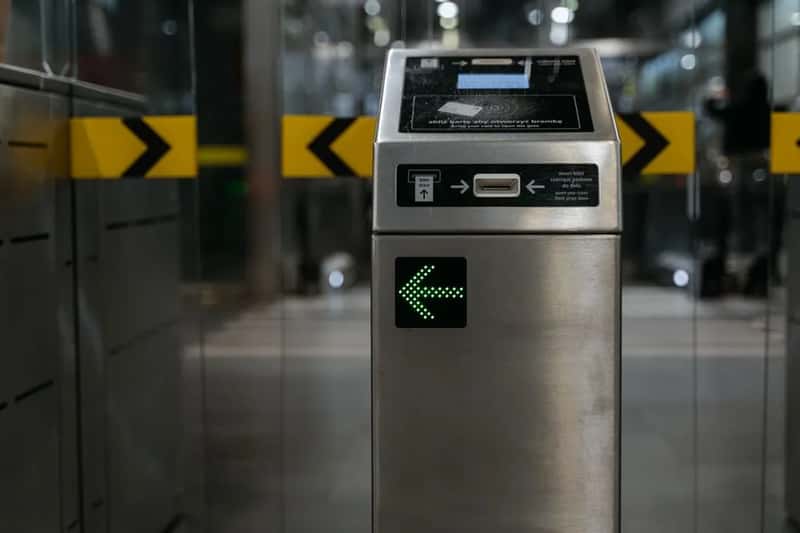
ETIAS doesn’t exist in isolation. It’s built on top of another system, the Entry/Exit System, or EES, which has already rolled out across the Schengen Area. On 30 July 2025, the Commission set 12 October 2025 as the launch date for the progressive start of operations of the Entry/Exit System, and the system became fully operational on 10 April 2026.[3] This replaced the old-fashioned passport stamp with a digital record.
The scale of this rollout has been significant. The EU’s new Entry/Exit System started operations on 12 October 2025 with a progressive roll-out in 29 European countries, recording travellers’ facial images, fingerprints and personal data, and since it started, over 45 million border crossings were registered, with over 24,000 people refused entry for reasons such as inadequate justification of their visit or expired or fraudulent documents.[4] ETIAS was legally designed to depend on this biometric backbone existing first, which is a big part of why it kept getting pushed back.
How the Application Process Is Supposed to Work

Once ETIAS opens, applying is meant to be simple and mostly online. EU-LISA manages the technical backbone, while the European Border and Coast Guard Agency, Frontex, runs the ETIAS Central Unit, so travelers will see a single portal for applications, and carriers will query ETIAS status before boarding.[5] In theory, most approvals should come back within minutes, though some applications may require manual review.
Travelers won’t need to reapply for every trip either. The authorization’s validity runs for 3 years or until the passport expires, whichever comes first.[6] That’s a meaningful convenience for frequent flyers to Europe, business travelers, or anyone with family ties across the Atlantic who crosses the border multiple times a year.
What It Will Cost and Who’s Exempt

The price tag has shifted during the drafting process, and travelers should know the correct figure. The fee has been officially revised: ETIAS will cost €20, not the widely-circulated €7 figure, as confirmed by the European Commission’s Directorate-General for Migration and Home Affairs.[6] Twenty euros is a modest sum compared to many visa application fees charged elsewhere in the world, but it’s still a new line item for travelers who never had to pay anything to enter Europe before.
Not everyone will have to pay, though. Fee exemptions apply to applicants under 18, over 70, and certain EU citizen family members.[6] Families traveling with young children or older relatives may find the actual out-of-pocket cost lower than expected once exemptions are factored in.