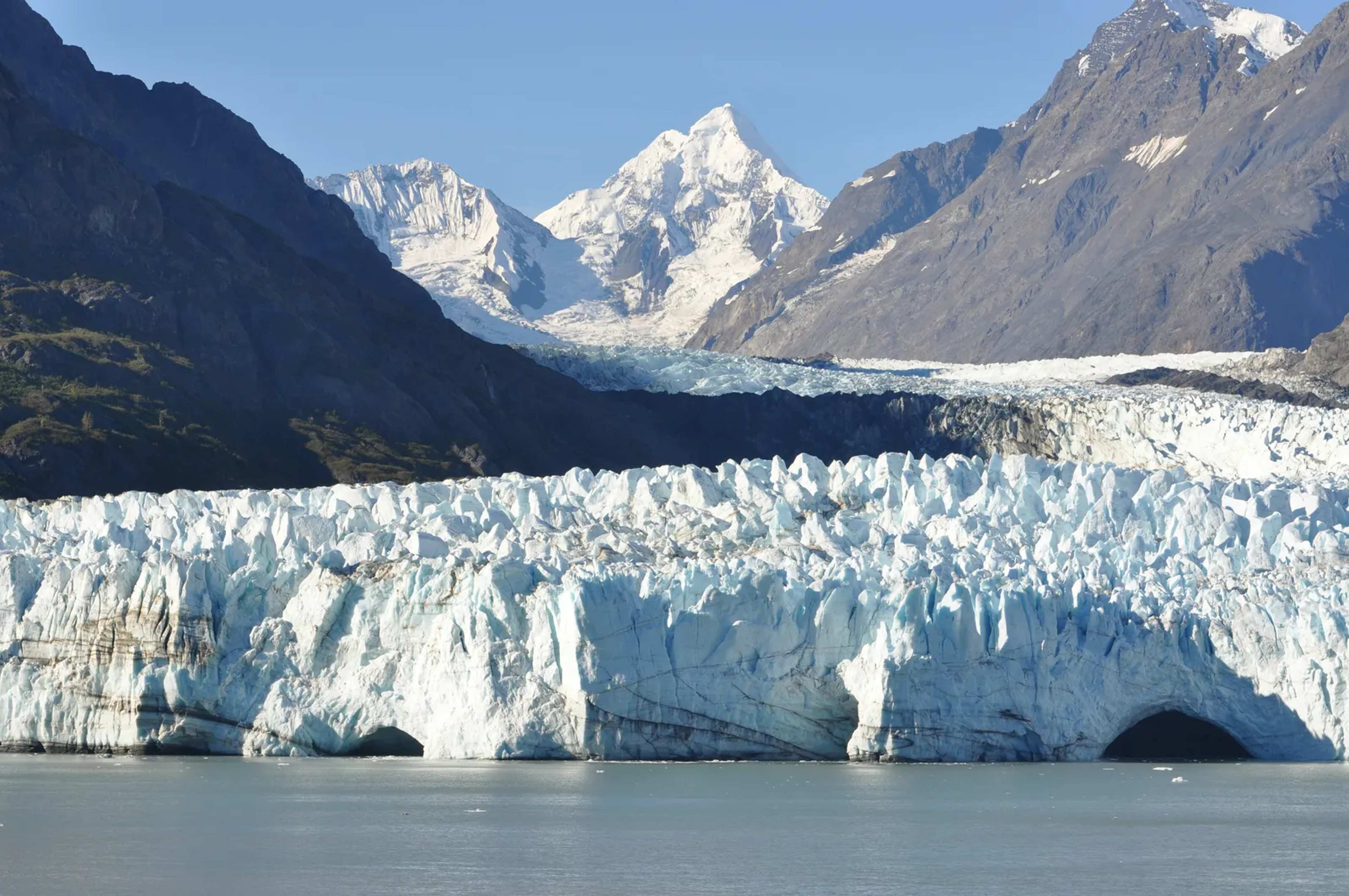
The United States is a country built on scale. From canyons that swallow entire mountain ranges to bridges that vanish into fog, the landscape and the engineering here tend toward the dramatic. Some of these were carved over millions of years by wind, water, and volcanic fire, while others were raised by human hands in a matter of years, yet all of them share a talent for making visitors feel wonderfully small.
This list moves between natural marvels and man-made achievements, mixing ancient geology with modern ambition. Each entry earns its place through sheer scale, historical weight, or the kind of beauty that photographs never quite capture. Consider this a starting point for anyone planning a cross-country trip built around genuine awe.
1. Grand Canyon
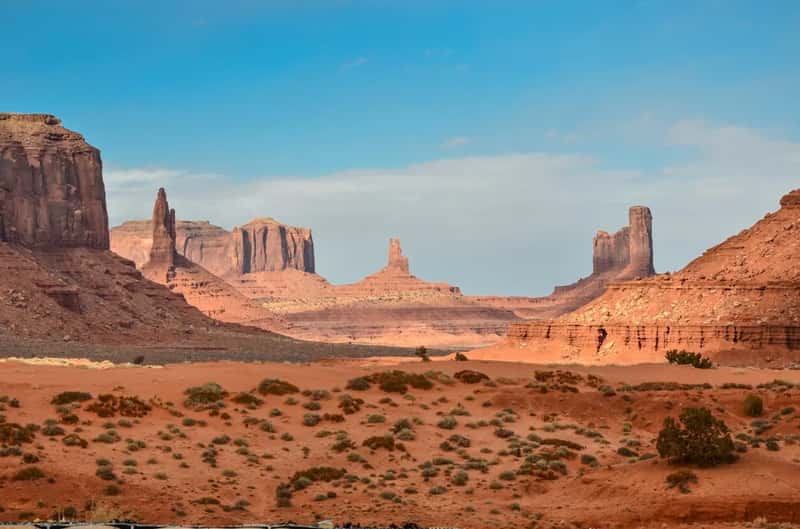
Few landscapes on Earth communicate deep time quite like the Grand Canyon. The Grand Canyon is 277 miles (446 km) long, up to 18 miles (29 km) wide and attains a depth of over a mile (6,093 feet or 1,857 meters). The Grand Canyon was carved over some 6 million years by a combination of geological activity and erosion by the Colorado River. Standing at the rim, it’s genuinely hard to process that the thin ribbon of water below did all that work.
The park surrounding the canyon is enormous in its own right. The Grand Canyon National Park covers 1,904 square miles (or 1,217,403 acres) and includes an extensive system of tributary canyons. The Grand Canyon was designated a National Park by an act of Congress on February 26, 1919, and it is one of the most famous natural wonders in the United States and a UNESCO World Heritage Site. Roughly five million people visit every year, and most still leave saying photographs didn’t do it justice.
2. Yellowstone National Park
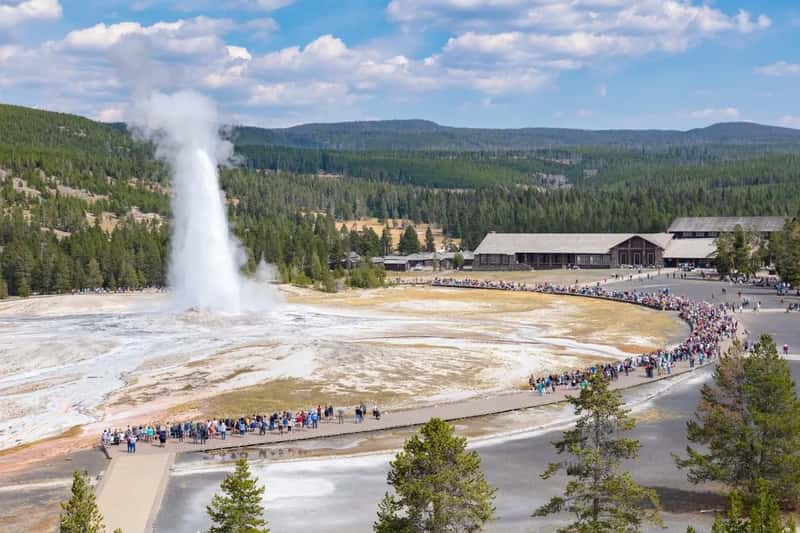
Yellowstone holds the distinction of being the very first national park not just in America but anywhere in the world. The 1st United States National Park and also considered to be the 1st National Park in the world, Yellowstone National Park is located in Wyoming, Montana and Idaho, and Ulysses S Grant signed the park into being on March 1, 1872. Sitting atop an active supervolcano, the park’s geothermal activity is unlike anywhere else on the continent.
In Yellowstone, it is often stated that there are more than 10,000 thermal features, including hot springs, geysers, mud pots, and fumaroles. With half of the earth’s geothermal features, Yellowstone holds the planet’s most diverse and intact collection of geysers, hot springs, mudpots, and fumaroles. Old Faithful remains the star attraction, but the park’s canyons, wildlife, and colorful hot springs make it a wonder that rewards slow exploration rather than a quick drive-through.
3. Niagara Falls
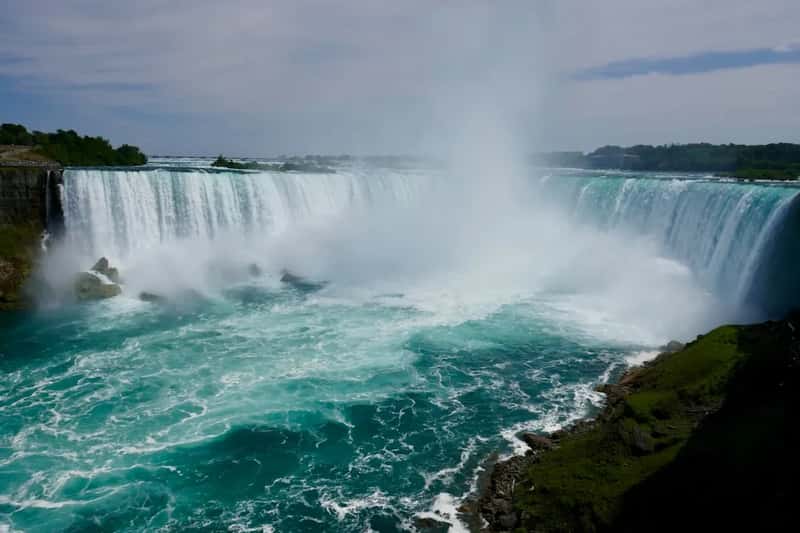
Niagara isn’t the tallest waterfall in the world, but its power is unmatched on the continent. Straddling the US-Canada border, Niagara Falls is a group of three waterfalls dropping about 51 meters with the highest flow rate in North America, and Horseshoe Falls alone can send more than 2,800 cubic meters of water over its crest every second. That volume is what gives the falls their thunderous, ground-shaking presence.
The three sections that make up the falls each have their own character. The larger division, adjoining the left, or Canadian, bank, is Horseshoe Falls; its height is 188 feet (57 metres), and the length of its curving crest line is about 2,200 feet (670 metres), while the American Falls are 190 feet (58 metres) high and 1,060 feet (320 metres) across. Boat tours, illuminated night views, and walkways behind the curtain of water have kept this spot a favorite for well over a century.
4. Yosemite Valley
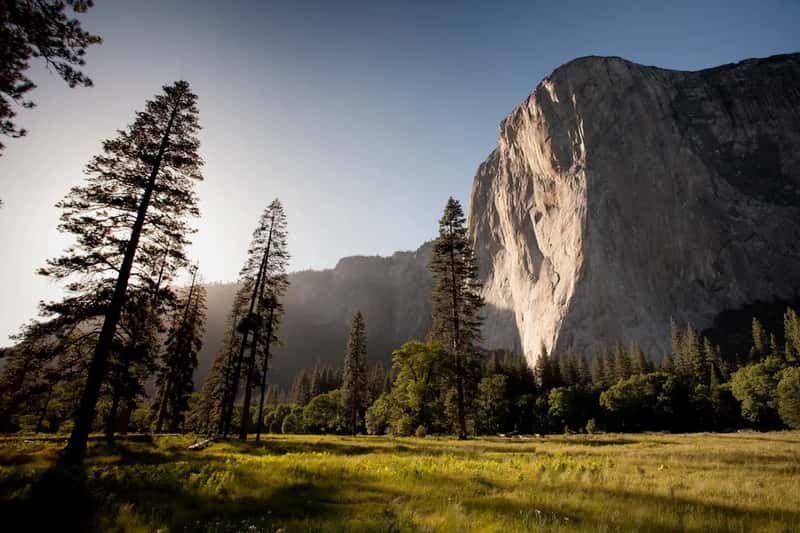
Yosemite’s granite giants have become symbols of American wilderness. The granite monolith is about 3,000 feet (914 m) from base to summit along its tallest face and is a world-famous location for big wall climbing, including the disciplines of aid climbing, free climbing, and more recently for free solo climbing. That’s El Capitan, a wall so sheer it draws elite climbers from every corner of the globe.
Half Dome, its neighbor across the valley, is just as iconic. Half Dome is a granite dome, rising about 4,737 ft (1,444 m) above the surrounding valley. Hikers willing to tackle the cable route near the summit are rewarded with sweeping views of the entire valley floor, though the climb is demanding enough that park rangers rate it as extremely strenuous.
5. Golden Gate Bridge
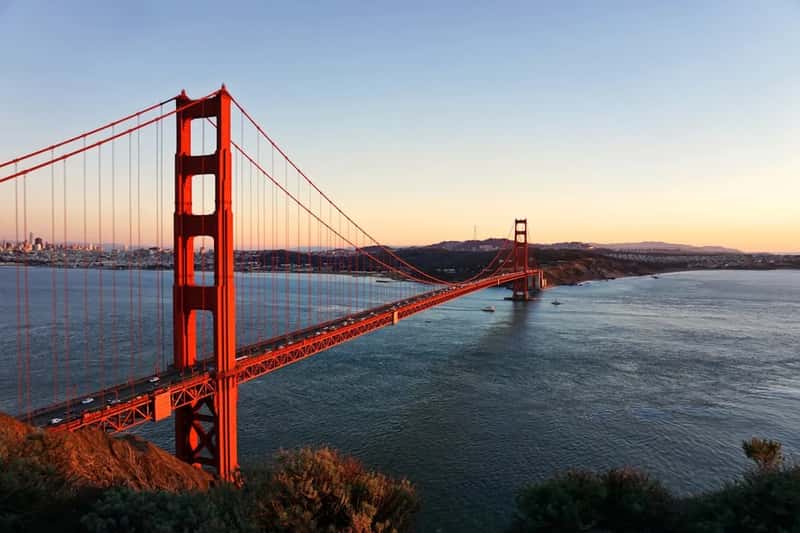
San Francisco’s signature landmark remains one of the most photographed structures in the country. The total length of the Bridge including approaches from abutment to abutment is 1.7 miles (8,981 ft or 2,737 m). Its burnt orange color, officially called International Orange, was chosen partly because it stands out beautifully against the fog that regularly rolls through the bay.
Completed in 1937, the bridge connected San Francisco to Marin County and instantly became a feat of engineering that many at the time thought impossible given the strong currents and frequent fog in the strait. It has since become shorthand for California itself, appearing in countless films and postcards. Even locals who cross it daily rarely tire of the view.
6. Mount Rushmore
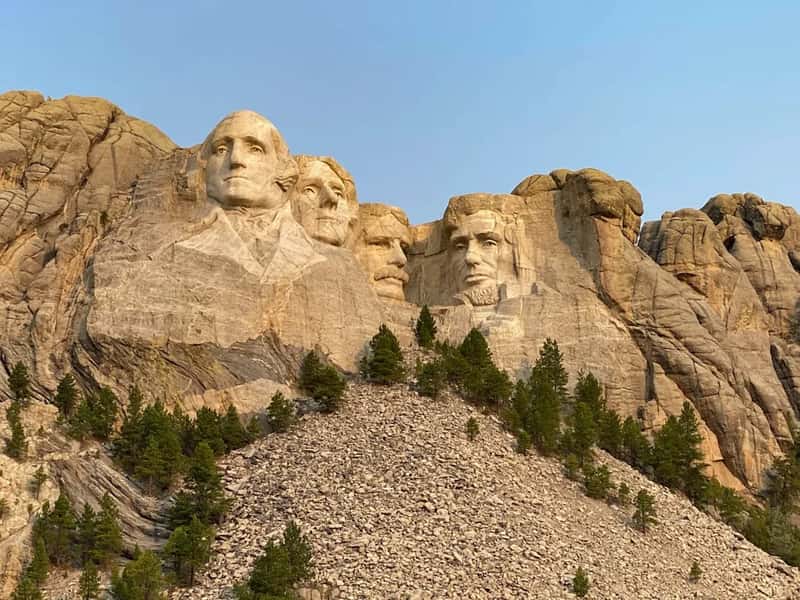
Carved into the granite of South Dakota’s Black Hills, Mount Rushmore turns sculpture into landscape. The monument features the sixty foot faces of Presidents Washington, Jefferson, Roosevelt, and Lincoln, chosen to represent the birth, growth, development, and preservation of the nation. Sculptor Gutzon Borglum began work in 1927, and the project took 14 years to complete, largely using dynamite for the rough shaping before finer detail work began.
The site sits within the Black Hills National Forest and draws visitors who come as much for the surrounding pine covered mountains as for the carving itself. It remains one of the most recognizable pieces of public art in the world, precisely because it was never meant to fit inside a museum. Standing at the base looking up at those faces, the scale of the ambition behind the project becomes obvious fast.
7. Denali
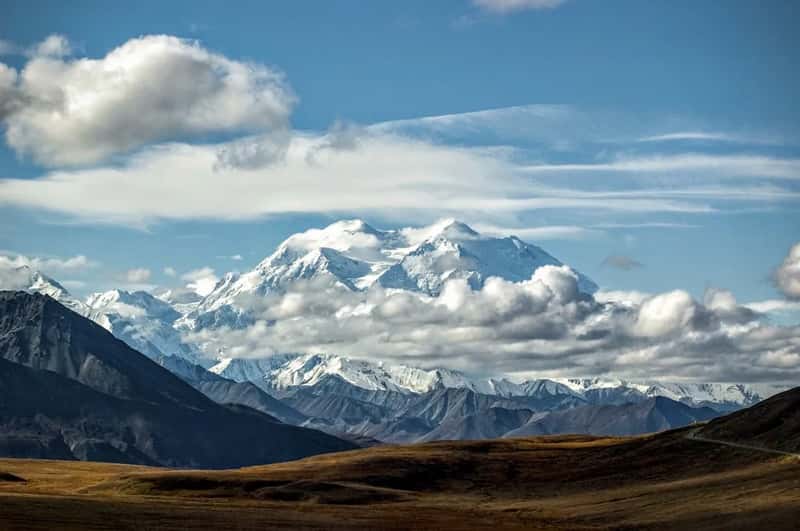
Alaska’s Denali is the tallest mountain on the entire North American continent, rising 20,310 feet above sea level. Formerly known as Mount McKinley, the peak officially reverted to its traditional Koyukon Athabascan name in 2015, a name meaning “the tall one” or “the great one.” The mountain anchors Denali National Park and Preserve, a wilderness so vast that much of it remains roadless and accessible only by foot or small aircraft.
Climbing Denali is considered one of the toughest mountaineering challenges in the world, thanks to extreme cold, high winds, and a base to summit vertical relief that exceeds even Everest’s from its own base camp. Most visitors, however, come simply to view the mountain from a distance, since it’s famously shy and often hidden behind clouds. Wildlife including grizzly bears, caribou, and wolves roam the surrounding tundra, adding to the sense of true wilderness.
8. Great Smoky Mountains
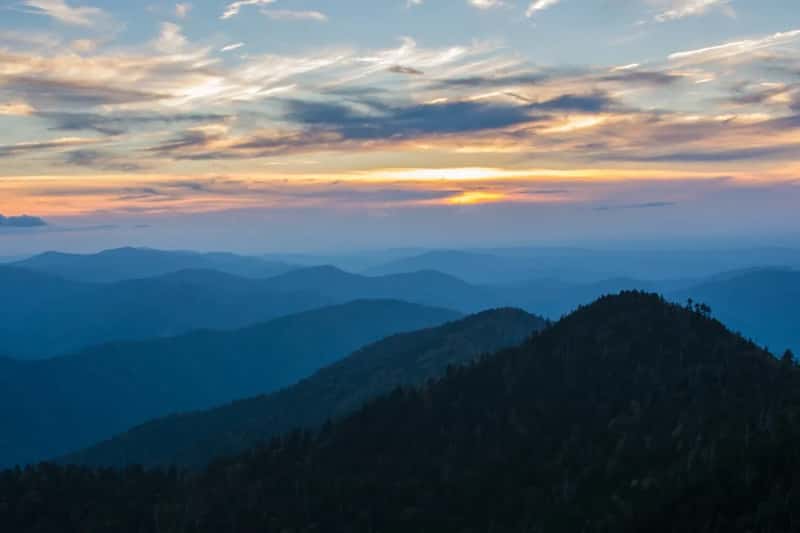
Straddling the border of North Carolina and Tennessee, the Great Smoky Mountains consistently rank as the most visited national park in the entire United States. The range is part of the ancient Appalachian chain, among the oldest mountains on Earth, worn down over hundreds of millions of years into the rolling, forested ridges seen today. The park’s name comes from the natural fog that often blankets the peaks, giving them a smoky, bluish haze.
The Smokies are also remarkable for their biodiversity, hosting thousands of plant and animal species across a range of elevations and climates packed into a relatively compact area. Historic structures, old growth forests, and hiking trails ranging from easy strolls to the demanding Appalachian Trail itself all coexist within the park’s boundaries. Unlike many western parks, entry here remains free, a policy tied to historical land agreements when the park was established.
9. Hoover Dam
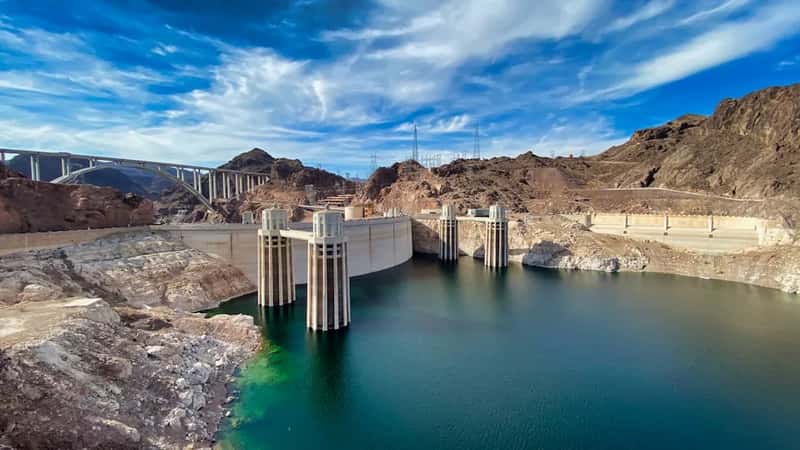
Straddling the Colorado River on the border of Nevada and Arizona, Hoover Dam stands as one of the great engineering achievements of the twentieth century. Built during the Great Depression and completed in 1936, the dam rises 726 feet, roughly the height of a sixty story building, and was, for a time, the tallest dam on the planet. It created Lake Mead, which remains the largest reservoir by volume in the United States when full.
Thousands of workers labored under brutal desert conditions to complete the project years ahead of schedule, and the dam still generates hydroelectric power for millions of people across Nevada, Arizona, and California. Visitors today can tour the dam’s interior, walk across the adjacent bypass bridge, and take in views of both the structure and the striking desert canyon that surrounds it. It’s a rare case where the man-made wonder feels every bit as monumental as the natural terrain around it.
10. Statue of Liberty
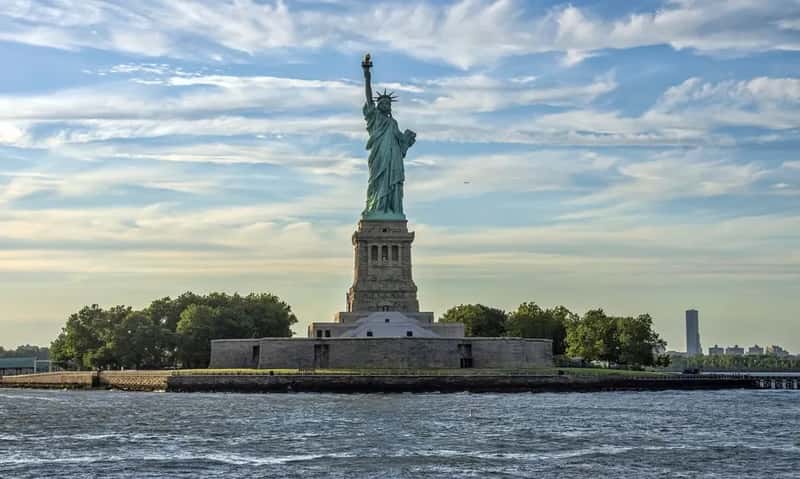
Rising above New York Harbor, the Statue of Liberty has welcomed generations of immigrants and visitors as a symbol of freedom. The statue was a gift from France, dedicated in 1886, designed by sculptor Frédéric Auguste Bartholdi with structural engineering contributed by Gustave Eiffel, the same engineer behind the Eiffel Tower. From the ground to the tip of the torch, the statue stands roughly 305 feet tall, an impressive height for a copper sculpture built well over a century ago.
Visitors can take a ferry to Liberty Island, climb into the crown for sweeping harbor views, or simply admire the statue from the Manhattan or New Jersey shoreline. Its neighboring Ellis Island, once the processing point for millions of immigrants, adds historical depth to any visit. Together, the two sites form one of the most emotionally resonant landmarks in the entire country.
These ten wonders barely scratch the surface of what America has to offer, yet together they capture something essential about the country itself: a restless mix of raw natural power and equally restless human ambition. Some formed over millions of years without a single human hand involved, while others rose in a matter of years thanks to sheer determination and engineering nerve. Visiting even a few of them in person tends to leave a lasting impression, the kind that no photograph, however good, can fully replace.