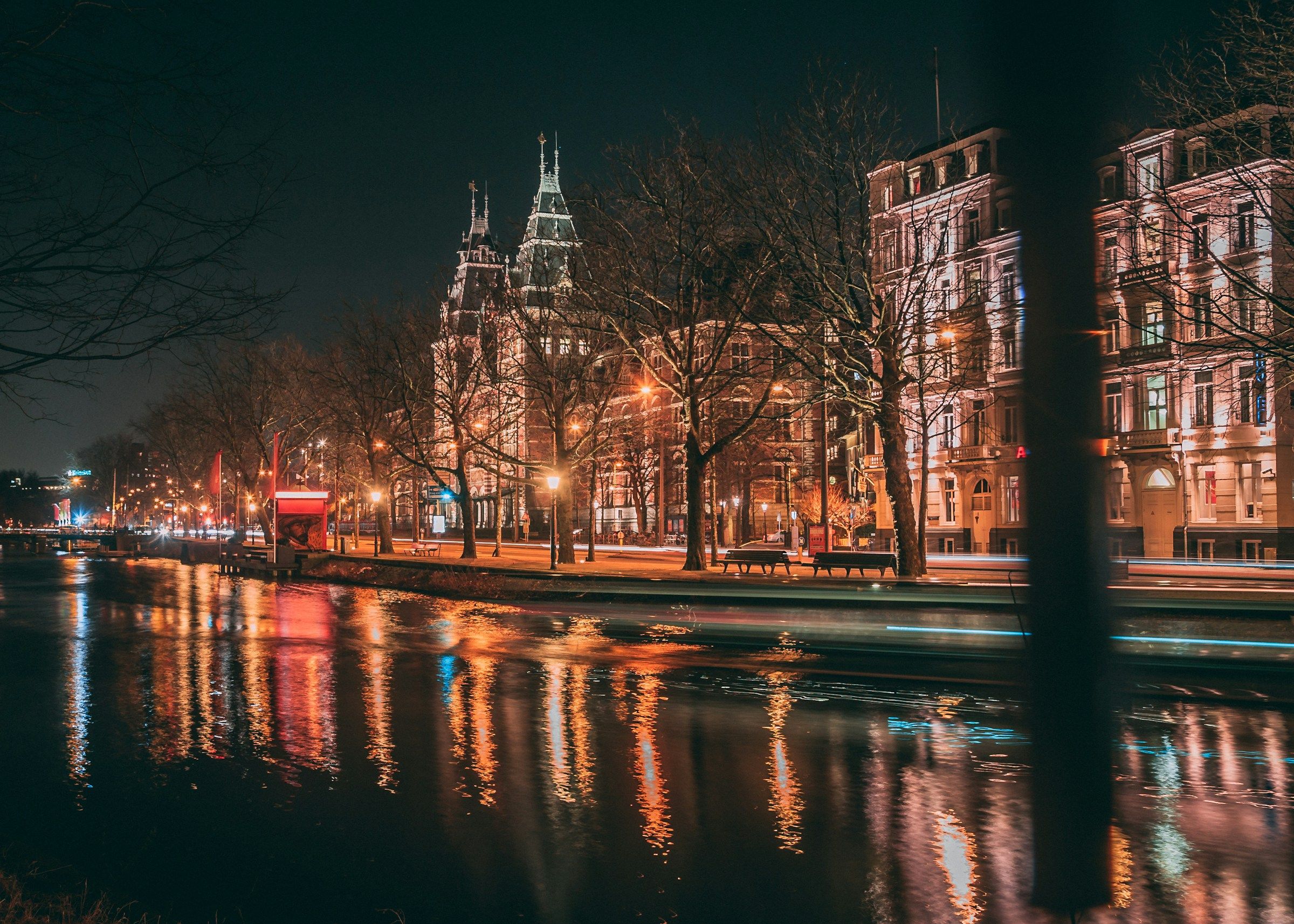
The postcard version of Amsterdam hasn’t changed much: canals, narrow brick houses, bikes leaning on every bridge. What’s changed is the paperwork behind it. The city’s “Tourism in balance” policy dates to 2021, after a public initiative in which 30,000 residents called for more control of the tourism industry.[1]
By 2026 that policy has turned into a set of rules that reach a traveler’s wallet, hotel choice, evening plans and even the way they arrive. Some of these measures are already in force. Others are still proposals, and the difference matters when you’re planning a trip.
The Numbers Behind the Crackdown
The city’s stated aim is to limit hotel overnight stays by tourists to 20 million a year.[1] In 2023, tourists spent about 20.7 million nights in Amsterdam, a figure that leaves out vacation rentals, bed and breakfast stays and cruise trips.[1] That overshoot is what the city says obliged it to act.
The picture has kept growing since. The municipality’s research office reported in May that Amsterdam recorded 23.7 million tourist overnight stays in 2025, and it forecasts continued growth through 2028, with estimates between 25 million and 29.4 million.[2] A June 2026 study also found that overnight tourism was rising while day visits were declining.[2]
Your Hotel Bill Now Carries a Heavier Tax Load
Amsterdam’s tourist tax is 12.5 percent of the overnight price, excluding VAT.[3] It’s already the highest tourism tax in Europe, according to a legal update from the firm CMS.[4] The rate stays the same throughout 2026.
What changed this year is the national layer on top. From 1 January 2026, the Dutch VAT rate on hotel accommodation rose from 9 percent to 21 percent.[4] Combined with the tourism tax, the total rate lands around 33.5 percent.[4]
Watch Out for Bookings Made Before the VAT Change
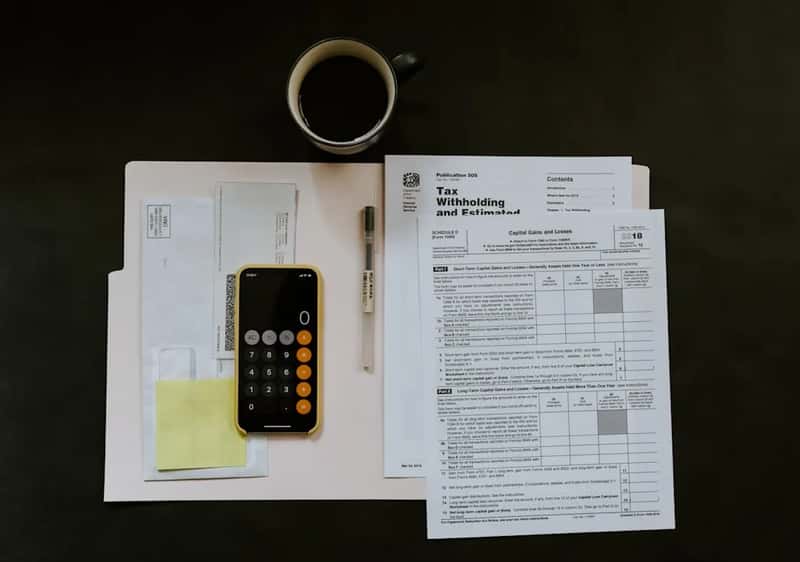
If you reserved a 2026 stay early, the final price may not match your confirmation. One hotel operator, for example, said guests who booked before November 2025 would have part of the VAT increase passed on to them.[5] Another report warned that some travelers who booked before November 2025 could face surprise charges at check in.[6]
The fix is boring but effective. Ask whether a quoted price includes the 21 percent VAT, and request an itemized breakdown showing the base rate, tourist tax and VAT separately.[6] Keep your booking confirmation handy as well.
More Increases Are on the Table, Though Not Yet Law
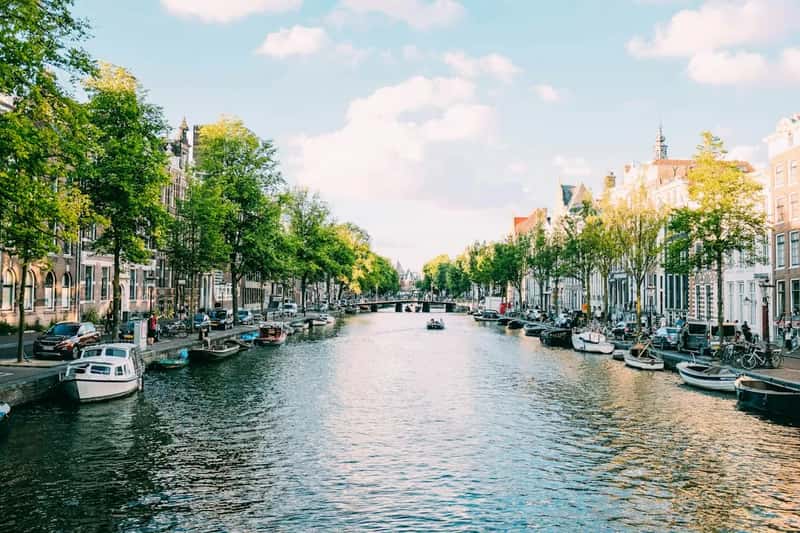
Amsterdam’s new council administration plans to raise the tourist tax from 12.5 percent to 16 percent next year, then by one percentage point at a time until it reaches 20 percent.[7] The council expects to raise €60 million a year from the tax next year, rising to €75 million in 2030.[7]
These are coalition plans, not settled rates for this year. The city’s executive is also looking at ways to tax day trippers.[7] Anyone planning a 2027 trip should check the rate before booking.
Fewer New Hotels, Tighter Supply
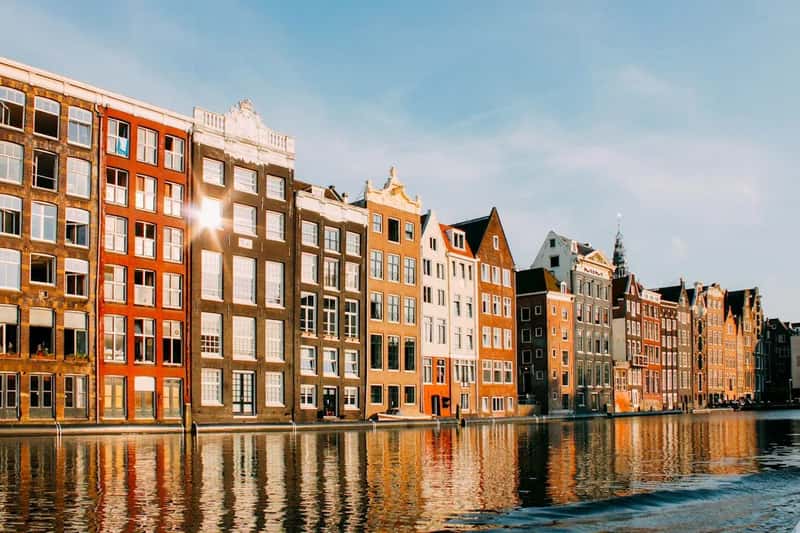
Since April 2024, Amsterdam has held a firm line on hotel construction. New hotels can only be built if another closes down, and the city urges developers to choose sites outside the center.[1] Twenty-six hotels that already had permits were not affected by the ban.[1]
For visitors, this can mean less room to maneuver in busy weeks. One travel blogger notes that with new hotel development restricted, availability in peak season will be stretched.[8] Booking earlier, or looking at neighborhoods beyond the middle of town, gives you more options.
Holiday Rentals Face Strict Night Limits
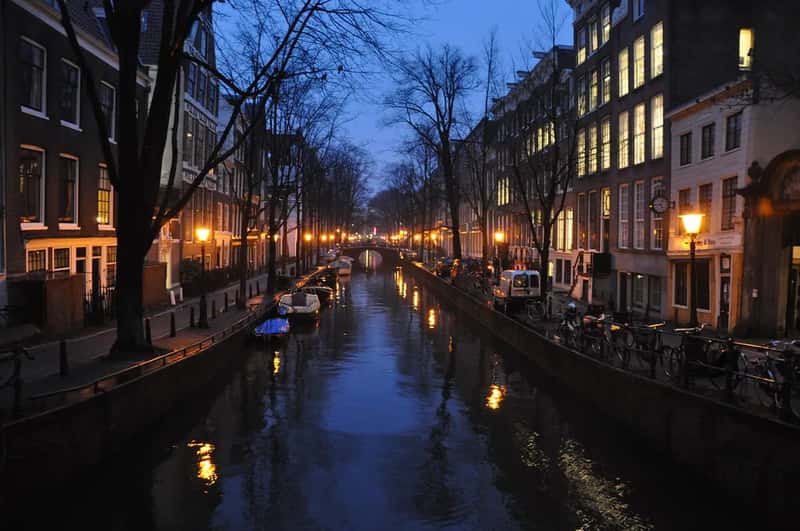
Renting a private apartment is more limited than it used to be. Amsterdam caps rentals at 30 nights per calendar year per property.[9] The municipality actively monitors compliance.[9]
Some areas are stricter still. In parts of Centrum and De Pijp, restrictions allow homes to be rented to tourists for no more than 15 days a year.[2] Before you pay a deposit, it’s sensible to confirm that the listing is registered and legal.
Cannabis Is Still Sold, but Not Smoked Everywhere
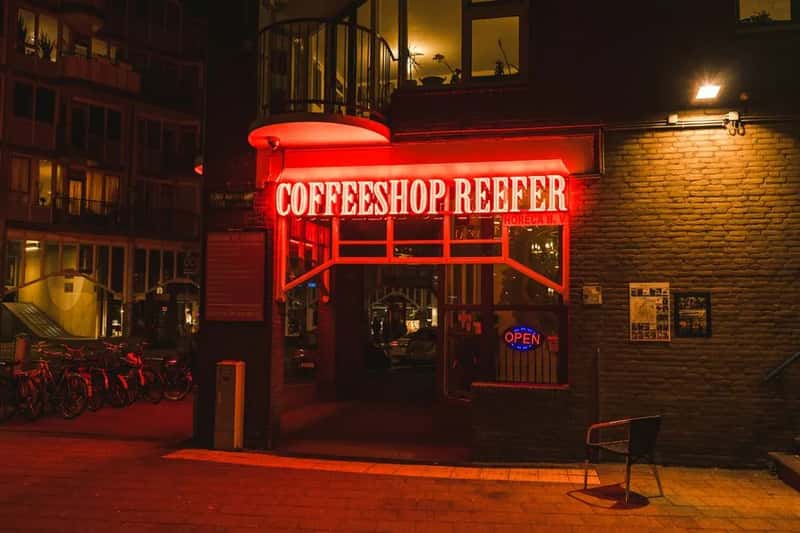
A smoking ban has applied since 25 May 2023 in the Red Light District, on Dam Square, along the Damrak and around Nieuwmarkt.[10] The fine is €100, issued on the spot.[11] A grace period, in other words, is long gone.
Tourists can still buy in licensed coffeeshops. Amsterdam allows tourist purchases, you must be 18 or older with valid ID, and the limit is 5 grams per visit.[12] The new coalition agreement makes no mention of earlier suggestions that tourists be banned from coffeeshops.[7]
Nights Out in De Wallen Come With Rules
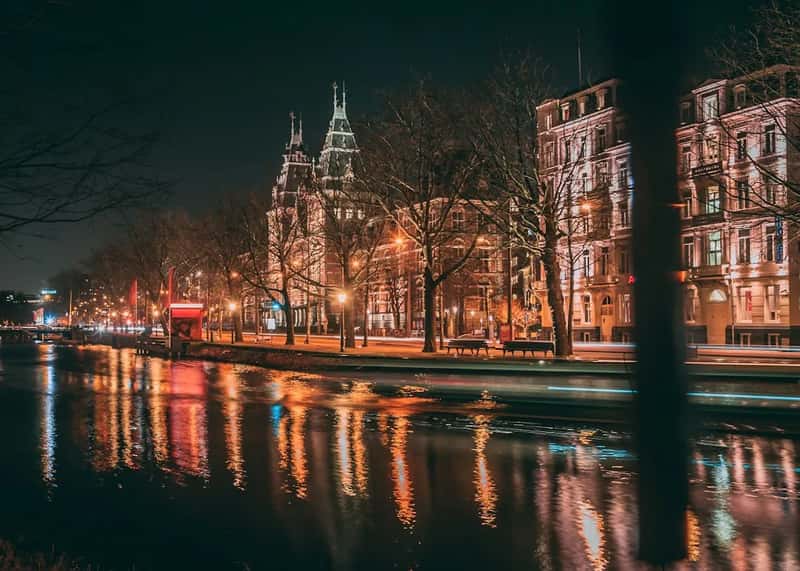
The Red Light District is a residential area as much as an attraction. Around 9,000 people live in its postal zone, alongside licensed window workers, bar staff and roughly 5.4 million annual visitors.[13] Taking photos or video of sex workers is strictly forbidden.[10]
Evenings have been reshaped too. Businesses serving alcohol enforce a window time, so nobody may enter after 1 a.m., and terraces close an hour earlier than normal.[14] Some municipal rules carry fines starting around 95 euros.[13] The city has also targeted party tourism directly, since pub crawls are restricted and bachelor party numbers are capped.[9]
Cruise Calls Are Being Cut Back
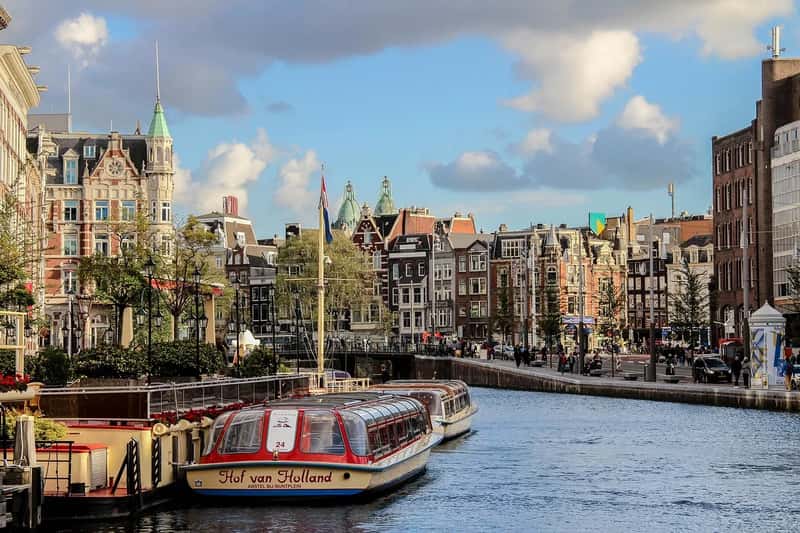
Sea cruise travel is shrinking. The city cut sea cruise calls at the main terminal from 190 per year to 100, starting in 2026.[9] A ban on such ships is planned for 2035.[15] The day tourist tax for cruise passengers is €15 per person in 2026, up from €14.50 in 2025.[16]
River cruises face their own reductions. The city aims to cap river cruise calls at 1,150 ships per year, after 1,950 calls in 2024.[17] Shore power connection for sea cruise ships becomes mandatory from 2027.[18] If a cruise is your way in, your itinerary may include a different port than it once would have.
Before You Book
The costs are the simplest part to plan for. Your lodging collects the tourist tax, so there’s nothing extra to arrange yourself.[21] Look for a price breakdown to see whether the tax is already counted in the nightly rate.[21]
Conduct rules are just as concrete. Smoke cannabis only inside a coffeeshop, keep your camera away from the windows, and carry ID.