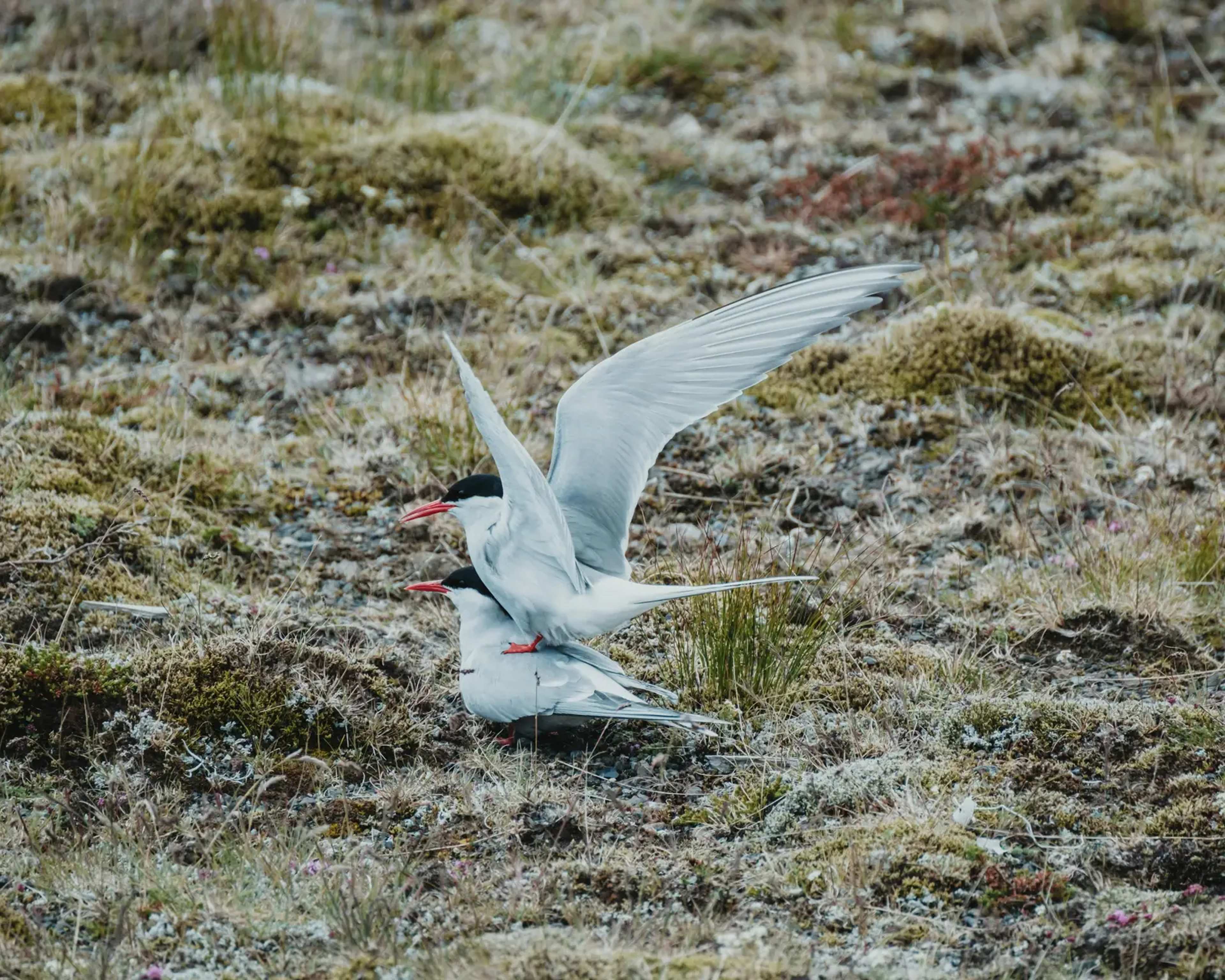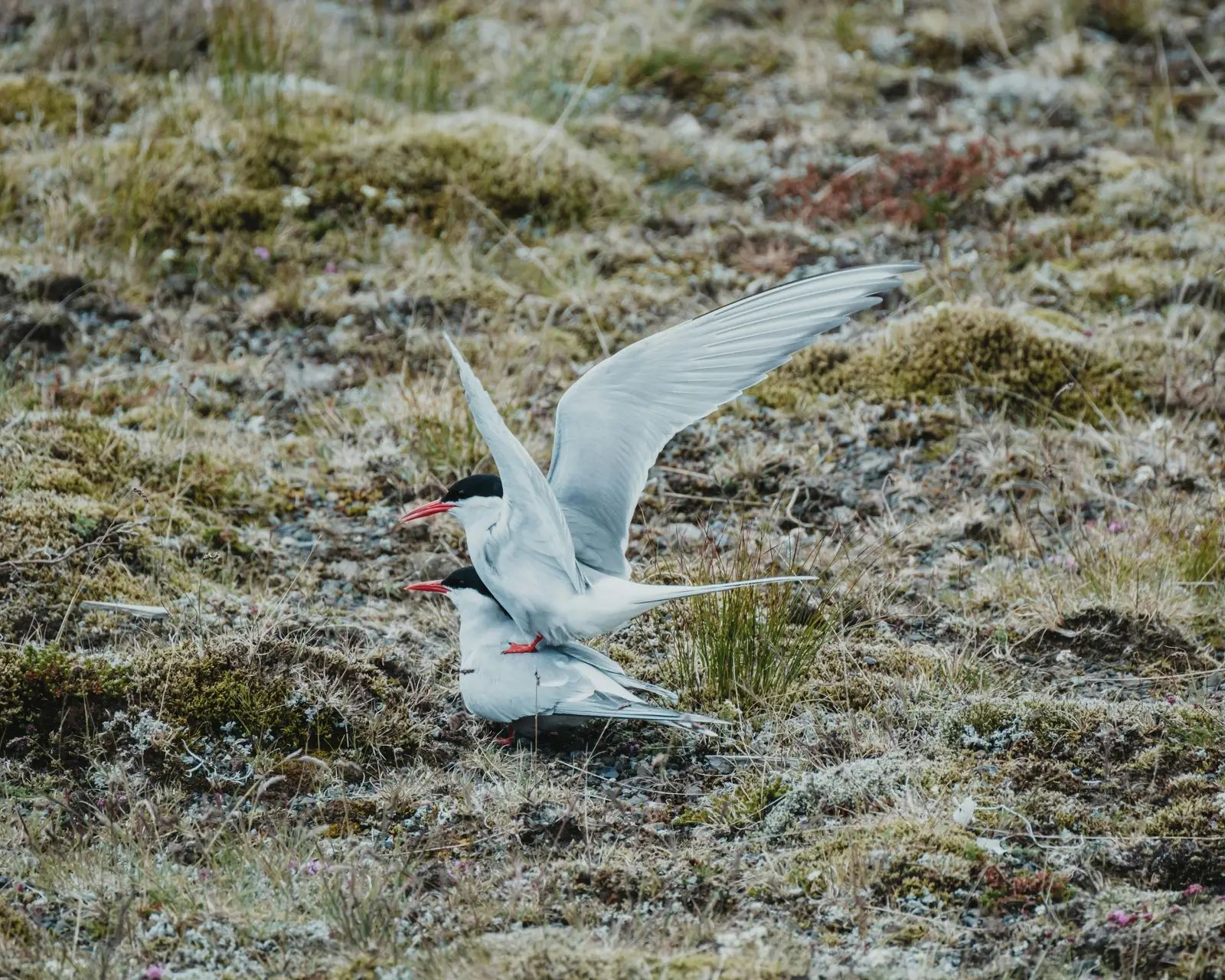
Arctic nesting grounds present a harsh test for shorebirds that return each spring. While many species show strong attachment to the same locations year after year, others regularly choose entirely new spots to raise their young. Researchers link this pattern to the highly variable environment of the tundra itself. A recent analysis of nesting data across dozens of populations points to habitat instability as the main driver behind these shifting choices.
Patterns Revealed Across Dozens of Populations
Scientists examined records from 120 populations representing 55 shorebird species that breed across varied northern landscapes. The work, published in the journal Ecography, compared birds that nest on open tundra with those that use forests, grasslands, or drier inland areas. Species tied to the tundra stood out for their lower tendency to reuse the same nesting sites. This difference held even when other factors such as migration distance or body size were considered. The finding suggests that environmental predictability plays a larger role in nesting decisions than previously emphasized. In more stable habitats, birds can rely on past success at a particular patch of ground. On the tundra, however, conditions can change sharply between seasons, making last year’s successful site less reliable the next spring. The study therefore frames nomadic nesting as an adaptive response rather than a random behavior.
Examples From Two Well-Known Tundra Species
Pectoral sandpipers and long-billed dowitchers illustrate the pattern clearly. Both species nest in Arctic tundra regions and show notably lower site loyalty compared with shorebirds that breed farther south or in wooded or grassy settings. Observers have long noted that these birds sometimes appear in different river valleys or coastal flats from one summer to the next. The new analysis places those observations within a broader ecological explanation tied to habitat variability. Other tundra-nesting shorebirds in the dataset displayed similar flexibility. The contrast with more faithful species underscores how local conditions shape breeding strategies. Birds that can assess and respond to changing food availability or predator pressure gain an advantage when the landscape itself offers few guarantees from year to year.
Why Tundra Conditions Favor Flexibility
The Arctic tundra experiences wide swings in snowmelt timing, insect emergence, and predator numbers. A site that supports abundant prey one season may offer little the next if melt arrives early or late. Such unpredictability reduces the benefit of returning to the exact same location. Birds that sample multiple areas or move when conditions look unfavorable can improve their chances of successful reproduction. Bart Kempenaers, head of the Department of Ornithology at the Max Planck Institute for Biological Intelligence, noted the broader questions raised by the results. “Finding that one habitat drives so much of this variation opens up fascinating questions,” he said in a press release. “Do other unpredictable habitats that are not included in the study, such as ephemeral wetlands, also favor nomadic breeders?” The comment highlights that the tundra finding may apply to additional environments where resources fluctuate sharply. Researchers continue to explore whether similar patterns appear in other regions with unstable breeding conditions.
Looking Ahead for Conservation and Research
Understanding these flexible nesting strategies matters as Arctic environments face rapid change. Shifts in climate could alter the very variability that currently favors nomadic behavior, potentially affecting which species thrive. Conservation planning that assumes fixed nesting locations may need adjustment for species that routinely relocate. The study leaves several avenues open. Future work could test whether the same drivers operate in other unpredictable habitats or whether additional factors such as social information from other birds influence site selection. For now, the results show that what looks like disloyalty in nesting is often a practical response to an environment that rarely stays the same.