Somewhere between the airport arrival gate and the first overpriced coffee near a landmark, a choice gets made without most people noticing. It’s not about budget or how many countries someone has stamped in a passport. It’s about how a person moves through a place, whether they skim the surface or actually let it shape them for a few days.
The difference between a tourist mindset and a traveler mindset shows up in small, repeatable habits rather than grand gestures. None of these require more money or more time off work. They just require paying attention differently.
1. Travelers eat where the locals eat, not where the photos look best
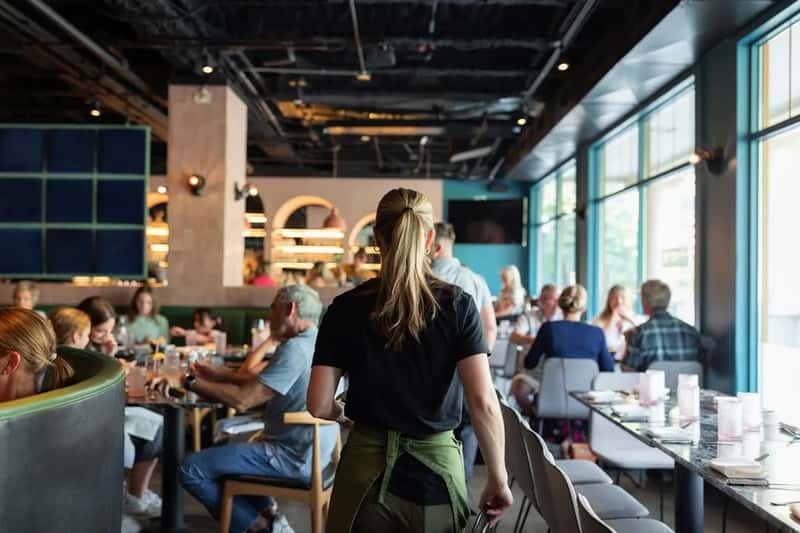
Tourists tend to gravitate toward restaurants with menus in five languages, laminated photos of the food, and a hostess standing outside waving people in. These spots exist because they work on volume, not because they represent the best a city has to offer. Travelers instead look for the place with a line of people speaking the local language, or the stall that’s been slammed with regulars since lunchtime.
This habit isn’t about snobbery, it’s about signal. A packed, unglamorous spot usually means the food is good enough that locals keep coming back despite zero marketing. Food writers and guidebook editors have long pointed out that tourist-trap restaurants near major attractions often charge more for less, simply because foot traffic guarantees business regardless of quality.
2. Travelers learn a handful of local phrases before they arrive

Nobody expects fluency after a weekend of Duolingo, and travelers know that too. What they actually do is memorize five or six practical phrases: hello, thank you, please, excuse me, and how much does this cost. It sounds small, but it changes how people respond to them almost immediately.
Linguists who study tourism behavior have noted that even minimal effort in a local language signals respect and often results in warmer service, better directions, and more genuine interactions. Tourists who default entirely to English, assuming it will be understood everywhere, sometimes get by fine, but they miss the goodwill that a little linguistic effort buys. It’s less about communication and more about showing you see the place as more than a backdrop.
3. Travelers build in unstructured time instead of packing every hour
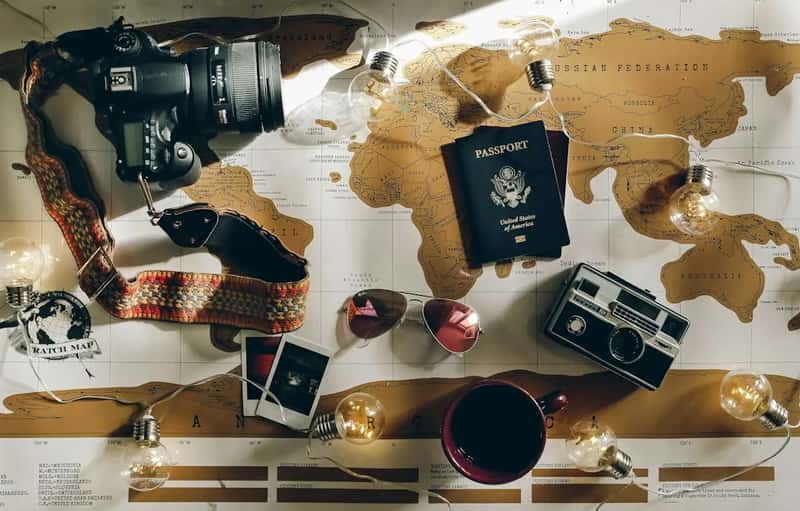
A common tourist habit is the checklist itinerary: eight landmarks in one day, timed down to the minute, photographed and crossed off. It’s efficient, but it leaves almost no room for anything unplanned to happen. Travelers tend to book fewer things and leave gaps, sometimes just wandering a neighborhood with no destination at all.
This isn’t laziness, it’s strategy. Some of the most memorable travel moments, a conversation with a shop owner, stumbling into a local festival, finding a quiet courtyard nobody mentioned online, only happen when there’s slack in the schedule. Travel researchers have long observed that overscheduled trips tend to produce fatigue and a strange sense of having “seen” a place without ever actually experiencing it.
4. Travelers ask questions instead of relying only on reviews

Tourists often plan almost entirely through apps, star ratings, and aggregated review scores before they ever set foot somewhere. There’s nothing wrong with research, but it can create a filtered, homogenized version of a destination where everyone visits the same five-star spots. Travelers supplement that research by actually asking people, a hotel front desk worker, a bartender, a stranger at a bus stop, where they’d go if they lived there.
These conversations often surface places that don’t show up prominently online, either because they’re small, cash-only, or simply not optimized for search engines. Local recommendations also come with context reviews can’t offer, like knowing a spot is best visited early or that a certain dish is only good on weekends. This habit treats locals as sources of knowledge rather than background scenery.
5. Travelers pace themselves around one region instead of chasing more stamps

There’s a particular tourist habit of trying to hit as many cities or countries as possible in a single trip, treating travel almost like a scavenger hunt. Two nights in one capital, one night in another, a blur of trains and early checkouts. Travelers, especially those with limited vacation days, increasingly favor slower trips focused on one region or even one city, spending the time saved on transit actually settling into a place.
This shift has become more visible in recent years as “slow travel” has grown from a niche preference into a mainstream planning philosophy, with travel industry surveys from 2024 and 2025 showing rising interest in longer stays over fewer destinations. The logic is simple: a week in one place tends to produce a deeper understanding of it than a week split across four cities ever could. Fewer stamps, more memory.
6. Travelers adjust their expectations instead of expecting the place to adjust to them
This might be the most telling habit of all. Tourists sometimes arrive expecting certain standards, punctuality, service speed, portion sizes, air conditioning, that mirror home, and get visibly frustrated when a destination doesn’t comply. Travelers arrive assuming the place operates on its own logic and adjust accordingly, treating differences as part of the experience rather than an inconvenience to complain about.
This doesn’t mean tolerating unsafe conditions or genuinely bad service, it means recognizing that a siesta schedule, a slower bureaucratic process, or a different tipping culture isn’t a flaw to be corrected. It’s simply how that place works. This mental flexibility tends to reduce stress dramatically and often turns friction points into the exact stories people end up telling for years afterward.
None of these six habits require special access, extra money, or years of experience. They’re really just small shifts in attention and expectation, choosing curiosity over convenience, and treating a destination as a place with its own rhythm rather than a stage built for visitors. Most people carry a bit of both tourist and traveler in them, and the ratio tends to shift the more they practice these habits on each trip.