Most people clear out a closet or an attic without giving a second glance to the paper tags still clipped to an old suitcase handle. That instinct to toss the “junk” and keep the furniture is understandable, but it also happens to be where a surprising amount of value quietly disappears. Auction houses and specialty dealers have spent the last several years proving that some of the most disposable objects from the golden age of travel, things meant to be thrown away within days, are now the ones collectors chase hardest.
What follows is a tour through eight categories of travel memorabilia that regularly surprise their owners. Some of these items sell for a few hundred dollars. A handful, under the right conditions, have sold for thousands.
Vintage Airline Luggage Tags and Baggage Labels
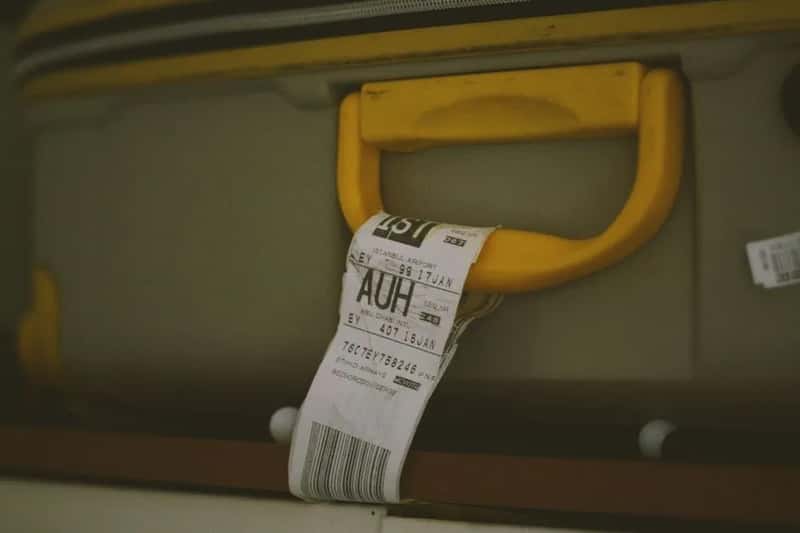
The paper tags that once dangled from suitcase handles were designed to be cut off and discarded the moment a traveler got home. That is precisely what makes surviving examples so desirable now. Over the past five years, auction houses, specialty dealers, and online marketplaces have documented a steady, sometimes startling, appreciation in the value of mid century airline labels, particularly those issued between 1947 and 1962.[1] A 1953 Pan Am Clipper tag is a good example of how far this market has come, since a 1953 Pan Am “Clipper” tag sold for $385 at Swann Galleries in 2023.[1]
Condition and story matter just as much as age. A rare 1958 TWA “Starliner” tag with original string and handwritten destination, New York to Rome, commanded $420 on eBay last spring.[1] One particularly well documented example tied to a notable historical figure did even better, since the tag sold at Bonhams’ “Aviation & Travel” auction in December 2023 for $760, nearly double its pre sale estimate.[1] Even the twine matters here, because intact twine, especially if original cotton or linen, adds fifteen to twenty five percent to baseline value.[1]
Golden Age Travel Posters from Pan Am and TWA

If luggage tags are the entry point for new collectors, travel posters are the trophy pieces. These large, brightly colored advertisements were printed by the thousands to hang in airline offices and travel agencies, and most were simply thrown out once a new campaign arrived. While genuine specimens of beautiful vintage travel posters can fetch bids well into the thousands of dollars today, the original luggage tags have remained more accessible.[2]
The ceiling on this category is genuinely eye opening. According to dealers who track the market closely, the highest price on record for a Pan Am poster is over $30,000 for the South Seas poster by Paul George Lawler.[3] Artists like David Klein, who designed many of the famous TWA destination posters, have built a following similar to fine art printmakers. Even mid tier examples in rough condition, with pinholes or creases, still find buyers willing to pay a premium simply because so few survived intact.
Antique Steamer Trunks by Louis Vuitton and Goyard
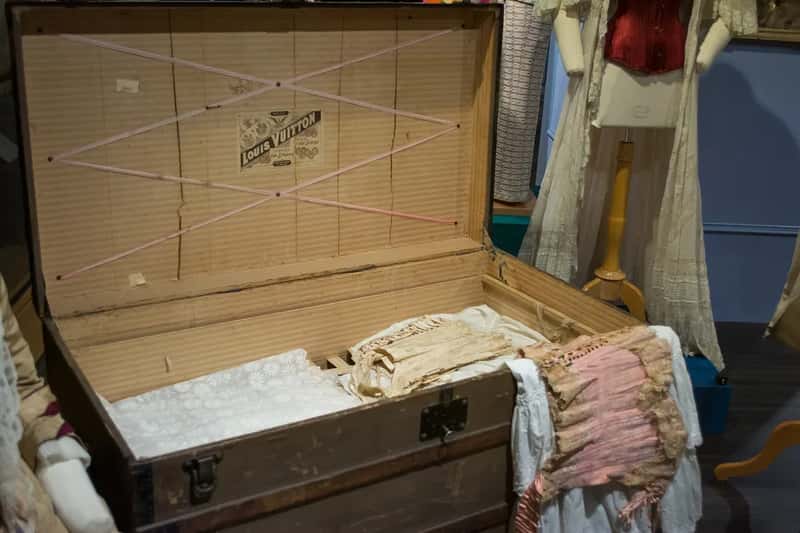
Steamer trunks were built for a different era of travel, one where a single voyage might last weeks and a trunk had to double as a wardrobe. Most ordinary examples are worth very little today. As one Antiques Roadshow appraiser put it on air, while most steamer trunks are priced in the $100 to $200 range on a very good day, this steamer trunk is much more exceptional than that, and an auction estimate would be $3,000 to $5,000.[4]
Branded pieces from houses like Louis Vuitton sit in an entirely different tier. A monogrammed Louis Vuitton steamer trunk recently changed hands at auction, and a Louis Vuitton monogram steamer trunk sold for $10,710.[5] Rarer forms do even better, since an exceptional vertical Louis Vuitton steamer trunk with a basket insert hammered for $13,000.[5] Provenance and originality drive most of that value, and appraisers consistently note that a trunk from around 1900, kept in good original condition, could reasonably be worth six thousand to eight thousand dollars depending on the buyer.
Rare Vintage Postcards from Early Travel Days

Postcards were the social media of the nineteenth and twentieth centuries, cheap, disposable, and mailed by the millions. Most surviving examples are worth a dollar or two, but a small slice of the market behaves nothing like that. The oldest known picture postcard was sold in 2002 at the London Stamp Exchange auction for just under $50,000.[6]
Subject matter tends to separate the valuable from the ordinary. Collectors will pay top dollar for certain subjects, such as vintage ocean liners, and these cards may fetch more money at auction.[6] A famous example proves how far a single card can travel in value, since some old postcards may be worth more than a new house, like the Babe Ruth postcard that recently sold at auction for $564,000.[7] Even modest, everyday examples can surprise an owner, as an old postcard of the Titanic sold on eBay for about $1,300.[6]
Ornate Luggage Labels from Grand Hotels

Long before airline tags existed, grand hotels issued their own colorful adhesive labels for guests to stick on trunks and cases as a kind of traveling advertisement. These labels covered far more than lodging. They promoted American and international destinations, airlines, cruises and ocean liners, restaurants, rail lines, resorts, and national parks.[8]
Collectors specifically seek out labels tied to famous properties or design movements from the era. Genuine vintage hotel, shipping, and airline labels are especially attractive, adding to the nostalgic appeal of a piece of luggage.[9] A trunk covered in a dozen faded, sun bleached labels from grand European hotels is often worth more to a serious collector than the trunk itself would be on its own. As with most paper ephemera in this category, crisp lithography and vivid unfaded color make the biggest difference in price.
Designer Suitcases with Celebrity Provenance

A well made vintage suitcase from a luxury house is worth something on its own. Add a documented former owner, and the number changes considerably. Jack Lemmon’s Fendi suitcase, complete with its original luggage tag, sold for $1,200 against an auction estimate of just $300 to $500 in 2022.[9]
Condition still rules the category even when a famous name is attached. The more original the condition, the higher the potential value.[9] Buyers are generally forgiving of light wear, since a gentle patina is part of the appeal, but structural damage is a different story. Cracked, dry, crumbling leather can be difficult or even impossible to repair, and patching it will lower the resale value.[9]
Mid Century Airline Wings, Amenity Kits, and Cabin Memorabilia

Commercial flight in the decades after World War Two was treated as an event worth dressing up for, not a routine errand. Iconic airlines like Pan Am, TWA, and United competed to impress passengers with onboard cocktail lounges, designer flight attendant uniforms, custom dinnerware, five star menus, and branded swag like luggage tags and bags.[10] Almost none of it was meant to leave the cabin permanently.
That casual attitude toward souvenirs is exactly why collectors are interested today. Because flying in mid century America was an event, it wasn’t at all uncommon for travelers to bring some of these items home with them, never imagining these seemingly innocuous airline items would someday become valuable pieces of memorabilia.[10] Junior pilot wing pins, souvenir playing cards, branded ashtrays, and full sets of airline china from a defunct carrier can all draw serious bidding when they appear together as a matched lot rather than scattered pieces.
Ocean Liner Ephemera and Ship Postcards
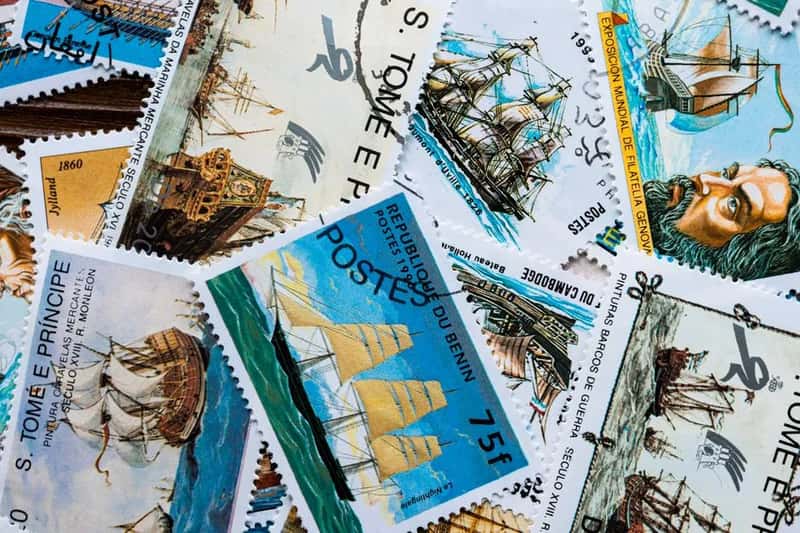
Before jet travel made oceans an afterthought, the transatlantic liner was the height of glamorous transportation, and it generated its own universe of paper souvenirs. Menus, deck plans, and postcards from ships were handed out freely and rarely kept with any care. That is part of why surviving pieces tied to famous vessels command such attention now.
Postcards remain the most accessible entry point into this niche. Collectors will pay top dollar for certain subjects, such as vintage ocean liners, and these cards may fetch more money at auction.[6] A card showing a well known ship, especially one lost or retired under dramatic circumstances, tends to outperform an ordinary scenic postcard by a wide margin, and complete sets of dinner menus or first class stationery from famous liners occasionally surface at specialty auctions for prices that catch even experienced dealers off guard.
The Takeaway
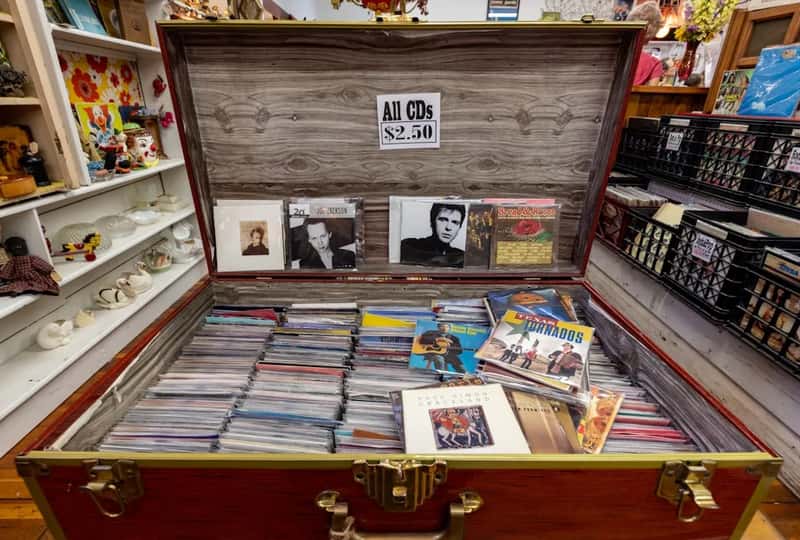
None of these categories reward guessing. The difference between a tag worth five dollars and one worth several hundred usually comes down to legible handwriting, an intact string, or a documented former owner, details easy to overlook when a box has sat untouched for decades.
Before anything from an old trunk or a grandparent’s travel drawer heads to a donation bin, it is worth a slow, careful look. The paper that seems the most forgettable is often exactly what a collector has been searching for.