Most people assume that road trips are the *safest* kind of travel for people over 60 – no airports, no jet lag, total control over the schedule. Turns out, that confidence is exactly what gets so many first-timers into trouble. Road travel is a top priority for a significant portion of the senior population, yet the planning gaps that surface on a first big trip are remarkably consistent – and remarkably avoidable. Here’s what the experts, safety researchers, and experienced older travelers actually say.
—
#14 – Skipping the Pre-Trip Doctor Visit

Most people heading out on their first big road trip after 60 think a doctor’s appointment is only necessary if something is already wrong. That assumption quietly sets up the trip to fail before the engine even starts.
Travel experts stress that older adults really need to see a doctor before long trips to discuss health concerns, update vaccinations, and address any mobility issues that may affect the journey. A new itinerary can expose health vulnerabilities – a long stretch of highway driving, altitude changes, extreme heat – that wouldn’t come up in normal daily life.
If you have a heart condition, diabetes, or other conditions affected by prolonged sitting, discuss your planned driving schedule with your doctor before a long trip. It’s a 20-minute conversation that can prevent a genuine emergency.
Doctors can also flag whether any current medications interact with the physical demands of driving. That’s the part most first-timers never think to ask about.
But that’s nothing compared to what most people completely overlook about #13…
—
#13 – Buying Travel Insurance Too Late

Here’s one that costs people real money every single year. Most travelers assume travel insurance works like car insurance – buy it anytime before the trip, and you’re covered. That’s wrong.
Coverage for an existing health condition is only available under strict timing rules, and policies generally define “pre-existing” as anything treated within the last 60 to 180 days – no diagnosis required. Something as routine as a blood pressure check or a medication adjustment can disqualify you from a key protection.
Buy your insurance within days of your first trip deposit – not the week before you leave. That single habit protects the pre-existing condition waiver most people don’t know exists.
On a first big road trip, unexpected health interruptions aren’t hypothetical – they’re a realistic possibility. Don’t leave yourself exposed because you waited too long to click “purchase.”
But that’s nothing compared to the packing mistake that almost everyone makes – which is #12…
—
#12 – Packing Medications in the Wrong Place

This one seems small. It absolutely isn’t. Keep medications in an easily accessible bag, not buried in luggage in the trunk. On a road trip, that means within reach from the passenger seat, not locked in a suitcase under camping gear.
Use a pill organizer to pre-sort all daily medications before the trip begins, and always pack a few days’ worth of extra medication in case of unexpected travel delays. A pharmacy in a rural area two states from home may not carry your brand, or your dosage, or both.
The general rule of thumb is to get a 90-day supply and keep a copy of your prescription handy during the trip. Some medications also require refrigeration – plan for that before departure, not mid-trip.
If you take medications on a schedule, set phone reminders so rest stops align with your dosing times. That way you’re never scrambling while driving through dead zones with no cell service.
What’s next is a mistake that directly affects how alert you are at the wheel – and it’s #11…
—
#11 – Planning Too Many Miles Per Day
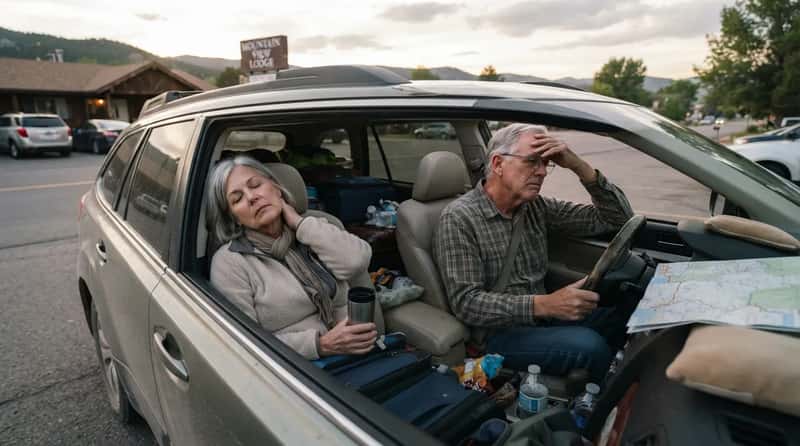
Younger road trippers can push 8 to 10 hours of driving in a single day. That benchmark wrecks first-time senior road trippers who apply it to themselves – and they don’t realize it until day two, when everything hurts.
Effective route planning begins with realistic expectations about daily driving distances. While younger travelers might comfortably drive 8 to 10 hours daily, seniors typically do better with a maximum of 4 to 6 hours of driving time spread throughout the day.
Cramming mileage into the first two days doesn’t “save” time – it generates fatigue that drags down every day that follows. Build in buffer days where the destination itself is just a good motel and a decent dinner.
If your destination is particularly far, you might need to weigh the benefits of breaking up the drive over a few days versus booking a short flight. That’s not defeat – that’s smart logistics.
Quick Compare
- Younger travelers: often comfortable behind the wheel for 8 to 10 hours a day
- General road-trip guidance: cap driving at around 8 hours, or roughly 500 miles, per day
- First-time senior road trippers: typically do best with 4 to 6 hours, spread across the day
- Smart fix: add buffer days instead of stacking mileage early in the trip
But that’s nothing compared to the daily schedule mistake that sabotages #10…
—
#10 – Starting the Drive Too Early in the Morning

Rolling out at 5 a.m. to “beat traffic” sounds efficient. For many people over 60, it’s actually one of the fastest ways to become dangerously fatigued by early afternoon – which is peak highway driving time.
Plan for a late morning start around 9 to 10 AM to allow for unhurried morning routines and medication schedules. Rushing medications, skipping a real breakfast, and jumping into a car before your body is fully awake is a setup for poor concentration behind the wheel.
Avoid stressful driving situations such as rush hour travel, and plan trips for daytime hours after 9 a.m. The roads are calmer, the light is better, and your reaction times are sharper when you aren’t half-asleep.
A late-morning departure also means you hit your first planned rest stop when everything is open – restaurants, gas stations, pharmacies. That convenience matters more than you’d think on day one.
That’s only the beginning of the timing mistakes, though – #9 is the one that sneaks up on you while you’re moving…
—
#9 – Not Taking Breaks Often Enough

Here’s a number worth memorizing: schedule regular breaks every 60 to 90 minutes, regardless of whether they’re requested. Most first-time senior road trippers think they’ll stop “when they feel tired.” By the time you feel it, you’ve already been impaired for a while.
Taking breaks helps reduce stiffness and prevent blood clots. As we age, circulatory problems become more common, and sitting for long periods can make them worse. This is not a minor comfort issue – it’s a genuine medical risk on long drives.
Sitting in a vehicle for extended periods can cause joint stiffness and increase the risk of blood clots for older adults. Plan to stop every two hours, and use those breaks to stretch, use the restroom, and get some fresh air.
Map your rest stops before you leave, not on the fly. Knowing exactly where the next stop is makes it far easier to commit to actually stopping.
But breaks only help if you’re doing #8 right in between them…
—
#8 – Ignoring Hydration on Long Drives
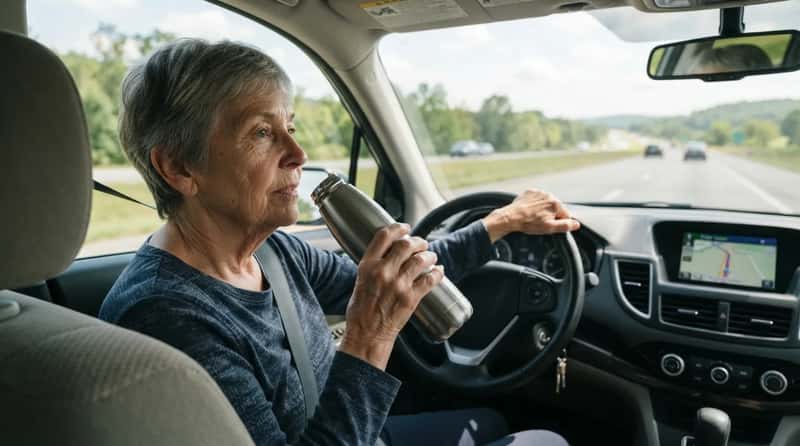
Most people cut back on water during long drives to avoid extra bathroom stops. That logic backfires badly. Adequate hydration is critical for seniors on road trips – being hydrated means your body has enough fluids to function properly.
Dehydration impairs concentration, worsens fatigue, and – particularly relevant for anyone on blood pressure medication – can cause dizziness. None of those outcomes are safe at highway speeds.
Staying hydrated is important but requires balance – drink enough water to stay sharp and avoid fatigue, but plan your stops accordingly. A small insulated water bottle that you refill at rest area water stations is practical and keeps hydration consistent without requiring large quantities at once.
Think of hydration as part of your driving safety equipment. Skipping it to save ten minutes at a rest stop is a trade-off that doesn’t make sense.
Fast Facts
- A common guideline is roughly one-third to one-half of your body weight in ounces of water per day – check with your doctor for a personal target
- Some health authorities suggest about 13 cups a day for men and 9 cups for women over 50, counting all fluids, not just water
- Warning signs of dehydration include dizziness, confusion, dark urine, and unusual fatigue
- Thirst naturally becomes a less reliable signal with age, so don’t wait to feel thirsty before drinking
But that’s nothing compared to the nighttime driving mistake that is #7 – and far more dangerous than most people realize…
—
#7 – Driving After Dark

This is the one mistake that experienced older road trippers almost universally agree on: don’t do it, especially on an unfamiliar route. The risks aren’t just about personal preference – they’re physical.
Between headlight glare and general darkness, even older adults with good vision can have problems seeing at night. Aging eyes become more sensitive to bright light and glare, so limiting nighttime driving and trying to avoid looking directly into headlights of approaching vehicles is strongly advised.
Muscles weaken and reflexes slow with age, making it harder to react quickly. Age-related eye problems like cataracts or gradual vision loss can make it more difficult to see road signs, and hearing loss makes it harder to hear other drivers or emergency vehicles. All of these are compounded after dark.
Build your daily mileage target around getting to your overnight stop before sunset. If the schedule demands night driving to hit that target, the daily target is too aggressive.
But there’s another visibility mistake that affects you in full daylight – that’s #6…
—
#6 – Skipping the Pre-Trip Vehicle Check
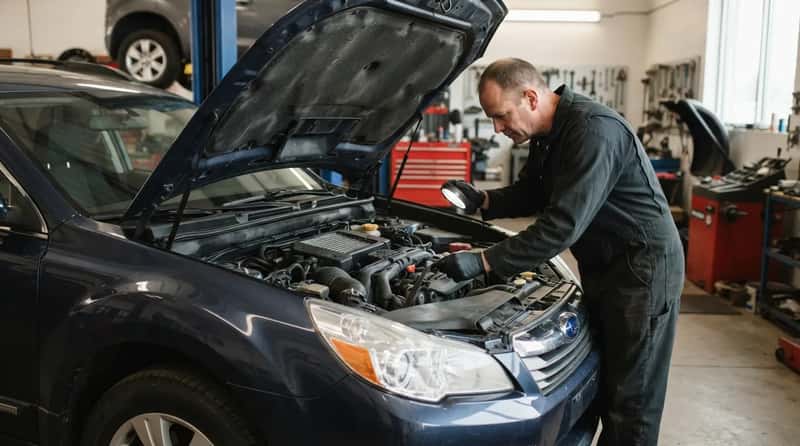
It’s easy to assume a car that drove fine last Tuesday is ready for a three-week trip across several states. That assumption is wrong in ways that can leave you stranded on an interstate with no cell signal.
Get your vehicle checked thoroughly for fluid levels and tire pressure, and it’s wise to involve an expert in this. Schedule a pre-trip inspection with a certified mechanic at least one week in advance. That window gives you time to fix anything without scrambling.
Make sure your brake system is functioning properly and check brake fluid levels. If you’re driving an older car, have a mechanic inspect it to identify any potential issues. Don’t forget to check belts and hoses for signs of wear or damage.
In case of an emergency, keep a spare tire, a car jack, and basic tools in your trunk. It’s also wise to carry a small supply of drinking water, non-perishable snacks, and a first aid kit.
That’s nothing compared to the scheduling trap most people fall into – #5 reveals it…
—
#5 – Over-Scheduling Every Day

The instinct to maximize every hour of a trip is understandable – you’ve been looking forward to this for years. But over-scheduling is one of the most reliable ways to arrive home exhausted and disappointed.
Over-scheduling your day is a recipe for exhaustion. It’s okay to have an idea of what you want to do, but allow yourself flexibility. On a first big road trip, you genuinely don’t know what a full day on the road feels like in your body until you’re doing it.
It’s tempting to pack your itinerary with activities to make the most of your vacation, but for older adults, this can quickly lead to overstimulation and fatigue. Plan for only one main activity each day, preferably in the late morning or early afternoon when energy levels are typically highest.
Leave plenty of downtime in the schedule for resting or taking a nap back at the hotel. The days where you schedule nothing often turn into the best days – the unexpected stops, the roadside diners, the scenic pull-offs nobody put on a list.
But that’s nothing compared to the physical self-assessment mistake that catches people by surprise – #4 is it…
—
#4 – Overestimating Physical Ability on the Road

Most people over 60 mentally picture themselves as roughly 10 to 15 years younger than their actual age. That’s fine at a dinner party. On a road trip, it leads to hikes you can’t finish, hotel stairs you didn’t account for, and walking tours that leave your knees wrecked for two days.
It’s important to take an honest assessment and know your physical abilities so that you don’t get yourself into an awkward situation. Know how far you can walk, how far you can ride, how far you can hike, what stairs are like for you, what it’s like on uneven surfaces.
When selecting overnight stops, prioritize accommodations with first-floor rooms or elevator access. This isn’t pessimism – it’s the kind of practical planning that keeps you comfortable enough to actually enjoy the next morning.
Run through each planned activity before departure and ask honestly: could I do this today, right now, after a five-hour drive? If the answer is uncertain, build in a rest day before that activity.
But that’s nothing compared to how many first-timers leave themselves completely exposed on the navigation front – that’s #3…
—
#3 – Relying Solely on One Navigation Method
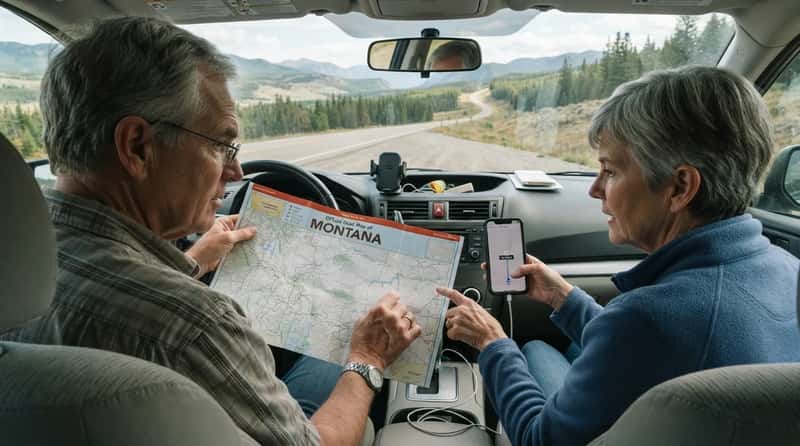
A GPS app on a phone is extraordinary – until you hit a dead zone in rural Montana, your phone overheats, or the battery dies because you forgot the car charger. First-time road trippers over 60 who put all their navigation eggs in one digital basket have a bad time.
Planning routes and pinpointing rest stops using up-to-date maps and navigation tools is one of the best approaches for older adults hitting the road. That means using a phone app *and* keeping a paper atlas or printed directions as a backup – not instead of each other.
Printed maps provide the big picture of the area you’re driving through. A cell phone’s small screen can be limiting – especially when you need to understand the layout of an entire region, not just the next turn.
Bring easy-to-use navigation devices and large-print maps for clear directions. Having two systems means the failure of one doesn’t strand you somewhere unfamiliar.
But that’s nothing compared to the mistake that endangers everyone in the car – and it’s #2…
—
#2 – Ignoring Medication Side Effects Behind the Wheel
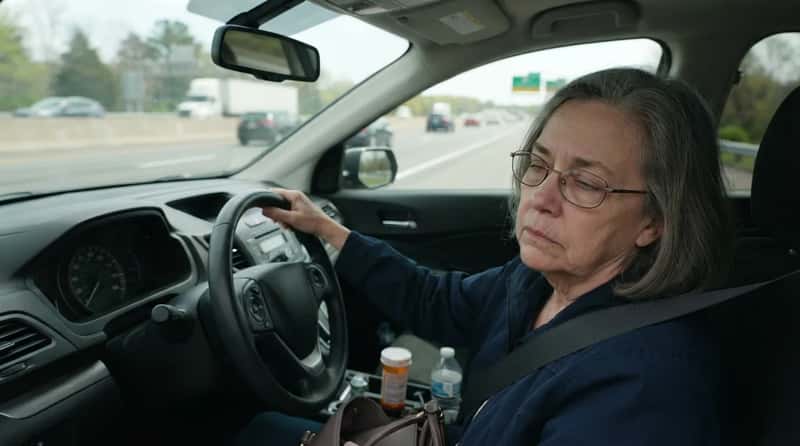
This is the mistake that makes driving safety researchers genuinely worried – and most people have no idea it applies to them. Many of the most commonly prescribed medications for people over 60 carry warnings about drowsiness, dizziness, or slowed reaction time.
Don’t drive if you have just taken a medication that induces drowsiness. Health conditions like arthritis, vision issues, or medications can also influence how long a senior can safely drive. Both of these factors are compounded on long days when you’re also dealing with road fatigue.
In older age, medical problems that require medication become more common, and many of those medications weren’t tested with hours of highway driving in mind. Check with your doctor – or even your pharmacist – specifically about the driving implications of every medication you take daily.
The fix isn’t to skip medication. It’s to schedule driving time around dosing time, and to know clearly which medications you’re on that could affect alertness – before the trip, not during it.
All of that is serious. But nothing on this list is as quietly damaging – and as fixable – as the #1 mistake…
—
#1 – Treating the Trip Like a Race to the Destination

This is the deepest mistake on the list – and the hardest to shake, because it’s cultural. Decades of work life train people to optimize for efficiency: fastest route, fewest stops, arrive on schedule. That mindset actively destroys a first big road trip.
Unexpected stops along the way are often the most memorable parts of any road trip. Too much planning robs you of the freedom to stop and explore. The traveler who blows past an interesting roadside sign to “make time” is literally passing up the best part of the journey.
The travelers who say they had the best trips almost always stayed longer in fewer places. Racing through six cities in eight days is a young person’s game. A first big road trip after 60 is a chance to actually inhabit places instead of passing through them.
The retirees who talk about their road trips for years afterward are rarely the ones who covered the most ground. They’re the ones who found a great diner in a town they’d never heard of, sat there for two hours, and had the best pie of their lives. That doesn’t happen when you’re chasing a schedule.
—
The Bottom Line

A first big road trip after 60 can be one of the most genuinely rewarding things you do in retirement – but only if you plan it honestly, not optimistically. The mistakes on this list aren’t rare catastrophes; they’re the predictable, avoidable traps that show up on nearly every first major trip.
Get the doctor visit done early. Buy the insurance on day one. Know your medications, your real physical limits, and your car’s actual condition. And then – most importantly – let go of the idea that a great trip means covering the maximum amount of ground in the minimum amount of time.
At a Glance
- Schedule the doctor visit and buy travel insurance early – not the week before departure
- Cap driving at 4 to 6 hours a day, with a break every 60 to 90 minutes
- Finish driving before dark and build the schedule around sunset, not sunrise
- Leave unscheduled time every day – it’s usually where the best memories happen
The open road after 60 rewards patience in ways it simply doesn’t at 35. Did this list catch a mistake you almost made, or one you’ve already seen someone else make? Drop it in the comments.