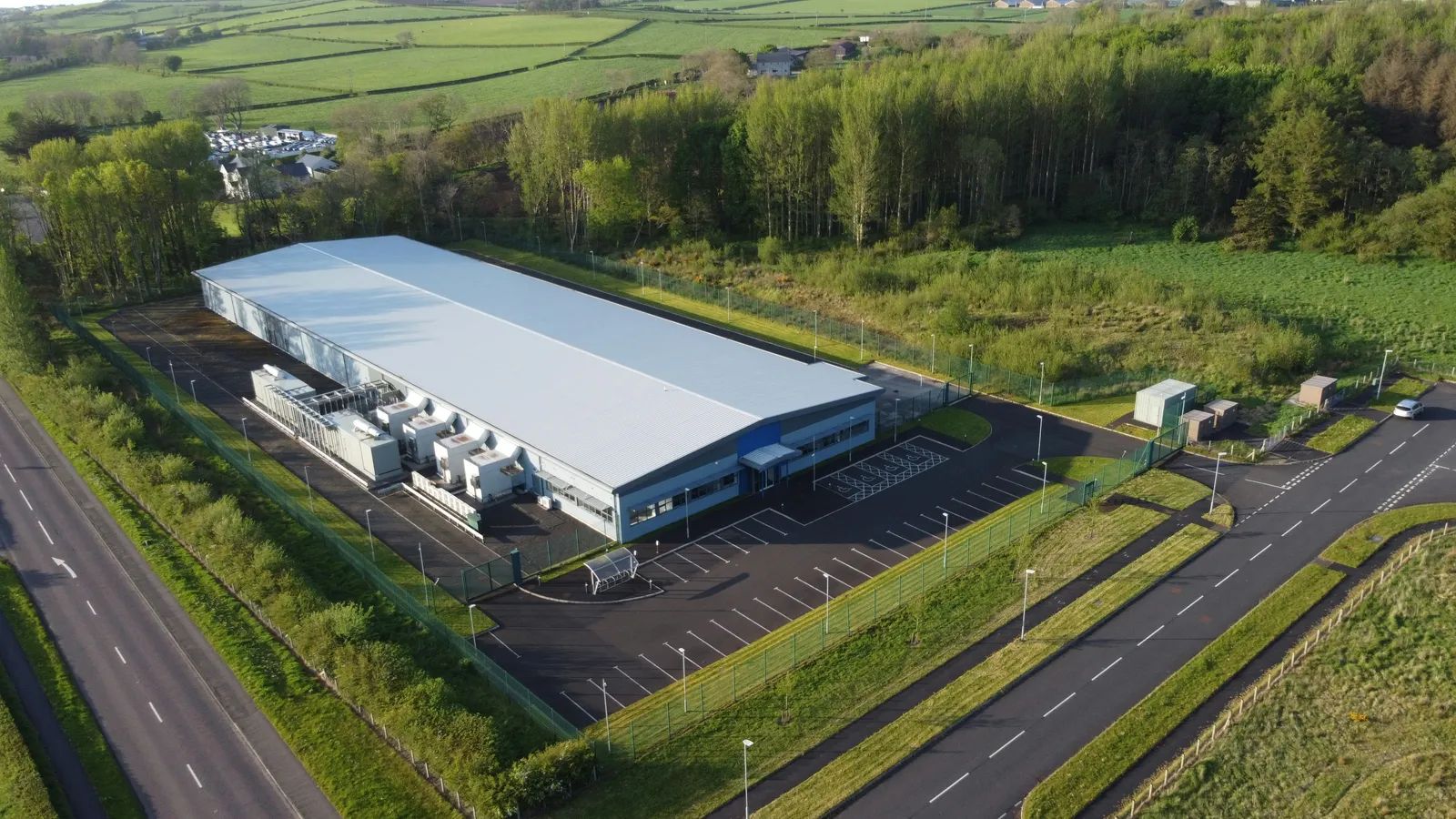
The Bureau of Land Management is now evaluating at least 35 separate applications for data centers and related infrastructure across more than 24,000 acres of public land in the West. The figure, drawn from the agency’s own rights-of-way records, exceeds earlier estimates and reflects a surge in interest that has caught some local officials by surprise. A nonpartisan group tracking the filings released an updated map that makes the geographic spread and the supporting projects visible for the first time. ([1])
Where the Applications Are Concentrated
The proposals span six states: Arizona, Idaho, Nevada, Oregon, Utah and Wyoming. Some filings seek permission for the data centers themselves, while others request rights-of-way for access roads, water pipelines and power connections that would serve the facilities. The combined footprint would place industrial-scale development on land that has historically supported grazing, mining and dispersed recreation.
Because the projects are still in the review stage, none of the sites have been publicly identified in detail. The absence of location-specific information has left county governments and nearby communities without a clear picture of what may be built in their vicinity.
Regulatory Gap and Administration Direction
Federal law directs the BLM to manage its holdings for multiple uses, yet no dedicated permitting pathway exists for data centers the way it does for energy development or mineral extraction. The Trump administration has nevertheless moved the applications forward as a priority, citing the need for expanded digital infrastructure. That push has continued even as public opposition to large data-center projects has grown in several western communities.
Without a standardized review process, each application is being handled through existing rights-of-way authorities. Critics argue the approach leaves important questions about water consumption, visual impacts and long-term land-use compatibility unaddressed at the outset.
Transparency Concerns and Local Awareness
Many of the filings had not been widely reported before the Center for Western Priorities compiled its map. In several cases, county officials said they were unaware that applications affecting land within their jurisdictions had been submitted. The sudden visibility of the proposals has prompted calls for greater public notice and earlier consultation with affected communities.
Only one data-center project on BLM land has reached approval so far. A court later stayed that Nevada project, underscoring the legal uncertainties that can arise even after an initial decision. The pause has reinforced questions about how future applications will be evaluated and defended.
What Comes Next for Public-Land Planning
The BLM has not announced a timeline for completing its reviews or for developing a more formal process tailored to data centers. Stakeholders ranging from conservation organizations to local economic-development offices are watching to see whether the agency will require additional environmental analysis or public comment periods beyond what current rights-of-way rules demand.
Any approvals would mark a notable shift in how western public lands are used. The decisions now under consideration could set precedents that influence both the pace of digital infrastructure growth and the character of landscapes long valued for open-space recreation and traditional multiple-use activities.