
Auschwitz is not a place people visit out of curiosity, yet it remains one of the most important sites in Europe to understand.
Located in southern Poland near Oświęcim, Auschwitz stands as the most widely recognised symbol of the Holocaust, revealing the scale, organisation, and intent behind Nazi genocide.
Between 1940 and 1945, more than 1.1 million people were murdered here, the vast majority of them Jewish, alongside Poles, Roma, and Soviet prisoners of war. Visiting Auschwitz today transforms history from something distant into something deeply real, forcing reflection on remembrance, responsibility, and why this place still matters.
Understanding Auschwitz Before You Visit

Auschwitz isn’t the kind of place you’d normally visit while on your holidays. This is a place you need to enter carefully and with respect, aware that curiosity alone is not enough to justify being there.
Located in southern Poland, Auschwitz stands today as the most widely recognised symbol of the Holocaust, not because it was the only camp, but because it so clearly exposes the scale, organisation, and intent behind one of history’s greatest crimes.
Between 1940 and 1945, more than 1.1 million people were murdered at Auschwitz.
The vast majority were Jews, but the victims also included Poles, Roma, Soviet prisoners of war, and others deemed undesirable by the Nazi regime. What remains today is not a reconstruction or a memorial built for comfort, but the preserved infrastructure of extermination itself.
A trip to Krakow, Poland, isn’t complete without going to Auschwitz. Being at just one location where the atrocities of the Nazi’s happend changes it from just something you hear about, to something that feels real.
While it is infuriating that some (words that can’t be used here) tourists have chosen to mark their names on the walls of these grounds for their own self important egos, it’s important to look past these actions and focus on the overwhelming weight of history, the lives that were lost, and the responsibility we all share to remember what happened here so it is never repeated.
Auschwitz I and Auschwitz II–Birkenau: Two Parts of One System
Auschwitz is not a single location, but a complex. Auschwitz I, the original camp, sits closest to the town of Oświęcim. It’s first look can feel deceptive, as such a seemingly innocuous place could have been home to such horrors. The infamous sign “Arbeit Macht Frei,” which hangs above the entrance, greeted prisoners as they arrived.
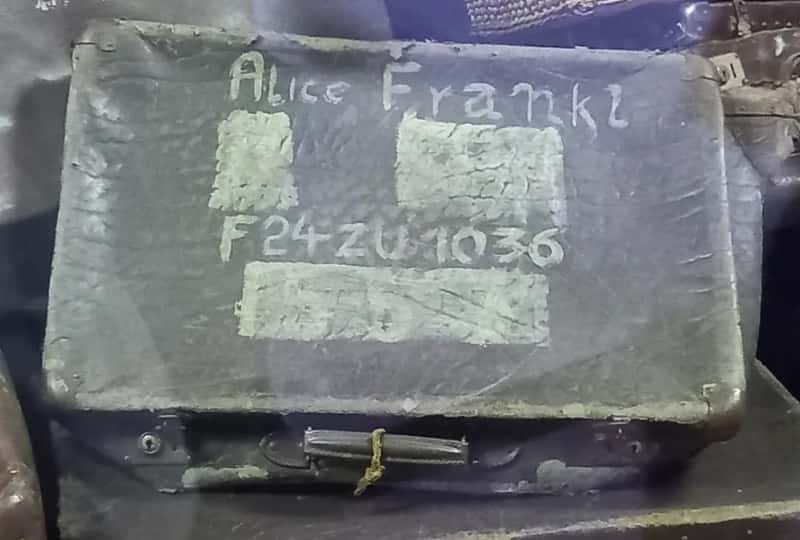
Inside these buildings are exhibits that document the mechanics of genocide: confiscated belongings, photographs, records, and rooms that outline how a modern state organised mass murder. The presentation is factual, restrained, and deliberate.
There is no attempt to dramatise what happened here as the facts are allowed to speak for themselves.

A few kilometres away lies Auschwitz II–Birkenau, the site most people recognise from photographs.
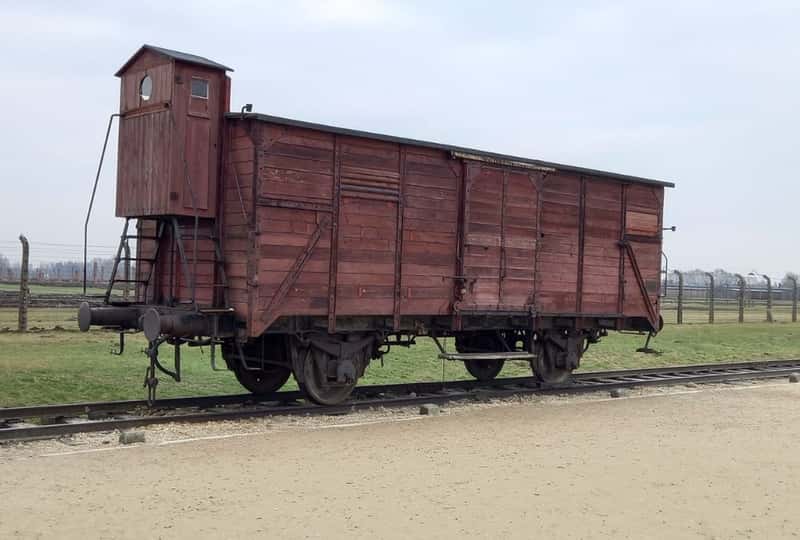
Here, the scale becomes impossible to ignore as rows of barracks stretch into the distance, and railway tracks run directly through the camp, terminating beside the remains of gas chambers destroyed by the Nazis as they retreated.
The chill of the wind moves through the open spaces as the distances between buildings force you to walk. This distance was not designed solely for efficiency, but for the number of people held captive.
It wasn’t until I saw the rows upon rows of pictures of the victims that it finally felt real. Walking the grounds, filled with other tour gudies never gives a sense of what happened here, to be able to look into the eyes of the lives lost while wearing their infamous ‘stripped pyjamas’ really brings the stark reality home.
What Makes Auschwitz Different

While many historical sites confront visitors with violence, war, or injustice, Auschwitz confronts bureaucratised cruelty.
Everything here was documented, categorised, timed, and repeated. The genocide carried out at Auschwitz was not the conudted through rage, but through careful planning.
Victims were transported by train, selected within minutes, and either exploited for labour or murdered immediately. Personal belongings such as shoes, glasses, prosthetic limbs, and even hair were processed, sorted and redistributed.
This systematic nature is what makes Auschwitz so difficult to comprehend. It challenges the comforting idea that atrocities are always driven by madness or loss of control.
Auschwitz shows what can happen when ideology, obedience, and indifference combine within a functioning society.
The Atmosphere of the Site Today

Auschwitz is a place that respects restraint.
There are no dramatic soundtracks, exaggerated displays, or attempts to guide visitors toward a particular emotional response.
The site relies purely on absence, such as its empty rooms, ruined structures, and preserved objects, to convey its meaning. Auschwitz remains silent not because it needs to be, but because anything louder feels inappropriate.
The landscape itself contributes to this atmosphere. The flat terrain, the repetitive architecture, and the sheer openness of Birkenau create a sense of exposure that is almost certainly intentional, allowing the Nazi guards to keep an eye on everything. There is nowhere to hide and nowhere to look away.
Visiting Auschwitz Responsibly

Auschwitz is open to the public because remembrance matters, but visiting carries responsibility.
This is not a place for performative grief, dramatic photography, or casual tourism. The museum actively discourages inappropriate behaviour, and visitors are expected to dress and behave respectfully. Photography is allowed in many areas, but be mindful of what types of pictures you take.
Guided tours are available and helpful for understanding context, but the site can also be visited independently. Either way, it is not a place to rush. Auschwitz resists being reduced to a checklist or an itinerary.
Why Auschwitz Still Matters
Auschwitz is not preserved to shock. It is preserved to warn future generations.
The Holocaust did not begin with camps or gas chambers. It began with language, laws, and social exclusion, when certain lives were labelled as lesser, when cruelty was normalised, and when silence became easier than resistance.
In a world where misinformation spreads quickly and historical denial still exists, physical places like Auschwitz matter deeply. They anchor memory in reality and prevent abstraction. They insist that what happened here was not symbolic, exaggerated, or distant; it was real, deliberate, and carried out by people.
Choices Shape History
Auschwitz does not offer closure, resolution, or comfort. It is a place that asks visitors not to feel a certain way, but to remember accurately and think responsibly. To leave without spectacle. To carry forward an understanding that history is not inevitable, it is shaped by choices, systems, and silence.
Auschwitz remains because forgetting is more dangerous than remembering.