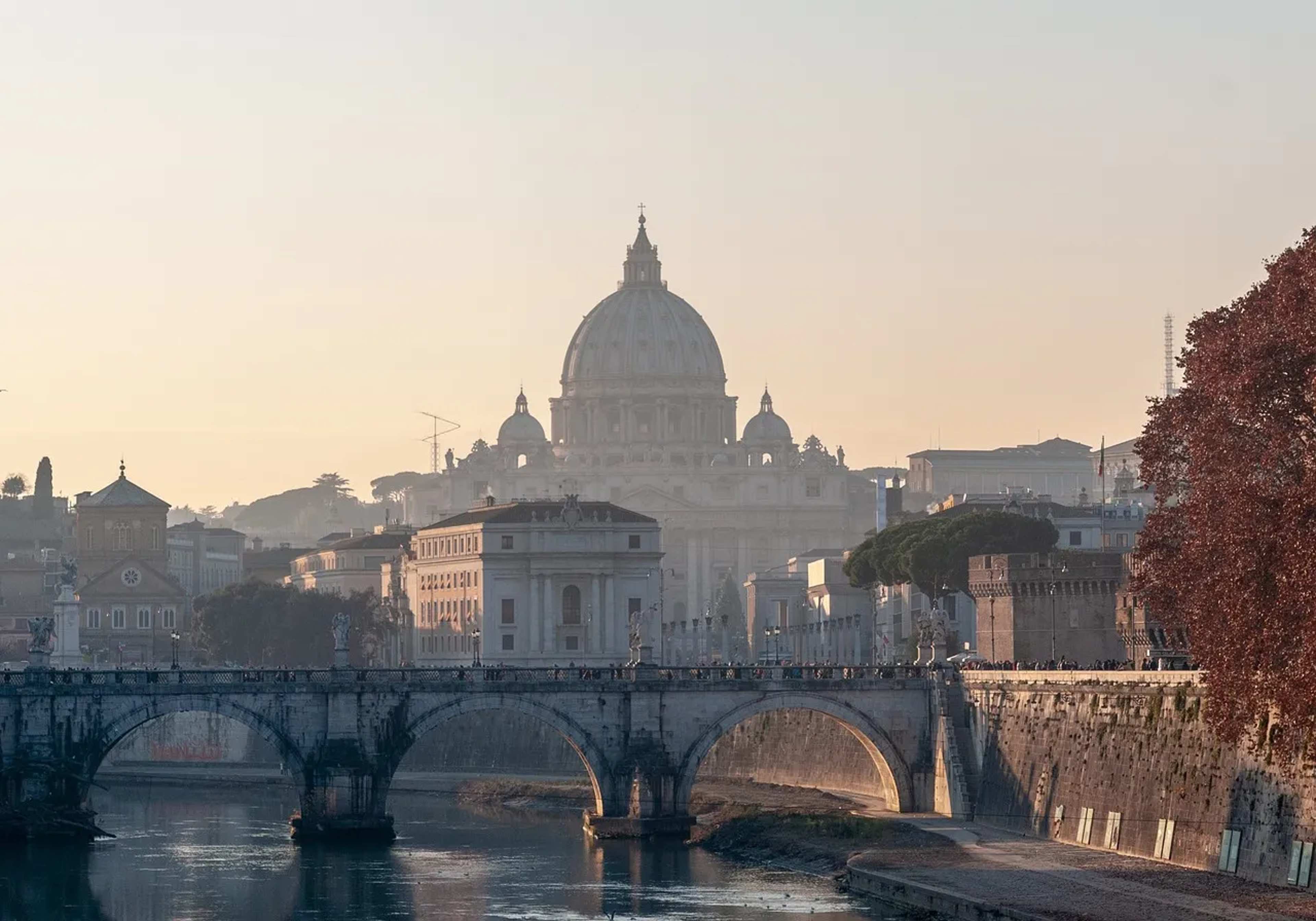
Step into Austria’s alpine valleys and you’ll discover something remarkable. Villages nestled between towering peaks where centuries-old traditions still pulse through cobblestone streets and wooden balconies drip with cascading geraniums. In order to preserve the original Alpbach architectural style in the long term, precise guidelines for new buildings were laid down in an ordinance in 1953, and these still apply today. The alpine architecture – always focusing on wood – gives the picturesque mountain village its special charm.
These aren’t museum pieces or carefully curated tourist attractions. They’re living, breathing communities where time moves at a different pace, where architectural traditions span centuries, and where the modern world feels refreshingly distant.
Hallstatt: The Lakeside Jewel Under Siege
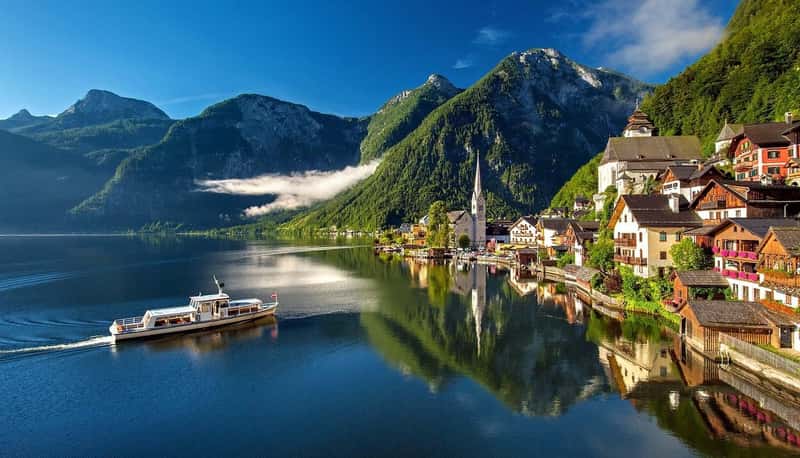
Tucked amid Austria’s Alpine region is the historic town of Hallstatt, where pastel-colored houses curve around a shimmering lake surrounded by soaring snowcapped mountains. Home to around 800 people, Hallstatt welcomes more than one million tourists each year, creating an almost surreal contrast between its timeless beauty and modern tourism pressures. The village’s traditional wooden houses appear suspended between crystalline waters and dramatic peaks, creating what many consider the world’s most beautiful lakeside setting.
The population of this UNESCO-protected spot is around 800, but its tourist numbers reportedly reach some 10,000 visitors a day. Hallstatt, which was built up around the salt mining industry, first reached widespread prominence in the early 19th century when it was “discovered” by romantic writers and artists. Yet beneath the tourist crowds lies a village with over 4,000 years of history, where salt mining shaped both prosperity and architectural development through the centuries.
Alpbach: The Most Beautiful Village in Austria
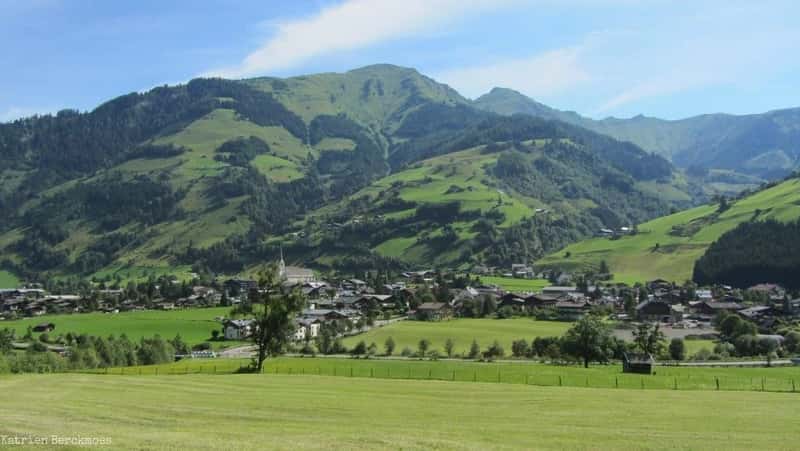
Apart from the fact that Alpbach is considered the “Most Beautiful Village in Austria”, the village is among the leaders in preserving old traditions. More than twenty hereditary farms (in German “Erbhof”) prove witness: on average, the farmsteads in the region have been in the individual families for over 300 years. This isn’t just preservation for show; it’s a living heritage where families have maintained their properties across generations.
As soon as you stand in the centre of Alpbach, you will immediately notice that tradition, customs and craftsmanship are very important to the inhabitants of this quaint mountain village, whose rich tradition stems from its long seclusion in an Alpine location: the connecting road to the valley has only existed since 1926. This isolation helped preserve architectural styles and cultural practices that might have been lost elsewhere. The village’s wooden chalets display intricate carvings and traditional Tyrolean design elements that have remained virtually unchanged for centuries.
In spring and summer, Alpbach’s award-winning floral splendour comes to life – and is enthusiastically admired by locals and guests alike. On the wooden balconies, on window sills and in the gardens, you can admire the lush variety of flowers. Every balcony tells a story through its carefully tended geranium displays, a tradition that transforms the village into a living garden during warmer months.
Architectural Time Capsules: Preserving the Past
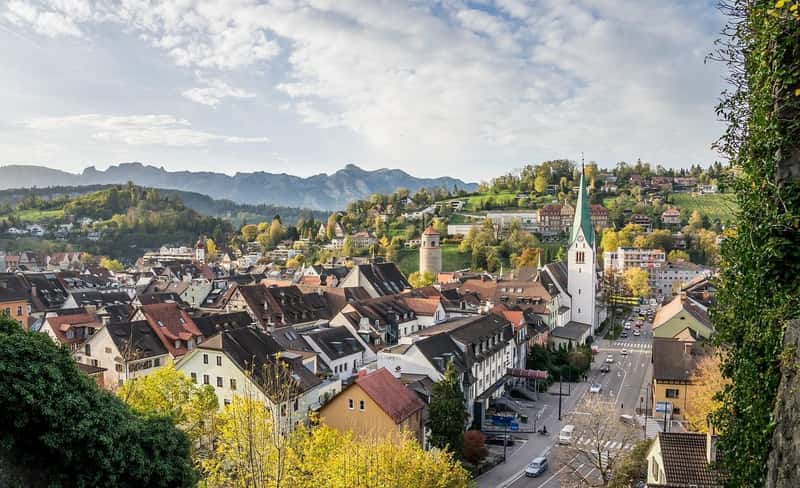
A state of award-winning architects and artisans, Vorarlberg certainly shows off its creativity with innovative architectural design, while respecting tradition. In the specific Bregenzerwald and Brandnertal regions of Austria’s westernmost state of Vorarlberg, this distinct culture of craftsmanship continues longstanding traditions with a twist, showing how preservation doesn’t mean stagnation. Villages here successfully blend centuries-old techniques with modern needs.
Famous for its picturesque alpine villages and salt mining history, this region features prehistoric settlement sites and stunning natural formations, showcasing the interaction between humans and the environment over millennia. These villages represent thousands of years of human adaptation to harsh alpine environments, creating architectural solutions that remain relevant today.
The Challenge of Climate Change

Austrian mountain villages are on the front lines of climate change, as rising temperatures and shrinking glaciers reshape the landscapes they have depended on for centuries. Communities that once relied on predictable winters, stable slopes, and abundant mountain water now face increasing risks—from reduced snowfall to landslides and changing tourism patterns. These challenges underscore the growing vulnerability of alpine life and the urgent need to adapt to a rapidly warming climate.
Tourism’s Double-Edged Impact
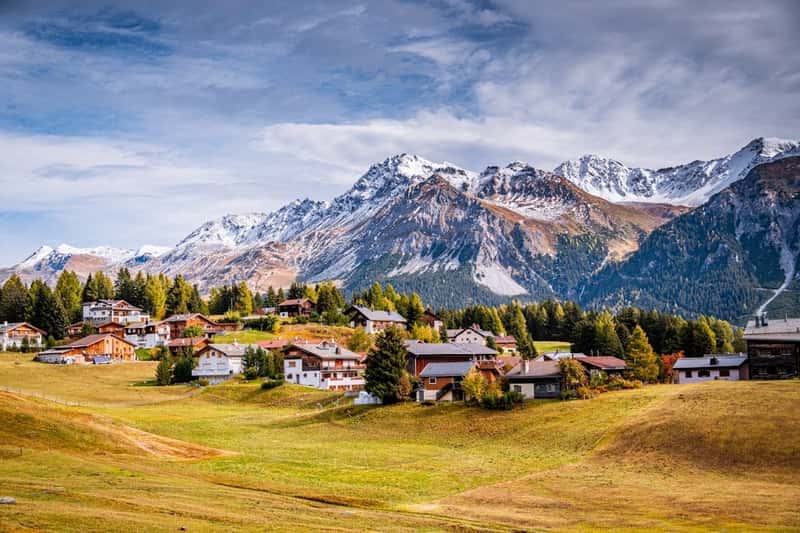
Tourism plays a vital but complicated role in Austria’s Alpine regions. While it brings essential income to mountain villages and sustains local economies, it also places added pressure on fragile environments already stressed by climate change. Growing visitor numbers increase demand for infrastructure, energy, and water, and can accelerate wear on delicate alpine ecosystems. As Austria works to protect its natural landscapes, balancing economic benefits with environmental responsibility has become a central challenge.
Living Traditions in a Modern World
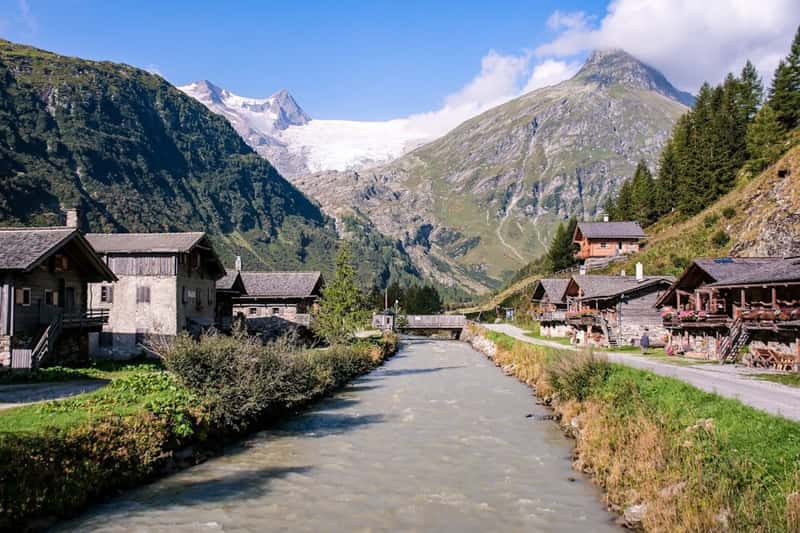
Experience going back in time exploring the well-preserved old buildings, cobbled streets, and friendly locals, coupled with the stunning views of the Alpine mountains. For these reasons, Austria is considered an ancient gem at the heart of Europe. These villages succeed because they’ve never stopped being communities first, tourist destinations second.
After hiking or skiing, wander through the quaint town with its classic alpine architecture and traditional Austrian restaurants. After hiking or skiing, wander through the quaint town with its classic alpine architecture and traditional Austrian restaurants. The rhythm of daily life continues despite tourist presence, with local businesses serving both visitors and residents according to seasonal patterns that have evolved over generations.
You will find many well-preserved historic small towns in Austria. The country has a conscious relationship with its cultural heritage and history, making it the land of beautiful historic towns and cities. This preservation isn’t accidental but reflects national values that prioritise cultural continuity alongside economic development.
Austria’s alpine villages represent something increasingly rare in our globalised world: places where time genuinely moves differently, where traditions aren’t performances but daily practices, where architecture serves community needs across centuries rather than quarterly profits. Yet they face unprecedented challenges from climate change, tourism pressure, and economic modernisation. Their survival depends on finding ways to remain authentically themselves while adapting to a rapidly changing world. These villages remind us that preservation isn’t about creating museums but about maintaining living cultures that honour the past while embracing sustainable futures.