Booking a flight online feels simple enough until the price climbs, the seat you wanted disappears, or you land at baggage claim only to realize the extra fees doubled your travel budget. Over 90% of travelers now do their research online, and more than four out of five end up making their booking online as well. With that much activity happening digitally, the opportunities to make a costly error have never been more plentiful. These are five of the most common mistakes travelers make when booking flights online, and what to do instead.
1. Booking at the Wrong Time in the Booking Window
One of the most stubborn myths in travel is the idea that there’s a magic day of the week to score cheap flights. The old “Tuesday at 3pm” booking advice is completely outdated. Modern airline systems don’t release inventory on specific days or times. Instead, they adjust continuously based on sophisticated algorithms that analyze demand, competitor pricing, and market conditions in real-time. That said, when you book relative to your departure date matters enormously. According to Expedia’s 2024 Air Travel Hacks report, travelers saved up to 24% on domestic flights by booking about 28 days before their trip.
The latest data from Expedia’s 2026 Air Hacks Report refines the picture even further. The most affordable booking window for domestic economy flights is 15 to 30 days before departure, averaging $130 less than bookings made more than six months out. International travelers can save $190 on average by booking 31 to 45 days ahead, instead of six months out. Google Flights analysis backs this up on the domestic side: domestic flight prices are typically at their lowest 21 to 52 days before travel, and on average, prices for flights within the U.S. bottom out 38 days before departure. Booking too early is just as costly a mistake as booking too late.
2. Ignoring Hidden Fees and Comparing Only Base Fares
The advertised ticket price is only the beginning of what you’ll actually pay. Airlines often advertise low fares, but hidden fees can add hundreds of dollars to your ticket price. These fees, like baggage charges, seat selection, and booking costs, now account for over 20% of airline revenue. The numbers are staggering at the industry level too: airlines collected over $5 billion in baggage fees last year, and another $4.2 billion from seat selection. Southwest, which had long been the lone holdout with its famous free-bags policy, abandoned its 50-year “bags fly free” policy in May 2025.
Seat selection fees alone can catch travelers completely off guard. The average preferred seat costs around $33, exit rows run about $48, and American Airlines charges up to $160 for extra legroom on international routes. A $100 airfare that looks like a deal on one airline could actually be more expensive than a $150 ticket on another airline after factoring in fees. The fix is straightforward: always calculate the total cost of the trip before clicking “book,” and use comparison tools that display all-in pricing rather than just the base fare.
3. Skipping Price Alerts and Passive Price Monitoring
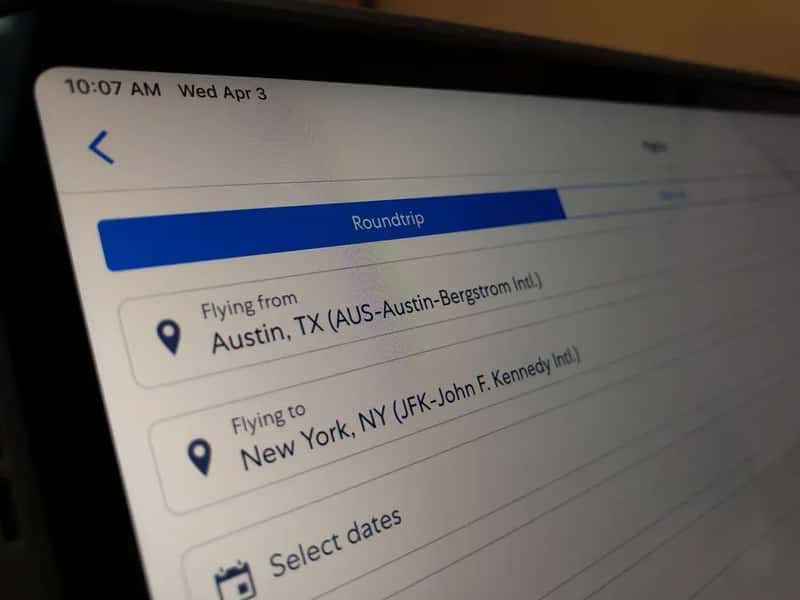
Most travelers search for flights a handful of times, pick a price they can live with, and book. That’s a passive approach in an environment where airfare can change multiple times per day. Fare alerts are like having a personal assistant for flight price monitoring, working around the clock to help you save money. Airfares can change multiple times a day, making it nearly impossible to keep up manually. Fare alerts solve this problem by tracking prices continuously, so you don’t have to keep refreshing websites. The financial impact of using these tools is real: in 2024, travelers who used fare alert tools saved an average of $297 per trip, and for international flights, real-time tracking led to a 37% reduction in costs.
Setting up price alerts is easier than most people think, and free options exist across multiple platforms. To set up price alerts on Google Flights, you simply search for your route and toggle the “Track prices” button, and you’ll get email notifications when prices change. Skyscanner has push notifications through its app that will alert you when prices drop. Fare alerts can help you catch flash sales, midweek price dips, and occasional discounts even during peak season. For travelers who are flexible on destination, those who are flexible on dates and destinations will score the best deals.
4. Flying on the Most Expensive Days Without Checking Alternatives

While the day you book matters less than most people assume, the day you actually fly has a measurable impact on price. Expedia’s Air Hacks report for 2026, which considered millions of flight data points, found that Fridays are now the best day to book both domestic and international flights, being 14% and 8% cheaper, respectively, than Sunday. When it comes to departure day, the data is even clearer. According to a 2025 Google report, the cheapest days to travel are Monday through Wednesday, averaging about 13% cheaper than flying over the weekend. That gap can translate into meaningful dollars saved per ticket.
Evening flights are also worth reconsidering when planning your itinerary. Flights that depart after 9 p.m. have a 57% higher chance of being cancelled compared to those that leave earlier in the day. Cancellations doubled in 2024, impacting 3.4% of flights. Flights departing between 9 a.m. and 3 p.m. face the lowest rate of cancellations. Choosing to fly midweek and during the morning or early afternoon is, therefore, not only cheaper on average, but also more reliable. August stands out as one of the most affordable months to travel, with flights averaging 29% cheaper than December, saving travelers roughly $120 per ticket.
5. Searching Only One Airport and Overlooking Flexible Routing

Travelers living near major metropolitan areas often default to the largest, most well-known airport without checking what nearby alternatives might offer. That habit can quietly cost hundreds of dollars per booking. Your departure airport can make or break the price: Fort Lauderdale, Las Vegas, and Orlando are the most affordable mainstream U.S. departure airports, with average fares about 25% lower than the national average. Washington Dulles, San Francisco, and New York’s JFK are among the most expensive airports to fly from. Checking a nearby airport before committing to a booking takes just a few extra minutes and can yield substantial savings.
The same principle extends to the destination side of the itinerary. Some cities have multiple airports, and picking the wrong one can lead to extra costs or even invalid bookings. Using the “All Airports” option or entering the city code will search all nearby airports at once. If you’re flexible, consider airports in nearby cities. For instance, Milwaukee can work for Chicago trips, or San Diego for Los Angeles. Combining flexible airport selection with the right booking window, price alert tools, and an awareness of hidden fees gives travelers a clear, data-backed advantage over those who simply accept the first fare they see.