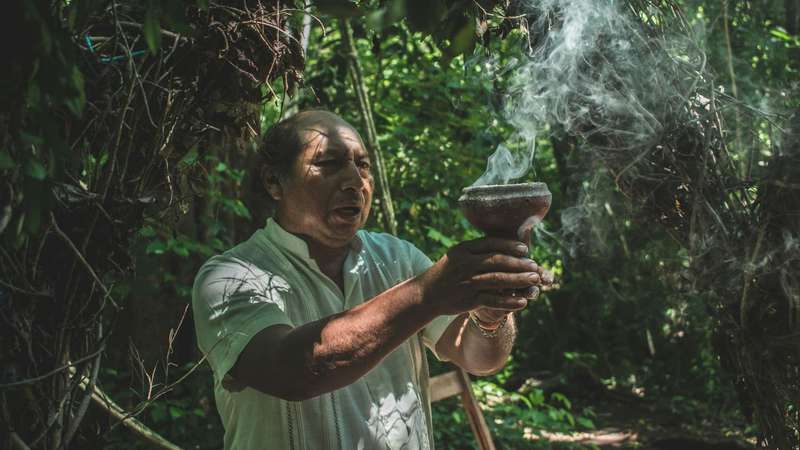
Global pressure on ayahuasca threatens Amazonian plants and knowledge systems – Image for illustrative purposes only (Image credits: Unsplash)
The surge in international interest in ayahuasca has shifted the beverage from a practice rooted in Amazonian Indigenous communities to a global commodity sought in retreats, urban centers, and research labs. This expansion now exerts measurable pressure on the two plants essential to its preparation and on the knowledge systems that have guided its use for generations. Leaders from affected communities warn that current patterns of collection and commercialization lack the safeguards needed to prevent long-term harm.
Why the timing raises concerns
Global demand for ayahuasca has accelerated in recent years as travelers from North America and Europe seek psychedelic experiences and as pharmaceutical researchers examine its reported effects on mental health conditions. The drink, known locally by names such as kamarãpe among the Ashaninka, relies on the caapi vine and the leaves of the chacrona plant. Both species grow in specific Amazonian habitats, and their availability has already shown signs of decline in some collection areas.
Without coordinated management, the supply chain that now serves distant markets operates largely outside traditional oversight. Indigenous leaders note that plants are frequently harvested without plans for regeneration, creating localized shortages that affect both ceremonial use and ecological balance.
Impacts on the plants and their habitats
The caapi vine and chacrona plant face direct pressure from increased harvesting volumes tied to tourism circuits and commercial production. In parts of the Brazilian Amazon, including areas in Acre state, community members report that the species are becoming harder to locate in quantities sufficient for sustained use. This scarcity emerges even as the plants remain central to longstanding cultural and medicinal practices.
Broader environmental stresses on the Amazon compound the issue. Deforestation and changing land-use patterns already limit suitable growing areas, so additional extraction for export-oriented supply chains accelerates the risk of depletion. Experts and community representatives describe the situation as one in which a key forest resource is being drawn down faster than natural recovery can occur.
Effects on Indigenous knowledge and governance
Alongside the ecological strain, the movement of ayahuasca into nontraditional settings raises questions about how associated knowledge is shared and controlled. Practices once transmitted within specific communities now appear in therapeutic and commercial contexts that often operate at a distance from the original stewards. This shift can reduce the role of Indigenous governance in determining appropriate use and conservation measures.
Community leaders, including Benki Piyãko of the Ashaninka people, have described the overall pattern as the erosion of one of the world’s largest natural pharmacies. The concern centers not only on plant availability but also on the loss of context that has historically ensured responsible stewardship and transmission of knowledge across generations.
What matters now
Stakeholders across the Amazon are calling for clearer rules on harvesting, cultivation support for the key species, and greater involvement of Indigenous authorities in decisions about commercial use. These steps would address both the immediate supply pressures and the longer-term protection of cultural systems tied to the plants.
Paths forward for affected communities
Some Indigenous groups are exploring cultivation projects and strengthened local protocols to meet demand while maintaining control over resources. These efforts aim to balance external interest with the need to preserve plant populations and the knowledge required to use them sustainably. International actors in tourism and research face parallel questions about how their activities align with conservation and equity goals.
The outcome will depend on whether supply chains develop meaningful oversight and whether the benefits of expanded interest reach the communities that have maintained these practices over centuries. Continued monitoring of plant populations and open dialogue with Indigenous representatives remain central to any durable response.