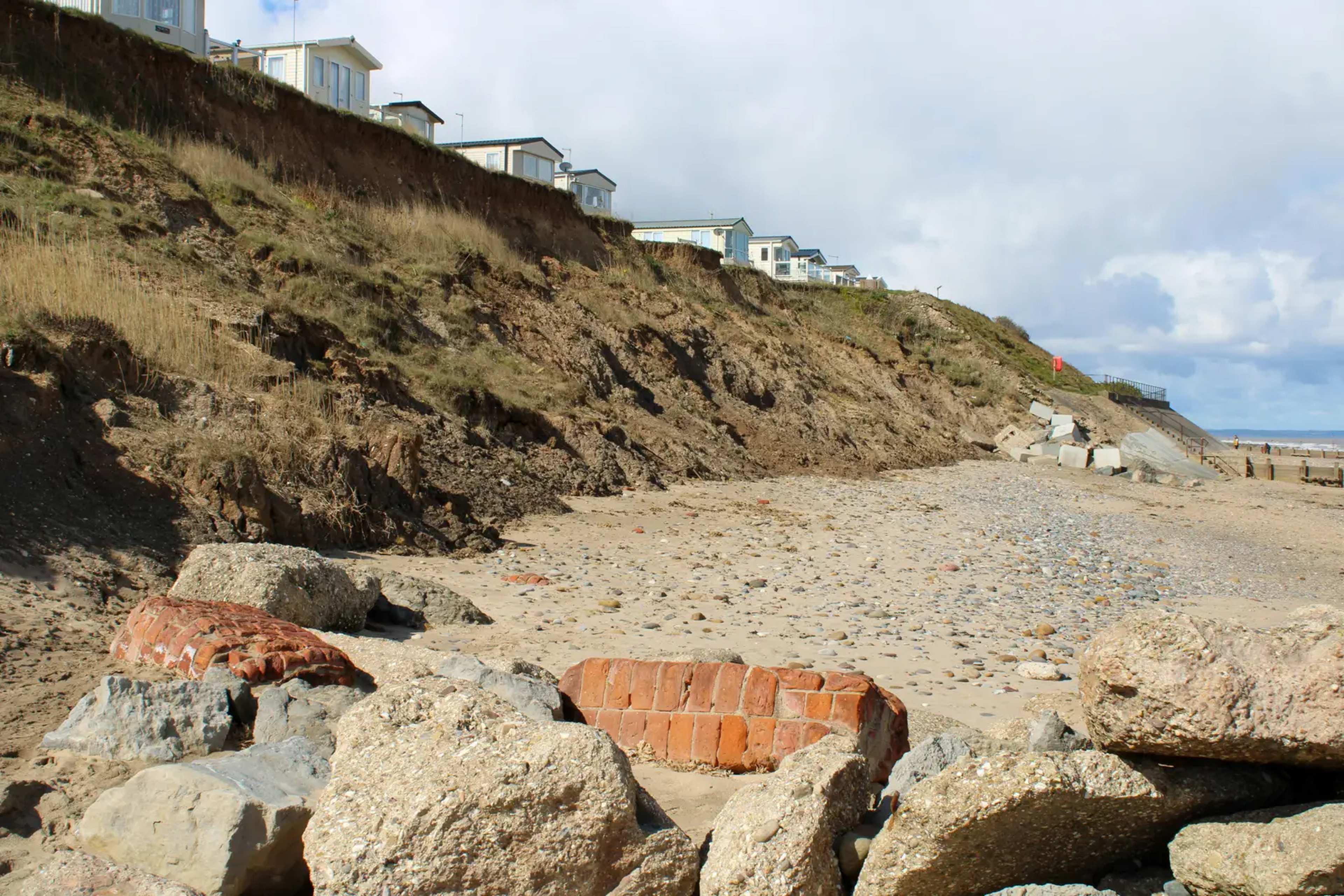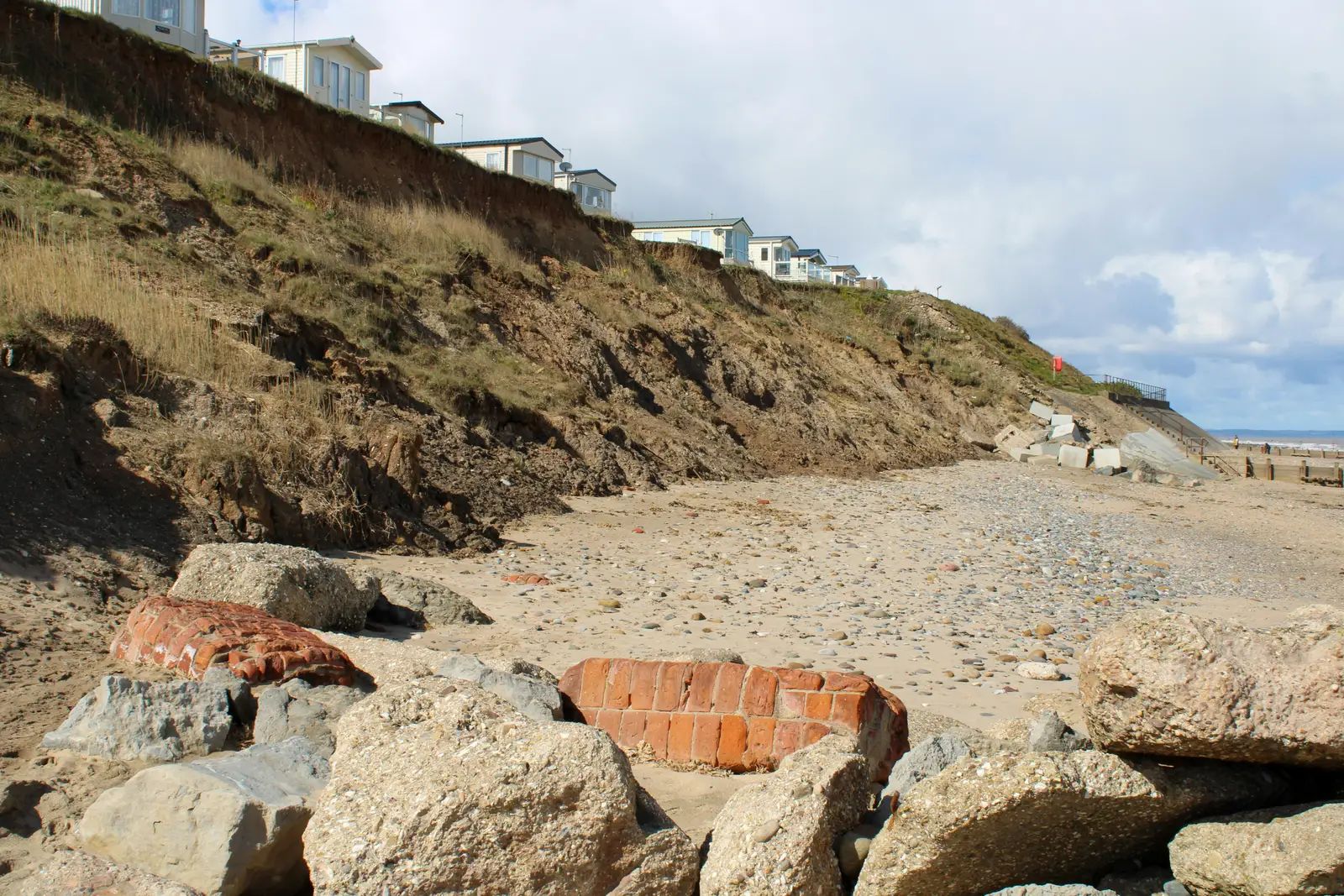
Ayetoro, southwestern Nigeria – The Atlantic has already claimed parts of this coastal settlement, leaving the broken outlines of former buildings half-submerged where the shoreline once stood firm. Fishing boats still put out from the remaining stretch of beach, their engines mixing with the steady crash of waves and the calls of birds that continue to arrive each autumn. What remains of the adjacent wetland now faces the same steady advance of water that has reshaped daily life for residents.
Shoreline retreat reshapes daily routines
Coastal erosion has moved the high-water mark inland at a measured pace, averaging more than ten meters each year between 2010 and 2020. Residents watch familiar landmarks disappear beneath the surf, forcing adjustments to boat landings, footpaths, and the placement of temporary structures. The soundscape has shifted as well: where solid ground once buffered the village, open water now carries the noise of waves directly into the remaining settlement. The physical loss extends beyond buildings. Sections of wetland that once offered sheltered feeding areas are being inundated or stripped of vegetation, reducing the buffer that once protected both people and wildlife from storm surges. Local fishers report having to travel farther for the same catches as nearshore habitats change.
Wetland serves as vital stopover for long-distance migrants
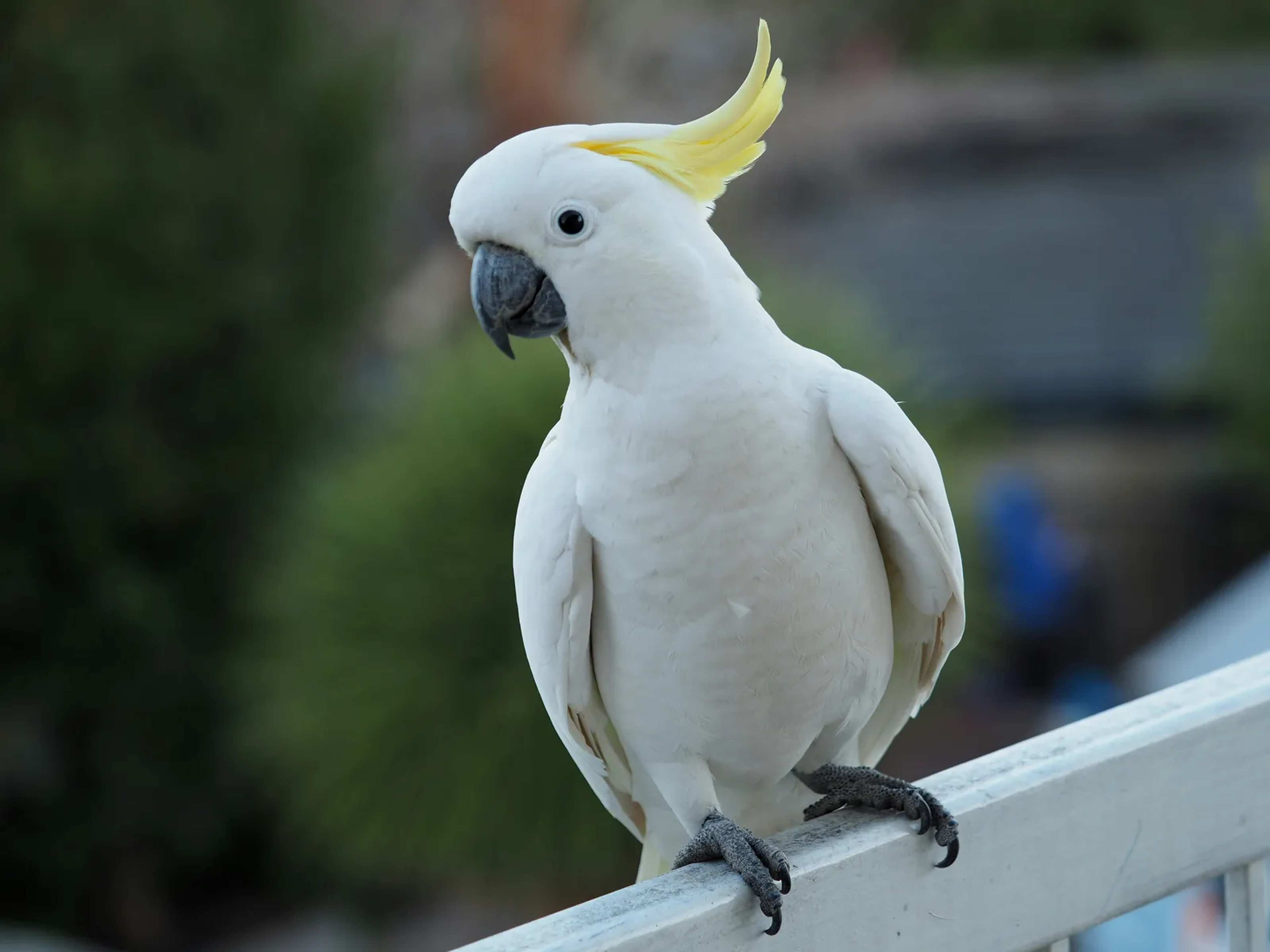
Each year between October and January, flocks of waterbirds reach Ayetoro after journeys spanning thousands of kilometers from northern breeding grounds. The wetland provides essential resting and feeding habitat during the Northern Hemisphere winter for species such as Eurasian curlews, whimbrels, and common sandpipers. These visits form one link in a chain of sites that sustain billions of migratory birds annually. As the wetland shrinks, the reliability of that stopover diminishes. Birds that once found consistent food and shelter now encounter altered conditions, raising questions about how populations will adjust if similar losses occur at other points along their routes. The site’s value lies not only in its location but in the timing it offers weary migrants before they continue southward.
Community volunteers track changes on the ground
Members of local volunteer groups, supported by the Nigerian Conservation Foundation, conduct regular counts to document which species arrive and in what numbers. Participants receive a modest stipend for their work, which includes identifying birds, recording population data, and gathering behavioral observations along with photographic records. The effort runs in parallel at two additional Nigerian wetlands under the same program. These counts supply the baseline information needed to detect shifts in arrival dates, species composition, or overall abundance. Without sustained local involvement, such trends would remain invisible to conservation planners working across broader regions.
Coordinated monitoring across eleven coastal nations
The Ayetoro work forms part of the Climate-Resilient East Atlantic Flyway project, which links monitoring and habitat management efforts in eleven countries along Africa’s Atlantic coast. Funding comes from Germany’s International Climate Initiative, allowing standardized methods and data sharing among sites that together support the same flyway populations. Project partners emphasize that protecting remaining wetlands requires both local stewardship and regional coordination. Data collected at Ayetoro contributes to a larger picture of how coastal habitats are responding to ongoing shoreline change. The steady loss of land at Ayetoro illustrates a direct connection between habitat disappearance for people and for the birds that depend on the same narrow strip of coast. How the remaining wetland will fare in coming seasons remains an open question for both the community and the migratory species that still return each winter.