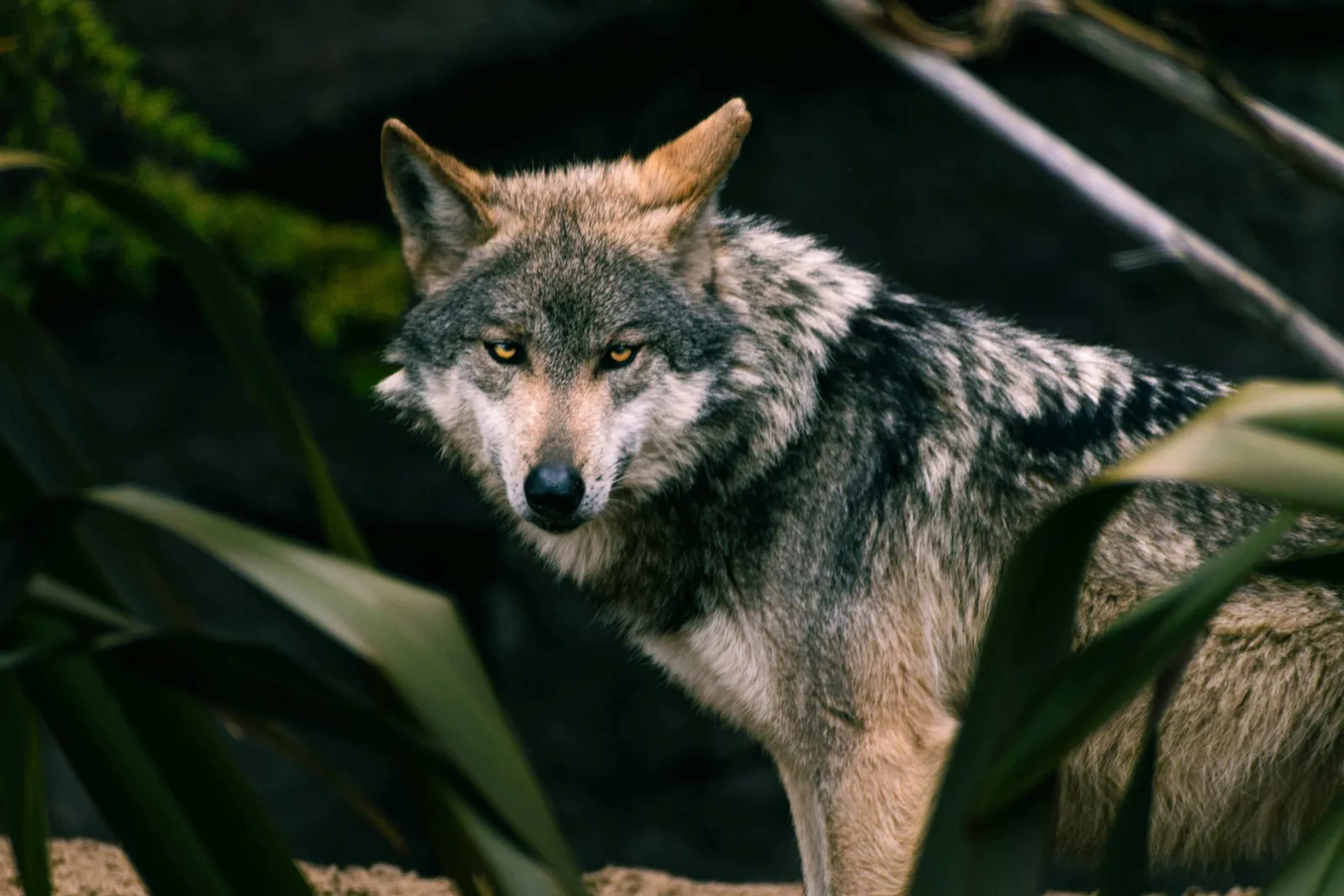
Bangladesh is set to carry out its first release of a tiger rescued from a poacher’s trap and restored to health. The female Bengal tiger, estimated at around 10 years old, was pulled from a snare in the Sundarbans East division earlier this year. Forest officials say the animal has recovered enough to return to the wild in the coming days.
The Rescue in the Mangrove Forest
On January 4, the Bangladesh Forest Department responded to reports of an injured tiger in the Chandpai and Sarankhola ranges. The animal had been caught in a wire snare intended for deer. Responders found the tiger severely wounded on its left foreleg and moved it immediately to the Khulna Wildlife Rescue and Rehabilitation Center. The operation marked a rare intervention in one of the world’s largest mangrove systems. Staff worked quickly to stabilize the animal before transport. The Sundarbans East division covers a significant portion of the 6,017-square-kilometer forest that straddles Bangladesh and India.
Recovery at the Rehabilitation Center
Veterinary teams at the Khulna facility provided ongoing care for the tiger’s injuries. The snare had caused deep damage that required sustained treatment and monitoring. Over several months the animal regained strength and mobility. Divisional forest officer Md Rezaul Karim Chowdhury confirmed the progress. “We rescued the tiger from a snare set for deer poaching. After receiving adequate care, the tiger is now ready to return to the wild. We are planning to release her in a few days,” he said. The center’s work represents the first time Bangladesh has brought a poaching victim this far toward freedom.
Why This Release Matters
The 2024 tiger census counted 125 Bengal tigers living in the Sundarbans. The Chandpai-Sarankhola block holds the highest concentration, reflecting richer prey populations that support the apex predators. Releasing a healthy adult female back into this area could help maintain that balance. Poaching pressure remains a persistent threat across the mangrove landscape. Snares set for other species often injure or kill tigers incidentally. Successful rehabilitation and release demonstrate that targeted rescue efforts can counter some of those losses.
Looking Ahead in the Sundarbans
Officials have not disclosed the precise release site, citing security for the animal. The tiger will be monitored after return to assess how well she readjusts to the forest. The episode offers a concrete example of how rescue infrastructure can support long-term conservation in the region. The Forest Department continues to track tiger numbers and habitat conditions across the divided blocks of Chandpai-Sarankhola, Khulna, and Satkhila. Each verified release adds data on survival rates for animals that have survived human-wildlife conflict.