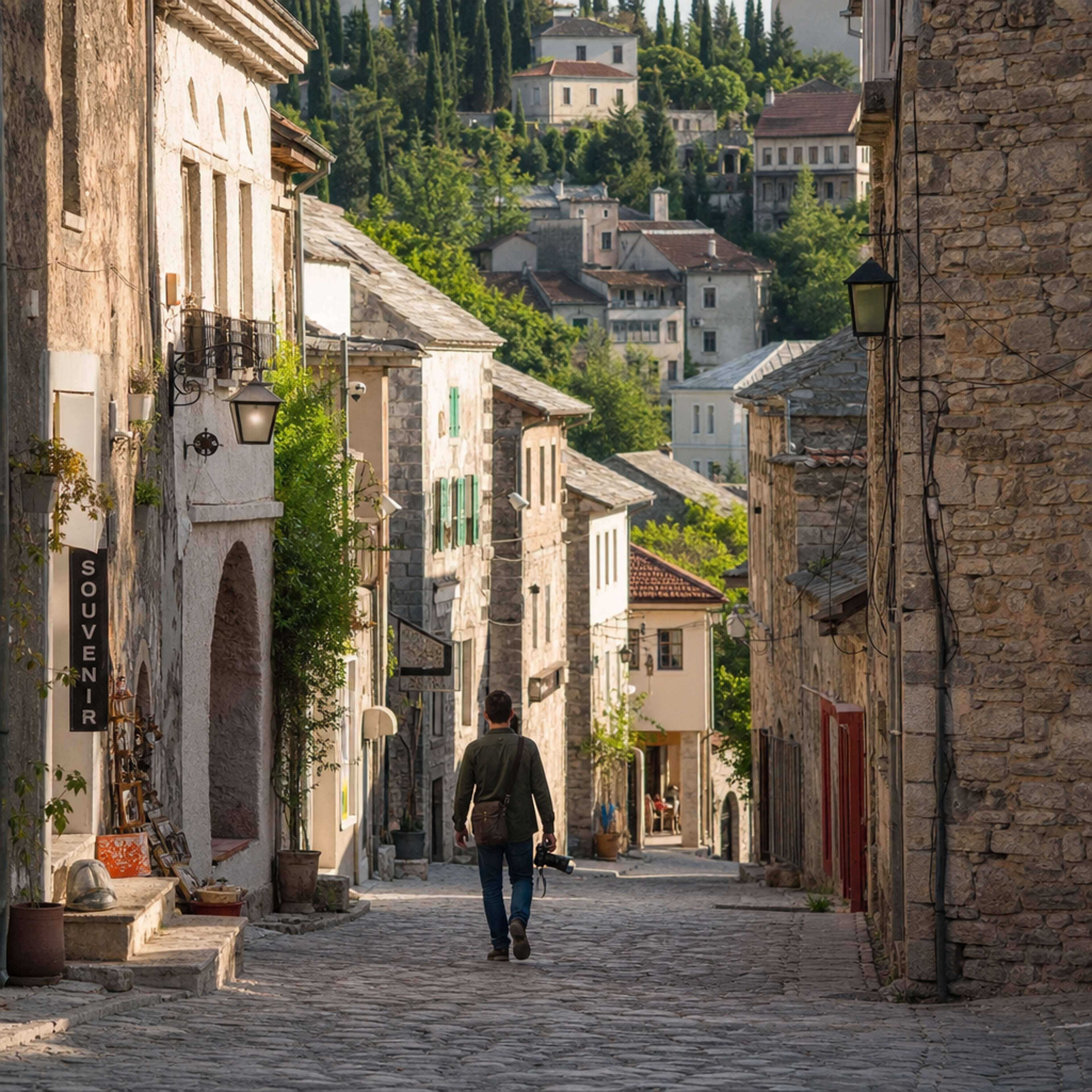

The Gothic Quarter, or Barri Gòtic, is Barcelona’s oldest neighborhood and one of its most fascinating, filled with history, culture, and charm at every corner. Its narrow streets, shaded by tall stone buildings, twist into hidden squares that suddenly open up to reveal fountains, churches, or lively cafés. This is the place where Roman ruins meet medieval cathedrals, and where modern street performers bring life to ancient plazas. Walking through the Gothic Quarter is like flipping through the pages of a history book, except you are living inside the story. Best of all, you can experience most of its magic without spending much money at all.
Budget travelers will find the Gothic Quarter a perfect destination because many of its highlights are free or very affordable. The architecture, the plazas, and the atmosphere are all available just by walking and exploring at your own pace. You don’t need expensive tours to appreciate the grandeur of the Barcelona Cathedral or the quiet beauty of hidden squares like Plaça Sant Felip Neri. Street musicians, local markets, and simple tapas bars keep the experience vibrant without breaking your wallet. It’s a neighborhood that rewards curiosity more than spending, making it ideal for slow and thoughtful travel.
Three days give you enough time to explore the Gothic Quarter fully while keeping the pace relaxed. You can balance must-see sights like the Roman walls and Plaça del Rei with smaller, unexpected discoveries along the way. Mornings are perfect for history and architecture, while afternoons can focus on food, markets, and people-watching. Evenings bring out a different side of the neighborhood, as lanterns light up alleys and families gather in lively squares. By dividing your days carefully, you can get the most out of the Gothic Quarter without rushing or overspending.
Day One Morning: Barcelona Cathedral & Hidden Squares
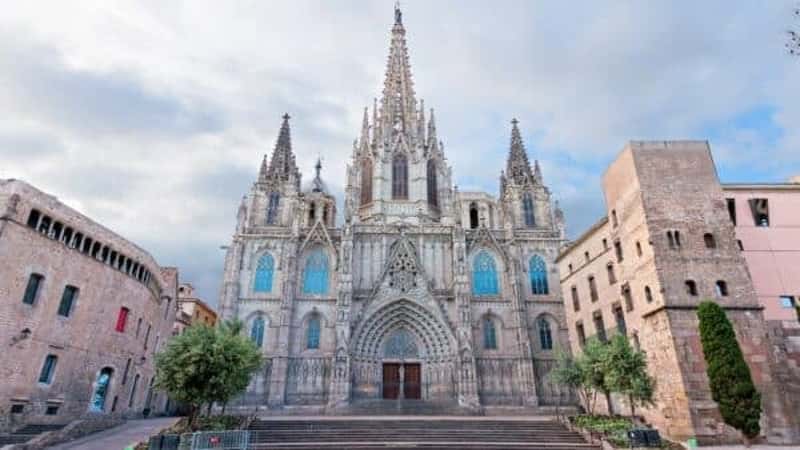
Start your journey at the Barcelona Cathedral, a stunning landmark that anchors the Gothic Quarter. Its impressive Gothic façade, soaring spires, and intricate carvings create a sense of awe even before you step inside. During certain hours, entry is free, and the interior cloister filled with palm trees and white geese offers a peaceful contrast to the bustling square outside. Musicians often perform nearby, turning the plaza into an open-air concert that costs nothing to enjoy. The cathedral is both a cultural highlight and an introduction to the vibrant street life that defines the area.
A short walk takes you to Plaça Sant Felip Neri, one of the Gothic Quarter’s most moving and atmospheric corners. The square is quiet and shaded, with a small fountain at its center, but its walls still bear scars from bombings during the Spanish Civil War. Children often play here, creating a bittersweet contrast between innocence and memory. Visitors pause to reflect, photograph, or simply sit and take in the powerful atmosphere. It’s a reminder that history is not just grand monuments but also the silent traces left on everyday spaces.
Day One Afternoon: Roman Walls & Plaça del Rei
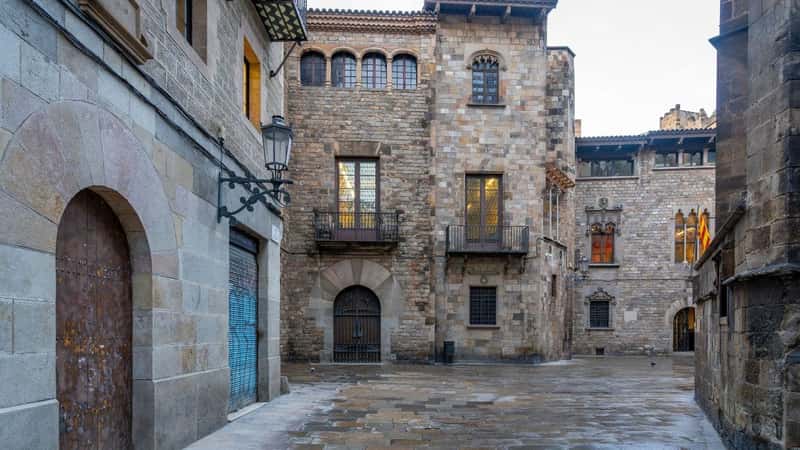
In the afternoon, explore the remains of the Roman walls that once protected the ancient city of Barcino. These ruins are tucked between modern streets, and seeing them reminds you how many layers of history exist in the Gothic Quarter. They cost nothing to visit and add incredible depth to the experience of walking through the area.
The stones have stood for nearly two thousand years, weathered but strong, making them some of the most authentic sights in the city. They turn a casual walk into a lesson in resilience and continuity.
Just around the corner lies Plaça del Rei, one of the most iconic squares in the Gothic Quarter. Surrounded by grand medieval buildings, this was once the political heart of Barcelona. The atmosphere feels regal, with tall Gothic arches and historic palaces framing the open space. Today, the square is a peaceful place where people stop for photos, listen to street music, or simply enjoy the surroundings. It’s one of the best spots to understand both the power and elegance of medieval Barcelona.
Day Two Morning: Carrer del Bisbe & Plaça Sant Jaume
Begin your second day at Carrer del Bisbe, the famous street known for its Neo-Gothic bridge. The ornate bridge connects two historic buildings and has become one of the most photographed landmarks in the city. Walking under it feels like stepping into a postcard, with stone walls and cobblestones creating a cinematic atmosphere.
The street itself is lined with details that reward slow exploration, from carved doorways to hidden courtyards. It’s proof that in the Gothic Quarter, even a short street can be an attraction in itself.
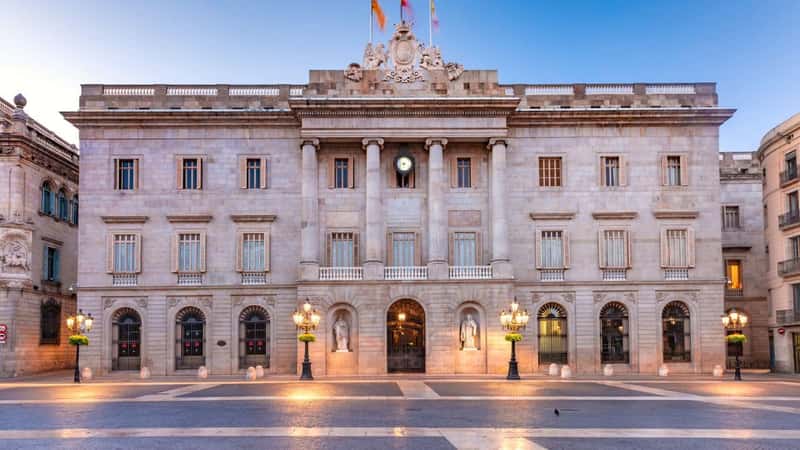
From here, head to Plaça Sant Jaume, the political center of Barcelona since Roman times. Today it is home to both the City Hall and the Palau de la Generalitat, the seat of Catalan government. The square is always lively, filled with locals, demonstrations, and street performers, making it a true window into the city’s present as well as its past. Families and travelers stop here to rest, take photos, or watch the activity unfold. It’s a reminder that the Gothic Quarter is not just history—it’s also the beating civic heart of Barcelona.
Day Two Afternoon: Plaça Reial & Budget Tapas
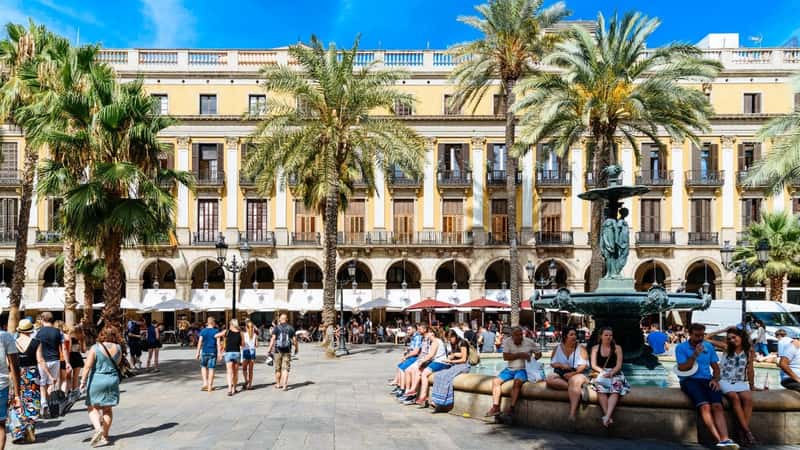
Spend your afternoon in Plaça Reial, a grand square lined with palm trees, arcades, and Gaudí-designed lampposts. During the day, it’s a relaxing place where you can sit on a bench and people-watch as the square fills with life. In the evenings, the atmosphere becomes even livelier, with cafés and restaurants spilling out into the open air.
For budget travelers, it’s enough to soak in the atmosphere without needing to spend a lot. The energy of the square captures Barcelona’s festive spirit perfectly.
This is also a great time to enjoy budget-friendly tapas in the surrounding side streets. Instead of sitting in the square itself, where prices are higher, wander just a few steps away to find family-owned bars. Small plates like patatas bravas, pan con tomate, and croquetas are both affordable and delicious. Sharing several tapas with friends or family gives you a taste of Catalan culture without overspending. It’s one of the most satisfying and social ways to eat on a budget in Barcelona.
Day Three Morning: La Boqueria Market & Rambla Side Streets
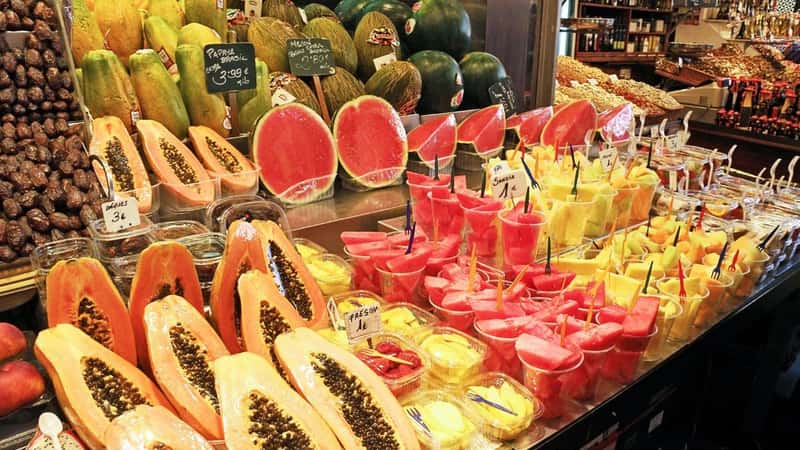
Start your final day at La Boqueria Market, Barcelona’s most famous food market. The stalls overflow with colorful fruits, fresh seafood, local meats, and sweets that tempt every visitor. Even if you don’t buy much, walking through the market is a feast for the senses, and many vendors sell affordable snacks.
A fresh juice or a small plate of tapas can be enjoyed for just a few euros, making it a budget-friendly food experience. The lively sounds and aromas create an energy that feels uniquely Barcelona.
After exploring the market, wander into the side streets off La Rambla. These smaller alleys quickly lead back into the heart of the Gothic Quarter, away from the tourist crowds. You’ll find quirky shops, hidden squares, and cafés where locals sip coffee without the inflated prices of the main street. It’s the perfect place to pick up affordable souvenirs or just enjoy the quieter rhythm of daily life. These side streets prove that some of the best discoveries come when you step off the busiest paths.
Day Three Afternoon: Museu d’Història & Tranquil Evening Strolls
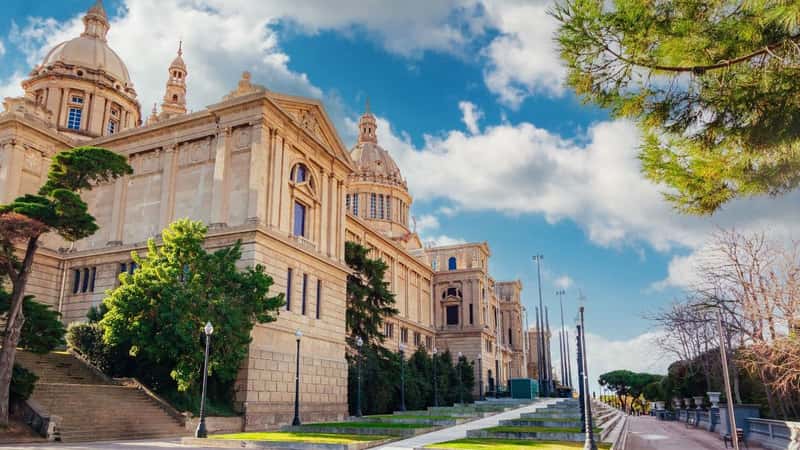
In the afternoon, visit the Museu d’Història de Barcelona, which houses Roman ruins beneath Plaça del Rei. Entry is affordable, and the underground site reveals streets, workshops, and mosaics from the city’s earliest days. Walking through the ruins feels like descending into another world, far removed from the busy plazas above. It’s an incredible value for the insight it gives into Barcelona’s deep history. Few budget experiences provide such a rich perspective on the city’s evolution.
End your three-day journey with a relaxed evening stroll through the Gothic Quarter’s smaller plazas. Plaça del Pi, with its beautiful church, and Plaça George Orwell, with its laid-back vibe, are both perfect for soaking in the atmosphere. As night falls, lanterns light up the narrow alleys, and musicians play soft tunes in the background. Families, couples, and solo travelers all share the streets, creating a warm and welcoming energy. It’s the kind of ending that makes you realize the Gothic Quarter is not just a place to see, but a place to feel.