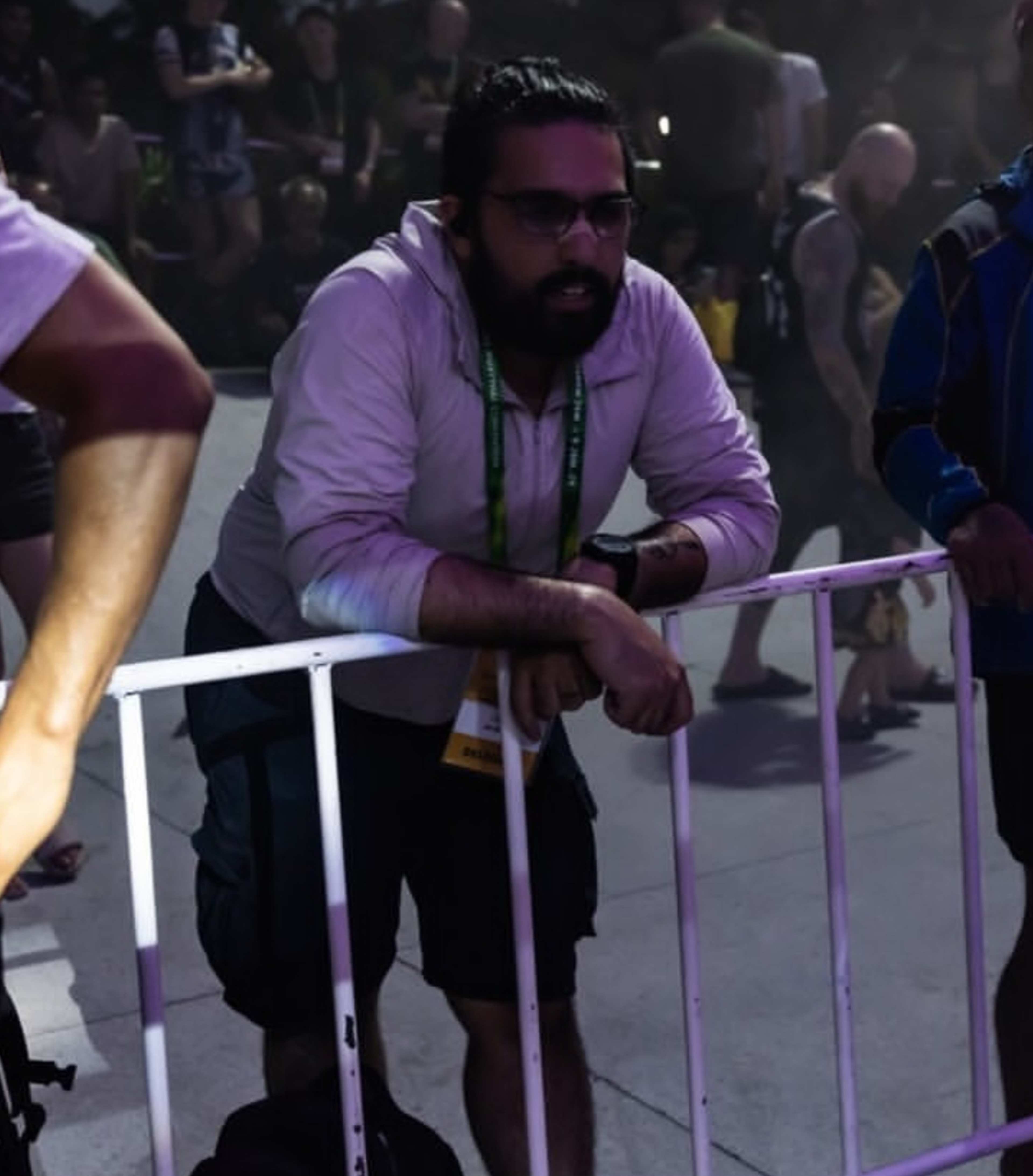

Last year, my wife and I traveled to Barcelona to scope the city and see if we wanted to move there. While we ultimately chose otherwise due to logistical challenges, the city has stuck with me long after moving. Walking through its cobblestone streets, I fell in love with how connected to its history the city seemed to be. Sure, America had places like Boston, Philadelphia, or Washington DC, but these seem to have their history set in specific areas within the city, while the rest is modernized.
Meanwhile, history is ingrained in the very architecture of Barcelona. What’s especially interesting to me is how the city’s identity lives in the tension between what’s finished and what’s still becoming. Let me explain.
Finished Monuments vs. Unfinished Ideals
Towards the bottom of La Rambla, near the pier, stands the Columbus Monument. This monument was constructed to depict Christopher Columbus shortly after his return from the Americas, symbolically if not literally pointing towards the country as a gesture of progress.
Maybe I was a little inexperienced in monument structure, but it seemed huge to me. While Columbus is undeniably a controversial figure in modern history, the government of Spain decided to leave the monument as it is, but to encourage discussion around the legacy it leaves. It is a complete picture whose meaning is shifting day by day.

On the other hand, there is the Basilica de la Sagrada Familia at the heart of the city. Unlike the Columbus Monument, the Sagrada Familia was still under construction while I was there. However, if the Columbus Monument was huge, the Basilica was positively colossal.
Due to the original architect’s sudden death, construction has continued over the years using excerpts of his work to determine his creative intent. This has resulted in the Basilica having multiple points that can clash with each other, some portions adhering to the original vision and others taking a more modern approach.

When I first saw it, I was so awe-struck that I had to sit at a nearby cafe and stare at the thing for at least an hour or two. It was just so massive, so complex in its design that I could look at one square inch at a time and find something fascinating to admire about it. And yet, in spite of how awe-inspiring it is, it is ultimately an unfinished project. I’m not denigrating it by any means; it’s a display of collaboration through generations, but it is still growing, still developing. In other words, a perfect symbol of what I’m talking about regarding Barcelona’s connection between the past and present.
Ancient Streets, Modern Conflicts
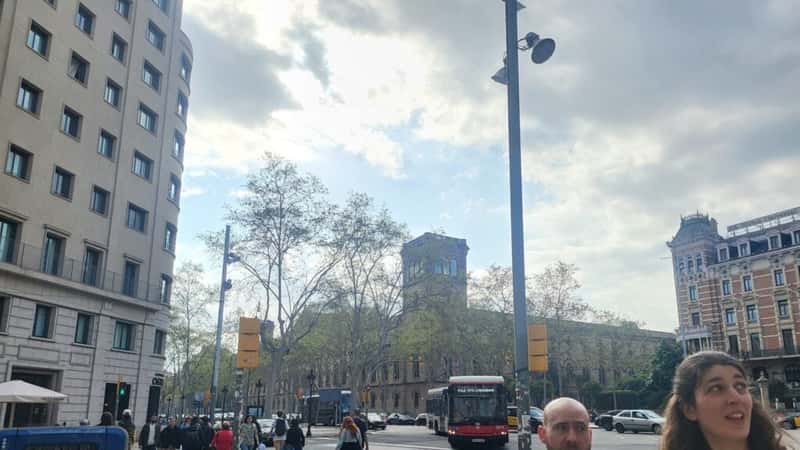
When my wife and I visited Barcelona, we opted to stay in El Raval, a neighborhood near the Gothic Quarter. I chose this spot because I was simply trying to be thrifty, so I had no idea that it was a slightly rougher part of town.
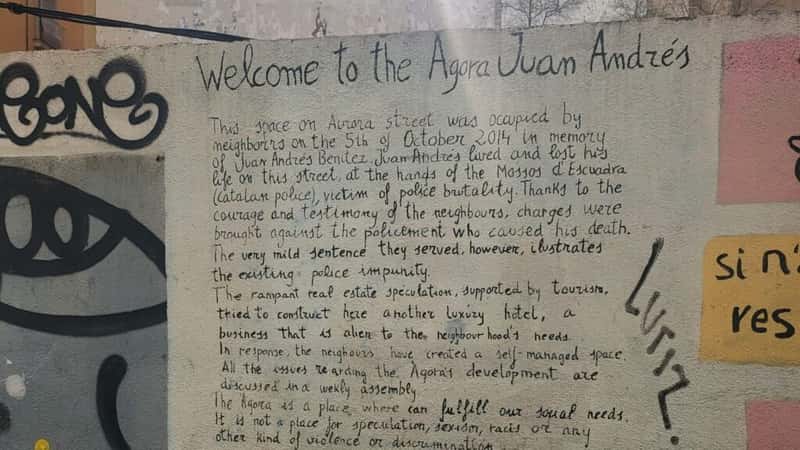
Raval is not the pristine Barcelona shown in its monuments. Rather, El Raval is the gritty, hearty part of the city, in my opinion. Graffiti lines the walls of the narrow side streets while food vendors and markets tempt you with wares from across the globe, especially from the Middle East. I will say I had some of the best baklava I’ve ever had in my entire life there, and would totally visit again.

However, talking with some friends there and a bartender or two, I learned that Barcelona, like many corners of the world today, is struggling with an affordable-housing crisis of its own. Gentrification is a thing there, too, and people there are simply trying to make ends meet. It felt like I had been introduced to the city with its gloves on, and didn’t get to really shake its dirty hands until I walked the streets of El Raval and actually talked to the people there.
What Stays with Me
It’s pretty obvious that I’m still pretty fascinated with Barcelona, and will probably be visiting, if not living there, very soon. The city is such an interesting display of the contrasts between the old and the new, as well as the unresolved tension between splendor and difficulty. Sipping a coffee at one of its cafes, I hope that I’ll be able to convey the beauty of that coexistence in more detail to you. To rip off Ralph Waldo Emerson just a little, we must carry the beauty of these places with us wherever we go, or we miss the whole point altogether.