Anyone who has tried to buy stamps, a loaf of bread or a phone charger at half past two in the afternoon knows the small shock of a lowered shutter. In a good part of the world, the middle of the day still belongs to lunch, rest and family rather than to the cash register. The custom has softened in big cities, yet it hasn’t disappeared.
Below are seven countries where the afternoon pause still shapes how shops keep their hours. Some of them lean on centuries of habit, while others mix tradition with modern retail. Knowing the pattern can save you a wasted trip, and it may change how you plan a day abroad.
Spain
Most closures happen between 2pm and 5pm, and small shops often shut during those hours while supermarkets and shopping centres typically stay open.[1] The habit is tied to the heat, since the break was designed to avoid the hottest hours of the afternoon, especially inland where summer temperatures can approach 40°C.[2] That is why a quiet village can look almost abandoned at 3pm.
The pause isn’t a sign of a short working day. Many independent shops open around 10am, close for a long break in the early afternoon, then reopen around 4:30pm or 5pm and trade until 8pm or 8:30pm.[3] Big names don’t follow the rhythm, because department stores such as El Corte Inglés and major fashion chains usually run continuously from 10am until 10pm.[4]
Italy
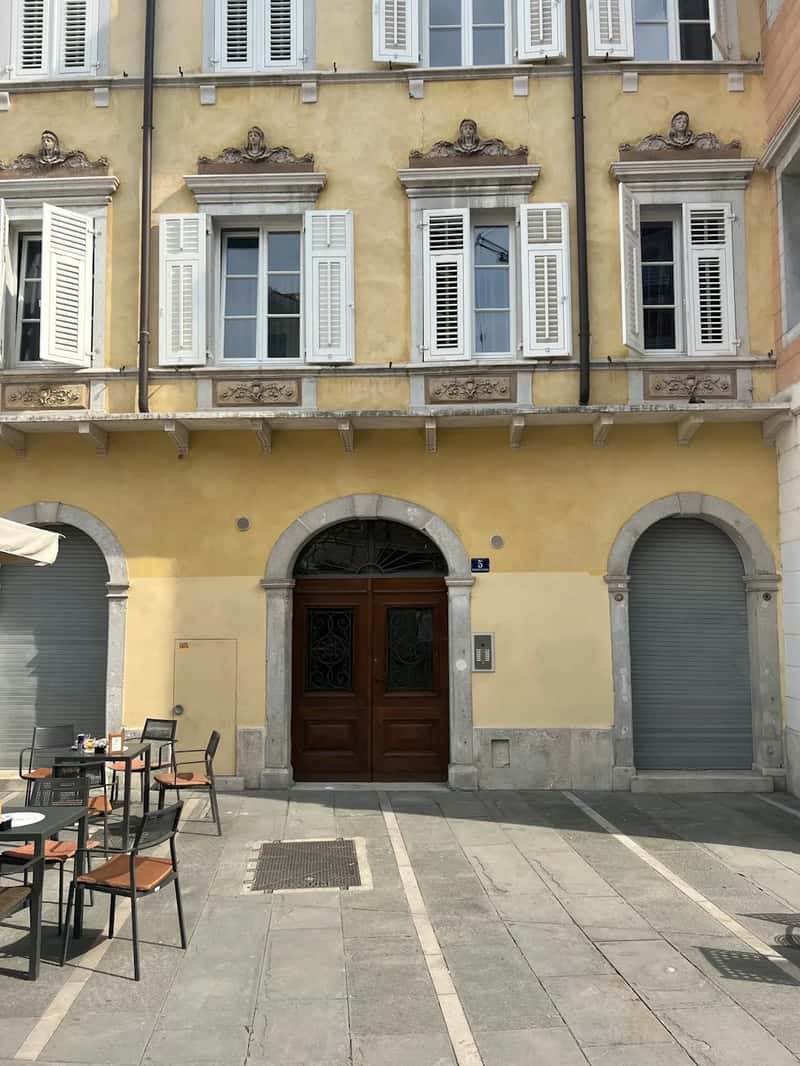
Italians call it riposo, and during it most shops, museums and churches, in fact nearly everything except restaurants, lower their shutters so owners can enjoy a long lunch.[5] It is not universal. It is more common in small towns and the south than in large city centres.[6]
Timing depends on where you are. In most small towns and southern regions, shops and businesses close between 1pm and 4pm, and some reopen as early as 3:30pm.[7] In places like Milan and Rome, the riposo has been shrinking for decades as tourism and international business culture push city centre shops to stay open.[7]
Greece
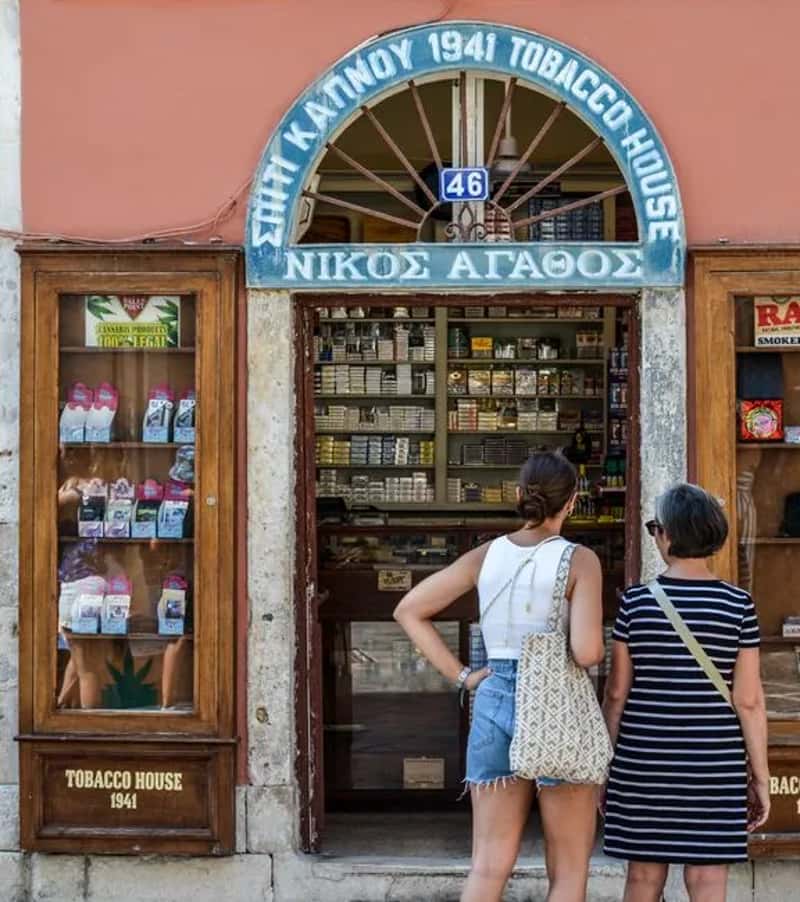
Greek shop hours follow a pattern that confuses first time visitors. Business hours on Mondays, Wednesdays and Saturdays usually run from 9am to 3pm, while Tuesdays, Thursdays and Fridays run from 9am to 2pm and then again after the siesta, from 5:30pm to 9pm.[8] Another source notes that the hours between 2pm and 5:30pm are generally set aside for lunch and the afternoon siesta, especially in hot summers.[9]
Not everything shuts. Supermarkets, malls, kiosks, bakeries, cafes and tourist shops in season do not close in the afternoon.[10] Banks are a different story, since they close early and don’t come back in the evening.[10] Rules can shift, so it’s worth checking a specific shop before you count on it.
Portugal
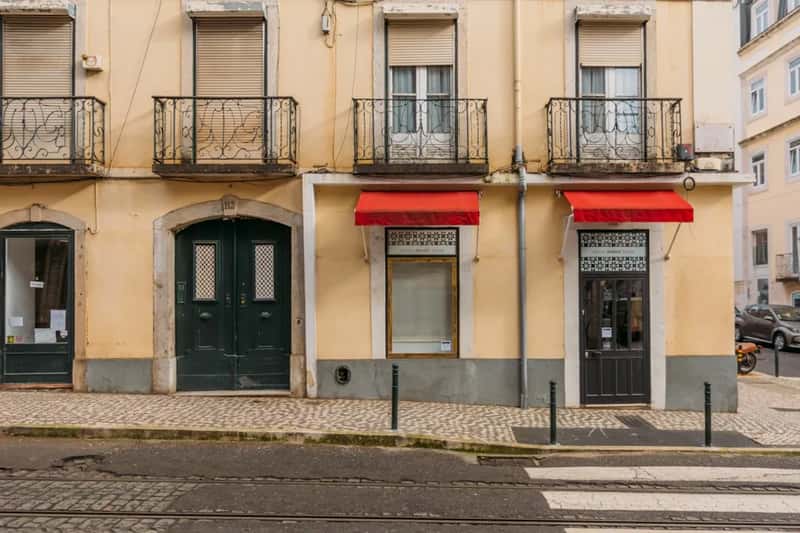
Portuguese shopkeepers keep a shorter but similar rhythm. Shops are usually open Monday to Friday from 9am to 7pm, sometimes closing for lunch between 1pm and 3pm.[11] Smaller businesses are the ones most likely to do it.
In Lisbon, some smaller shops break for lunch, but larger shops and chains don’t take that break and also normally open on Saturday mornings.[12] Shopping centres work on a different clock altogether, as they are open every day of the year except 1 January and 25 December, from 10am until 11pm or midnight.[11] In Porto, a local guide says many stores close for long lunch breaks around 1pm.[13]
United Arab Emirates
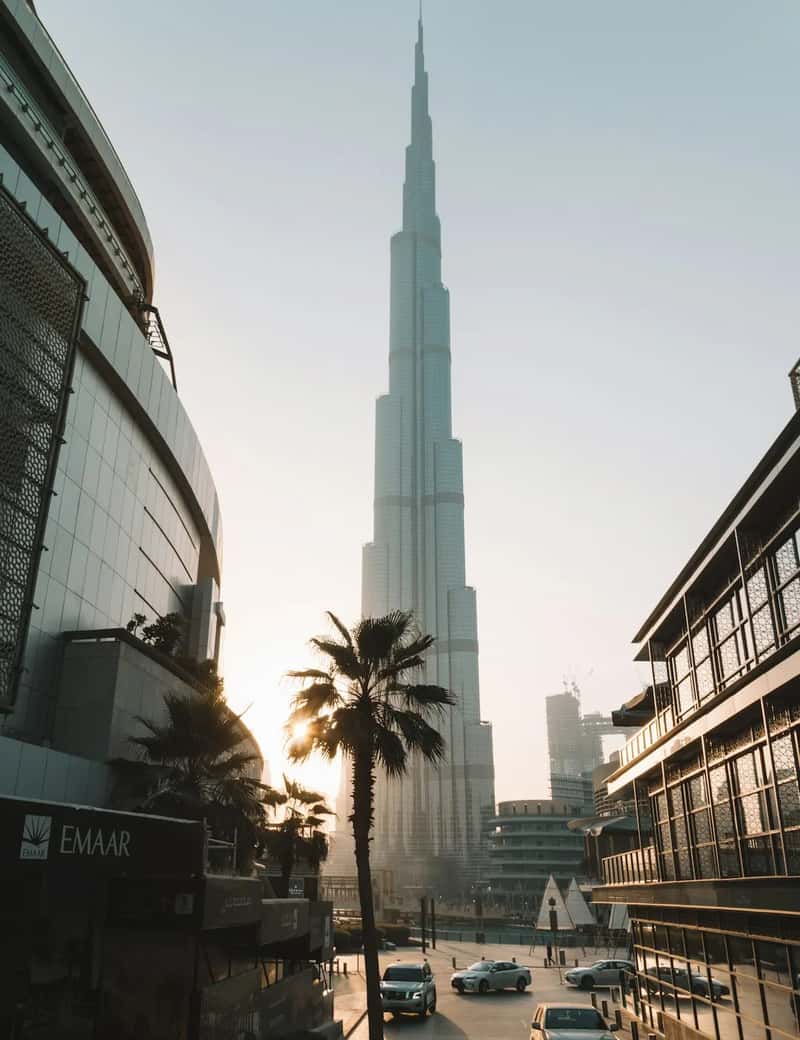
The idea of shutting during the hottest hours is far from a European monopoly. A Gulf News report explained that UAE shops and businesses have traditionally closed for an afternoon respite in favour of cooler evenings, resuming business later in the day.[14] Traders interviewed described it as a chance to escape the heat, rest and eat lunch with family.
The practice has survived mostly in older districts. According to that report, traders continue it in older market areas across Dubai, such as Bur Dubai and Deira along Dubai Creek.[14] Modern malls in the country are a separate world, and the report is an older one, so treat it as a picture of tradition rather than a current timetable.
Cyprus
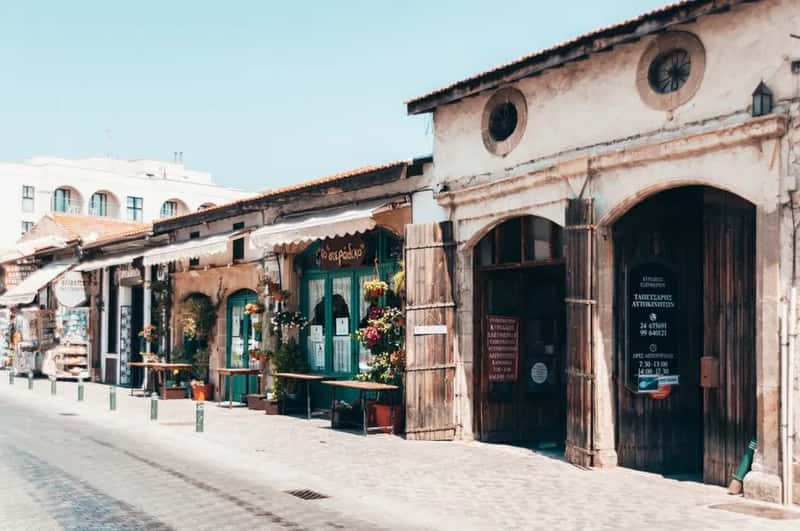
Cyprus shares much of its shopping culture with Greece, and small independent shops in many towns close for part of the afternoon, particularly in the summer heat. The island also has a long custom of a weekly half day, when a number of traditional shops close on one afternoon. Exact rules differ by district and season, so it’s smart to confirm locally.
Tourist areas tell a different story. Souvenir stores, cafes and supermarkets in resort towns tend to keep longer hours to serve visitors. If you’re wandering a village or an old town centre, though, plan your errands for the morning or early evening.
Argentina
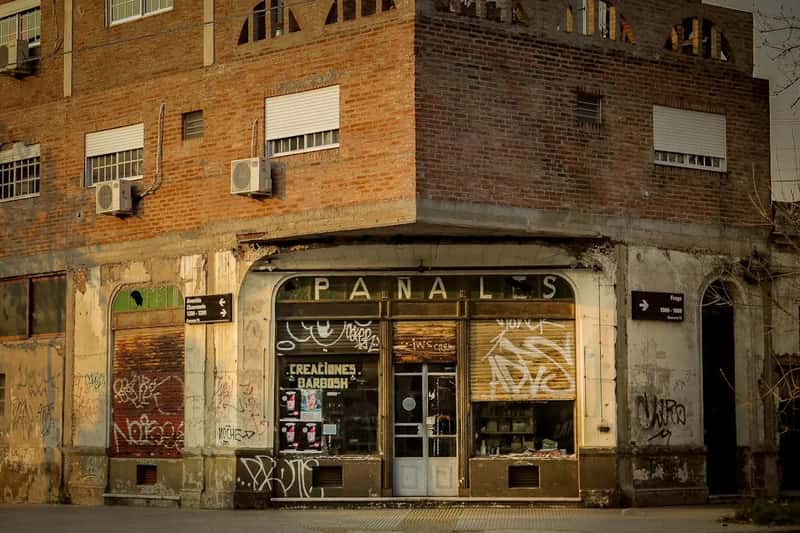
The afternoon pause is not only a Mediterranean habit. In many smaller cities and towns across Argentina, especially in the interior, independent shops commonly close for a few hours after lunch and reopen in the late afternoon. Lunch is a substantial meal there, and dinner comes late in the evening.
Large cities behave differently. Buenos Aires has plenty of stores, malls and supermarkets that stay open through the day, so the closure is much more noticeable in provincial areas. Hours vary from one business to the next, and a quick check of posted times is the safest approach.