The grass always looks greener somewhere else, doesn’t it? We’ve all daydreamed about packing it all up and starting fresh in some exotic paradise or cosmopolitan European city. The glossy travel magazines, those Instagram feeds, your friend who won’t shut up about their gap year – they all make relocating abroad sound like the answer to everything.
Here’s the thing, though. Every country has its dark side. The stuff they don’t mention in the brochures. The hidden costs, the cultural shocks, the bureaucratic nightmares that’ll have you pulling your hair out at three in the morning. Moving abroad isn’t just an extended vacation with better weather. It’s real life, with real problems, just in a different accent.
Let’s pull back the curtain on ten destinations that sound absolutely dreamy until you’re knee-deep in the reality of actually living there. Be surprised by what you’re about to discover.
1. Dubai, UAE: The Golden Cage
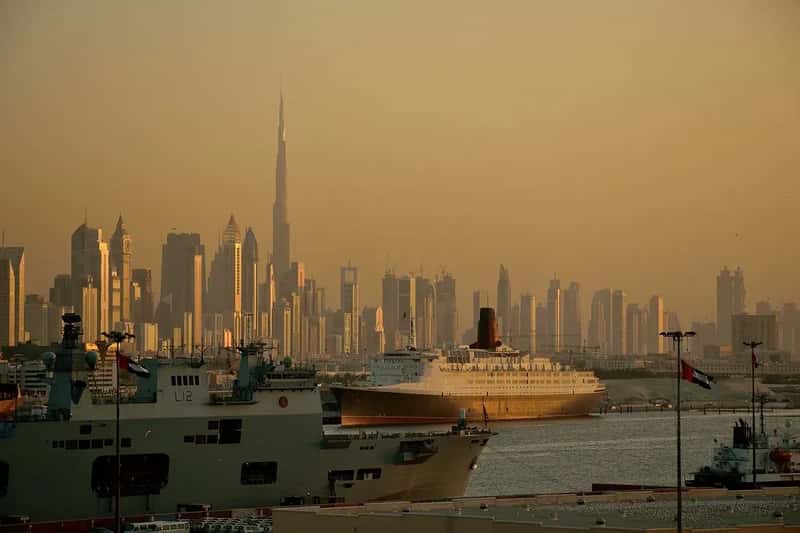
Dubai shimmers with promise. Tax-free income, year-round sunshine, luxury at every turn, and a skyline that looks like it was designed by someone who took science fiction way too seriously. It’s no wonder the city has become a magnet for ambitious professionals from around the world.
According to Mercer’s 2024 cost-of-living data, Dubai has risen from 18th to 15th as the costliest city in the Middle East for international employees. Housing costs surged dramatically, with rental prices rising 18% year-on-year in 2024. Residential rents increased by 15-16 percent per annum, making housing the largest cost for expats.
The reality check hits hard when you realize that apartment tenants saw rent increase by 22% compared to the previous year. The weather everyone raves about? Try stepping outside in July when temperatures soar past 45°C. You’ll sprint from one air-conditioned bubble to another like your life depends on it. That tax-free salary suddenly doesn’t stretch as far when school fees for international institutions can easily consume a massive chunk of your earnings.
2. Portugal: The Expat Bubble Bursts

Portugal has been the darling of expat forums for years now. Affordable living, stunning coastlines, friendly locals, and that famous laid-back lifestyle. Honestly, it sounds perfect. Americans and Europeans have been flooding in, chasing that sun-drenched retirement dream or remote work paradise.
Reality paints a different picture in 2025. Portugal is witnessing the steepest increase in house prices among European Union members, with prices rising by 17.2% year-on-year in the second quarter of 2025. Property prices in Portugal experienced a record annual increase of 16.3% in early 2025, pushing locals and new arrivals alike to the financial edge.
The housing crisis has become so severe that about 43.4% of residents identified the housing crisis as the main problem in a 2025 survey. What was once Western Europe’s most affordable gem now sees many struggling to find decent accommodation. Experts warn that Portugal still needs around 150,000 homes to balance the market. That affordable Portuguese life you read about? It’s slipping away faster than you can say “pastel de nata.”
3. Canada: The Expensive Disappointment
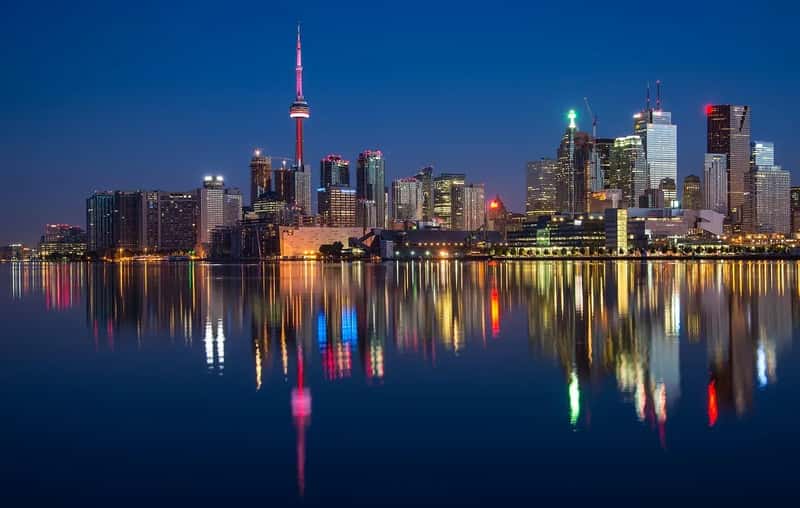
Canada has always enjoyed a sterling reputation. Universal healthcare, pristine wilderness, multicultural cities, and a reputation for politeness that borders on stereotype. It’s basically America’s friendlier, more sensible sibling, right?
Not so fast. Canada saw a drastic decline from 27th place in 2023 to 49th in 2024 in expat satisfaction rankings, with key areas of dissatisfaction including working hours, job security, and the local economy. Immigrants leaving Australia, Canada, and Germany mentioned cost of living struggles the most in the dataset.
The cost of living in major cities like Toronto and Vancouver is generally high, with rent for a one-bedroom apartment averaging about $1,185 per month. While Canada is renowned for its beautiful scenery and high quality of life, some expatriates find the immigration process challenging and the cost of living higher than expected, with cold weather being a common complaint. The dream fades pretty quickly when you’re scraping ice off your car in minus thirty-degree weather for the fifth month straight, wondering how your paycheck disappeared so fast.
4. New Zealand: Isolated and Expensive

Middle-earth beckons with its dramatic landscapes, outdoor adventure culture, and reputation as one of the safest countries on the planet. New Zealand seems tailor-made for nature lovers and those seeking work-life balance. What could possibly go wrong?
Well, isolation for starters. New Zealand is a very isolated country, and the cost of flying to, from and within New Zealand can be high. According to 2024 data from Numbeo, New Zealand ranks among the top 20 most expensive countries for living costs.
Expats report low wages experienced by the majority of the workforce, coupled with the high cost of living as a major challenge, with most reporting their disposable income is not enough to live a comfortable life. New Zealand being a small country also means there are housing challenges, and expats report struggling with the weather and the isolation due to the location. That Friday night flight back home to see family? Prepare to hemorrhage money and lose an entire day to travel. The remoteness that makes it special also makes it lonely.
5. United Kingdom: Dreary and Draining
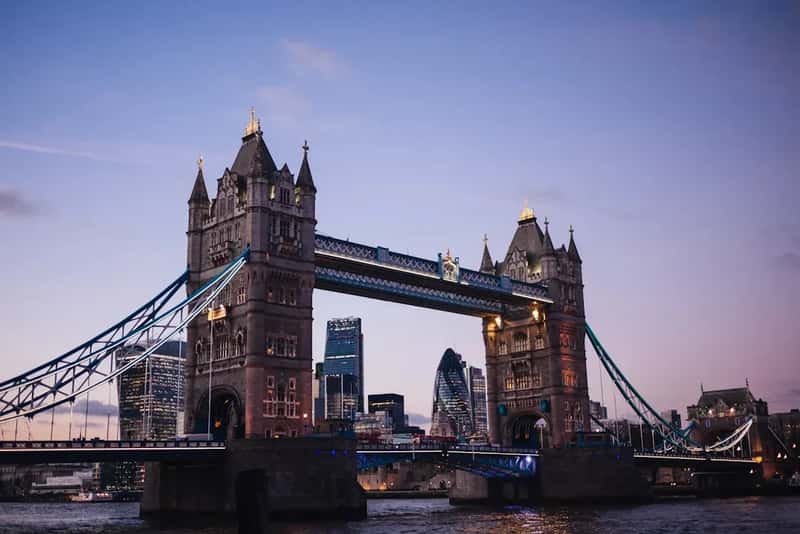
London calling, right? The UK offers history, culture, excellent universities, and a front-row seat to European adventures. English-speaking expats often see it as the obvious choice – a soft landing in a foreign country.
The enthusiasm dims quickly. The United Kingdom ranks at number nine for expat regrets, with complaints including damp, cold weather, a perceived lack of work-life balance especially in management positions, and the expense of living and difficulties accessing healthcare.
While the UK can provide excellent career opportunities, many expats are dissatisfied with the level of salaries and job security, with particular problems being the high cost of living and poor quality of healthcare. The weather is as miserable as everyone says. That persistent grey drizzle from October through April will test your sanity. Healthcare access, despite the NHS’s reputation, can involve frustratingly long wait times. And Brexit? It’s complicated layers of bureaucracy that nobody has the energy to explain properly anymore.
6. Turkey: Economic Turbulence
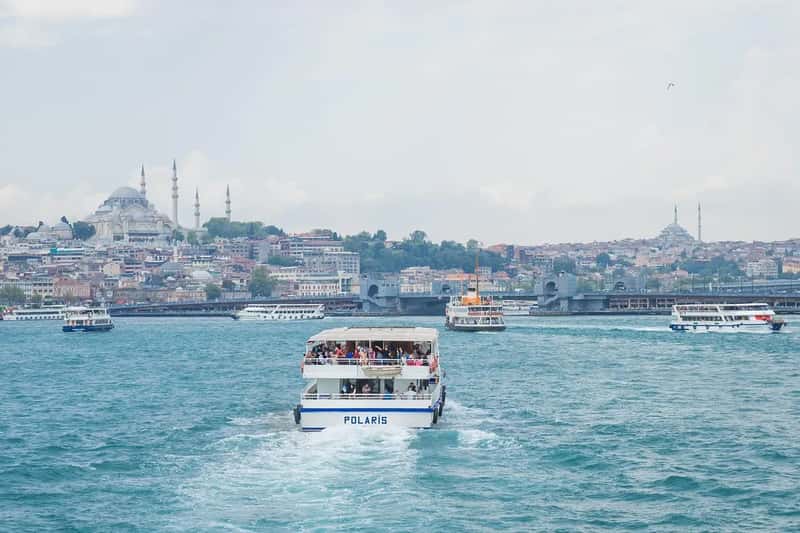
Turkey straddles two continents, offering a fascinating blend of East meets West, incredible food, rich history, and beaches that rival anywhere in the Mediterranean. The low cost of living has attracted digital nomads and retirees for years.
The economic reality tells a harsher story. Turkey was ranked as the second worst place for expats to move to in the Expat Insider 2024 survey. Expats mostly lament the economic downturn of recent years, which combined with poor job prospects and low comparative wages means Turkey ranks last (53rd) in the Working Abroad Index.
InterNations rates Turkey last regarding working abroad due to limited career opportunities, a lack of job security, and unfavorable working hours. The currency volatility will give you whiplash – your savings can lose value overnight when the Turkish lira decides to take another tumble. That initial affordability becomes less attractive when you realize your international income needs constant conversion calculations and your purchasing power keeps shrinking.
7. Germany: The Bureaucratic Maze
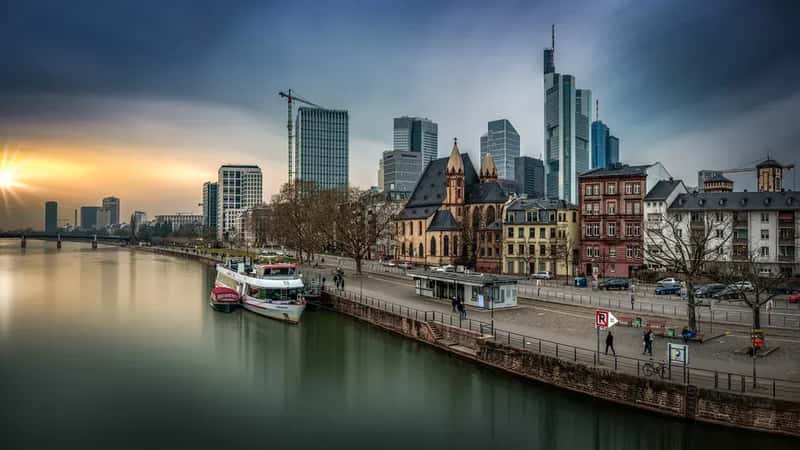
Germany represents efficiency, economic stability, excellent public transportation, and a central European location perfect for exploring the continent. It’s Western Europe’s powerhouse, drawing skilled workers from around the globe.
Getting settled proves surprisingly frustrating. Expats generally complain about Germany’s digital services, facing problems with cashless payment options and access to high-speed internet, and the country also ranks poorly in terms of ease of settling in, with expats noting that locals seem less welcoming towards foreign residents.
Germany ranks 42nd overall in expat satisfaction surveys, with expats having a difficult time with Digital Life and Admin Topics. The bureaucracy is legendary – and not in a good way. Everything requires an appointment, three forms, a notarized document, and possibly a blood sacrifice. Making German friends? Good luck cracking that shell. Many expats report feeling perpetually like outsiders, even after years of residence. The famous efficiency somehow doesn’t extend to integrating foreigners into social circles.
8. Finland: Cold Comfort
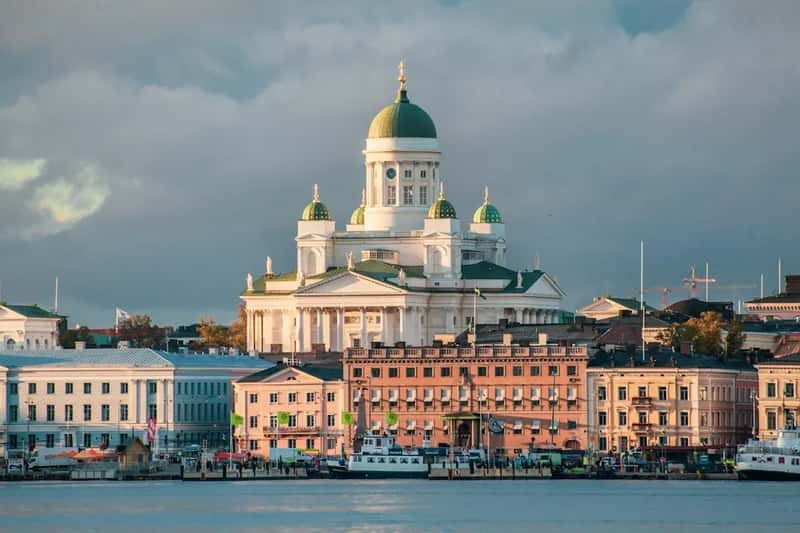
Finland consistently ranks high on happiness indexes, boasts excellent education, stunning natural beauty, and a society that seems to have figured out work-life balance. The Nordic dream promises quality over quantity in every aspect of life.
The happiness rankings don’t tell the whole story. Finland experienced a significant decline, plummeting from 16th place in 2023 to 51st in 2024, with major setbacks observed across multiple indices including Personal Finance, Ease of Settling In, and Quality of Life.
While rent is relatively affordable, the high cost of living largely due to high taxes poses a challenge for many expats, and Finland’s cold climate and long, dark winters contribute to difficulties in settling in, with expats often struggling to socialize and build connections. Those winter months with barely any daylight? They’re not romantic – they’re legitimately tough on mental health. The reserved Finnish culture means making friends requires Herculean effort. You might share a sauna with someone weekly for six months before they remember your name.
9. Sweden: Loneliness in Scandinavia
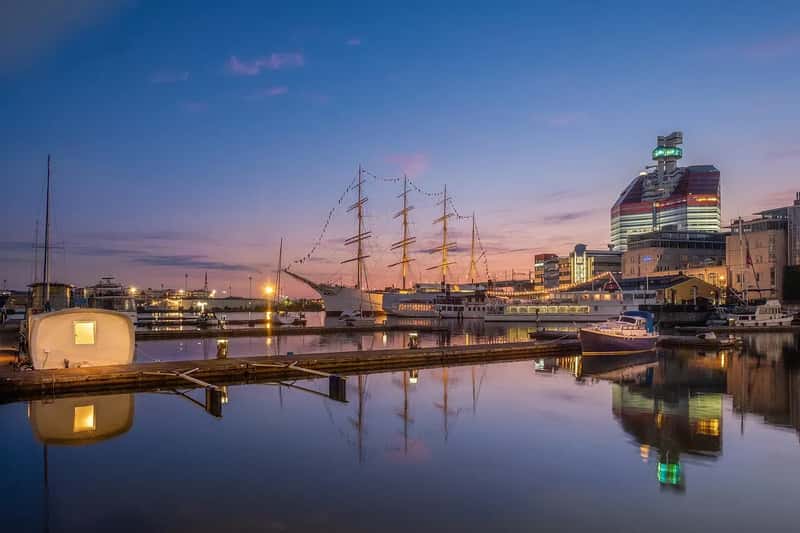
Sweden sells itself on progressive values, stunning design, generous parental leave, and a high quality of life that seems almost utopian. It’s IKEA come to life, but with better meatballs and actual healthcare.
The Swedish experience comes with unexpected challenges. Sweden has taken a massive drop in the rankings, falling from 24th to 42nd on the list of worst countries for living abroad, with a one-bedroom apartment costing around $936 a month, and expats facing a shortage in housing driven by the increasing number of immigrants.
Sweden is among the “loneliest” countries in the world, with over 5.7 million unmarried people. The housing shortage hits newcomers especially hard. Swedish social culture revolves around established friend groups from childhood – breaking in feels impossible. The infamous “Swedish bubble” is real. People are polite but distant, and converting that politeness into actual friendship can take years of persistent effort.
10. Norway: Beautiful but Unwelcoming
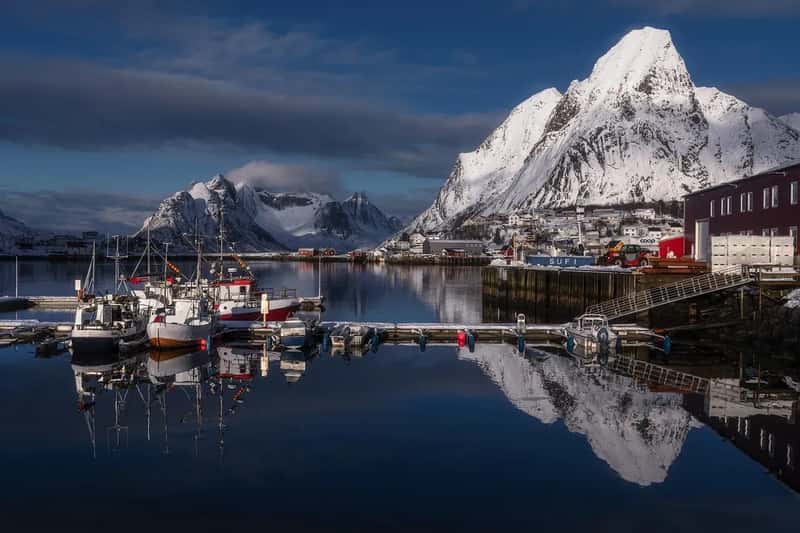
Norway’s fjords, midnight sun, oil wealth, and spectacular natural scenery make it look like a fantasy kingdom. The country promises financial security, outdoor adventures, and one of the world’s highest standards of living.
Settling in proves more difficult than anticipated. Countries of Scandinavia present a lot of social challenges for expats, with Norway at the bottom of the list as a country where expats have hard time adjusting to local culture and very sparse opportunity to make local friends.
While the quality of life in Norway is top-notch with a strong work-life balance and excellent digital services, Norway ranks poorly in terms of ease of settling in, largely because of its cold climate. Renting a one-bedroom apartment remains expensive, averaging around $1,082 a month. The eye-watering cost of everything from groceries to a simple beer will make you question every purchase. Norwegians are lovely people, but they already have their established social circles and aren’t exactly racing to expand them. The dark winters and geographical isolation from the rest of Europe can leave you feeling trapped on the edge of the world.
The Reality Check

Moving abroad isn’t inherently bad – millions do it successfully and build wonderful lives. The problem comes from romanticizing places without understanding the trade-offs. Being homesick, difficulty finding work, and struggling with the cost of living are the top three reasons people move back home.
Every country has its issues. The perfect place doesn’t exist. What matters is finding somewhere whose particular brand of dysfunction you can tolerate, or maybe even embrace. Research beyond the tourism websites. Talk to actual expats who’ve been there for years, not just Instagram influencers passing through. Understand the visa requirements, tax implications, and healthcare systems. Visit during the worst season, not just when it’s picture-perfect.
Reviewing stories of 2,873 expats analyzing more than 7,000 regrets revealed common themes that keep repeating: homesickness, financial strain, difficulty making friends, and underestimating cultural adjustment. The countries on this list aren’t terrible places – they’re just not the effortless paradises they might appear to be from a distance.
So before you hand in your resignation letter and book that one-way ticket, ask yourself some hard questions. Are you running toward something or away from something? Have you done the unglamorous research? Do you have a financial cushion for when things inevitably get complicated? Most importantly, are you prepared for the reality that you might not fit in as easily as you hoped?
Moving abroad can be one of life’s great adventures. Just make sure you’re going in with your eyes wide open, not blinded by the golden glow of somewhere else. What do you think – would you still take the leap? Tell us in the comments.