Most travelers hit the same small moment sooner or later. You point at something in a market, the seller names a price, and you realize nobody expects you to just pay it. In a lot of the world, the number on the table is an opening line, not a final offer.
Bargaining customs change from country to country, and even from stall to stall. These five destinations are ones where travel guides consistently describe haggling as a normal part of market shopping.
Morocco
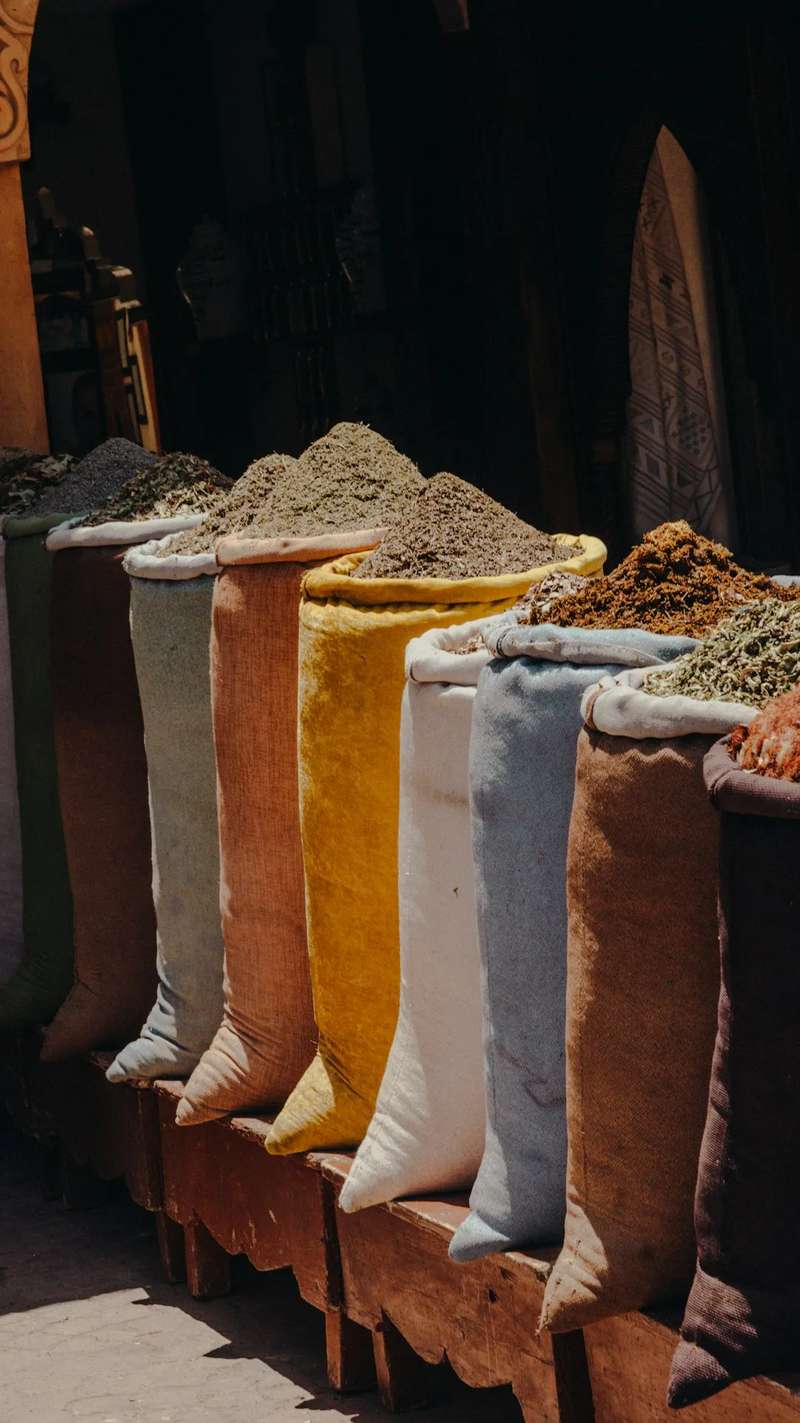
At a souk in Morocco you never pay what is first offered, and the goal is to bring the price down as much as possible.[1] Opening prices can be steep. In Morocco and Egypt, the initial asking price in souks is typically three to five times the expected final price.[2]
Body language matters as much as the numbers. Appearing too eager will cause the merchant to hold firm on a high price.[1] A smile helps build rapport, and raising your voice or seeming confrontational is best avoided.[3]
Egypt
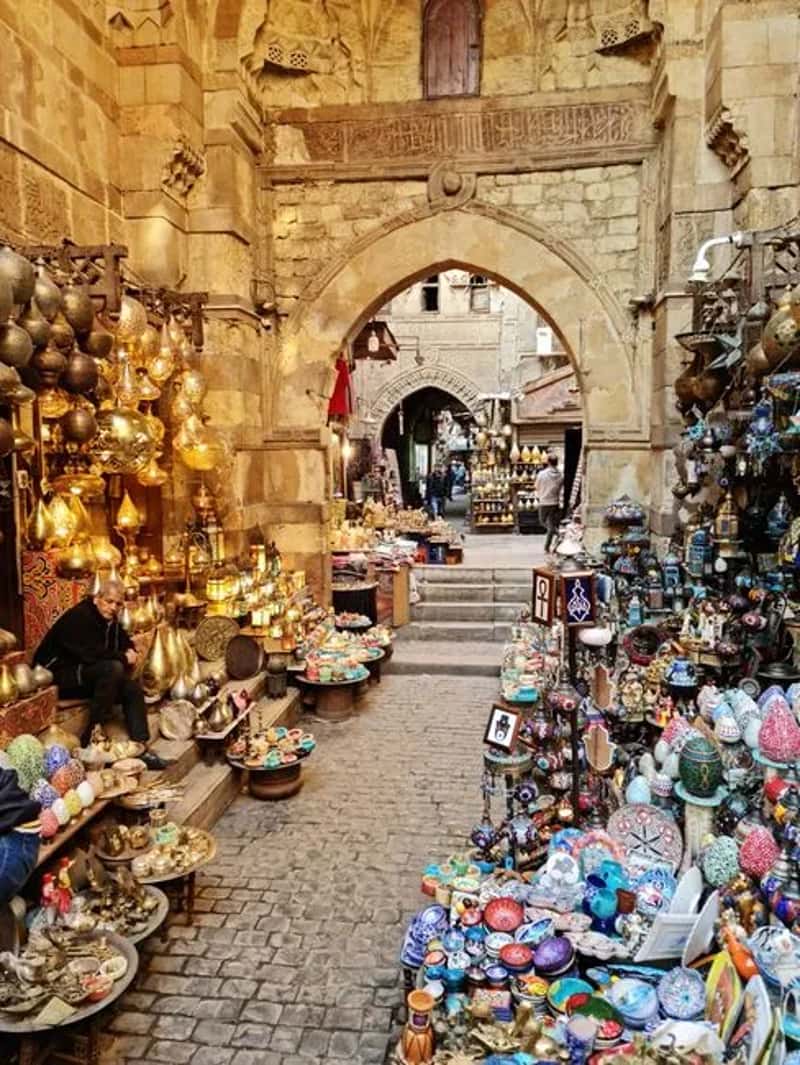
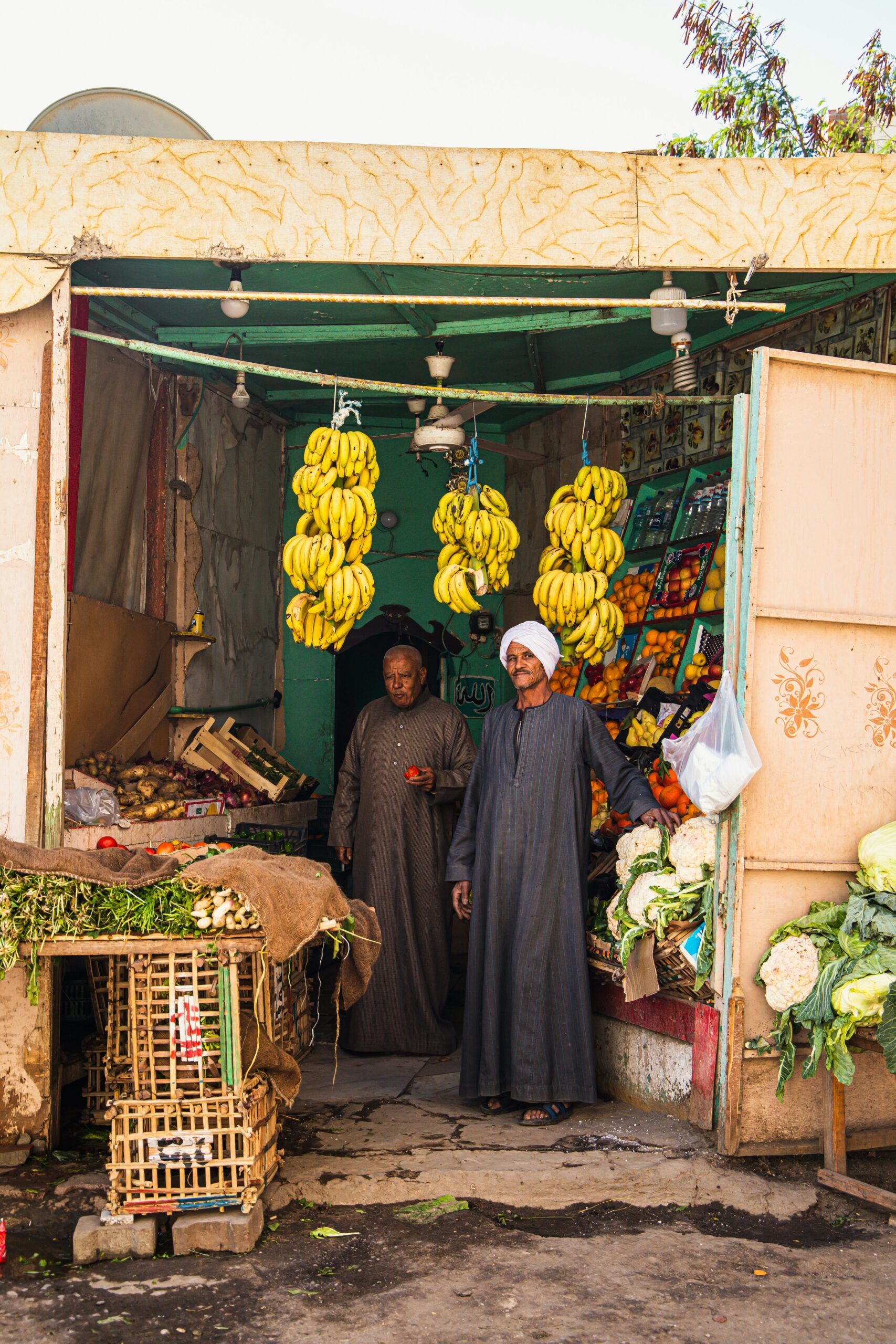
Bargaining is deeply embedded in Egyptian commerce, and Cairo’s Khan el Khalili bazaar is often described as a masterclass in it.[4] Vendors there tend to be theatrical and skilled.[4] Expect a bit of performance on both sides of the counter.
Skipping the negotiation can actually create confusion. Vendors will be confused if you don’t counter.[2] Dressing modestly also helps, since flashy clothing or accessories can make you a target for inflated prices and clash with local culture.[3]
Turkey
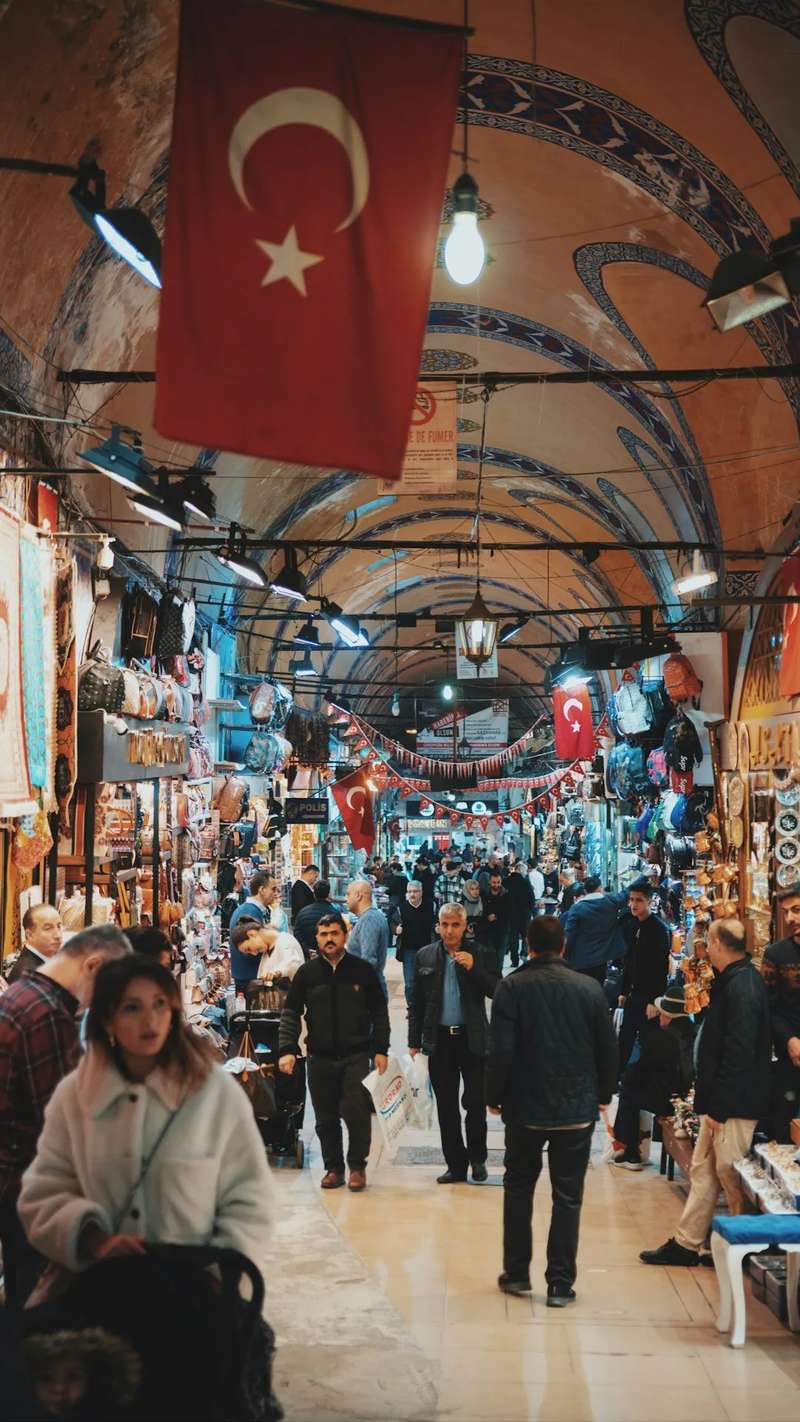
Istanbul’s bazaars are among the best known places to practice. In a Turkish rug shop in Istanbul, negotiation is expected.[5] Haggling is welcomed when shopping in the bazaars of Istanbul.[6]
The tone is often a little gentler than in some other countries on this list. One 2026 guide places Turkey in a milder haggling category, where a first counteroffer might sit at roughly seven to eight tenths of the asking price.[4] For big purchases like carpets, one traveler advises having tea and talking things over[5] before you commit to anything.
India
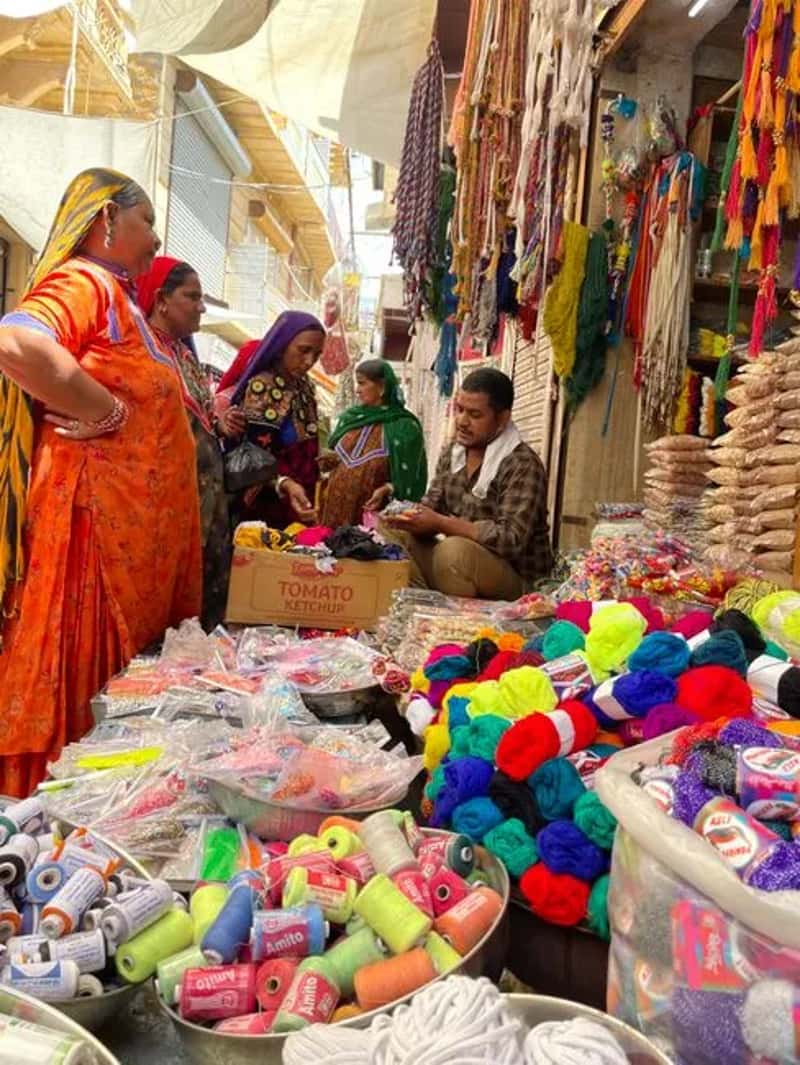
In India, bargaining is common in markets and street stalls, and even with some drivers.[7] Auto rickshaw fares, market goods, and even some hotel rates are negotiable.[2] Fixed price shops exist, of course, but the busy street bazaars run on give and take.
Staying quiet can cost you. Not bargaining may mean paying more than the local market rate, and it can sometimes come across as disinterest in the seller’s initial offer.[7] It helps to check what an item would cost back home, since walking away or gently talking the price down[5] is a sensible response when the ask seems far too high.
Thailand
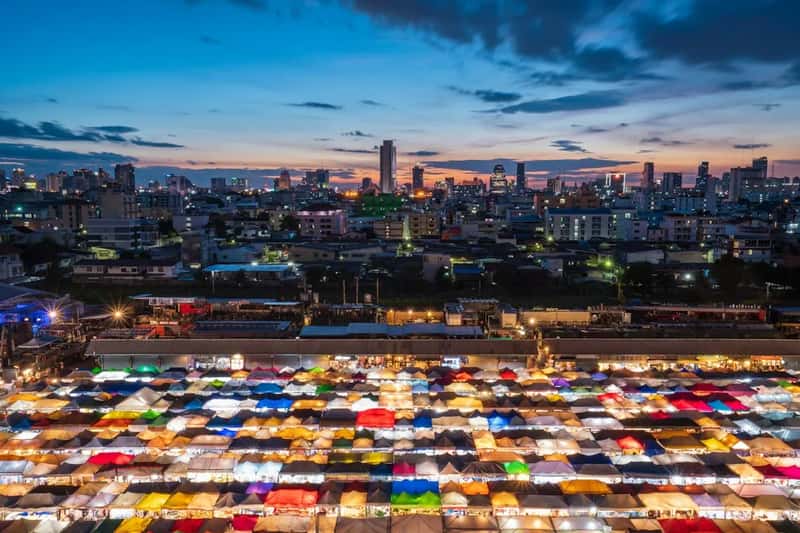
Night markets, floating markets, and street stalls in Thailand all expect bargaining.[4] The negotiation often reaches beyond souvenirs too. Market stalls, tuk tuk rides, and unmetered taxis are all negotiable in Thailand.[2]
The style is softer than what you may meet in Morocco or India. Thai vendors tend to be less aggressive, and a gentle approach works best, starting at around six to seven tenths of the quoted price.[4] Shopping malls, supermarkets, and shops with printed price tags are generally fixed price environments where haggling isn’t appropriate.[2]