Picture a quiet Sunday morning in a European capital. The cafés are humming and the streets are full of walkers, yet nearly every shop window is dark. For visitors used to seven day retail, that mix can feel a little disorienting.
Sunday closing rules are still widespread across the continent, and they vary more than most travelers expect. Five countries stand out for how firmly the shutters come down, and for the small exceptions that keep a trip running smoothly.
Austria: Saturday Evening Is the Deadline
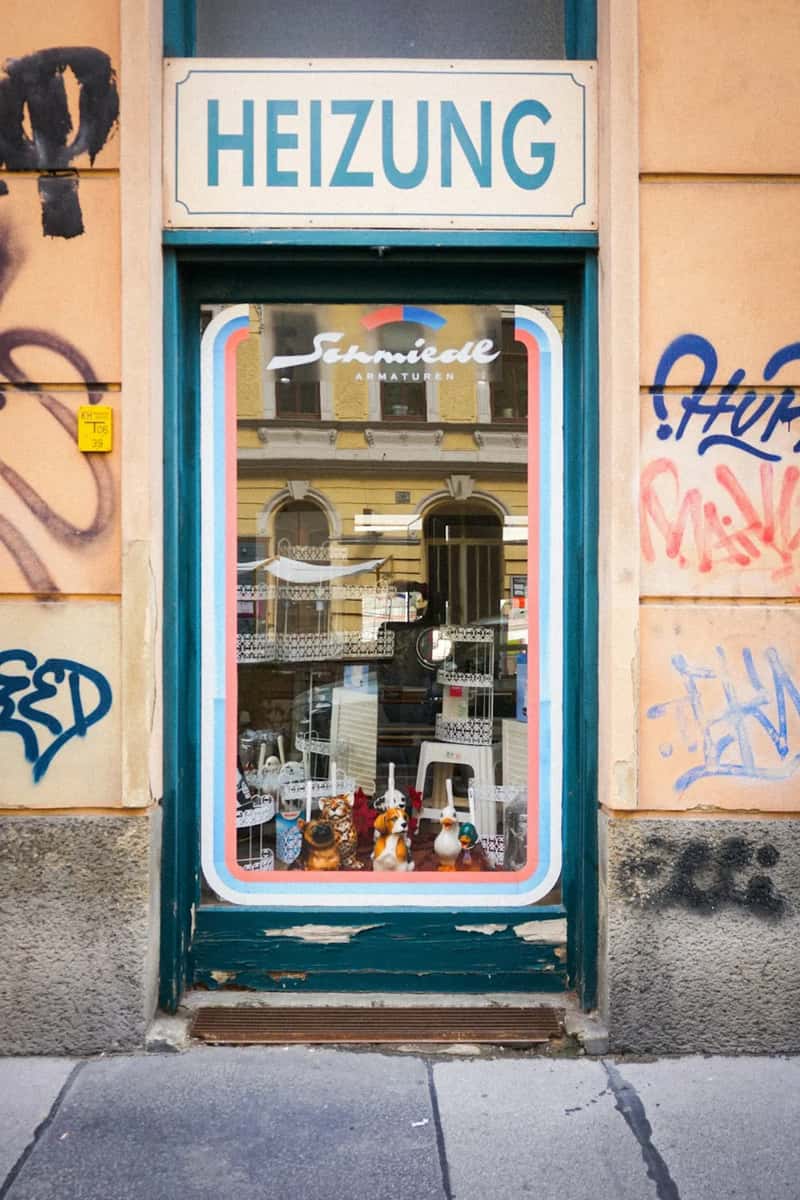
Austria’s baseline is simple. Shops default to closed after 6pm on Saturday through Monday morning, and on public holidays.[1] Even stores on Vienna’s famous shopping street, Mariahilfer Strasse, close on Sundays.[2] The habit is deeply rooted, so much so that a temporary Sunday opening in December 2021, meant to make up for pandemic losses, was described at the time as the first time in decades that trade was allowed to open on a Sunday[2].
Travelers do have workarounds. Train stations such as Wien Hauptbahnhof, Westbahnhof and Praterstern, as well as Vienna International Airport, all have shops that stay open on Sundays.[3] In Vienna, each of these outlets is capped at eighty square metres,[1] which explains why you find compact station stores rather than full supermarkets. In alpine resort areas the rules loosen further, and a Billa or Spar in a ski resort like St. Anton or Kitzbühel may be open on a Sunday afternoon[4].
Germany: Weekdays Are Free, Sundays Are Not

Germany surprises people because its weekday shopping feels so modern. The country deregulated weekday store opening hours in 2006, but on Sundays it still requires most stores to be closed.[5] One 2026 overview of trading rules in Europe notes that Germany allows only four trading Sundays per year.[6]
Certain places are exempt. Gas stations, airport stores, hospitals, and bus and railway stations are excepted from the Sunday shopping ban.[7] One practical guide adds that most cities have a Spätkauf, or late shop, operating on Sunday evenings.[8] The same guide warns that many supermarkets close at 20:00 on Saturday and stay shut until Monday morning.[8]
Poland: One of Europe’s Strictest Bans
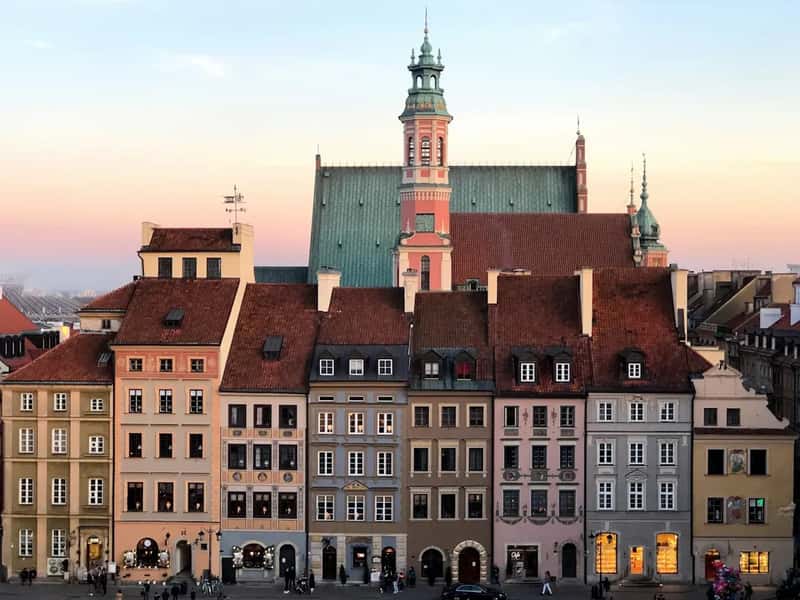
Poland changed its habits quickly. A law banning almost all trade on Sundays took effect on March 1, 2018.[9] It was described as one of Europe’s strictest bans, closing almost all stores on Sundays.[5] The rules were meant to support family life and rest, and they reflect a predominantly Catholic culture.
Visitors can still plan around a short list of exceptions. In 2026 there are eight shopping Sundays: January 25, March 29, April 26, June 28, August 30, and three in December, on the 6th, 13th and 20th.[10] The ban does not cover cinemas, restaurants, cafés, small local stores where the owner can work, and stores at gas stations, flower shops or pharmacies.[10] Shopping malls may open, though most stores inside will be closed.[10]
Norway: Only the Small Shops Stay Open

Norway’s rule is easy to state and easy to trip over. All regular supermarkets, malls, department stores and retail chains must stay shut on Sundays, while stores with a sales area below one hundred square metres can open.[11] That is why some bigger supermarkets have smaller annexes that can open on Sundays.[12] Alcohol adds another twist, since it is illegal for stores to sell alcohol to take home on a Sunday.[13]
Tourist areas get their own carve out. This mostly applies to small resort and fjord towns such as Geiranger, parts of Hvaler, and Kragerø.[11] Big cities are not included, and in 2025 Oslo’s bid to extend Sunday shopping to Karl Johans gate was rejected by the County Governor.[14] Downtown Oslo therefore still relies on exempt outlets and cultural venues on Sundays.
Croatia: A Newer Rule on a Sunny Coast
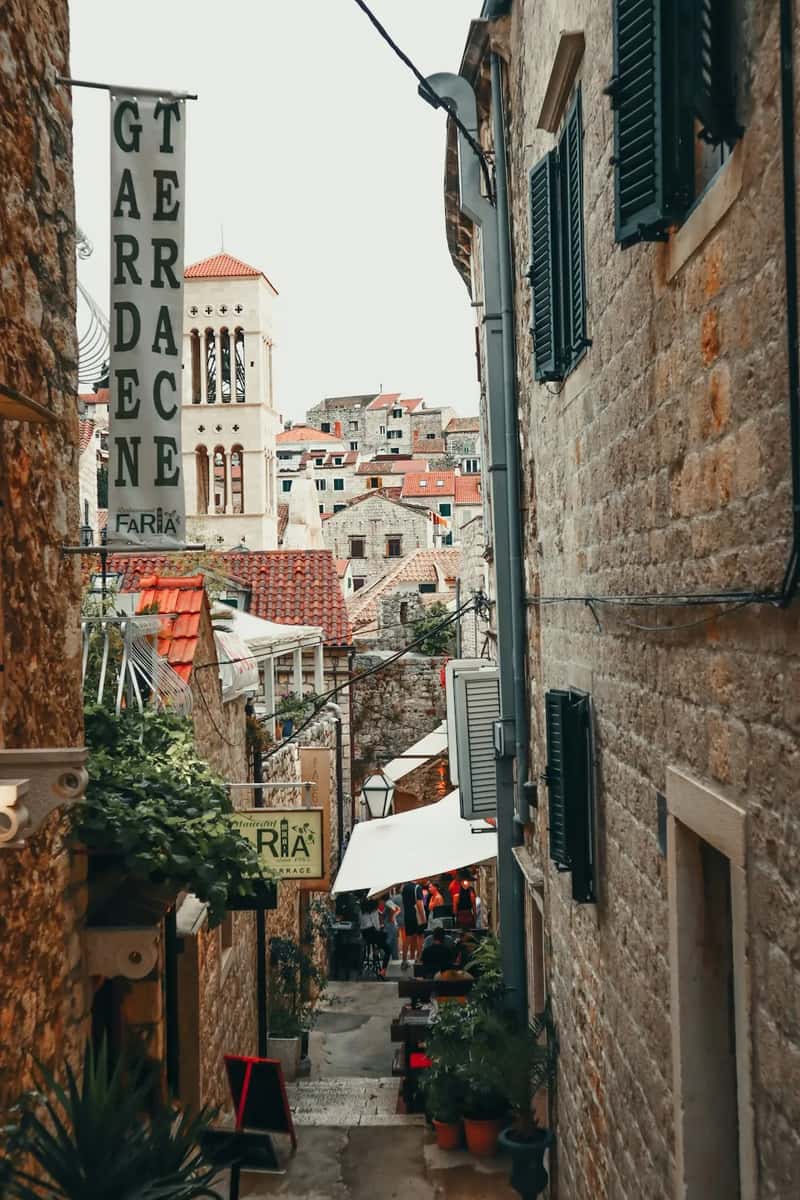
Croatia is the least expected name on this list. Many travelers picture a relaxed Adriatic holiday, not locked shop doors. Yet stores there can open on only sixteen Sundays each year.[7] The government’s reasoning was that staff should be able to spend the other Sundays with their families.
The change has divided opinion. A 2026 report says it was welcomed by some trade unions and religious groups, but criticized by parts of the business community.[15] The same report says tourist areas and small essential shops are expected to retain some exemptions.[15] If you are heading to the coast, it is worth checking the local situation before counting on a Sunday shopping stop.
Planning Around the Closed Signs

The pattern is consistent across these five countries. Buy what you need by Saturday, and treat train stations, petrol stations and small convenience shops as your Sunday backup. In Germany, Austria and Switzerland, one guide simply advises that Saturday is the last shopping day.[8]
Cafés, museums and restaurants generally keep running in these places, so Sunday is still a full day out. It simply revolves around walks, meals and sights instead of shopping bags.