Let’s be real. There was a time when certain destinations felt like absolute no-brainers. You’d see photos, hear stories from friends, and immediately start planning your escape. These were the places everyone wanted to visit, the bucket list items that seemed almost mandatory for any traveler worth their passport stamps.
Times have changed. What once sparkled with excitement and possibility now comes weighted down with tourist taxes, overcrowded streets, and price tags that make your credit card weep. Honestly, some of the world’s most famous destinations have become cautionary tales of what happens when too many people want the same experience at the same time. Travel in 2026 is about making smarter choices, not just following the crowd.
Here’s the thing: you’ve worked hard for your vacation time and money. So before you book that flight everyone’s been raving about, it’s worth asking whether the destination still delivers what it promises. Let’s dive in.
Venice Is Drowning in Tourists and Fees
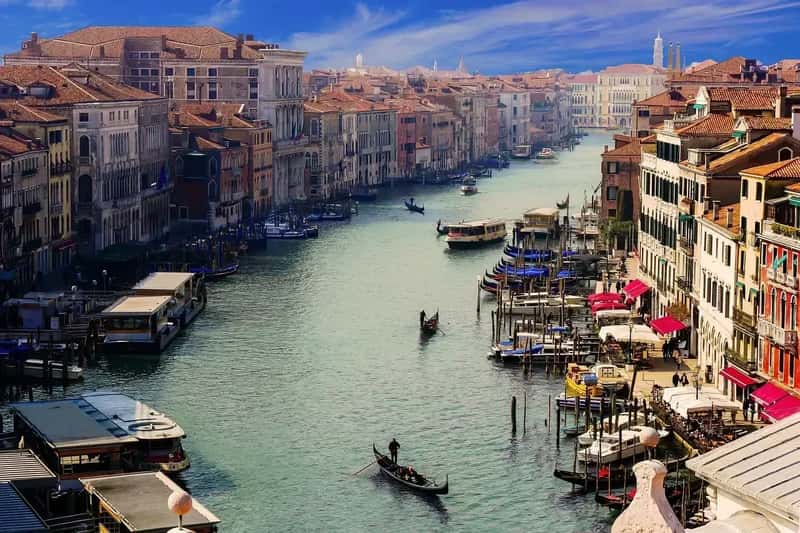
Venice raised its tourist tax to €10 for day visitors arriving without reservations during peak hours in April 2025, doubling the previous charge. Despite the new entry fees for day trippers during the trial period in spring and summer 2024, official data shows visitor numbers continued to rise, with Venice receiving on average 7,000 more visitors compared to the same days of the previous year during the 29 dates the initial €5 access fee was in force.
With a population of fewer than 50,000 residents, the city receives around 40,000 tourists a day. Picture this: locals are literally outnumbered by tourists nearly every single day. The canals feel like theme park rides now rather than romantic waterways. Cruise ships and swarms of tourists have overwhelmed this picturesque city, leading to overcrowded canals, damaged infrastructure, and skyrocketing prices, while the local population is dwindling as Venetians leave due to the city’s unsustainable tourism boom.
The charm you’re paying premium prices for? It’s buried under crowds taking selfies.
Tulum Has Priced Itself Out of Paradise
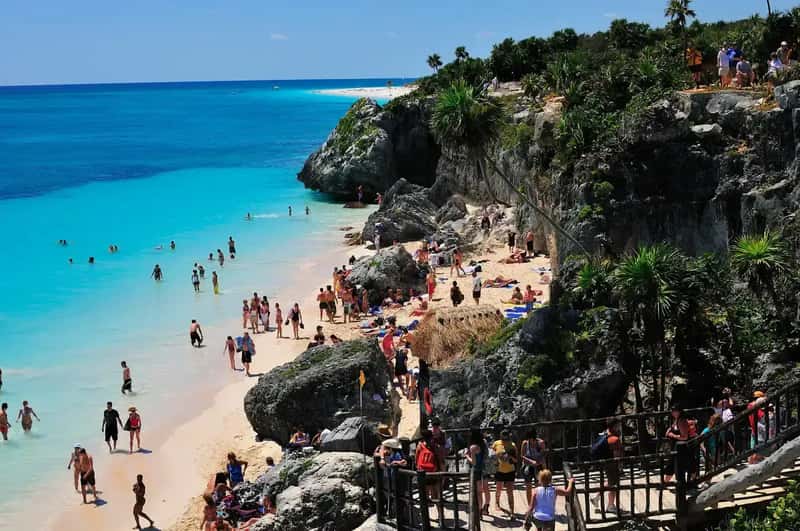
Tulum used to be that secret Mexican gem where you could lounge in an eco-chic beach hut without emptying your wallet. Those days are long gone. Many popular places in the Yucatan Peninsula, including Cancun and Tulum, are priced essentially at ‘Western’ levels as they are geared entirely towards tourists, with Tulum getting so expensive that tourism there collapsed in 2025 with some of the lowest-ever occupancy rates.
Short-term rentals dominate the housing market now, thanks to affordable flights and the digital nomad craze, leading to skyrocketing rents and displaced locals, while historic neighborhoods are inundated with tourists, making them less charming. According to The Guardian, locals are being pushed out by developers and despite the thinking that tourism helps local communities, poverty nearly doubled between 2015 and 2020. You’re essentially paying inflated prices to visit a place that’s lost its soul. That authentic Mayan culture you were hoping for? Replaced by Instagram-worthy beach clubs charging New York City prices.
The Maldives Will Drain Your Bank Account Faster Than Ever
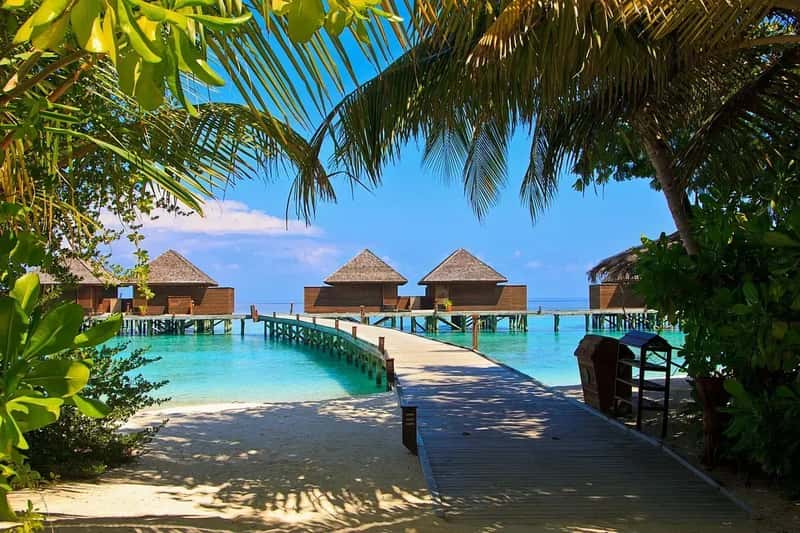
Ah, the Maldives. Those overwater bungalows look stunning in photos. As of December 1, 2024, departure taxes for non-residents increased by up to 400%, with economy-class passengers paying $50 (up from $30) and first-class and private jet travelers facing fees surging to $240 and $480, from $90 and $120, with these charges automatically added to airfare. The nation’s ‘Green Tax’ increased to $12 per day in 2025.
Mid-range travelers can expect to spend between $4,000 and $7,000 for a week, while luxury travelers face costs ranging from $7,000 to $15,000 or more. The island destination is currently grappling with a financial crunch that’s driving significant hikes in taxes for tourists, and while the Maldivian government aims to stabilize the economy through these moves, the tourism industry is concerned that it could potentially dampen the appeal of the archipelago for tourists.
The truth is, you could have equally stunning beach experiences in places like Indonesia or the Philippines for a fraction of the cost. Unless money is truly no object, the Maldives has become one of the least cost-effective tropical getaways.
Bali Struggles With Infrastructure and Waste
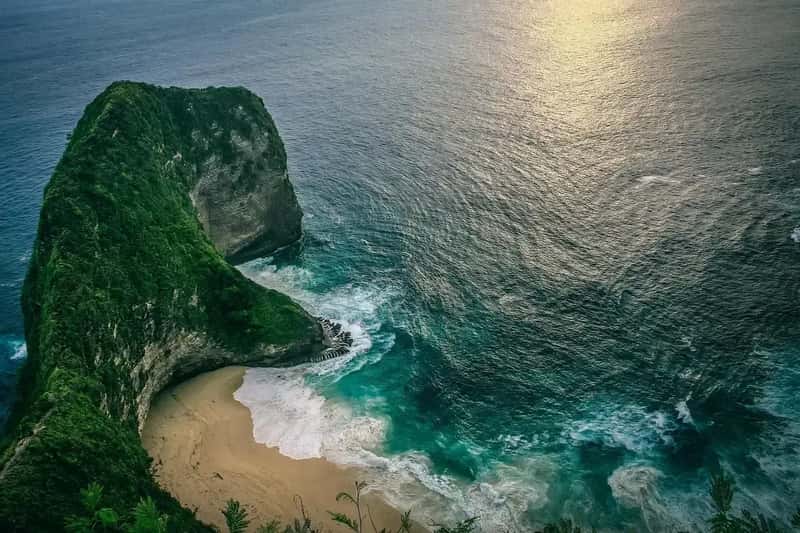
Bali, Indonesia’s most famous island, was being called out as a repeat offender in 2025, as unplanned development encouraged by overtourism strained its natural habitats and eroded the island’s environmental and cultural heritage, with the post-COVID-19 rebound putting it under even more pressure. Once-pristine beaches like Seminyak and Kuta are littered with trash, and local waste management infrastructure needs to be improved to keep up, with Bali Partnership estimating that the island generates over 1.6 million tons of waste annually.
The island now suffers from traffic congestion, environmental degradation, and overcrowded beaches, with the island’s resources strained under the weight of mass tourism, though there are efforts underway to promote sustainability like putting a moratorium on new hotels. That spiritual retreat you imagined? Try navigating bumper-to-bumper scooter traffic and dodging plastic bottles on the beach instead. Bali’s magic hasn’t completely disappeared, but you’ll have to work much harder (and pay more) to find it.
Barcelona Locals Are Fighting Back Against Tourists
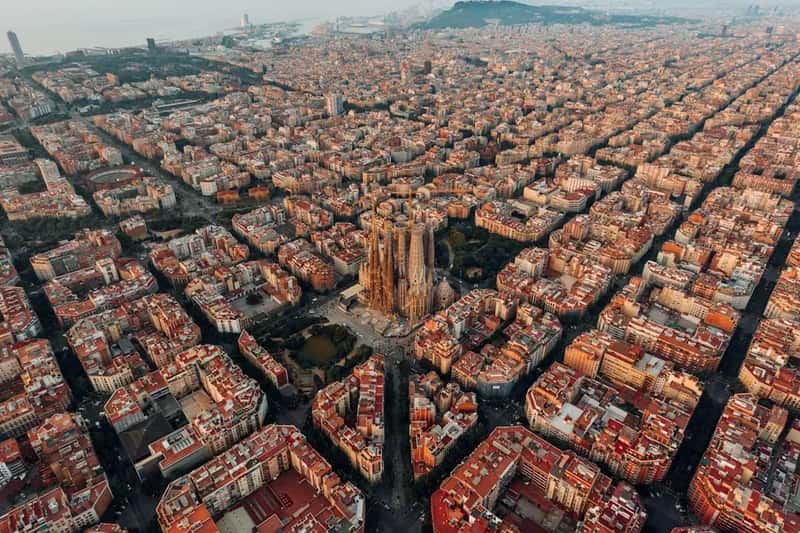
In 2024, thousands of residents protested against tourism in the streets of Barcelona, as overtourism has caused overcrowding and increased costs of living, with more than 32 million people staying in the city of 1.6 million residents yearly. Spain has emerged as ground zero for the overtourism backlash, with cities like Barcelona and Valencia implementing some of the world’s strictest tourist controls, including Barcelona announcing plans to eliminate all tourist rentals by 2028, while Valencia’s inspections of tourist apartments increased by 454 per cent this year alone.
I’ve traveled to dozens of cities, and I’ve never seen locals this frustrated. Locals are pushing back as overtourism starts to take its toll, and to explore iconic sights like La Sagrada Familia and Gaudí’s other masterpieces without the crowds, consider visiting during the off-season. Walking through the Gothic Quarter now feels less like cultural immersion and more like navigating a crowded shopping mall. The authentic tapas bars? They’ve been replaced by tourist traps serving mediocre paella at inflated prices.
Iceland’s Nature Sites Are Instagram Overload
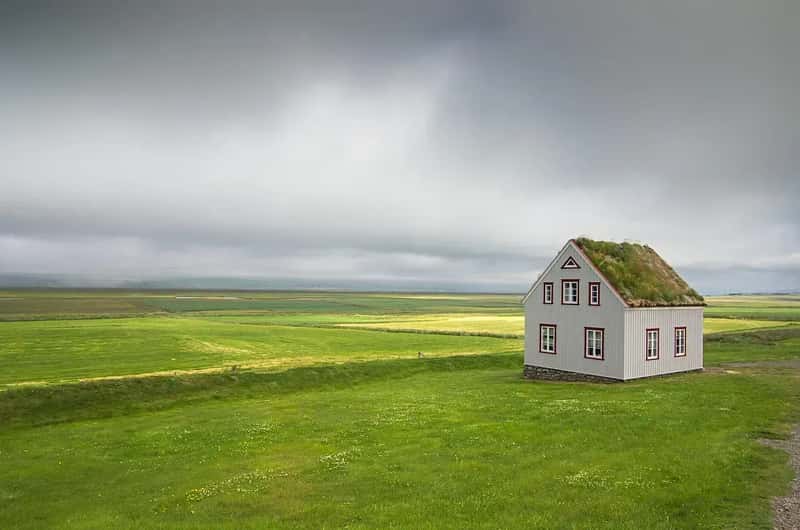
Iceland, a small country with breathtaking landscapes, has been overwhelmed by tourists flocking to Instagram-famous sites like the Blue Lagoon and Diamond Beach.
The problem isn’t just crowds. It’s that everyone wants the exact same photo at the exact same spot. It’s best to travel during the off season (November to April) and travel to lesser known spots like the Sturlungalaug hot spring. Peak season Iceland has become ridiculously expensive, with accommodation prices sometimes doubling compared to shoulder season. You’re paying a premium to stand in line for your turn at the waterfall selfie spot.
The Northern Lights viewing experience has become so commercialized that tour operators pack buses full of tourists who then stand shoulder-to-shoulder in freezing temperatures. Is it still magical? Maybe. Is it worth the astronomical cost? Debatable.
Dubai Luxury Comes With Hidden Costs
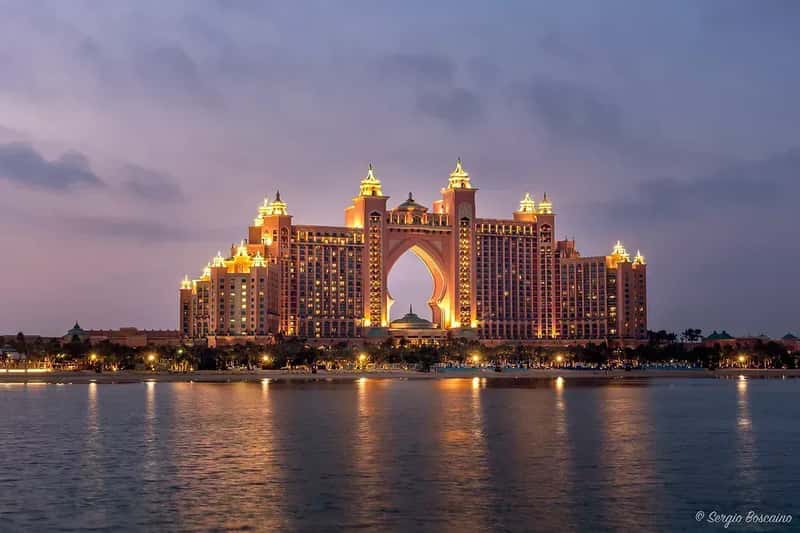
Dubai sells itself as the ultimate luxury destination, and admittedly, the city delivers on spectacle. The average cost for a hotel room across Dubai was anticipated to reach AED 536 in 2025, establishing a new high for the market, with rates for luxury accommodations having jumped 43% since 2023. According to the Department of Economy and Tourism, in 2024, Dubai welcomed more than 16 million tourists, and in 2025 the tax rules remain unchanged: the tax is paid per room per night, with rates in five-star hotels reaching 20 dirhams, in four-star hotels 15, in three-star hotels 10, and in budget hotels and aparthotels only 7.
Prices in Jumeirah, Downtown Dubai, and tourist zones can be 2-3 times higher thanin local areas, and many visitors are surprised by tourism dirham fees, service charges, and municipality fees added to hotel bills. That hotel rate you booked online? Add another 20 percent or more in mandatory fees you won’t see until checkout. The glamorous shopping malls and towering skyscrapers are impressive, sure, but the experience can feel oddly sterile and manufactured.
Everything in Dubai is designed for maximum visual impact rather than genuine cultural connection. You’re essentially paying premium prices for a very polished, very expensive theme park version of Arabian culture.
Santorini Sunsets Come With Massive Crowds
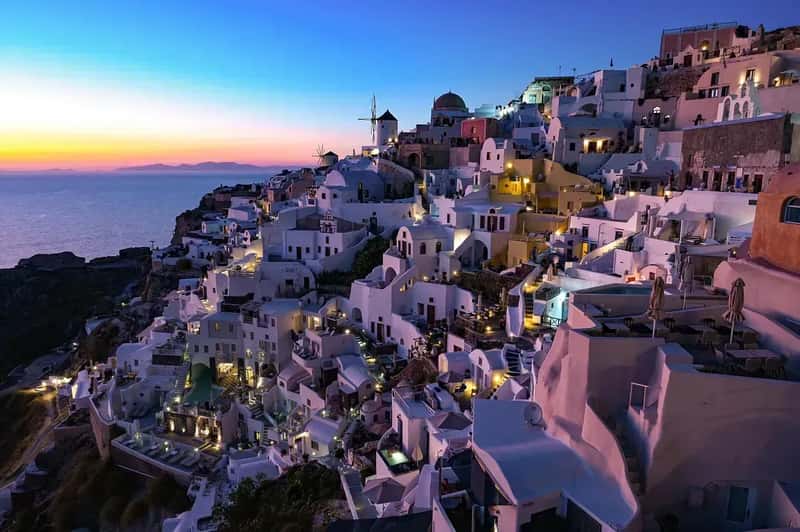
Instagram fame has turned Santorini into a tourist hotspot, with narrow streets perpetually clogged and locals struggling with soaring costs of living due to tourism demand, though the government has since capped the number of daily cruise ship visitors to keep overtourism at bay. Picture trying to enjoy that famous Oia sunset while wedged between hundreds of other tourists all jockeying for the same Instagram angle.
The white-washed buildings and blue-domed churches are undeniably beautiful. The problem is that you’re sharing that beauty with thousands of other people who had the exact same idea. Accommodation prices have skyrocketed, with even basic hotels charging luxury rates during peak season. Local restaurants in tourist areas serve overpriced, mediocre food knowing that most visitors won’t return anyway.
Three-quarters of surveyed travelers worry about overtourism, while 33% have personally experienced it, and more than half reported plans to avoid overpopulated hotspots such as France, Spain, Italy, Greece, Thailand, the Netherlands, and Peru, with only 16% of travelers still planning to visit Italy, followed by Spain and France. Greece offers countless other stunning islands with a fraction of Santorini’s crowds and prices.
Cinque Terre Can’t Handle the Volume
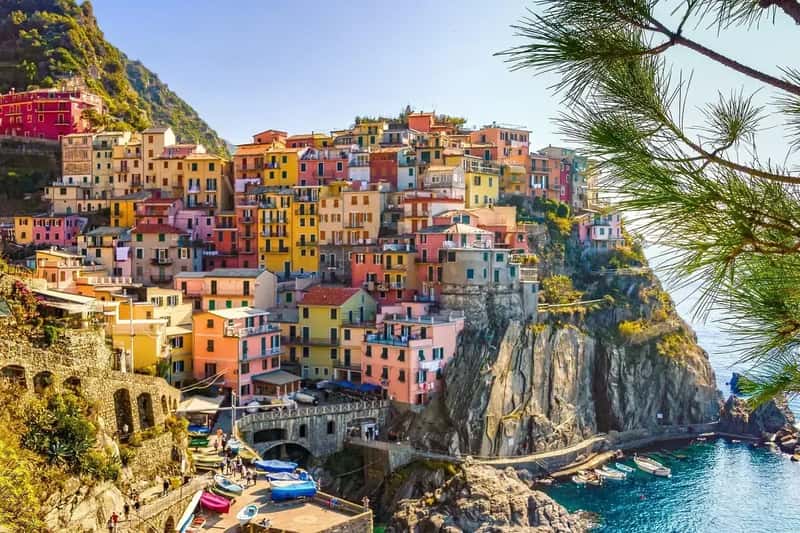
Known for its colorful cliffside villages and breathtaking coastal views, these once-quiet fishing towns now see millions of visitors annually, way more than they can handle, prompting local authorities to introduce visitor caps and encourage sustainable travel to protect Cinque Terre’s charm. In places like Cinque Terre, overtourism pushes up housing prices, forcing locals to leave because they can’t afford to live there anymore.
The hiking trails between villages have become so congested that you’re essentially in a single-file line for hours. The trains connecting the five villages are packed beyond capacity during peak season. Those charming village squares? Overrun with tour groups and souvenir shops selling cheap made-in-China trinkets. The restaurants jack up their prices knowing tourists have limited options.
It’s hard to say for sure, but the authentic Italian coastal village experience you’re seeking has been almost completely eroded by the sheer volume of visitors.
Machu Picchu Requires Advance Planning and Hefty Fees
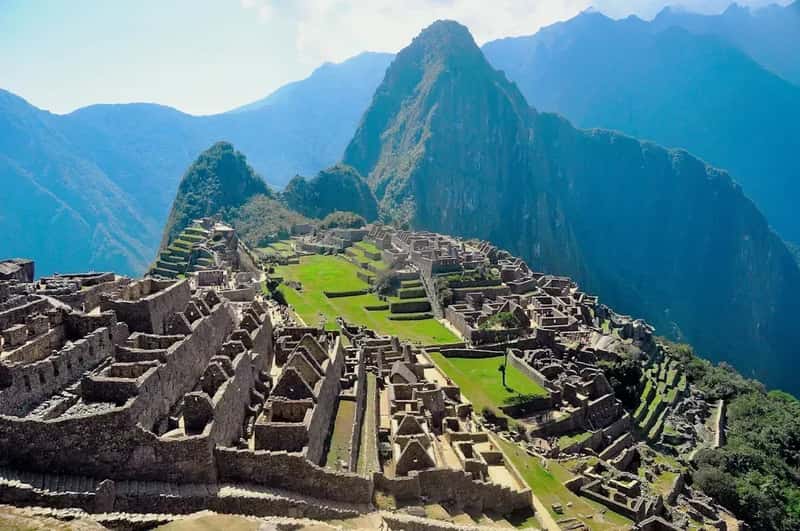
Overtourism has led to erosion and damage to this ancient Incan citadel, with a quota system and mandatory guides helping preserve this popular South American destination. In Machu Picchu, adhering to the new timed-entry rules ensures that the site remains preserved for future visitors.
The new regulations are necessary for preservation, absolutely. However, they’ve also made visiting Machu Picchu significantly more complicated and expensive. You need to book months in advance, hire a mandatory guide, follow strict time slots, and pay considerably higher entrance fees than in previous years. The experience has become regimented and rushed rather than the contemplative spiritual journey many travelers envision.
Peru offers incredible archaeological sites and mountain scenery beyond Machu Picchu. Places like Choquequirao offer similar Incan ruins with a fraction of the crowds and costs. Unless you’re absolutely set on checking this specific box, consider whether the hassle and expense align with the actual experience you’ll receive.
The Takeaway
Look, travel is deeply personal. Maybe you’ve dreamed your entire life of seeing Venice’s canals or watching the sunset in Santorini, and no amount of crowds or tourist taxes will diminish that for you. That’s completely valid.
For the rest of us, though, it’s worth stepping back and asking whether these hyped destinations still deliver value for money and genuine experiences. What was once controversial is now mainstream policy, and for the global tourism industry, this marks a defining shift: Success is no longer measured by how many arrive but by how well destinations endure.
The world is full of incredible places that haven’t yet been overrun. Alternatives exist for nearly every popular destination, often offering more authentic experiences at lower costs with fewer crowds. Albania instead of the Greek islands. Colombia instead of Tulum. Taiwan instead of Japan. These places want your tourism dollars and will actually welcome you rather than merely tolerate your presence.
What do you think? Have you visited any of these destinations recently and found them still worth the cost? Or did you discover amazing alternatives that deserve more attention?