You’ve saved for months, planned your dream trip, and finally booked that flight. The excitement is real, and you can already imagine yourself sipping coffee in a European cafe or exploring ancient temples in Asia. Yet here’s the thing – before you even land at your destination, your money could already be slipping away in ways you never even realized.
Traveling opens doors to unforgettable experiences, new cultures, and stories you’ll tell for years. It also opens the door to some seriously sneaky financial traps. Whether you’re a seasoned globetrotter or packing your bags for the first time, certain money mistakes seem to follow travelers everywhere. The worst part? Most of these blunders are completely avoidable once you know what to watch out for.
Skipping Travel Insurance Like It’s Optional

Nearly one in four Americans report they’ve experienced a medical issue while traveling abroad, and without insurance, those costs can spiral out of control fast. Let’s be real – nobody wants to think about getting sick or injured on vacation. It feels like bad juju. Still, travel insurance isn’t just about medical emergencies; it covers trip cancellations, lost luggage, and travel delays. 48% of travelers skip travel insurance because it’s too expensive, which sounds reasonable until you realize a single emergency room visit abroad can cost thousands. Travelers spend on average $103 per policy on Squaremouth, a travel insurance comparison website, with an average trip length of 20 days. Honestly, it’s hard to say for sure if you’ll need it, but the peace of mind alone might be worth that hundred bucks.
Exchanging Money at the Airport
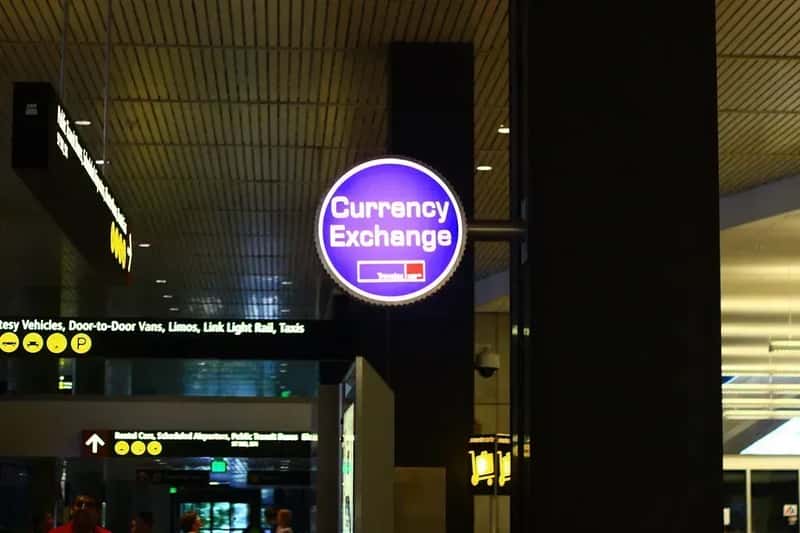
Airport kiosks prominently advertise “no fees” but make their profit on exchange rates marked up far above market prices. “Their rates on average can be 15 percent more than what you would find at an ATM or bank outside of the airport, not to mention the added service fees they will charge,” according to travel expert Katy Nastro. For a typical $500 currency exchange, this means you could lose $25-65 compared to better alternatives. Those bright kiosks near baggage claim are convenient, sure, especially when you’re jet-lagged and just want local cash fast. That convenience comes at a steep price, though. Exchange your money at a local bank or order currency ahead of time from your home bank instead.
Falling for Dynamic Currency Conversion
When you’re paying with your credit card abroad, the waiter or cashier might offer to charge you in US dollars instead of the local currency. Sounds helpful, right? Wrong. It typically means paying an extra 3 or 4 percent through a practice called dynamic currency conversion. This happens at ATMs too, where the machine asks if you want to accept a conversion rate. Always DENY it. This doesn’t mean you won’t get your money; it simply ensures that your bank converts your funds, offering you a more favorable rate compared to the ATM’s bank rate. It’s a simple trap that catches even experienced travelers off guard.
Using Out-of-Network ATMs Repeatedly
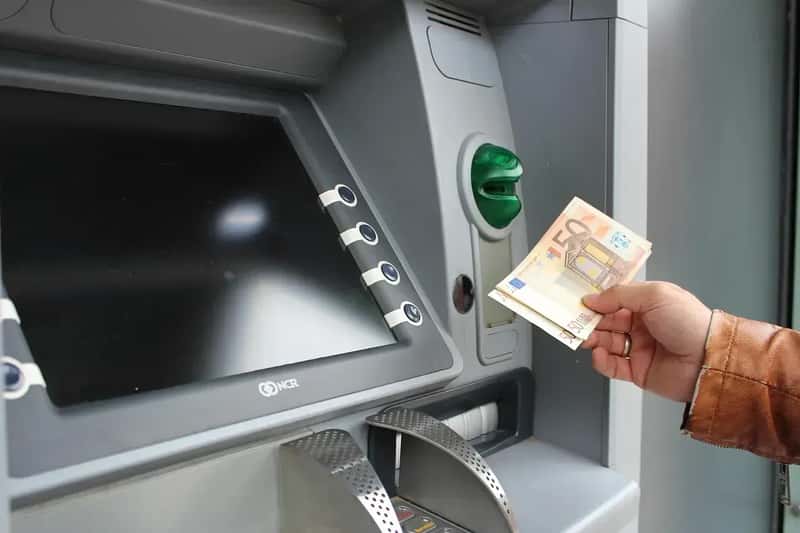
Out-of-network ATM fees increased by a significant 9 cents over the past year to an average of $4.86 per transaction, combining your bank’s fee plus the ATM owner’s surcharge. Think about it – withdraw cash twice a week during a month-long trip, and you’re looking at nearly forty dollars down the drain just to access your own money. Let’s say that you end up paying around $7 USD per withdrawal. That is $14 per week, $56 per month, or $672 per year! The math is brutal. International fees make it even worse, with many banks charging an additional one to three percent on top of flat fees.
Ignoring Hidden Hotel Fees

Nearly four out of 10 (37%) U.S. adults said they had experienced a hidden or unexpected hotel fee in the previous two years in a 2023 survey by Consumer Reports. Resort fees, early check-in charges, parking, Wi-Fi – hotels today tack on fees for everything. These additional costs can add hundreds of dollars to your bill. Vacation rental platforms like Airbnb aren’t innocent either; cleaning fees and service charges can nearly double the advertised nightly rate. The key is to read the fine print before booking and maybe call ahead to ask about waiving certain charges. Sometimes just asking works.
Overpaying with Foreign Transaction Fee Cards
You can typically expect a 1 to 3 percent foreign transaction fee on most cards. Swipe your card ten times a day for a week, and those percentages add up fast. Many travelers don’t even realize their credit card charges these fees until they review their statement back home. The solution is straightforward – get a travel credit card with no foreign transaction fees before you leave. These cards exist, they’re free to apply for, and they can save you hundreds on a big trip.
Not Setting a Daily Budget
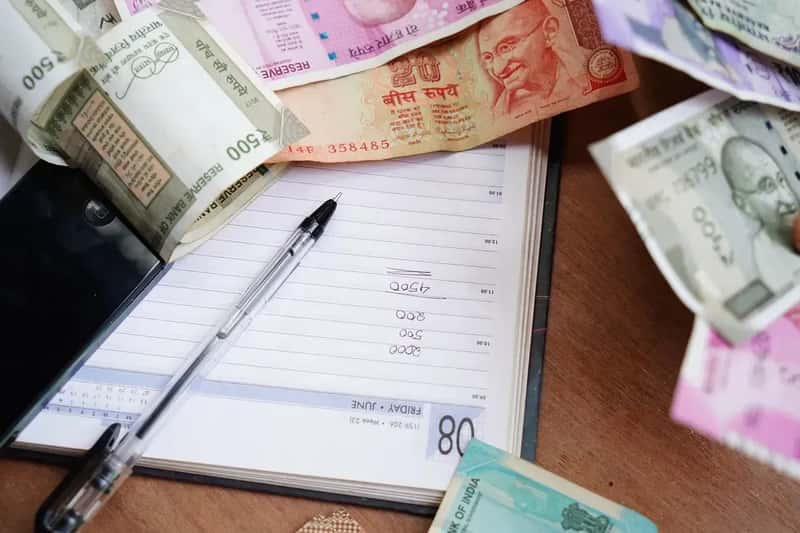
“Money on trips can feel like Monopoly money,” said financial expert Sabrina Romanoff. “For some reason, we’re much more willing to just say yes to the experience because we’re just in this, like, luxurious mindset.” The vacation mentality can drain your bank account faster than you’d believe. Setting a daily spending limit before you go helps you stay grounded. Some travelers break their budgets into categories – food, activities, souvenirs – so they know exactly where their money’s going. That structure keeps impulse purchases in check and prevents the dreaded post-trip credit card bill shock.
Paying for Overpriced Tourist Traps
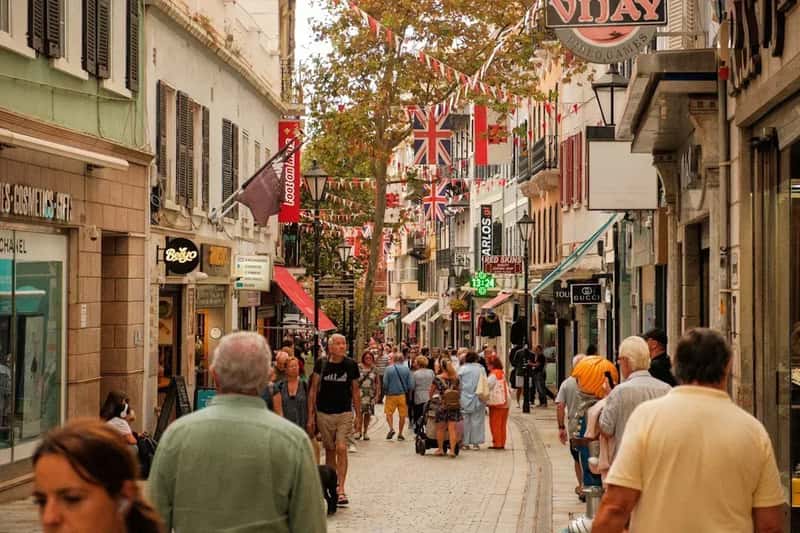
That tiny bottle of water at the tourist hotspot? Three times the price it should be. Restaurants with multilingual menus right next to the main attraction? Probably double what locals pay a few blocks away. Tourist areas are designed to extract maximum cash from visitors, and honestly, the quality often doesn’t match the price. Wander just five or ten minutes off the beaten path, and you’ll find better food, cheaper drinks, and more authentic experiences. It takes a little effort, but your wallet will thank you.
Taking on Debt to Fund the Trip
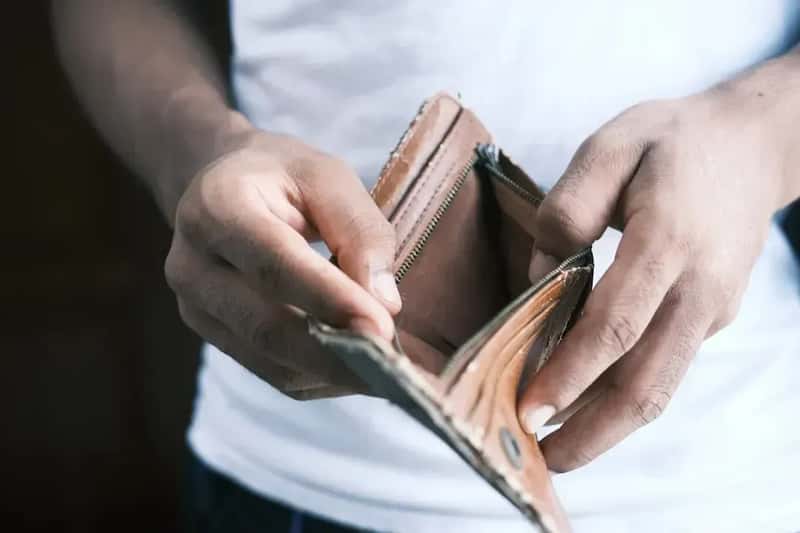
More than one-third of summer vacationers say they are willing to take on debt to pay for travel, according to a March 2024 report from Bankrate. About a quarter (26%) of summer travelers said they intend to use a credit card and pay for the vacation over multiple billing cycles. Vacation memories are priceless, sure, but paying interest on them for months afterward? That’s a different story. In fact, travel was the most popular purchase for which young people are willing to take on debt, compared to live entertainment and dining out. If you can’t afford the trip without going into debt, it might be worth waiting and saving up instead.
Forgetting About Accommodation Alternatives

According to reporting from The Points Guy, the average daily Airbnb rate in 2023 was 36% higher than it was just three years prior. During that same time period, Hilton’s average rates increased by 7.8%. Hotels and vacation rentals aren’t your only options. Hostels have evolved – they’re no longer just crowded dorm rooms full of backpackers. Many now offer private rooms, modern amenities, and unbeatable prices. Budget hotel chains provide clean, comfortable stays for a fraction of the cost. Home swaps and staying with locals through platforms can also cut accommodation costs to nearly zero. The options are there if you’re willing to explore them.