Remember that city you loved five years ago? The cozy neighborhood cafe where locals gathered, the affordable apartment you stayed in, the authentic character that made you fall in love with the place? Well, here’s the thing. Cities are living, breathing organisms that transform at speeds we can barely keep up with anymore. Between 2020 and 2025, some urban centers underwent changes so dramatic that returning visitors are left wondering if they’re even in the same place.
What’s driving this whirlwind of change? Technology, climate policy, remote work revolutions, mass tourism, and the relentless march of real estate investment have conspired to reshape cityscapes faster than ever before. Some places embraced transformation as an opportunity, others got swept up in forces they couldn’t control. So let’s dive in.
Dubai: Building Tomorrow While You Blink
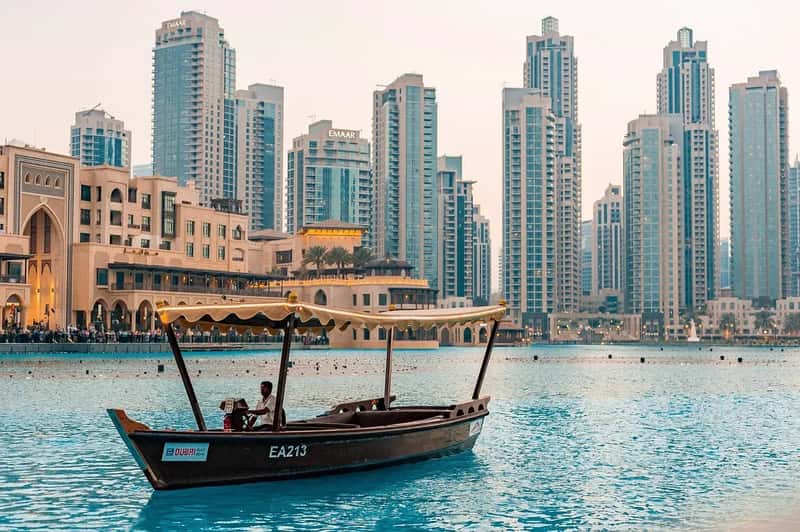
Dubai’s population is expected to reach 5.8 million by 2040, up from the current 3.3 million, so the transformation is happening at breakneck speed. The Dubai Walk master plan, approved in 2024, will introduce 6,500 kilometres of pedestrian pathways across 160 areas, completely redefining how people move through this car-centric city. What was once a place where you couldn’t walk two blocks without melting has suddenly become pedestrian-friendly.
Dubai attracted 17.15 million tourists in 2023 with a growth rate of 19.4% compared to the previous year, with the tourism sector contributing 11.7% to Dubai’s GDP in 2023. The sheer scale of construction projects makes every visit feel like stepping into a different city. Dubai’s Economic Agenda aims to double the size of Dubai’s economy by 2033 and consolidate its position among the top three global cities, including 100 transformative projects.
Austin: The Boom That Finally Slowed Down
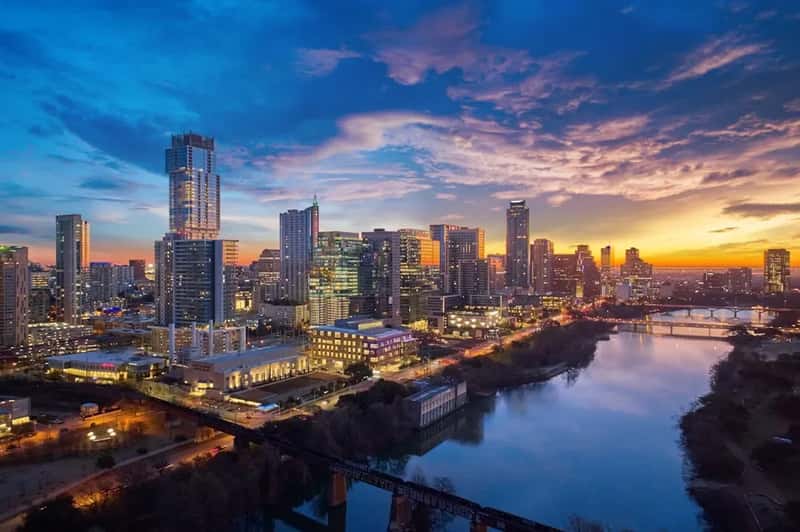
Austin was the poster child for explosive American growth, until it wasn’t. Austin slipped two spots and now ranks as the 13th largest city, adding more than 13,000 residents from July 2023 to July 2024, bringing the city’s population to 993,588. Fort Worth actually surpassed Austin in population, which would have been unthinkable just a few years ago.
Austin is no longer the fastest-growing large metro area in the country, with the region adding 50,105 new residents between July 2022 and July 2023, a growth rate of 2.07%, while only Jacksonville, Florida grew at a faster pace at 2.20%. The tech hub that everyone flocked to during the pandemic has cooled considerably. Austin’s year-over-year job growth averaged 5.7% in the first half of 2023, then 3.3% in the second half, with the slowing continuing in the first seven months of 2024 with year-over-year growth averaging 2.0%. Housing costs remain stubbornly high while the gold rush mentality has evaporated.
Shenzhen: China’s Silicon Valley Goes Hyperdrive
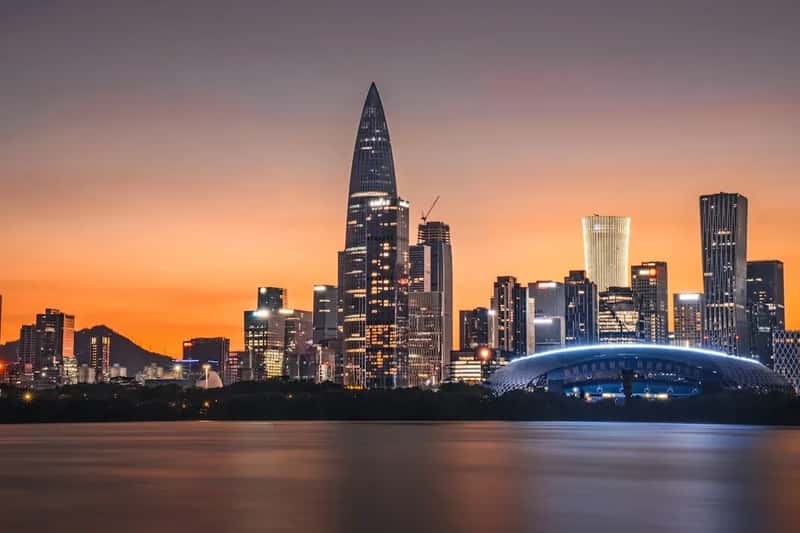
Shenzhen’s GDP grew by 6% in 2023 to a new high of 3.46 trillion yuan ($482 billion), surpassing that of other first-tier cities on the Chinese mainland including Beijing, Shanghai and Guangzhou. This former fishing village has become an unstoppable innovation machine. Shenzhen was awarded “Smart City of 2024” at the Smart City Expo World Congress in Barcelona, honored for its advancements in digital transformation, sustainable development, and innovative urban management, with a population of 17.66 million.
The millionaire count tells an incredible story. Shenzhen recorded 140% growth in millionaire count over the past decade, and in 2023 alone saw a 10% growth in millionaires, while Beijing and Shanghai recorded an exodus following the migration of high-net-worth individuals out of China. Shenzhen produced 2.9 million automobiles in 2024, overtaking Guangzhou to become the largest car manufacturing city in China. The city’s transformation is genuinely mind-boggling.
Lisbon: Tourism’s Double-Edged Sword
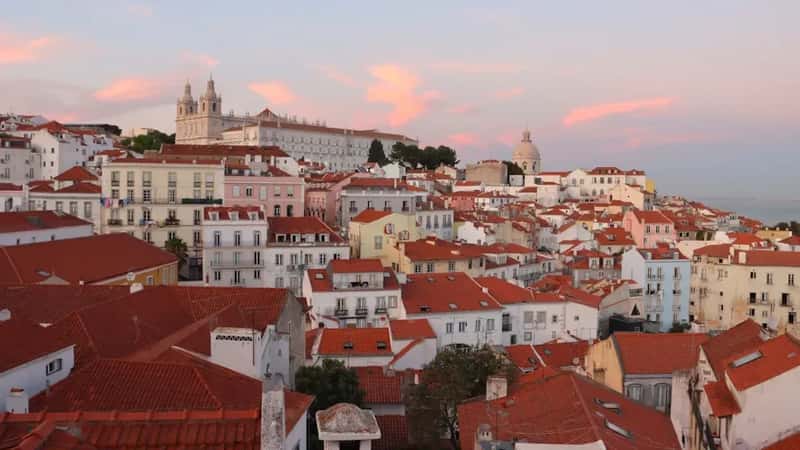
Lisbon might be the most bittersweet transformation story of them all. Lisbon had 5.6 million visitors in 2023 alone, and thanks to the rise of Airbnb, house prices are rapidly increasing while the availability of public housing is diminishing, with rent and house prices rising by 120% in cities such as Lisbon. The charming European capital became a victim of its own success.
The Santa Maria Maior district lost 28% of its population between 2013 and 2024, along with the population loss came a decline in the number of houses available and more vacation accommodations. Lisbon Mayor Carlos Moedas said there were 3,378 identified cases of homeless people in Lisbon by the end of 2023, 240 more than the year before. Neighborhoods that once housed families now cater almost exclusively to tourists, fundamentally altering the city’s soul.
Washington D.C.: The Unexpected Comeback
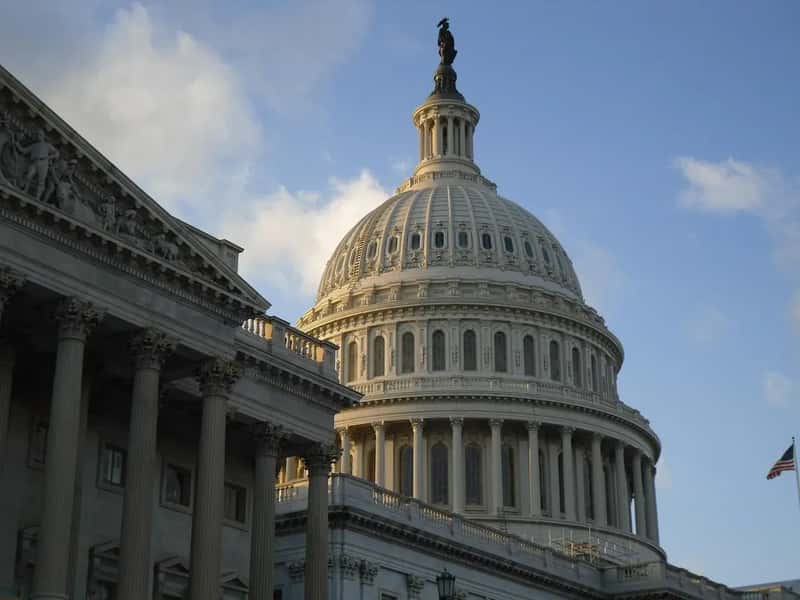
Nobody saw this one coming. While other major American cities struggled with pandemic-era population loss, Washington D.C. staged a surprising rebound. Washington, D.C., added almost 15,000 residents in 2024, nearly doubling its population gain in 2023. The nation’s capital had been bleeding residents for years, making this reversal genuinely remarkable.
Part of this stems from the broader pattern identified in census data. Cities in the Northeast that had experienced population declines in 2023 are now experiencing significant population growth on average, with cities of all sizes in all regions showing faster growth and larger gains than in 2023. The remote work exodus reversed as companies demanded returns to office, breathing new life into previously emptying downtown cores.
Los Angeles: Back On The Growth Track
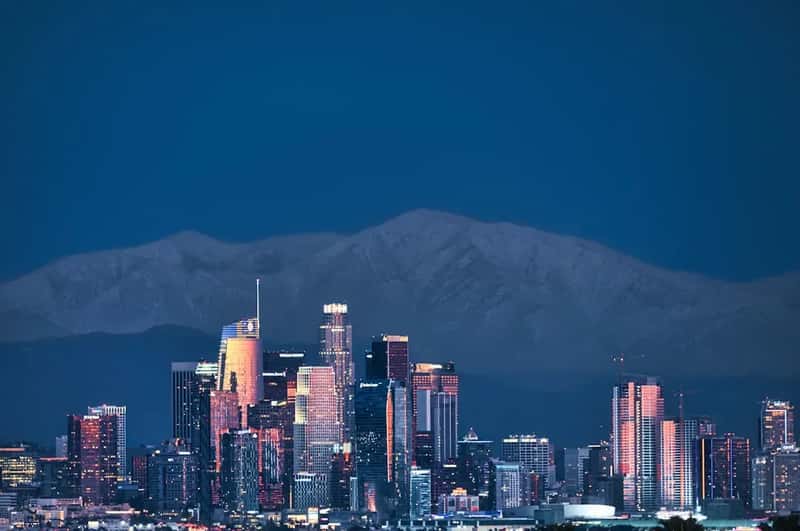
Los Angeles defied expectations by rejoining the ranks of America’s fastest-growing cities. Los Angeles returned to the list of top gainers for the first time since 2016, adding over 31,000 residents in 2024, making it third among the nation’s largest-gaining cities. For a city that seemed to be losing its luster amid rising costs and quality-of-life concerns, this represents a significant shift.
The city’s rebound highlights how quickly urban fortunes can change. What drove people away in 2020 and 2021 somehow became less important by 2024, whether due to improved housing supply, job opportunities, or simply the irresistible pull of sunshine and cultural vibrancy. The sprawling metropolis proved more resilient than many critics predicted.
Dhaka: Megacity On Steroids
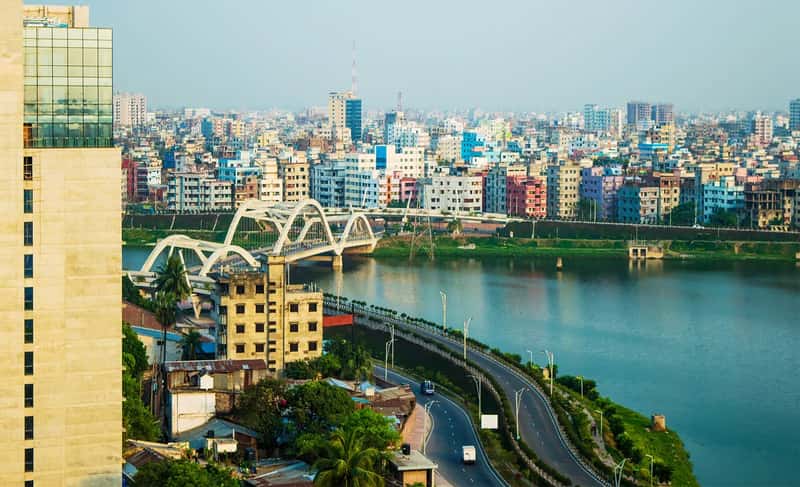
Dhaka increased from less than 5 million in 1975 to over 33 million in 2020 and is projected to reach more than 40 million by 2035. The scale of change in Bangladesh’s capital is almost incomprehensible. Within the span of a single generation, Dhaka transformed from a manageable city into one of the world’s most densely populated urban areas.
The infrastructure struggles to keep pace with the relentless population growth, creating both opportunities and challenges that define modern urban development in the Global South. Every five years brings dramatic changes to neighborhoods, transportation networks, and the city’s physical footprint. Returning visitors find entire new districts where farmland once stood.
Jacksonville, Florida: The Silent Giant
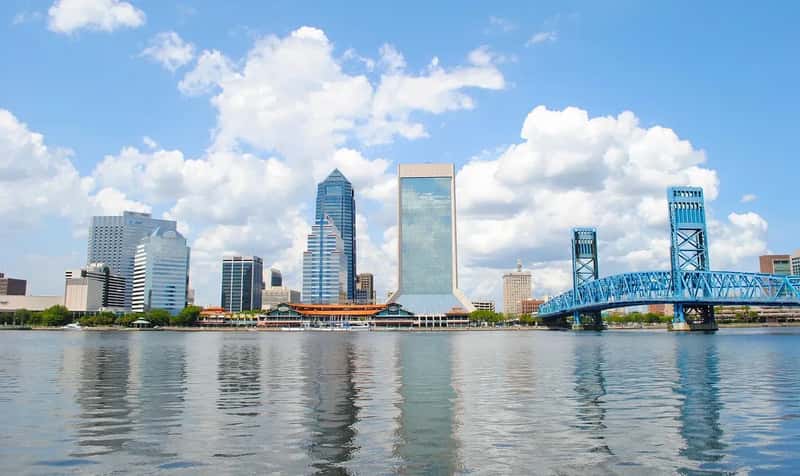
Jacksonville quietly became one of America’s growth success stories while everyone obsessed over Miami and Austin. Jacksonville grew at a pace of 2.20%, faster than Austin’s 2.07% among metros with more than one million people. The city’s combination of affordability, job growth, and coastal lifestyle attracted waves of new residents.
What makes Jacksonville’s transformation particularly interesting is how it happened under the radar. Without the media attention lavished on other Sun Belt boomtowns, the city steadily built housing, attracted employers, and improved infrastructure. It’s proof that sustainable growth doesn’t always require hype.
Philadelphia: The Rust Belt Renaissance
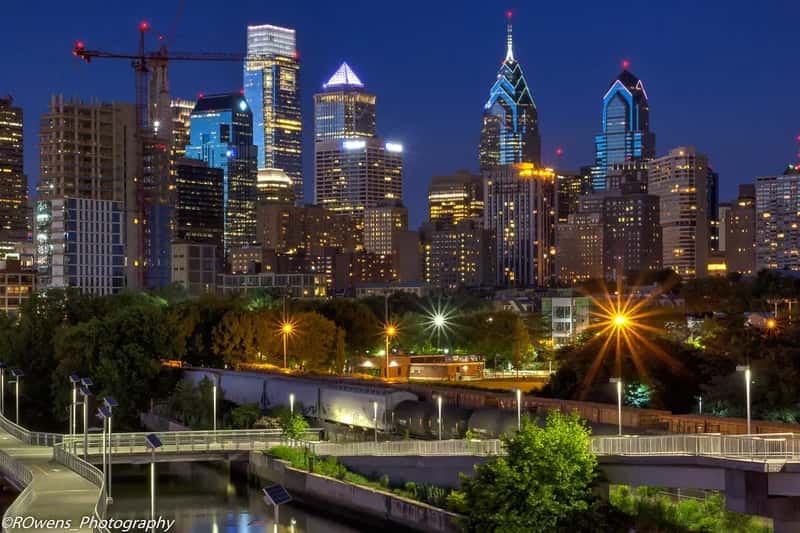
Philadelphia’s transformation over the past five years represents something hopeful for older American cities. While specific recent population data shows nuanced changes, house prices in the Philadelphia metro area rose nearly 11% from 2020 to 2023 adjusted for inflation, signaling renewed interest in the city. Neighborhoods once written off have become desirable again.
The city benefits from being more affordable than New York or Washington while offering similar urban amenities. Young professionals, artists, and families priced out of coastal cities found Philadelphia’s combination of historic character, cultural institutions, and reasonable costs increasingly attractive. The transformation hasn’t been without growing pains, particularly around displacement and gentrification, yet the city’s energy feels markedly different than it did in 2020.
Cities never stop changing, that’s what makes them cities. Yet the pace of transformation between 2020 and 2025 has been extraordinary even by historical standards. Whether driven by technology, demographics, climate, or economics, these urban metamorphoses remind us that the city we knew might not be the city we return to. The question isn’t whether cities will change, it’s whether we can shape that change in ways that preserve what we love while building something better.
Did you expect these transformations? The cities we think we know best often surprise us the most.