Walk down a busy tourist strip in Bangkok or Ubud long enough and you will eventually spot a cardboard sign that reads something like “traveling with no money, please help.” The person holding it is rarely local, rarely destitute in the way the sign implies, and almost always from a country far wealthier than the one they are standing in.
That contradiction sits at the heart of a phenomenon that has quietly reshaped how communities across Asia and beyond view budget travelers. It has a name, a history, and by 2026, a fairly well documented pattern of legal and social pushback.
What exactly is a begpacker?
The word itself is a blend of “beggar” and “backpacker,” and it describes a specific kind of traveler. The term is a portmanteau of “begging” and “backpacking” and is usually used to negatively describe people who are asking the public for money to fund their travels.[1] These are not people who have run out of options entirely. They are tourists who chose to travel without enough funds and then look to strangers, often in much poorer countries, to cover the gap.
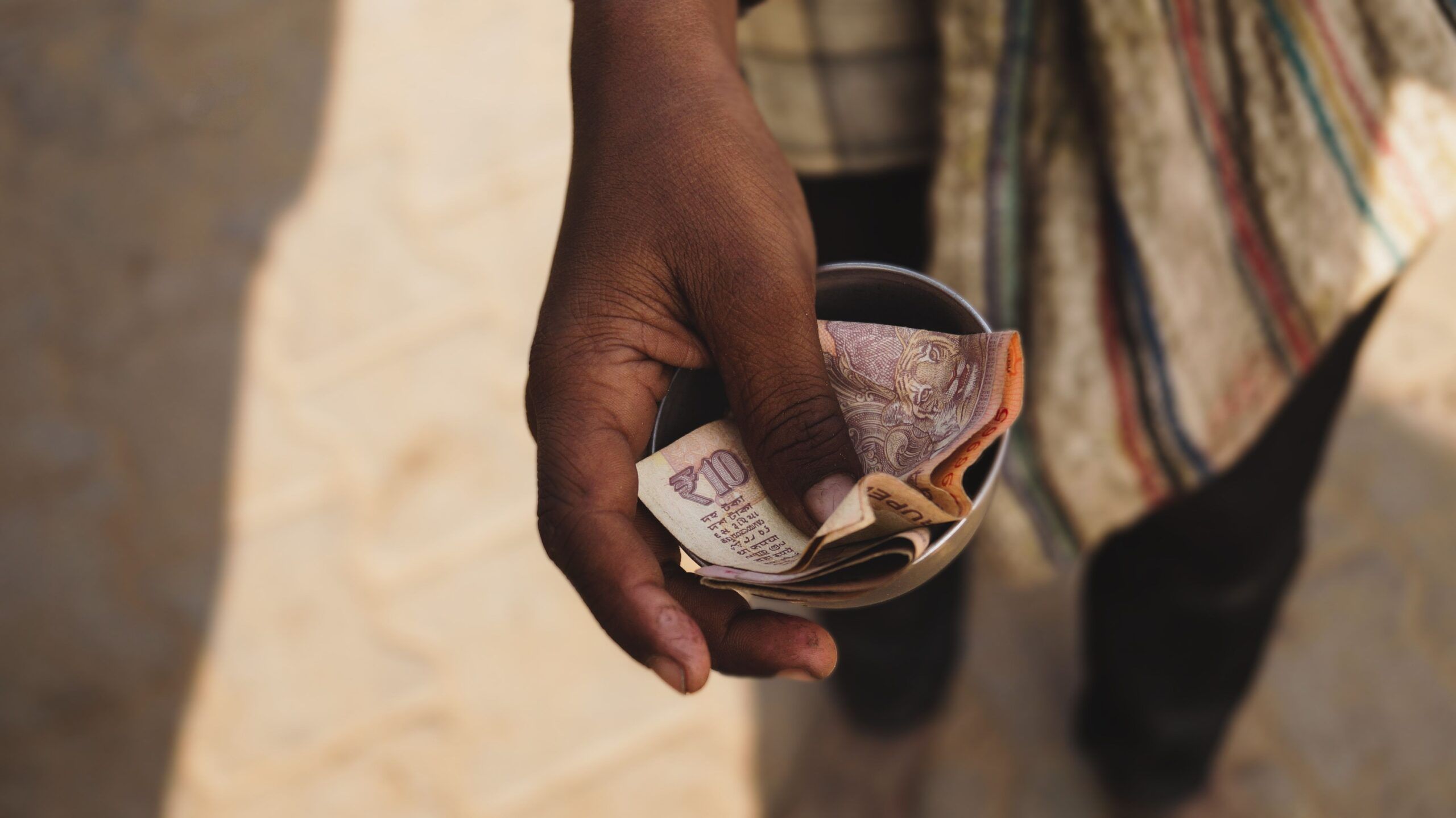
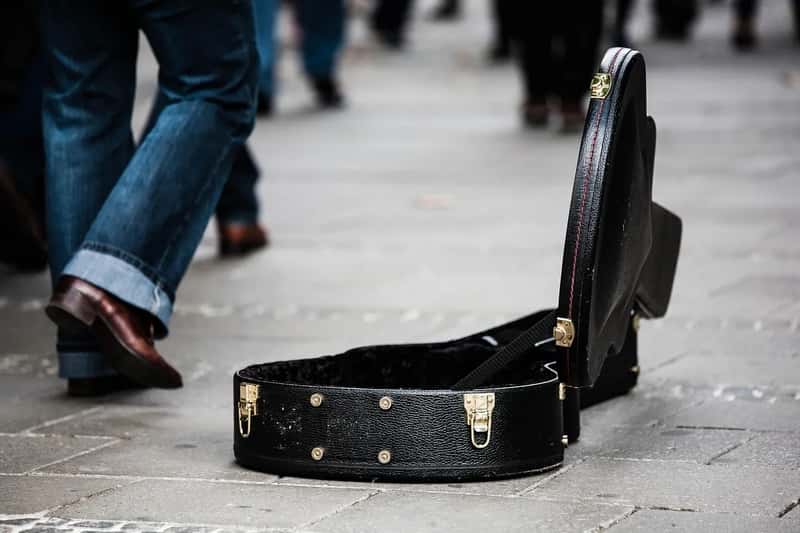
The image most associated with the term is a shaggy-haired young person selling woven bracelets or playing drums near a tourist attraction[1]. Some hold up handwritten signs. Others busk, sell trinkets, or simply sit with an open hat. The methods vary, but the underlying request is the same: fund my trip.
Where the trend first took hold
Begpacking is not a brand new phenomenon in 2026, but its visibility exploded roughly a decade ago and has never fully gone away. Typically, southeast and south Asian destinations like Thailand, India and Indonesia have been the hotspots for these so-called begpackers.[1] Cities with heavy foot traffic and a steady stream of Western visitors became natural gathering points.
Hong Kong saw its own wave of the trend as well. About a year before one report, tourists holding signs on the streets asking for donations to fund their round-the-world trips seemed to be everywhere in Hong Kong.[2] The trend also grew worldwide and popped up in neighbouring countries such as Singapore and Malaysia, sparking controversy.[2]
From cardboard signs to crowdfunding links

What has genuinely shifted in recent years is the medium. Instead of standing on a sidewalk with a sign, many travelers now ask for money through a screen. Begpacking has gone digital, and these days, instead of holding up cardboard signs, some travellers post donation links online.[3]
The requests often come dressed up in aspirational language. GoFundMe pages, TikToks, and Instagram captions now ask strangers to help fund their adventures, often under the banner of “spreading good vibes.”[3] One widely discussed case involved a couple who crowdfunded their bike trip from Germany to Africa to “connect with humanity.”[3] The packaging is different, but the basic transaction of asking others to subsidize a personal holiday remains unchanged.
Busking, bracelets, and the blurry line with begging

Not everyone lumped into the begpacker category is doing the same thing, and that distinction matters to a lot of observers. Some travelers argue that performing music or selling handmade items is fundamentally different from simply asking for handouts. As one long-term traveler who works street performance jobs put it, “any type of money making that requires performance, then it’s not begging. If there’s something to exchange, like entertainment, it’s not begging.”[4]
Others see it differently, arguing the label gets applied unevenly. Foreigners in South-East Asia are judged more harshly for busking than locals doing the same thing, which is part of why the begpacker label has stuck so strongly to Western travelers.[4] Whether someone is busking, selling bracelets, or holding a blank cup, the visual overlap with straightforward begging is part of why the whole category draws so much criticism.
Why Southeast Asia became ground zero
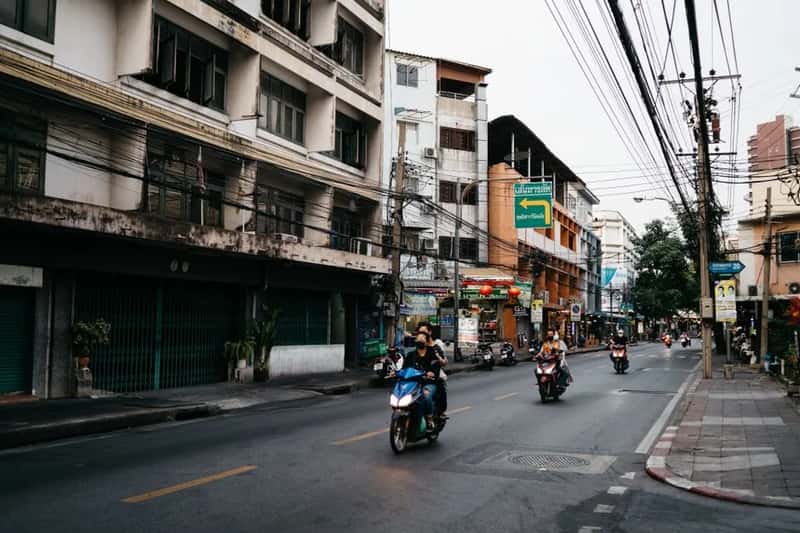
Cost of living plays a huge role in why this trend concentrated where it did. Backpackers found they could stretch a small budget remarkably far in places like Thailand, Cambodia, and Vietnam, which also made those countries appealing spots to simply run low on cash and start asking for more. The practice seems most prevalent in Southeast Asia, in countries such as Thailand, Cambodia and Vietnam, though it shows up in South America as well.[5]
High foot traffic tourist corridors became informal begging circuits. Begpackers typically operate in areas with a lot of foot traffic, like Bangkok’s Khao San Road.[5] These same streets are lined with local vendors trying to earn a living, which sets up an uncomfortable side by side comparison that locals notice immediately.
The economics that make locals angry

The core objection from residents in these countries is rarely about the act of busking or selling crafts itself. It is about who is asking whom for money. Begpackers are often from countries which are richer than the ones they are begpacking in, and they purposely ignore the fact that locals who are begging are doing so in order to survive, while they are doing so to fund a holiday.[6]
Tourism dollars matter enormously to these economies, which is exactly why the reversal stings. The point of tourism, especially in developing countries, is to improve the life of the local population by bringing money into their economy, and this industry is vital to many families in order to put food on the table.[6] When a visitor flips that flow of money in the other direction, it reads as more than just poor planning. It reads as taking from a system that is supposed to give.
Legal crackdowns across Southeast Asia

Governments have not simply shrugged this off. Thailand built a legal framework specifically targeting begging and unauthorized street performance by foreigners. Under the Thai Beggars Control Act, begging is illegal in Thailand and those engaged in the activity face action by the police.[7] Busking is also illegal in Thailand as it is a breach of the country’s labour and immigration laws, and no foreign musician may perform without the appropriate visas and permits.[7]
Indonesia has taken an even firmer stance through local regulation in Bali. Bylaws in Bali’s eight regencies and one municipality ban begging, hawking or busking, and violators including foreigners are subject to a maximum three months imprisonment or a fine of roughly 25 million rupiah, about 1,769 US dollars.[8] Immigration officials there have also taken a more direct approach with tourists who simply run out of funds. One immigration officer stated that foreign tourists who run out of money or are pretending to be beggars will be sent to their respective embassies.[6]
The social media shaming machine

Perhaps the most distinctly modern part of this story is how the internet turned begpackers into a public spectacle. Dedicated pages sprang up specifically to document and mock the behavior. The age of social media catapulted the activity into public consciousness with a wave of begpacking shaming Instagram accounts and Facebook pages.[1]
These accounts frame the criticism around a specific idea rather than simple mockery. For one comedian behind a popular satirical account, the scorn against so-called begpackers all comes down to a single word: entitlement.[1] Photos taken out of context circulate widely, which academics studying the phenomenon note comes with its own problems, since photos are stripped of context, with no reference to or knowledge of the personal circumstances of the people involved.[4]
Not every low budget traveler is a begpacker

It is worth separating genuine misfortune from the calculated version of the trend. Travelers occasionally do lose their money, their passport, or their way home through no fault of a shortsighted plan, and treating every struggling backpacker as a con artist is unfair. Even critics of the trend acknowledge this nuance, noting that some photos circulating online might show people who genuinely have been a victim of some misfortune, while others are clearly just looking for a free ride around the world.[9]
The dividing line most people draw is intent and preparation rather than the amount of money someone has left in their account. Someone who saved for a trip and hit an unexpected emergency is a different case than someone who set out from the start planning to fund the journey through strangers’ generosity. That said, from the outside looking in, a cardboard sign looks identical either way, which is part of why the backlash tends to land on anyone fitting the visual stereotype.
What the trend reveals about travel and privilege
Underneath the memes and the legal statutes, begpacking raises an uncomfortable question about who gets to travel cheaply and at whose expense. Critics frame it plainly. When people from rich countries are begging people from developing countries for money in order to pay for something that is commonly considered a luxury, they have clearly crossed a line in terms of decency.[6]
There is also a cultural dimension to why some travelers keep doing it despite the backlash. There is an underlying cultural tension here, since for some the Western choice to live hand to mouth is seen as a radical alternative to desk jobs and mortgages.[3] That framing might make sense within a Western lifestyle conversation, but it tends to fall apart quickly once it is applied to communities where hand to mouth living is not a lifestyle choice at all.
Final thoughts
Begpacking has not disappeared, but it has changed shape. The cardboard signs still show up on tourist streets, though a growing share of the asking now happens through a phone screen instead of a hat on the pavement.
Governments in Thailand and Indonesia have made their legal position clear, and social media has made public shaming an almost automatic response. What remains constant is the basic imbalance that started the whole conversation: travelers with far more resources than the people around them, asking those same people to help pay for a trip that was, by most definitions, a choice rather than a necessity.